









Plot Explained Spoilers guaranteed!
Plot Explained

Browse by genre

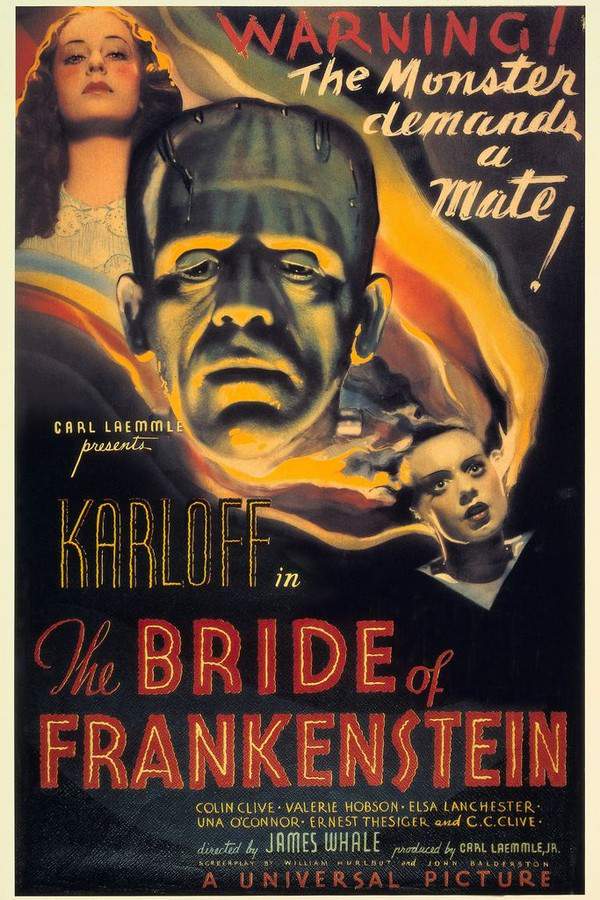
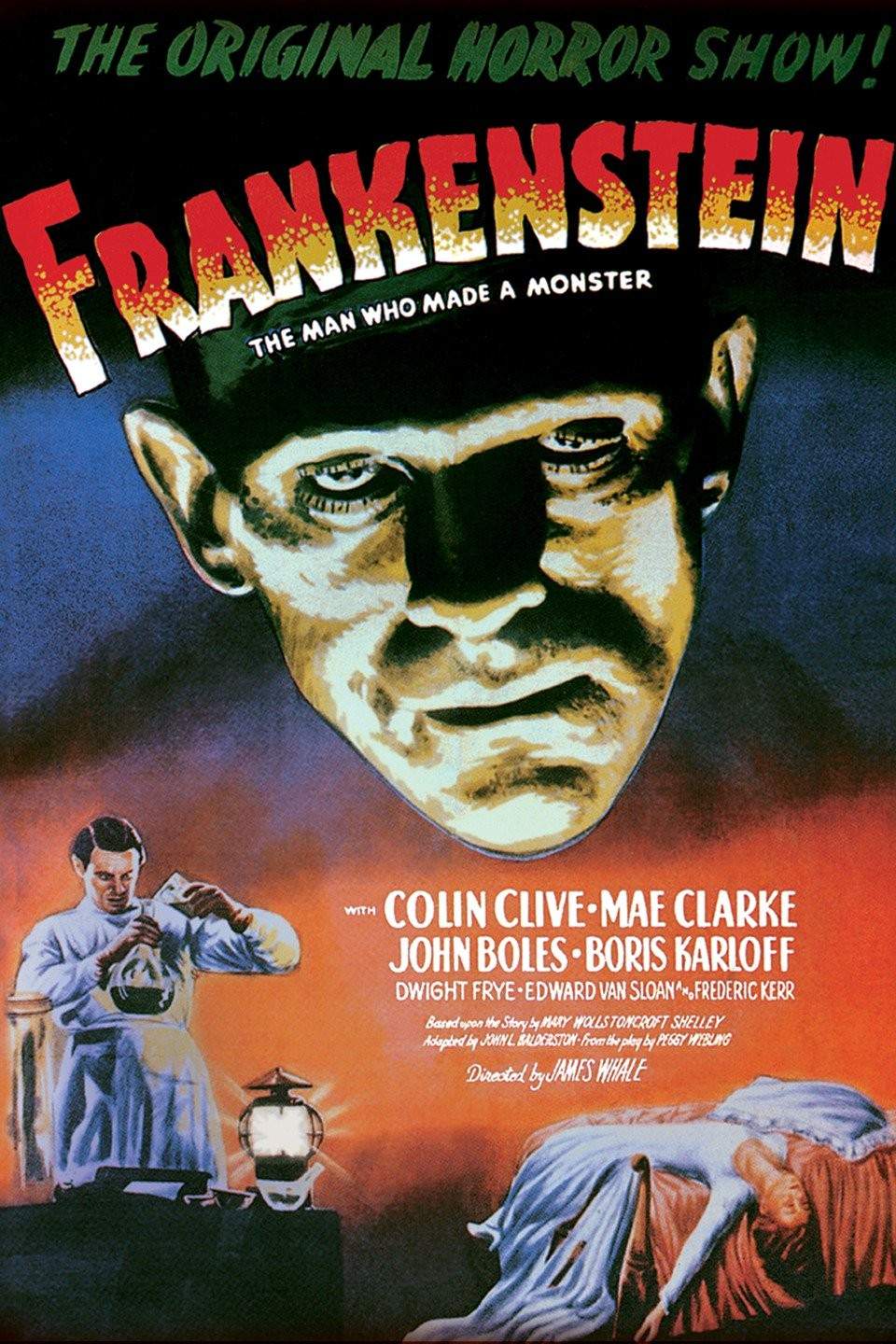
Frankenstein (1931) movie poster

Timeline

Frankenstein (1931) Timeline Explained – Every Event in Order

Release, runtime and language
1931 · 1 h 10 m · English
JustWatch #11,532 16
Directed by
James Whale
Starring
Mae Clarke, Boris Karloff, Francis Ford, Ted Billings, Colin Clive, Dwight Frye

Driven by an insatiable ambition, a brilliant but tormented scientist attempts to cheat death by creating a creature from various body parts. His creation, a grotesque figure, is brought to life but quickly becomes a source of horror and regret as it escapes its creator and seeks revenge for its abandonment.

On this page (7)
  1. 1 Where to watch
  2. 2 Events in order (13)
  3. 3 Timeline questions answered
  4. 4 The book behind the movie
  5. 5 Movie threads
  6. 6 Movies like Frankenstein
  7. 7 Every angle

Where to watch

Where to Watch Frankenstein (1931)

Where can you watch Frankenstein? Stream, rent or buy it in the US, including on Amazon Prime Video, Peacock Premium and Peacock Premium Plus: current JustWatch availability with up-to-date prices.

Streaming availability powered by JustWatch

13 events in order · contains spoilers

Frankenstein Timeline: Events in Chronological Order

Every key event of Frankenstein (1931) in order, scene by scene, with when and where it takes place. Use it to untangle flashbacks, time jumps and parallel storylines, to refresh your memory before the sequel or to find the exact scene you are thinking of.

  1. Dr. Frankenstein's Ambitious Experiment

    Dr. Henry Frankenstein, played by Colin Clive, embarks on a radical experiment to create a being in his own image. He aims to utilize the remains of a deceased individual, showcasing his obsession with reanimation and the defiance of natural laws.

  2. Exhumation of the Corpse

    Along with his assistant Fritz, Dr. Frankenstein exhumes a recently buried corpse to use its parts for his experiment. This act highlights their willingness to cross moral boundaries in the pursuit of scientific advancement.

  3. Acquisition of a Brain

    When they discover that the corpse's head and brain are damaged, Dr. Frankenstein decides to secure a new brain from his former mentor. This pivotal moment is marked by the accidental selection of an 'abnormal' brain instead of a 'normal' one due to Fritz's blunder.

  4. Reanimation of the Creature

    Using a mysterious ray invented by himself, Dr. Frankenstein succeeds in reanimating the creature during a fierce thunderstorm. This intense moment marks the birth of Frankenstein’s monstrous creation, portrayed by Boris Karloff.

  5. Realization of the Monster's Nature

    As the reality of his actions dawns on Dr. Frankenstein, he begins to comprehend the dangerous implications of his creation. The monster's inherent malevolence becomes evident when it is confined and later antagonized by Fritz.

  6. Fritz's Death

    After enduring relentless torment from Fritz, the creature ultimately retaliates in a fit of rage. This confrontation leads to Fritz's tragic death, revealing the monster's capacity for violence and the consequences of its mistreatment.

  7. Encounter with the Young Girl

    The monster escapes and stumbles upon a young girl playing by the water's edge. Their innocent interaction takes a dark turn when the creature, misunderstanding the game, throws the girl into the water, leading to a horrific accident.

    Where
    by the water
  8. Father's Grief and Townspeople's Anger

    The father of the drowned girl carries her lifeless body through the streets, stirring deep sorrow in the community. This event incites outrage among the townspeople, who demand retribution against the creature for the tragedy.

  9. Flight to the Windmill

    In a desperate attempt to escape the villagers' wrath, the rampaging monster seeks refuge in an old windmill. His actions reflect a mixture of fear and instinct for survival, even as he becomes the target of an angry mob.

    Where
    old windmill
  10. Confrontation with Dr. Frankenstein

    Inside the windmill, the creature takes Dr. Frankenstein captive, leading to a tense confrontation between creator and creation. This climactic moment underscores the complex relationship and the consequences of playing god.

    Where
    old windmill
  11. Dr. Frankenstein's Near Fatal Fall

    During the confrontation, the monster hurls Dr. Frankenstein from the height of the windmill. Fortunately, he survives the fall by landing on one of the windmill's blades, which adds a moment of suspense to the already intense scenario.

    Where
    old windmill
  12. The Villagers' Fury

    Enraged by the violence and loss, the townsfolk decide to take matters into their own hands by setting the windmill ablaze. This act of collective rage underscores the dark consequences of fear and misunderstanding, ultimately sealing the creature's fate.

    Where
    old windmill
  13. Destruction of the Windmill

    As the fire consumes the windmill, the creature is trapped inside, struggling against the collapsing structure. This moment signifies the tragic end of the creation's existence and serves as a metaphor for the deadly consequences of unchecked ambition.

    Where
    old windmill

Last updated: October 24, 2024 at 09:23

Was this helpful?

Timeline questions answered

Frankenstein Timeline Explained: Your Questions Answered

When does it happen, and why in that order? The questions people ask about the chronology of Frankenstein (1931): time jumps, flashbacks, cause and effect between scenes and the correct order of events, each answered with spoilers.

Q1

Why did the monster become so violent?

The monster became violent primarily because Fritz accidentally dropped the jar containing a 'normal brain' and substituted it with an 'abnormal' brain from Dr. Frankenstein's mentor. Additionally, the creature was persistently tormented by Fritz while confined in a cell, which triggered its violent retaliation that resulted in Fritz's death.

Foreshadowing: Earlier, the film's emphasis on obtaining a 'new brain' hints that the creature's mental state would be central to its behavior.

  • abnormal brain
  • fritz
  • monster violence
  • creature behavior
Q2

Why did Fritz choose the abnormal brain instead of the normal one?

Fritz accidentally dropped the jar labeled 'normal brain' while retrieving it from Dr. Frankenstein's mentor's laboratory. Panicked and unwilling to admit his mistake, he instead grabbed the jar marked 'abnormal brain' and used it for the experiment, not realizing the consequences.

Foreshadowing: The scene establishes Fritz as careless and incompetent, foreshadowing his eventual fate.

  • fritz
  • brain jar
  • experiment mistake
Q3

Why did the monster throw the little girl into the water?

The monster did not intentionally drown the girl. Encountering her by the water's edge, the creature, naive and unfamiliar with human interaction, attempted to play with her. When they threw flowers into the water together, the monster simply mimicked her action by throwing her in, not understanding the difference between throwing flowers and throwing a person. It was a tragic accident caused by the creature's childlike innocence and lack of understanding.

Foreshadowing: Earlier scenes show the monster observing others without comprehension, establishing its inability to understand human behavior.

  • little girl
  • drowning
  • flower game
  • innocence
Q4

What happens in the windmill confrontation?

After the villagers pursue the monster for drowning the girl, it flees to an old windmill and takes Dr. Frankenstein captive. During the confrontation inside the windmill, the monster hurls Dr. Frankenstein from the heights. Frankenstein survives by landing on one of the windmill's blades. Enraged, the townspeople then set the windmill ablaze, trapping the creature inside as the structure collapses.

Foreshadowing: The monster's earlier capture and confinement established its desire for revenge against its creator.

  • windmill
  • confrontation
  • fire
  • villagers
Q5

Did the monster die in the fire?

Yes, the creature was trapped inside the burning windmill as it collapsed. The fire consumed the structure, and the monster perished beneath the debris, fulfilling the villagers' demand for its death and providing a tragic end to the creation's existence.

Foreshadowing: The mounting anger from the townspeople and the creature's capture in the windmill pointed toward a violent, final confrontation.

  • monster death
  • fire
  • destruction
Q6

Why was Dr. Frankenstein determined to create life?

Dr. Frankenstein was driven by 'insatiable ambition' and a desire to cheat death by creating a man in his own likeness. His scientific obsession led him to defy natural laws, using a mysterious ray invention to reanimate remains. The film portrays his hubris in attempting to play God, which ultimately leads to catastrophic consequences.

Foreshadowing: The opening scenes establish Frankenstein as consumed by his work, neglecting everything else for his experiment.

  • dr frankenstein
  • ambition
  • creation
  • playing god
Q7

Why did the townspeople burn the windmill?

The villagers were enraged after the monster drowned the little girl and then captured Dr. Frankenstein inside the windmill. Carrying the girl's lifeless body through the streets, the father incited the mob's fury. When the monster threw Frankenstein from the height (who survived), the townspeople decided to take matters into their own hands and set the windmill ablaze, hoping to kill the creature and end the threat.

Foreshadowing: The father carrying the dead child through town directly mobilized the mob to seek violent retribution.

  • villagers
  • mob
  • anger
  • revenge
Q8

How did Fritz die and why did the monster kill him?

Fritz was killed by the monster after being persistently tormented and brutalized while the creature was confined in a cell. Fritz would taunt and physically abuse the chained monster, ultimately provoking the creature's rage. When the monster finally retaliated in a fit of fury, it killed Fritz, showing that the creature, despite its violent nature, was first victimized before becoming violent itself.

Foreshadowing: The creature's confinement and Fritz's cruel treatment were shown directly before the fatal confrontation.

  • fritz death
  • torment
  • revenge
  • cell
Q9

Why did the reanimation happen during a thunderstorm?

The reanimation occurred during a fierce thunderstorm because Dr. Frankenstein used a mysterious electrical ray to bring the creature to life. The thunderstorm provided the dramatic, gothic atmosphere fitting for the moment of creation, and the electrical energy from the storm likely served as the power source for his invention, classic horror imagery that emphasizes the scientific hubris of playing with nature's forces.

Foreshadowing: The film builds tension toward this climactic moment from the earliest scenes of preparation.

  • thunderstorm
  • reanimation
  • electricity
  • creation
Q10

How did the monster escape from confinement?

After killing Fritz in the cell, the monster escaped its confinement and fled into the surrounding countryside. The creature then wandered until it encountered the young girl by the water's edge, where the tragic drowning incident occurred. The escape marked the beginning of the monster's rampage and the villagers' subsequent hunt.

Foreshadowing: The creature's violent outburst against Fritz made continued confinement impossible.

  • escape
  • captivity
  • cell
  • fugitive

Movie threads

More Movies Like Frankenstein, by Mood & Story

Curated lists built around what makes Frankenstein tick: the same mood, the same kind of story or the same emotional payoff. Each list explains why these movies belong together.

Movies about monstrous creators like Frankenstein

Stories where ambition leads to creating a being with tragic consequences. If you liked Frankenstein's exploration of ambition and its monstrous consequences, this list features similar sci-fi and horror stories. Discover movies about dangerous experiments and creations that spiral out of control, perfect for fans of cautionary tales about playing God.

  • tragic
  • somber
  • cautionary
  • ethical dilemma
  • gothic
  • oppressive
  • Tone: dark, tragic
  • Pacing: steady, methodical
Why these movies?

The story pattern: Stories in this thread follow a clear arc: a driven individual achieves a breakthrough in creation, only to lose control of their invention. The conflict arises from the creator's negligence or fear, turning their creation into a force of vengeance or tragedy, culminating in a downfall for both parties.

Why they belong together: These films are grouped by their shared thematic core of creation and responsibility. They evoke a similar mood of tragic inevitability, driven by a dark tone and heavy emotional weight centered on the consequences of unchecked ambition.
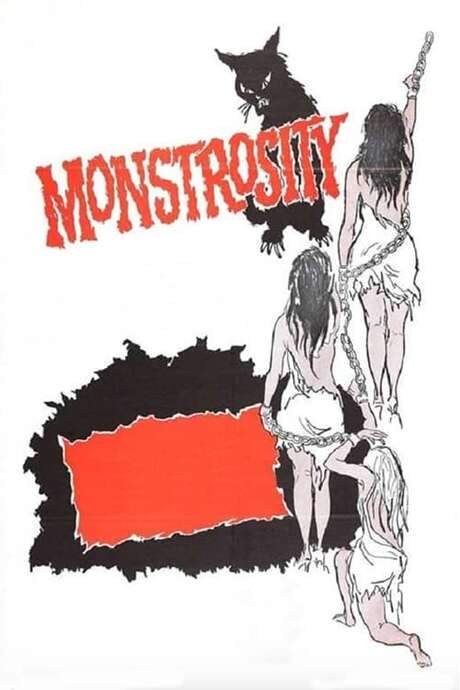
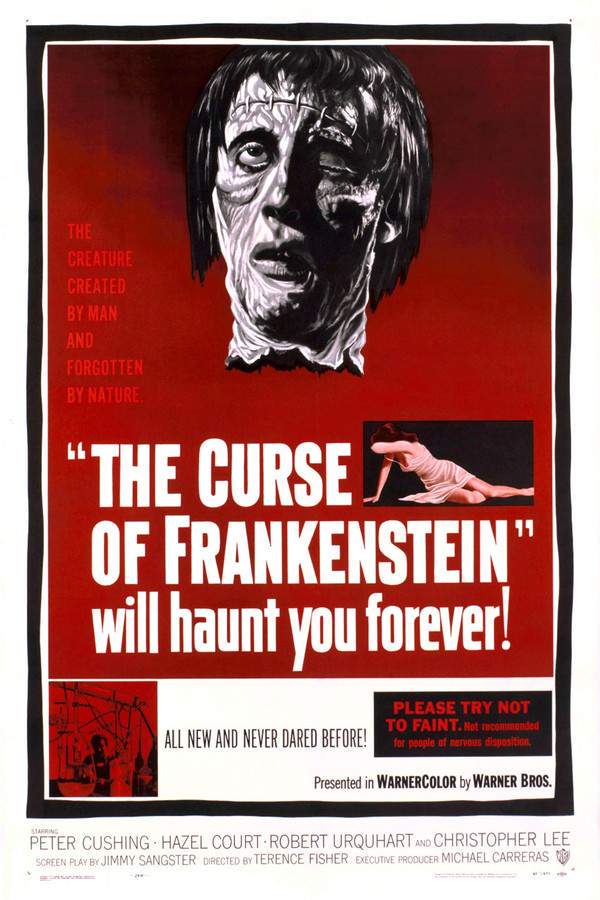
Gothic tragic horror movies like Frankenstein

Atmospheric horror where moody settings amplify a story of tragic doom. Explore more movies like Frankenstein that master a gothic tragic horror vibe. These films use atmospheric settings and a somber tone to tell stories of doom and tragedy, perfect for viewers who appreciate mood-driven, emotionally heavy horror.

  • gothic
  • atmospheric
  • tragic
  • somber
  • grim
  • oppressive
  • Tone: dark, somber, oppressive
  • Pacing: steady, atmospheric
Why these movies?

The story pattern: The narrative pattern involves characters trapped by their circumstances or flaws within a stylized, often archaic world. The plot moves steadily toward an unhappy conclusion, using the environment itself—castles, ruins, fog—as a character to enhance feelings of dread, oppression, and inescapable fate.

Why they belong together: Movies in this thread share a cohesive aesthetic and emotional experience. They are united by a dark, somber tone, a steady pacing that builds dread, and a high-intensity feeling of tragic inevitability, all amplified by their distinct gothic visual and atmospheric style.

If you liked this

Movies Like Frankenstein

Similar movies to Frankenstein: the same genre, themes or kind of story. Each one comes with its own plot summary, timeline and ending explained.

Browse all movie summaries

Every angle

Frankenstein (1931) Explained: Plot, Timeline & Characters

Everything about Frankenstein in one place: what happens in the plot summary, the timeline in chronological order, the characters and meaning and a spoiler-free summary. What's After the Movie adds the cast, box office and post-credit scenes.

Coming soon on iOS and Android

The Plot Explained Movie Summary App

Plot summaries, endings explained and timelines on your phone. Catch up on any movie in minutes, save your favorites and never miss a twist again.

Be the first to know when we launch. Your email stays private, always.

Learn more about the app