Plot Explained Spoilers guaranteed!
Plot Explained

Browse by genre

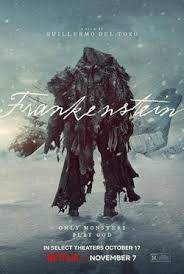
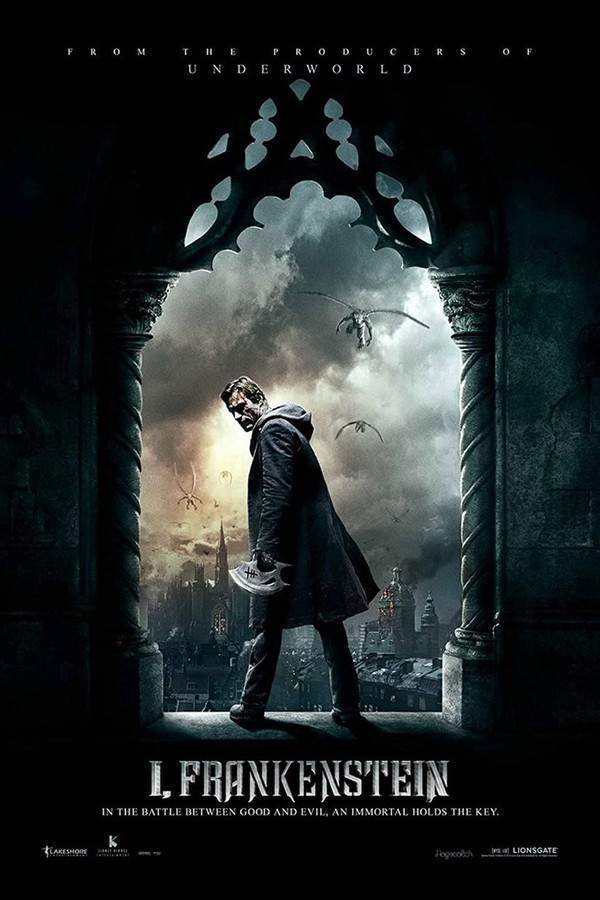
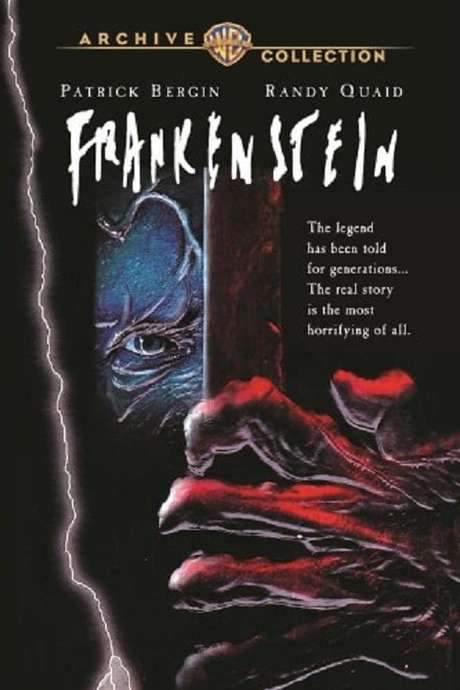
Frankenstein (1992) movie poster

Plot Summary

Frankenstein (1992) Plot Summary Explained

Release, runtime and language
1992 · 117 mins · English
Directed by
David Wickes
Starring
Lambert Wilson, Randy Quaid, John Mills, Patrick Bergin, Vernon Dobtcheff, Michael Gothard

Dr. Frankenstein unlocks life's secret to create a perfect, disease‑immune man. The experiment fails and his monstrous creation flees into the night. Assuming it will die, he later learns it survived and pursues it to the Arctic, where creator and creation clash in a deadly struggle for mastery over each other's fate.

On this page (6)
  1. 1 What happens: full plot
  2. 2 Plot questions answered
  3. 3 The book behind the movie
  4. 4 Movie threads
  5. 5 Movies like Frankenstein
  6. 6 Every angle

Full plot summary · contains spoilers

What Happens in Frankenstein: Full Plot Summary

The whole story of Frankenstein (1992) explained, from the opening scene to the final frame: every key event, every twist and what it all adds up to. Read it as a quick recap before the sequel, to check a scene you missed, or to finally understand what really happened.

In the year 1795, Dr. Victor Frankenstein embarks on a daring experiment that results in the creation of a monster by assembling parts from various corpses and reanimating them through a scientific process. When Frankenstein sees the horrifying result of his work, he is overcome with horror and seeks to destroy his creation. Despite his efforts, the creature, which he later names Adam, survives and sets off a tragic chain of events that lead to the murder of his wife, Elizabeth. Driven by grief and guilt, Frankenstein chases Adam to the icy wilderness of the Arctic, where he succumbs to the freezing cold, leaving Adam alone.

The creature, now burdened by the loss and its own existence, returns to Frankenstein’s home to bury his creator. However, it is ambushed by demons, and just when all hope seems lost, it is rescued by two mystical beings, Ophir and Keziah, who are gargoyles. These gargoyles bring Adam to a cathedral, where he meets the proud Leonore, the incredible queen of the gargoyles, and her second-in-command, Gideon. Leonore explains that they were created by the Archangel Michael to battle demons and protect humankind. She christens the creature "Adam" and offers him the chance to join their cause, but he chooses to decline, feeling he must forge his own path.

Leonore equips Adam with baton-like weapons engraved with the symbol of the Gargoyle Order. These weapons grant him the power to "descend" demons — destroying their physical form and trapping their spirits in Hell. From then on, Adam operates as a lone guardian, living in solitude for over 200 years. During this time, he actively hunts and kills demons that pursue him, always hiding from any threat.

As centuries pass, Adam makes a decision to re-engage with society in modern times, confronting a formidable group of demons. The encounter turns violent, resulting in the death of a police officer, which prompts Adam to be summoned back to the gargoyle community to face punishment. His exile is short-lived, however, as a demon, Helek, who survived Adam's previous attack, informs his master, the demon prince Naberius, of Adam’s resurrection. Naberius, who is cleverly disguised as a wealthy businessman named Charles Wessex, enlists scientists Terra Wade and Carl Avery in experiments to bring the dead back to life.

Naberius dispatches a team of demons led by his most powerful warrior, Zuriel, to attack the gargoyle cathedral and capture Adam. During the assault, many gargoyles, including Ophir and Keziah, are "ascended" and return to Heaven, while others are slain. Zuriel manages to kidnap Leonore and take her to an abandoned theater. Adam, interrogating a captured demon, learns that the demons aimed to trap the gargoyles into a trade: Adam for Leonore. Despite the threat, Adam escapes, and the gargoyles attempt to trade Frankenstein's journal—found on Doctor Victor Frankenstein's body—for Leonore.

The journal, containing secrets about reanimation, is handed over to Zuriel, but Adam follows him to the Wessex Institute, where he uncovers a sinister plot. Naberius intends to harness the power of reanimated corpses to create an army of demonic hosts capable of devastating humanity. He plans to resurrect Frankenstein’s experiments on a massive scale, reanimating countless dead bodies underground. Adam retrieves the journal, seeking help from Terra, and escapes a brutal attack by Zuriel.

He then awakens to the full scope of Naberius' plans: the demon prince’s goal is to merge the powers of the reanimated dead and demons to obliterate mankind. Adam fights his way back into the institute to rescue Terra, who has been kidnapped and is being forced to activate the reanimation process. Naberius attempts to possess Adam with a demon spirit, but the creature’s developing soul resists — demonstrating its unique nature. In a decisive act, Adam carves the Gargoyle Order's symbol onto Naberius, sending him into hell. The collapsing institute marks the climax of their battle, destroying the demonic army and ending Naberius' plans.

In the aftermath, Leonore rescues Adam and Terra from falling into the abyss, and they return to the cathedral. Leonore forgives Adam for the death of Gideon, his loyal gargoyle companion. As the story concludes, Adam bids farewell to Terra, acknowledging that his mission isn’t over, and he vows to continue defending the world from demonic threats. He narrates with conviction, "I will continue to stand as Frankenstein, a guardian of humanity," signaling his new identity and purpose. Despite the darkness he faces, Adam remains steadfast in his resolve to protect humankind from the eternal threat of demons.
Last updated: August 19, 2025 at 05:14

Was this helpful?

Plot questions answered

Frankenstein Plot Explained: Your Questions Answered

The questions people ask most about Frankenstein (1992): what happens in the confusing scenes, why the characters do what they do, the twists, hidden details and what the ending means. Each answer contains spoilers.

Q1

Why was Victor Frankenstein horrified by his creation?

Victor Frankenstein was horrified because the creature he assembled from various corpse parts was physically grotesque and monstrous in appearance. When he witnessed the result of his reanimation experiment, the sheer visual horror of what he had created overwhelmed him, and he immediately attempted to destroy it.

  • victor frankenstein
  • monster creation
  • horror
  • reanimation
Q2

Why was the monster named Adam?

The gargoyle queen Leonore named the creature Adam when she first encountered him at the cathedral. The name was chosen to signify that he was the first of his kind, a new beginning, essentially treating him as the first human-like being created through Frankenstein's forbidden science.

  • adam
  • name
  • leonore
  • gargoyles
  • origin
Q3

What is the purpose of the gargoyles in the story?

The gargoyles were created by the Archangel Michael to battle demons and protect humankind. They serve as supernatural guardians who hunt demons, destroy their physical forms, and trap their spirits in Hell using special weapons engraved with their order's symbol.

  • gargoyles
  • archangel michael
  • demons
  • protection
  • heaven
Q4

Why did Adam decline joining the gargoyles initially?

Adam declined Leonore's offer to join the gargoyles because he wanted to forge his own path rather than belong to a community. Despite his loneliness, he felt he needed to determine his own destiny and purpose独立 rather than simply accept the role the gargoyles offered him.

  • adam
  • leonore
  • gargoyles
  • choice
  • independence
Q5

Why was Adam imprisoned by the gargoyles?

Adam was summoned back to the gargoyle community and imprisoned after a confrontation with demons in modern-day city streets resulted in the death of a police officer. The gargoyles held him accountable for this human casualty, leading to his imprisonment as punishment.

  • adam
  • imprisonment
  • police
  • demon
  • punishment
Q6

What was Naberius's plan to destroy humanity?

Naberius, a demon prince disguised as billionaire Charles Wessex, planned to harness the power of reanimation to create an army of demonic hosts. Using Frankenstein's journal containing the secrets of reanimation, he intended to resurrect countless dead bodies underground and merge them with demon spirits, creating a massive force capable of obliterating mankind.

Foreshadowing: The journal containing reanimation secrets was established as valuable early in the story when the gargoyles tried to trade it for Leonore.

  • naberius
  • demon army
  • reanimation
  • wessex institute
  • frankenstein journal
Q7

Why did the demons want Frankenstein's journal?

The demons wanted Frankenstein's journal because it contained the scientific secrets of reanimation, the precise method Victor Frankenstein used to create Adam. Naberius needed this knowledge to replicate the process on a massive scale and reanimate an army of corpses for his demonic forces.

Foreshadowing: The journal was recovered from Victor Frankenstein's body after his death in the Arctic.

  • frankenstein journal
  • reanimation
  • demons
  • secrets
  • naberius
Q8

How did Adam send Naberius to Hell?

Adam sent Naberius to Hell by carving the Gargoyle Order's symbol directly onto the demon prince's body. This act activated the gargoyles' power to 'descend' demons, destroying their physical form and trapping their spirits in Hell. The symbol's magic proved stronger than Naberius's ability to resist.

  • naberius
  • hell
  • descend
  • gargoyle symbol
  • defeat
Q9

Why did Adam choose to call himself Frankenstein at the end?

Adam chose to call himself Frankenstein to honor his creator, Victor Frankenstein, and to adopt a new identity as humanity's guardian. By taking this name, he acknowledged his origin while committing himself to the purpose of defending the world from demonic threats, effectively replacing his creator's legacy with his own.

  • adam
  • frankenstein
  • name
  • identity
  • guardian
  • purpose
Q10

What happened to Leonore after she was kidnapped?

Leonore was kidnapped by Zuriel and taken to an abandoned theater, where the demons planned to use her as leverage to force a trade for Adam. Adam eventually rescued her during the final battle at the Wessex Institute, and she later saved Adam and Terra from falling into the abyss when the institute collapsed.

  • leonore
  • kidnapped
  • theater
  • rescue
  • zuriel
Q11

Why did Adam trust Terra Wade despite her working for Naberius?

Adam trusted Terra Wade because she was secretly helping him from within Naberius's operation. Though she was coerced into working for the demon prince, she provided crucial assistance to Adam, helping him understand the full scope of Naberius's plan and aiding his escape. Her genuine opposition to Naberius's schemes earned Adam's trust.

Foreshadowing: Terra was a scientist working under Naberius but showed reluctance in the experiments.

  • terra wade
  • trust
  • scientist
  • naberius
  • assistance
Q12

Why was Adam immune to Naberius's possession attempt?

Adam was immune to Naberius's possession attempt because he possessed a developing soul, a unique trait that set him apart from ordinary reanimated corpses. While Naberius could easily possess regular dead bodies, Adam's soul actively resisted the demon spirit, preventing the possession from succeeding.

Foreshadowing: Adam's nature as Frankenstein's creation with genuine emotions and moral reasoning set him apart from the start.

  • adam
  • possession
  • soul
  • immunity
  • demon spirit
Q13

What happened to Gideon during the demon attack?

Gideon, Adam's loyal gargoyle companion, was killed during the demon attack on the cathedral led by Zuriel. Despite his death, Leonore forgave Adam for what happened, not holding him responsible for the loss of her second-in-command.

  • gideon
  • death
  • demon attack
  • forgiveness
  • leonore

Movie threads

More Movies Like Frankenstein, by Mood & Story

Curated lists built around what makes Frankenstein tick: the same mood, the same kind of story or the same emotional payoff. Each list explains why these movies belong together.

Gothic Tragic Monster Epics like Frankenstein

Stories of lonely, created beings battling their monstrous nature across epic timelines. If you liked the lonely, epic journey of the creature in Frankenstein, explore more movies like it. This collection features similar tragic monster tales with dark tones, heavy emotional weight, and stories of created beings seeking redemption and purpose against overwhelming odds.

  • gothic
  • melancholic
  • lonely
  • epic
  • tragic
  • desperate
  • Tone: dark, melancholic, bittersweet
  • Pacing: fast, epic span
Why these movies?

The story pattern: Narratives in this thread follow a being, often artificially created, who is cast out from society and must navigate a hostile world. Their journey is one of survival, self-discovery, and often a confrontation with their creator or the forces that made them. The plots are epic in scope, spanning significant time, and climax in a struggle for identity and mastery over their own fate, leading to bittersweet or poignant resolutions.

Why they belong together: These films are grouped by their shared focus on a monstrous yet sympathetic protagonist, a dark gothic atmosphere, and themes of creation, abandonment, and existential duty. They deliver a heavy, emotionally resonant experience centered on isolation and the search for meaning.

Science Gone Wrong Horror like Frankenstein

When ambition oversteps nature, leading to deadly consequences and a frantic pursuit. Movies like Frankenstein that explore the horror of unethical science. If you enjoyed the high-stakes chase and moral conflict between creator and creation, you'll find similar thrillers here about ambitious experiments spiraling into deadly chaos.

  • oppressive
  • desperate
  • chaotic
  • ethical dilemma
  • horrific
  • thrilling
  • Tone: dark, tense, desperate
  • Pacing: fast, urgent
Why these movies?

The story pattern: The narrative pattern begins with a brilliant but reckless scientist achieving a breakthrough that violates natural laws. The creation quickly turns into a threat, escaping control and forcing the creator into a frantic, often global pursuit to stop it. The story is driven by action, chases, and a final climactic confrontation that forces the creator to face the moral weight of their actions.

Why they belong together: These movies share a core plot of 'science gone wrong,' characterized by high intensity, fast pacing, and dark thematic explorations of responsibility and guilt. They deliver a consistent vibe of desperate urgency and the horrifying consequences of transcending human limits.

If you liked this

Movies Like Frankenstein

Similar movies to Frankenstein: the same genre, themes or kind of story. Each one comes with its own plot summary, timeline and ending explained.

Browse all movie summaries

Every angle

Frankenstein (1992) Explained: Plot, Timeline & Characters

Everything about Frankenstein in one place: what happens in the plot summary, the timeline in chronological order, the characters and meaning and a spoiler-free summary. What's After the Movie adds the cast, box office and post-credit scenes.

Coming soon on iOS and Android

The Plot Explained Movie Summary App

Plot summaries, endings explained and timelines on your phone. Catch up on any movie in minutes, save your favorites and never miss a twist again.

Be the first to know when we launch. Your email stays private, always.

Learn more about the app