Plot Explained Spoilers guaranteed!
Plot Explained

Browse by genre

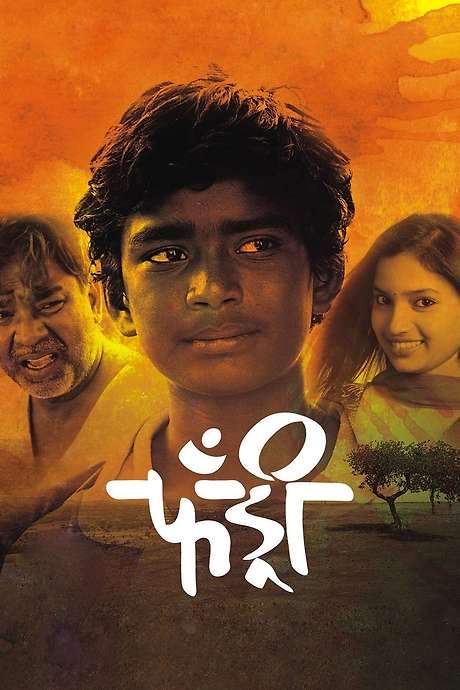
Fandry (2013) movie poster

Characters & Themes

Fandry (2013) Characters, Setting & Themes Explained

Release, runtime and language
2013 · 102 mins · Marathi
Loading streaming availability…
Starring
Jyoti Subhash, Chhaya Kadam, Kishore Kadam, Suhas Shirsat, Nagraj Popatrao Manjule, Rajeshwari Kharat

Set in modern-day India, this film follows Jabya, a Dalit teenager navigating the challenges of adolescence. He's deeply infatuated with Shalu, a classmate from a wealthier, upper-caste family, creating complications in his love life. Simultaneously, Jabya's family faces their own struggles, seeking to hunt a wild pig as a means of earning much-needed income. The story explores themes of caste, class, and the difficulties of pursuing love and survival in a restrictive social environment.

On this page (7)
  1. 1 Where to watch
  2. 2 Characters explained (4)
  3. 3 Where & when it takes place
  4. 4 Themes & meaning (3)
  5. 5 Character & meaning questions
  6. 6 Movie threads
  7. 7 Every angle
Loading streaming availability…

4 main characters · contains spoilers

Fandry Characters Explained: Who Is Who

The main characters of Fandry (2013), heroes and villains: what drives them, how they change over the course of the story and what each of them reveals about the film's bigger ideas.

  • Jabya (Somnath Awghade)

    A pre-teen from the Kaikadi community who navigates poverty, family duty, and the rigid caste hierarchy. He is drawn to education and harbors a quiet crush on Shalu, yet he is often constrained by fear and social stigma. Jabya embodies innocence and resilience, seeking dignity and opportunity beyond his village. His defiance grows as he confronts humiliation and asserts his own voice.

    • 🧒 Young protagonist
    • 🧭 Caste
    • 🎒 Education
  • Shalu (Rajeshwari Kharat)

    A forward-caste classmate who becomes the object of Jabya's quiet, unspoken crush. She represents a world beyond Jabya's immediate community, hinting at possibilities that remain out of reach within the caste system. Her limited portrayal reflects the social boundaries that shape her interactions with Jabya. She is a central catalyst for Jabya's emotional journey.

    • 💬 Crush
    • 🧭 Caste
    • 🎒 Education
  • Chankeshwar 'Chankya' Sathe (Nagraj Popatrao Manjule)

    A bicycle mechanic who once married into wealth but was torn away, leading him to renounce family life. He becomes Jabya's mentor, offering sympathy, spirituality, and a different lens through which to pursue dreams. He embodies a complex figure torn between tradition, belief, and the lure of freedom.

    • 🧭 Mentor
    • 🕊️ Spirituality
    • 📝 Guidance
  • Piraji 'Pirya' (Suraj Pawar)

    Jabya's school friend, a companion for long hours after class as they chase a black sparrow and dream of escape. He shares Jabya's sense of adventure while enduring the same social constraints. Their friendship frames the small, shared moments of resistance and hope.

    • 🧑‍🤝‍🧑 Friendship
    • 🧭 Caste
    • 🎒 Education

Last updated: October 03, 2025 at 06:40

Was this helpful?

Setting

Where and When Does Fandry Take Place?

The setting of Fandry (2013): the year and time period, the places and locations, and how they shape the characters, the mood and the tension of the story.

Time period

Location

Akolner

The film unfolds in the rural village of Akolner, where Jabya's Kaikadi family lives on the outskirts of a caste-segregated community. Upper-caste residents exercise control and social order through humiliation and everyday constraints. The setting centers on modest homes, hard labor, and the social boundaries that shape the characters' choices.

  • 🏞️ Rural
  • 🧭 Caste oppression
  • 🎒 Education

Last updated: October 03, 2025 at 06:40

Was this helpful?

3 major themes

Fandry Meaning: Themes & Message Explained

What is Fandry (2013) really about? The emotional, social and philosophical themes the film keeps returning to, its symbolism and the message beneath the surface.

  • Caste System

    Caste labels and power dynamics permeate every aspect of daily life in Fandry. The Kaikadi family faces systemic oppression, dowry pressures, and public shaming that constrain their future. Education and aspiration clash with ingrained hierarchies as Jabya longs for a different path. The narrative exposes how caste shapes who is permitted to dream and who is denied dignity.

  • Coming-of-Age

    Jabya's curiosity about school and his quiet crush on Shalu mark his passage from childhood into adolescence. The story follows his attempts to find a voice within a hostile social structure. A mentorship from Chankya offers a doorway to alternative visions of life, faith, and freedom. The coming-of-age arc is inseparable from the challenges of caste and poverty.

  • Defiance

    Jabya's final act of rebellion—defying taunts and hurling rocks at his oppressors—embodies resistance against dehumanization. The direct-breaking-of-the-fourth-wall moment forces the audience to confront cycles of oppression. The film proposes that resilience can be a political act, even in small, personal moments.

Last updated: October 03, 2025 at 06:40

Was this helpful?

Character & theme questions

Fandry Characters & Meaning: Your Questions Answered

The questions people ask about Fandry (2013): who the characters really are, their relationships, what the symbols mean, where it takes place and what the movie is really about. Each answer contains spoilers.

Q1

Where is the movie set?

The film takes place in Akolner, a rural village in India where Jabya's Kaikadi family lives on the outskirts of a caste-segregated community. This setting is central to the story, as the village represents a microcosm of rigid caste hierarchy and social boundaries that shape every character interaction. The modest homes and hard labor environment reflect the economic realities of Dalit families in rural Maharashtra.

  • akolner
  • village
  • rural setting
  • caste segregation
  • maharashtra
Q2

What is the Kaikadi community?

The Kaikadi is a Dalit community in Maharashtra that faces systemic oppression within India's caste hierarchy. In Fandry, Jabya's family belongs to this community and experiences daily humiliation and social constraints from upper-caste residents. The Kaikadi label itself represents the social stigma that limits their opportunities and dignity within Akolner's rigid social order.

  • kaikadi
  • dalit
  • caste
  • community
  • oppression
Q3

What does the film say about the caste system?

Fandry portrays how caste labels and power dynamics permeate every aspect of daily life, from education to marriage to economic opportunity. The Kaikadi family faces systemic oppression including dowry pressures and public shaming that constrain their future. The film argues that the caste system shapes who is permitted to dream and who is denied basic dignity, with even childhood aspirations colored by hierarchical limitations.

  • caste system
  • discrimination
  • social hierarchy
  • oppression
  • dalit rights
Q4

Who is Jabya and what represents him?

Jabya is a pre-teen boy from the Kaikadi community who serves as the film's protagonist navigating poverty, family duty, and rigid caste hierarchy. He embodies innocence and resilience, seeking dignity and opportunity beyond his village constraints. His character represents the struggles of countless Dalit children who aspire to education and a better life while facing everyday humiliation and social stigma.

  • jabya
  • protagonist
  • dalit boy
  • coming of age
Q5

Who is Chankya in the story?

Chankeshwar 'Chankya' Sathe is a bicycle mechanic who becomes Jabya's mentor throughout the film. He once married into wealth but was later torn away from that life, leading him to renounce family life entirely. Chankya offers Jabya sympathy, spirituality, and an alternative lens through which to pursue dreams, embodying a complex figure torn between tradition, belief, and the lure of freedom.

  • chankya
  • mentor
  • bicycle mechanic
  • spirituality
Q6

Who is Shalu and what role does she play?

Shalu is an upper-caste classmate who becomes the object of Jabya's quiet, unspoken crush. She represents a world beyond Jabya's immediate community, hinting at possibilities that remain structurally out of reach within the caste system. Though her portrayal is limited, she serves as a central catalyst for Jabya's emotional journey and highlights the class divisions that separate even childhood friendships.

  • shalu
  • upper caste
  • love interest
  • class division
Q7

What are the main themes explored in the film?

Fandry explores three interconnected themes: the Caste System's pervasive oppression, Coming-of-Age as Jabya navigates adolescence within hostile social structures, and Defiance as his final act of rebellion. These themes intertwine to show how a young Dalit's passage into adulthood is inseparable from the challenges of caste and poverty. The film argues that resilience itself can be a political act against dehumanization.

  • themes
  • caste
  • coming of age
  • defiance
  • rebellion
Q8

Why does Jabya's family want to hunt a pig?

Jabya's family seeks to hunt a wild pig as a means of earning much-needed income for their impoverished household. The pig hunt represents the desperate economic circumstances faced by Dalit families who have limited options for survival. This subplot underscores how economic desperation forces marginalized communities into occupations that further stigmatize them within the caste hierarchy.

  • pig hunt
  • economic struggle
  • poverty
  • survival
Q9

When does the story take place?

The film is set in modern-day India, though no specific year is given. The contemporary setting is indicated by references to school education, bicycles, and everyday social dynamics that reflect present-day rural Maharashtra. This modern context emphasizes that caste-based oppression remains active and relevant in contemporary Indian society rather than being purely historical.

  • modern day
  • contemporary
  • time period
  • rural india
Q10

What is the significance of the black sparrow?

Jabya and his friend Pirya spend hours chasing a black sparrow, which symbolizes their shared dreams of escape and freedom from village constraints. The sparrow represents the unattainable aspirations that children from marginalized communities chase, even when escape seems impossible. This subplot frames the small, shared moments of resistance and hope that exist alongside systemic oppression.

  • black sparrow
  • freedom
  • dreams
  • escape
  • symbolism
Q11

What does the ending represent?

The ending features Jabya's final act of rebellion where he defies taunts and hurls rocks at his oppressors, breaking the fourth wall to confront the audience directly. This moment embodies resistance against dehumanization and proposes that resilience can be a political act in even small, personal moments. The bittersweet conclusion carries defiant resistance rather than pure hopelessness, leaving audiences with a powerful message about human dignity.

  • ending
  • rebellion
  • resistance
  • defiance
  • dignity
Q12

What is the message or takeaway from Fandry?

Fandry delivers a powerful message about the human cost of caste discrimination and the quiet resilience of those who resist it. The film shows how oppressive systems impact even the youngest members of society while highlighting the possibility of defiance, however small. Ultimately, it argues that dignity cannot be fully suppressed, and that speaking out against injustice, even from a position of extreme vulnerability, represents a profound act of self-affirmation.

  • message
  • social commentary
  • dignity
  • human rights
  • activism

Movie threads

More Movies Like Fandry, by Mood & Story

Curated lists built around what makes Fandry tick: the same mood, the same kind of story or the same emotional payoff. Each list explains why these movies belong together.

Defiant social dramas like Fandry

Stories of systemic oppression that build to a raw, emotional climax of resistance. If you liked Fandry's raw portrayal of caste discrimination and its powerful climax, explore more movies like it. This collection features emotionally heavy, steady-paced dramas about characters facing systemic injustice, culminating in moments of rebellion. These films share a dark tone and a bittersweet, defiant feel.

  • defiant
  • oppressive
  • desperate
  • melancholic
  • harsh
  • anxious
  • Tone: dark, defiant, melancholic
  • Pacing: steady, methodical build
Why these movies?

The story pattern: These narratives typically follow a protagonist's gradual awakening to an oppressive system, charting their daily humiliations and internal struggles. The conflict often escalates from personal slights to a fundamental challenge of the social order, culminating in a symbolic or literal act of rebellion that provides catharsis but rarely a simple victory.

Why they belong together: Movies are grouped here because they share a commitment to social realism, a dark and heavy tone, and a specific emotional arc: from oppression to defiance. They balance a bleak setting with a core of human resilience, offering a similar viewing experience of methodical tension building towards a raw, emotionally charged release.


Bleak coming-of-age stories like Fandry

Young protagonists whose innocence is shattered by brutal societal truths. For viewers who appreciated Fandry's portrayal of Jabya's painful awakening, this list gathers similar movies about young people facing harsh realities. These films explore how social injustice, poverty, or discrimination shape a brutal coming-of-age experience, featuring straightforward narratives with a heavy emotional weight and bittersweet endings.

  • bleak
  • melancholic
  • desperate
  • harsh
  • anxious
  • painful
  • Tone: dark, melancholic, harsh
  • Pacing: steady, character-driven
Why these movies?

The story pattern: The narrative follows a young protagonist, often from a marginalized background, as their personal desires (like a first crush) collide with immutable social barriers. Their journey is a painful education, where idealism is replaced by a stark understanding of their place in a hierarchical society. The ending is typically bittersweet, marking a loss of innocence but also the birth of a hardened awareness.

Why they belong together: These films are connected by their central focus on a young character's traumatic awakening to societal injustice. They share a heavy emotional weight, a straightforward narrative told from the protagonist's perspective, and a tone that is dark and melancholic. The experience is defined by the poignant clash between youthful hope and systemic oppression.

Every angle

Fandry (2013) Explained: Plot, Timeline & Characters

Everything about Fandry in one place: what happens in the plot summary, the timeline in chronological order, the characters and meaning and a spoiler-free summary. What's After the Movie adds the cast, box office and post-credit scenes.

Coming soon on iOS and Android

The Plot Explained Movie Summary App

Plot summaries, endings explained and timelines on your phone. Catch up on any movie in minutes, save your favorites and never miss a twist again.

Be the first to know when we launch. Your email stays private, always.

Learn more about the app