Plot Explained Spoilers guaranteed!
Plot Explained

Browse by genre

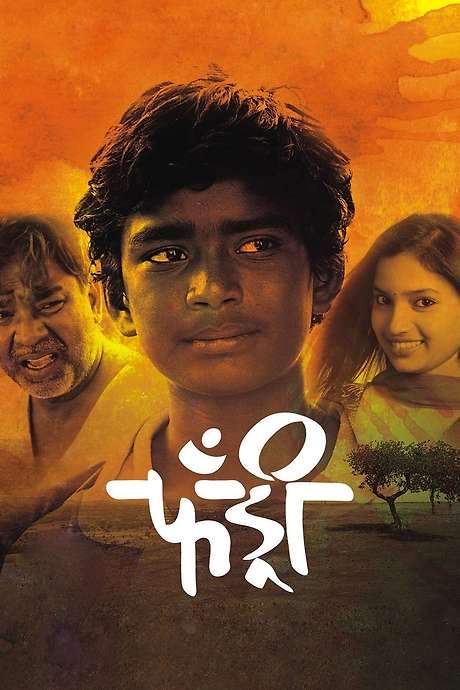
Fandry (2013) movie poster

Plot Summary

Fandry (2013) Plot Summary Explained

Release, runtime and language
2013 · 102 mins · Marathi
Loading streaming availability…
Starring
Jyoti Subhash, Chhaya Kadam, Kishore Kadam, Suhas Shirsat, Nagraj Popatrao Manjule, Rajeshwari Kharat

Set in modern-day India, this film follows Jabya, a Dalit teenager navigating the challenges of adolescence. He's deeply infatuated with Shalu, a classmate from a wealthier, upper-caste family, creating complications in his love life. Simultaneously, Jabya's family faces their own struggles, seeking to hunt a wild pig as a means of earning much-needed income. The story explores themes of caste, class, and the difficulties of pursuing love and survival in a restrictive social environment.

On this page (5)
  1. 1 Where to watch
  2. 2 What happens: full plot
  3. 3 Plot questions answered
  4. 4 Movie threads
  5. 5 Every angle
Loading streaming availability…

Full plot summary · contains spoilers

What Happens in Fandry: Full Plot Summary

The whole story of Fandry (2013) explained, from the opening scene to the final frame: every key event, every twist and what it all adds up to. Read it as a quick recap before the sequel, to check a scene you missed, or to finally understand what really happened.

In the village of Akolner, a pre-teen named Jabya Somnath Awghade Kachru Mane lives in a makeshift house on the outskirts of a caste-segregated community, sharing space with his parents and two older sisters, one of whom is a widow with a toddler. The family belongs to the Kaikadi community, an oppressed caste, and their everyday life is built around a string of menial jobs. Owing to the caste-ridden power structure, Jabya’s father projects fear and submission, a temperament that is veiled and exploited by the village’s upper-caste residents.

Jabya is drawn to school, where a one-sided crush grows on a forward-caste girl named Shalu Rajeshwari Kharat, a connection he has never spoken aloud but eagerly seeks to notice him in return. He and his school friend Pirya Suraj Pawar, armed with a slingshot, pass long hours after class chasing a black sparrow through the wilderness. The film repeatedly disperses two signals: the call of the red-wattled lapwing, known locally as titawi, said to foretell bad luck, and the striking, fork-tailed black sparrow that keeps appearing in their world.

Into Jabya’s life steps a bicycle mechanic named Chankya [Nagraj Popatrao Manjule], a man who once married a wealthy upper-caste woman only to have her brother violently take her away. Since that brutal episode, Chankya has renounced family life, leaning into spirituality, mysticism, and liquor. He becomes a mentor to Jabya, offering sympathy and a different lens through which Jabya can pursue his dreams.

Back at home, Jabya’s family endures ongoing exploitation and dehumanization from the villagers. A marriage proposal comes for Jabya’s sister, and the father undertakes to pay a dowry of ₹20,000 to the groom’s family, a financial strain that intensifies the family’s burden. A village order then assigns Jabya’s family the task of killing a rampaging pig, a duty that compels them to perform in front of Jabya’s classmates, including Shalu, heightening Jabya’s embarrassment.

The moment of crisis arrives when the embarrassment becomes too much to bear. He hides in an alley, where the black sparrow reappears and the legend surfaces about ash that can hypnotize someone into loving the person who sprinkles it. Yet this magical notion remains only in Jabya’s dream—his father finds him, chases away the bird, and publicly disciplines him.

In the climactic sequence, the family successfully catches the pig, but the ensuing procession brings relentless taunts and jeers. The insults intensify, including the calling of Jabya “fandry,” a slur in the Kaikadi language. As anger boils over, Jabya erupts, abandoning the pig and hurling rocks at his oppressors. The final shot lingers on his defiant stance as he throws a rock directly at the camera, a deliberate break of the fourth wall that leaves a piercing, unflinching moment for viewers to reflect on the cycles of oppression and resilience.
Last updated: October 03, 2025 at 06:48

Was this helpful?

Plot questions answered

Fandry Plot Explained: Your Questions Answered

The questions people ask most about Fandry (2013): what happens in the confusing scenes, why the characters do what they do, the twists, hidden details and what the ending means. Each answer contains spoilers.

Q1

Why is Jabya's family assigned to kill the pig in the village?

Jabya's Kaikadi family receives a village order to kill a rampaging pig because the upper-caste residents exploit the caste system's power dynamics to force oppressed Dalits into performing degrading tasks. This assignment is not about helping the community, it's a deliberate mechanism tohumiliate Jabya's family, especially when they are forced to carry out the task in front of Jabya's classmates, including Shalu, whom he admires.

Foreshadowing: Earlier scenes establish the Kaikadi community's menial status and how upper-caste villagers routinely assign them humiliating duties.

  • caste oppression
  • pig assignment
  • village hierarchy
  • humiliation
  • kaikadi
Q2

Why does Jabya attack the villagers with rocks during the procession?

Jabya erupts into violence after enduring relentless taunts and jeers from the village crowd during the pig procession. The tipping point comes when the villagers call him "fandry," a derogatory slur in the Kaikadi language that attacks his entire identity. The accumulated shame from public humiliations, his father's helplessness, and the systemic oppression he has witnessed throughout his life finally overcomes his patience, leading him to abandon the pig and throw rocks at his oppressors.

Foreshadowing: The buildup of Jabya's anger is visible in earlier scenes where he witnesses his father's submission and his family's constant degradation.

  • rebellion
  • anger
  • fandry slur
  • resistance
  • oppression
Q3

What does the word fandry mean in the movie?

Fandry is a slur in the Kaikadi language, used by upper-caste villagers to demean and belittle Jabya because of his Dalit identity. The slur represents the deeply ingrained caste discrimination that permeates every aspect of Jabya's life. When the crowd calls him "fandry" during the procession, it crystallizes the dehumanization he experiences daily, directly triggering his violent response.

Foreshadowing: The film establishes early on that Jabya's family belongs to the oppressed Kaikadi community and faces constant caste-based discrimination.

  • fandry meaning
  • caste slur
  • dalit discrimination
  • kaikadi
Q4

Why is Jabya attracted to Shalu despite the caste difference?

Jabya's attraction to Shalu, an upper-caste classmate, represents both normal adolescent curiosity and a deeper yearning for dignity and acceptance that his own caste denies him. He hopes she will notice him, which would validate his existence in a world that constantly tells him he is lesser. The romance is deliberately one-sided and unspoken, highlighting how even personal desires are constrained by rigid social boundaries.

Foreshadowing: Jabya's school scenes show him seeking Shalu's attention while being aware of the invisible lines separating their worlds.

  • jabya
  • shalu
  • caste love
  • unrequited love
  • adolescent crush
Q5

What does the black sparrow represent in Fandry?

The black sparrow appears repeatedly throughout the film as a symbol of hope, freedom, and escape from Jabya's oppressive reality. Jabya and his friend Pirya chase it with their slingshot, representing their longing for something beyond the village's rigid caste boundaries. In the alley scene, the sparrow's reappearance coincides with the magical legend about ash that can make someone fall in love, Jabya's desperate fantasy of winning Shalu's affection and escaping his circumstances.

Foreshadowing: The sparrow's recurring presence throughout the film establishes it as a persistent symbol of yearning and unreachable dreams.

  • black sparrow
  • symbolism
  • hope
  • freedom
  • omen
Q6

Why does Chankya mentor Jabya?

Chankya, a bicycle mechanic, becomes Jabya's mentor after experiencing similar oppression, hemarried an upper-caste woman whose brother violently took her away, leaving him traumatized. Since then, Chankya has renounced family life and turned to spirituality and alcohol. He sees in Jabya a younger version of himself and offers sympathy, guidance, and an alternative perspective that encourages Jabya to dream beyond the village's limitations, giving him hope amid despair.

Foreshadowing: Chankya's own tragic past is revealed through his conversations with Jabya, explaining why he is drawn to help the boy.

  • chankya
  • mentor
  • guidance
  • upper-caste wife
  • rejection
Q7

What finally triggers Jabya's act of rebellion?

Jabya's rebellion is triggered by the cumulative effect of multiple humiliations: the public pig-hunting assignment performed before his classmates, the constant taunting during the procession, and most critically, being called "fandry", a slur that attacks his core identity. When his father's submission fails to protect the family once again, Jabya reaches his breaking point and chooses to fight back physically rather than accept the degradation.

Foreshadowing: The alley scene earlier shows Jabya at his emotional limit, hiding from shame before his father scolds him, foreshadowing this later explosion.

  • breaking point
  • rebellion
  • humiliation
  • resistance
  • caste violence
Q8

Why is the dowry payment significant in the story?

The dowry of ₹20,000 for Jabya's sister represents the economic oppression that traps the family in poverty. The payment creates an enormous financial burden on a family already struggling to survive through menial jobs. This plot point highlights how caste discrimination operates through economic violence, poor Dalit families are drained financially by patriarchal customs, reinforcing their inability to escape social hierarchies.

Foreshadowing: The marriage proposal arrives early in the film, establishing the financial strain that compounds the family's daily struggles.

  • dowry
  • economic oppression
  • poverty
  • marriage
  • financial burden
Q9

What is the legend about ash that Jabya hears in the alley?

In the alley scene, Jabya encounters the black sparrow again and hears a legend about ash that can hypnotize someone into loving the person who sprinkles it. This magical notion represents Jabya's desperate fantasy of winning Shalu's love without confronting the impossible social barriers between them. However, the idea remains a dream, his father finds him, chases away the bird, and publicly rebukes him, crushing this brief escape into fantasy.

Foreshadowing: The sparrow has appeared multiple times before, always just out of reach, establishing this pattern of unattainable hope.

  • ash legend
  • magic
  • hypnosis
  • love spell
  • fantasy escape
Q10

Why does Jabya throw a rock at the camera at the end of the film?

Jabya throwing a rock directly at the camera is a deliberate fourth-wall break that forces viewers to confront their own role as observers to the oppression on screen. By breaking the cinematic barrier, the film implicates the audience in the cycle of witnessing injustice without acting. This powerful visual statement transforms viewers from passive observers into participants, challenging everyone to reflect on their relationship to caste discrimination and oppression.

Foreshadowing: The entire film has been building toward this confrontational moment, with Jabya's anger escalating throughout the procession scene.

  • fourth wall break
  • final shot
  • direct address
  • audience implication
  • symbolism

Movie threads

More Movies Like Fandry, by Mood & Story

Curated lists built around what makes Fandry tick: the same mood, the same kind of story or the same emotional payoff. Each list explains why these movies belong together.

Defiant social dramas like Fandry

Stories of systemic oppression that build to a raw, emotional climax of resistance. If you liked Fandry's raw portrayal of caste discrimination and its powerful climax, explore more movies like it. This collection features emotionally heavy, steady-paced dramas about characters facing systemic injustice, culminating in moments of rebellion. These films share a dark tone and a bittersweet, defiant feel.

  • defiant
  • oppressive
  • desperate
  • melancholic
  • harsh
  • anxious
  • Tone: dark, defiant, melancholic
  • Pacing: steady, methodical build
Why these movies?

The story pattern: These narratives typically follow a protagonist's gradual awakening to an oppressive system, charting their daily humiliations and internal struggles. The conflict often escalates from personal slights to a fundamental challenge of the social order, culminating in a symbolic or literal act of rebellion that provides catharsis but rarely a simple victory.

Why they belong together: Movies are grouped here because they share a commitment to social realism, a dark and heavy tone, and a specific emotional arc: from oppression to defiance. They balance a bleak setting with a core of human resilience, offering a similar viewing experience of methodical tension building towards a raw, emotionally charged release.

Bleak coming-of-age stories like Fandry

Young protagonists whose innocence is shattered by brutal societal truths. For viewers who appreciated Fandry's portrayal of Jabya's painful awakening, this list gathers similar movies about young people facing harsh realities. These films explore how social injustice, poverty, or discrimination shape a brutal coming-of-age experience, featuring straightforward narratives with a heavy emotional weight and bittersweet endings.

  • bleak
  • melancholic
  • desperate
  • harsh
  • anxious
  • painful
  • Tone: dark, melancholic, harsh
  • Pacing: steady, character-driven
Why these movies?

The story pattern: The narrative follows a young protagonist, often from a marginalized background, as their personal desires (like a first crush) collide with immutable social barriers. Their journey is a painful education, where idealism is replaced by a stark understanding of their place in a hierarchical society. The ending is typically bittersweet, marking a loss of innocence but also the birth of a hardened awareness.

Why they belong together: These films are connected by their central focus on a young character's traumatic awakening to societal injustice. They share a heavy emotional weight, a straightforward narrative told from the protagonist's perspective, and a tone that is dark and melancholic. The experience is defined by the poignant clash between youthful hope and systemic oppression.

Every angle

Fandry (2013) Explained: Plot, Timeline & Characters

Everything about Fandry in one place: what happens in the plot summary, the timeline in chronological order, the characters and meaning and a spoiler-free summary. What's After the Movie adds the cast, box office and post-credit scenes.

Coming soon on iOS and Android

The Plot Explained Movie Summary App

Plot summaries, endings explained and timelines on your phone. Catch up on any movie in minutes, save your favorites and never miss a twist again.

Be the first to know when we launch. Your email stays private, always.

Learn more about the app