Opening with archival footage from the documentary El Grito, the film situates the 1968 Mexican student movement within the broader history of state repression that culminated in the Tlatelolco massacre, setting a weighty historical backdrop for a personal quest for justice.
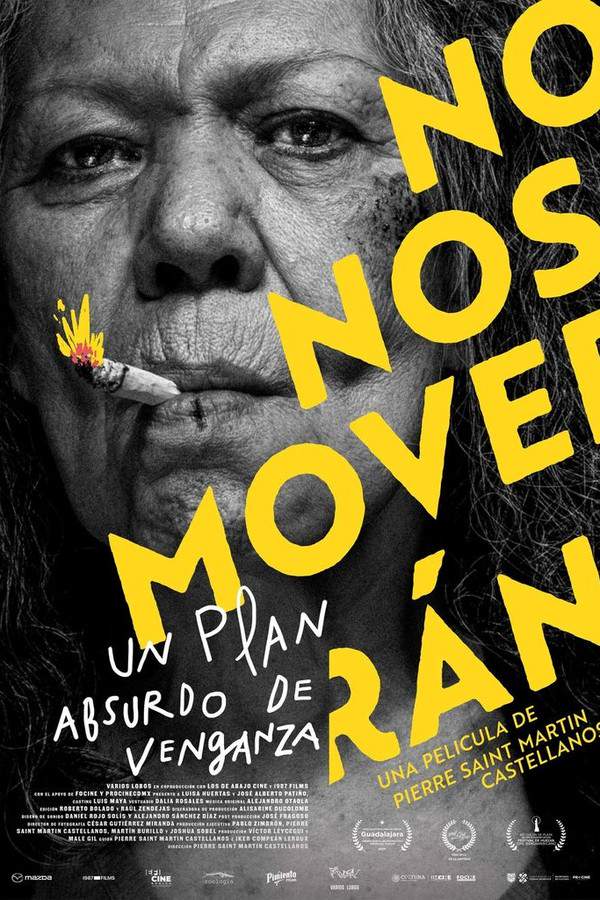
Socorro, Luisa Huertas in her sixties, is a seasoned lawyer who has spent decades trying to identify the soldier responsible for her brother Coque’s murder on October 2, 1968. Living in a quiet, tightly knit apartment in Tlatelolco with her sister Esperanza, she navigates strained ties with Esperanza and with her son Jorge, who carries the burden of her long-ignored trauma. There is a softer grove of warmth between Socorro and Jorge’s wife, Lucía, Agustina Quinci, a quiet beacon amid the storm of memories. On what would have been Coque’s seventy-fifth birthday, a long-lost package arrives and reveals the name of the soldier who appears in the final photograph of her brother before his death: Juan Agúndez.
Driven by a consuming sense of reckoning, Socorro tracks Agúndez with the help of the building’s porter, José Alberto Patiño who plays Siddartha. To push the plan forward, she coerces a former superior—now a magistrate in Mexico City—into providing contact information for a hitman. As her health betrays her—partial deafness and recurrent fainting spells—the burden of the plan grows heavier: she mortgages her apartment and arranges Agúndez’s kidnapping. Meanwhile, Lucía, who is pregnant and uncertain about her future due to Jorge’s instability, makes a painful choice to leave him and return to Argentina without disclosing the pregnancy.
When the accomplices falter, Socorro confronts the kidnapped man herself but collapses during the encounter. She wakes up in a hospital and soon learns that he is the one who brought her there. The two share a taxi, and he lays out his version of events. He denies being the soldier in the photograph, yet admits to having participated in the massacre under orders from a superior officer, even offering her a gun to kill him. Socorro refuses, insisting that true justice would have meant bringing him to prison.
Back at home, Socorro begins to mend the frayed threads of family life as she reconciles with Esperanza. The memory of Coque and the events of 1968 loom large as they reflect on the toll of a violence that fractured multiple generations. In a final act that blends memory and defiance, Socorro burns the photograph of her brother while singing No nos moverán, a gesture of resilience that closes the film with a quiet, stubborn hope.
The narrative weaves together personal grief and national history, showing how one woman’s pursuit of justice intersects with the destinies of those around her. The film remains intimate in its focus on legacy, guilt, and the possibility—and limits—of reparation within a society still haunted by the echoes of the 1968 movement. Through Socorro’s determined arc, viewers are invited to consider what justice means when legal avenues feel blocked, and to witness a restrained but powerful assertion of autonomy in the face of systemic memory and trauma.