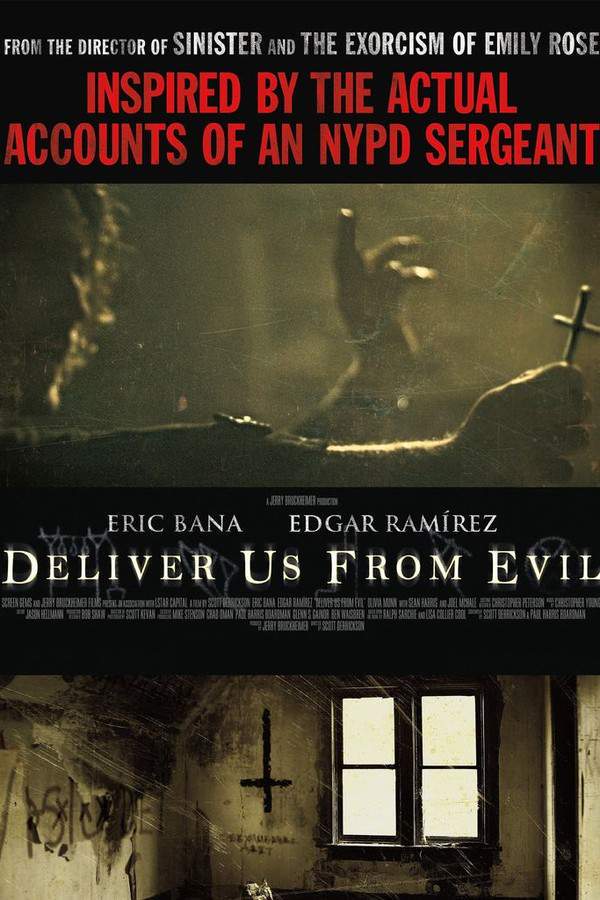
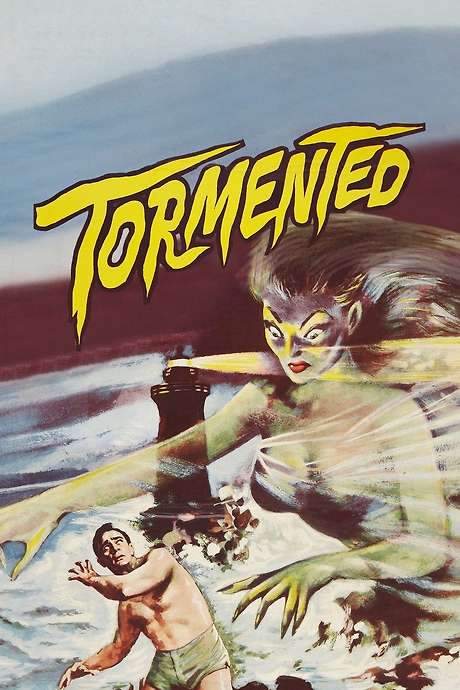
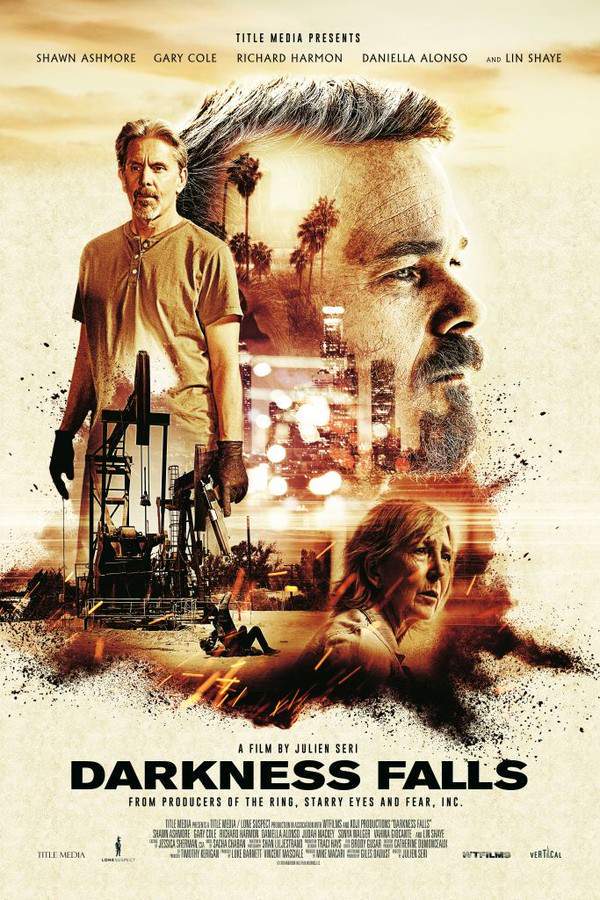
Plot Explained Spoilers guaranteed!
Plot Explained

Browse by genre

Fallen (1998) movie poster

Plot Summary

Fallen (1998) Plot Summary Explained

Release, runtime and language
1998 · 124 mins · English
JustWatch #469 97
Directed by
Gregory Hoblit
Starring
John Goodman, Donald Sutherland, James Gandolfini, Robert Joy, Denzel Washington, Barry Shabaka Henley

Detective John Hobbes, a homicide investigator, watches the execution of notorious serial killer Edgar Reese. Though Reese is dead, a fresh wave of murders erupts, each echoing the exact modus operandi that Reese perfected. Hobbes becomes obsessed with finding the source, convinced the killer he thought he’d already caught has somehow returned.

On this page (6)
  1. 1 Where to watch
  2. 2 What happens: full plot
  3. 3 Plot questions answered
  4. 4 Movie threads
  5. 5 Movies like Fallen
  6. 6 Every angle

Where to watch

Where to Watch Fallen (1998)

Where can you watch Fallen? Stream, rent or buy it in the US, including on Apple TV, YouTube Free and Amazon Video: current JustWatch availability with up-to-date prices.

Streaming availability powered by JustWatch

Full plot summary · contains spoilers

What Happens in Fallen: Full Plot Summary

The whole story of Fallen (1998) explained, from the opening scene to the final frame: every key event, every twist and what it all adds up to. Read it as a quick recap before the sequel, to check a scene you missed, or to finally understand what really happened.

Philadelphia detective John Hobbes Denzel Washington visits convicted serial killer Edgar Reese Elias Koteas on death row just before his execution. Reese arrives with an unsettling calm, grips Hobbes’ hand in a way that feels oddly intimate, and mutters what sounds like gibberish in an ancient tongue later identified as Syrian Aramaic. As the syringe finally empties, Reese taunts the witnesses and sings the Rolling Stones tune “Time Is on My Side,” a moment that will echo through the cases that follow.

What begins as a routine inquiry soon spirals into a brutal pattern: a string of murders that mirror Reese’s known offenses. Hobbes and his partner Jonesy John Goodman initially chalk it up to a copycat, chasing leads and trying to read a language that isn’t easily decoded. Their investigation leads them to Gretta Milano Embeth Davidtz, a woman whose late father, a respected detective, ended his life after being accused of occult-related killings similar to Reese’s. At the abandoned Milano family cabin, Hobbes uncovers a trove of occult texts and, beneath layers of paint in the basement, the name “Azazel” hidden away. The discovery raises the stakes and deepens the mystery.

Gretta warns Hobbes to walk away, but she soon reveals more: Azazel is a fallen angel who can possess humans through touch. The demon cannot possess Hobbes directly, she explains, but it can inhabit others and torment him by invading the lives of people around him. Hobbes quickly notices a chilling pattern—people he knows begin singing the same tune Reese sang. The haunting refrain becomes a taunt as Azazel hops from host to host, moving through the ranks of civilians and even members of law enforcement.

The danger intensifies when Azazel possesses Hobbes’ own nephew Sam [Michael J. Pagan], and then attacks Hobbes’ brother Art [Gabriel Casseus], who has an intellectual disability. The demon engineers a confrontation that forces Hobbes into a heartbreaking choice: he must shoot a possessed schoolteacher in front of witnesses. Testimonies, swayed by Azazel’s influence, threaten to ruin Hobbes’ career and life. Azazel then murders Art and marks Sam, prompting Hobbes to shelter his nephew with Gretta. She explains a crucial rule: if the demon is expelled from a host, it can only survive for the length of a single breath before dying.

Determined to end the menace, Hobbes lures Azazel back to the Milano cabin. Jonesy and Lieutenant Stanton Donald Sutherland arrive to seal the trap, but Jonesy—now under Azazel’s control—kills Stanton in a brutal contradiction of loyalty and order. In a desperate gamble, Hobbes plans to shoot himself so that Azazel will inhabit him, reasoning that the demon will die if stranded without another host. Jonesy is mortally wounded in their confrontation, and Hobbes reveals a poisoned preparation—the same toxin Azazel once used—to ensure the demon cannot survive long in a human host. After a tense struggle, Azazel enters Hobbes, but the poison swiftly destroys the demon.

In the final moment, the voiceover reveals Azazel’s defiant taunt: he ridicules the audience for thinking he is truly defeated. A cat creeps from beneath the cabin and wanders away—a grim hint that the demon may have survived by transferring into another creature. The credits roll to the strains of “Sympathy for the Devil,” leaving a lingering sense that evil, once unleashed, can slip away into the shadows, waiting for another breath to return.

Last updated: October 05, 2025 at 11:34

Was this helpful?

Plot questions answered

Fallen Plot Explained: Your Questions Answered

The questions people ask most about Fallen (1998): what happens in the confusing scenes, why the characters do what they do, the twists, hidden details and what the ending means. Each answer contains spoilers.

Q1

How does Azazel possess humans in the movie?

Azazel, a fallen angel, can possess humans through direct physical touch. When he touches someone, he can inhabit their body and control their actions. This ability makes him extremely dangerous as he can move invisibly through society, infiltrating the lives of those around Detective Hobbes. The demon uses this power to manipulate people close to Hobbes, turning allies into potential threats.

Foreshadowing: Earlier, Edgar Reese grips Hobbes' hand in an oddly intimate way during his final visit, suggesting the initial contact that enables possession.

  • possession
  • demon
  • touch
  • azazel
  • fallen angel
Q2

Why can't Azazel possess Detective Hobbes directly?

Gretta Milano explains that Azazel cannot possess John Hobbes directly. While the exact reason isn't fully detailed in the film, this limitation becomes central to the demon's strategy of tormenting Hobbes by invading the lives of people around him instead. This forces Hobbes to watch helplessly as the demon uses his loved ones as vessels.

Foreshadowing: This limitation is established early when Gretta warns Hobbes that the demon will try to ruin him by going after those he cares about.

  • possession
  • hobbes
  • azazel
  • gretta
  • milano
Q3

What happens when Azazel is expelled from a host body?

If Azazel is forcibly expelled from a host body, he can only survive for the length of a single breath before dying. This rule becomes crucial to Hobbes' plan at the climax. By creating a situation where the demon must leave its current host without immediately finding a new one, the demon can be killed. This is why Hobbes shoots himself, to trap Azazel in a dying body with no other hosts available.

Foreshadowing: Gretta explains this rule after Azazel begins targeting Hobbes' family, setting up the final confrontation strategy.

  • host
  • demon
  • breath
  • expelled
  • azazel
Q4

Why do the people Hobbes knows start singing "Time Is on My Side"?

The Rolling Stones song "Time Is on My Side" becomes Azazel's signature taunt. Edgar Reese sang it during his execution, and the demon uses this same tune to mock Hobbes as it jumps between hosts. Each time someone Hobbes encounters begins singing it, it signals that Azazel has possessed them, turning the song into a chilling reminder that the demon is always nearby and in control.

Foreshadowing: Reese sings the song while being executed, establishing it as the demon's calling card throughout the film.

  • time is on my side
  • song
  • taunt
  • possession
  • ree​se
Q5

Why does Azazel kill Hobbes' brother Art?

Azazel murders Art, Hobbes' brother who has an intellectual disability, as part of the demon's systematic campaign to destroy Hobbes emotionally. The demon marks Sam as well, threatening the entire family. By killing Art and attacking vulnerable family members, Azazel forces Hobbes into increasingly desperate situations, ultimately engineering the confrontation where Hobbes must shoot a possessed schoolteacher in public.

Foreshadowing: The demon's pattern of targeting those close to Hobbes escalates from acquaintances to family members.

  • art
  • sam
  • brother
  • nephew
  • murder
  • family
Q6

How does Hobbes plan to kill Azazel at the cabin?

Hobbes devises a desperate trap at the Milano cabin. Knowing Azazel must always find a new host to survive, Hobbes poisons himself with the same toxin the demon once used. When Jonesy is possessed and kills Lieutenant Stanton, Hobbes shoots himself, forcing Azazel to inhabit his dying body. The poison then kills the demon before it can escape to another host.

Foreshadowing: Gretta's explanation about the demon's one-breath survival limit forms the basis of this strategy.

  • cabin
  • poison
  • hobbes
  • jonesy
  • azazel
  • trap
Q7

Does Azazel really die at the end of Fallen?

Azazel appears to be defeated when the poison kills him inside Hobbes' body. However, the ending strongly implies the demon survived by transferring to the cat that emerges from beneath the cabin. The post-credits scene shows the cat walking away, and Azazel's voiceover taunts the audience about thinking he's truly defeated, suggesting evil can always find another vessel to inhabit.

Foreshadowing: The demon's voiceover at the end directly addresses the audience, questioning the assumption of his defeat.

  • ending
  • cat
  • survival
  • demon
  • defeated
  • post-credit
Q8

Why does Edgar Reese speak Syrian Aramaic before his execution?

Edgar Reese speaks Syrian Aramaic words during his execution as a summoning or binding ritual. The gibberish Hobbes initially dismisses is actually an ancient language tied to demonic summoning. This detail connects Reese to the supernatural forces behind the murders and establishes that the serial killer was either possessed by or consciously working with Azazel.

Foreshadowing: The Aramaic phrase is later identified at the Milano cabin, revealing its true nature as occult terminology.

  • aramaic
  • execution
  • reebe
  • language
  • occult
Q9

Why does Jonesy kill Lieutenant Stanton at the cabin?

Jonesy becomes possessed by Azazel, which is why he kills Lieutenant Stanton during the final confrontation at the Milano cabin. The demon uses Jonesy as a weapon to eliminate law enforcement and create chaos. This betrayal highlights how Azazel can infiltrate even trusted allies, making it impossible for Hobbes to know who he can trust.

Foreshadowing: Throughout the film, the demon moves through various hosts in the police department, establishing that no one is safe from possession.

  • jonesy
  • stanton
  • possession
  • cabin
  • murder
  • betrayal
Q10

How does Azazel move between hosts in Fallen?

Azazel moves between hosts through physical touch. When he touches a new person, he leaves his current host and enters the new one. This explains why people around Hobbes suddenly begin singing "Time Is on My Side", they've been touched by the demon. The movement is instantaneous and allows Azazel to hop through dozens of people, from strangers to law enforcement to Hobbes' own family.

Foreshadowing: Edgar Reese's handshake with Hobbes during the execution visit demonstrates the first opportunity for the demon to transfer.

  • transfer
  • host
  • possess
  • touch
  • hops
  • demon

Movie threads

More Movies Like Fallen, by Mood & Story

Curated lists built around what makes Fallen tick: the same mood, the same kind of story or the same emotional payoff. Each list explains why these movies belong together.

Paranoid supernatural thrillers like Fallen

Protagonists hunting a malevolent, unseen force that outsmarts them at every turn. If you liked the tense hunt for a demonic entity in Fallen, you'll find similar stories here. These movies feature protagonists facing an ancient, unseen evil that toys with them, creating a pervasive atmosphere of dread and suspicion, much like the battle against Azazel.

  • paranoid
  • suspenseful
  • oppressive
  • atmospheric
  • fearful
  • haunting
  • Tone: dark, tense, paranoid
  • Pacing: steady, escalating
Why these movies?

The story pattern: The narrative follows a methodical investigation that slowly uncovers supernatural rules and a pervasive evil. The protagonist's logic and bravery are constantly challenged by an enemy that can possess others, creating a sense of betrayal and isolation. The journey is typically one of escalating psychological torment and high-stakes confrontation.
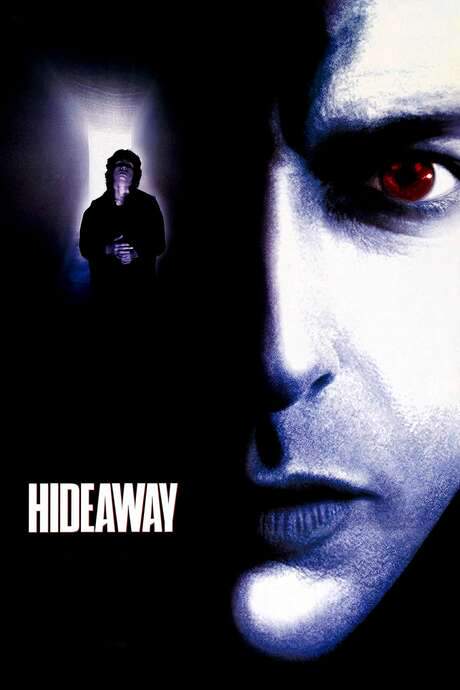
Why they belong together: Movies in this thread share a core premise of a rational protagonist confronting an irrational, powerful foe. They are united by a dark, oppressive tone, a steady pace of discovery, and the heavy emotional weight of fighting a battle that often costs the hero everything.

Atmospheric thrillers with slow burn dread like Fallen

Stories where a palpable sense of doom slowly consumes the characters. For viewers who appreciated the heavy, suspenseful atmosphere of Fallen, this thread collects movies with a similar vibe. These films use a steady pace to build palpable dread, focusing on psychological torment and a pervasive feeling of helplessness against a overwhelming force.

  • oppressive
  • suspenseful
  • atmospheric
  • haunting
  • melancholic
  • fearful
  • Tone: dark, melancholic, oppressive
  • Pacing: steady, slow burn
Why these movies?

The story pattern: The narrative unfolds with a deliberate pace, prioritizing mood and psychological tension over rapid plot twists. The protagonist's world gradually closes in as an external threat reveals its power, leading to a climactic confrontation that is emotionally and morally costly. The endings often leave a lingering sense of ambiguity or futility.

Why they belong together: These films are grouped by their shared commitment to building a specific mood—one of sustained tension, fear, and melancholic doom. They feature similar pacing, a dark tone, and a high level of intensity that comes from psychological pressure rather than constant action.

If you liked this

Movies Like Fallen

Similar movies to Fallen: the same genre, themes or kind of story. Each one comes with its own plot summary, timeline and ending explained.

Browse all movie summaries

Every angle

Fallen (1998) Explained: Plot, Timeline & Characters

Everything about Fallen in one place: what happens in the plot summary, the timeline in chronological order, the characters and meaning and a spoiler-free summary. What's After the Movie adds the cast, box office and post-credit scenes.

Coming soon on iOS and Android

The Plot Explained Movie Summary App

Plot summaries, endings explained and timelines on your phone. Catch up on any movie in minutes, save your favorites and never miss a twist again.

Be the first to know when we launch. Your email stays private, always.

Learn more about the app