Plot Explained Spoilers guaranteed!
Plot Explained

Browse by genre

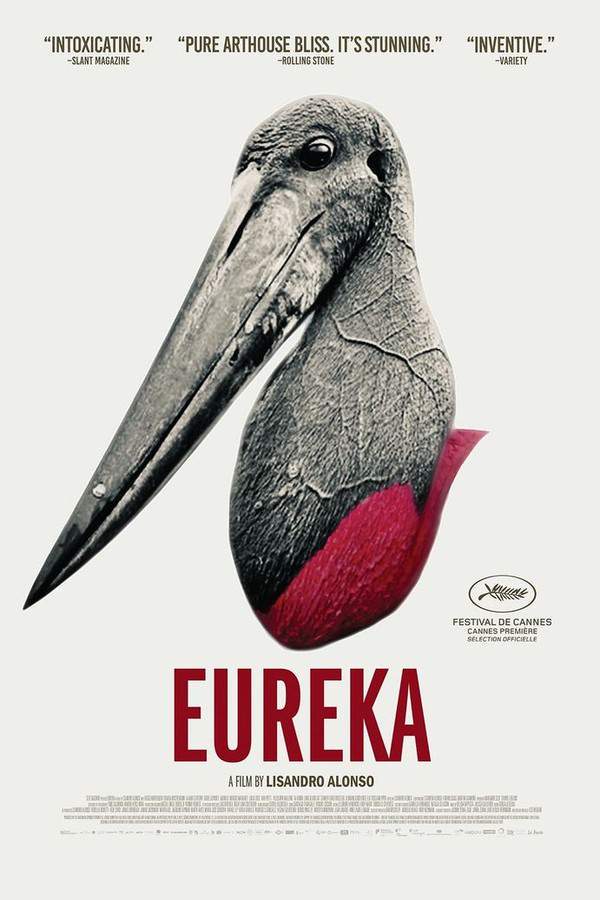
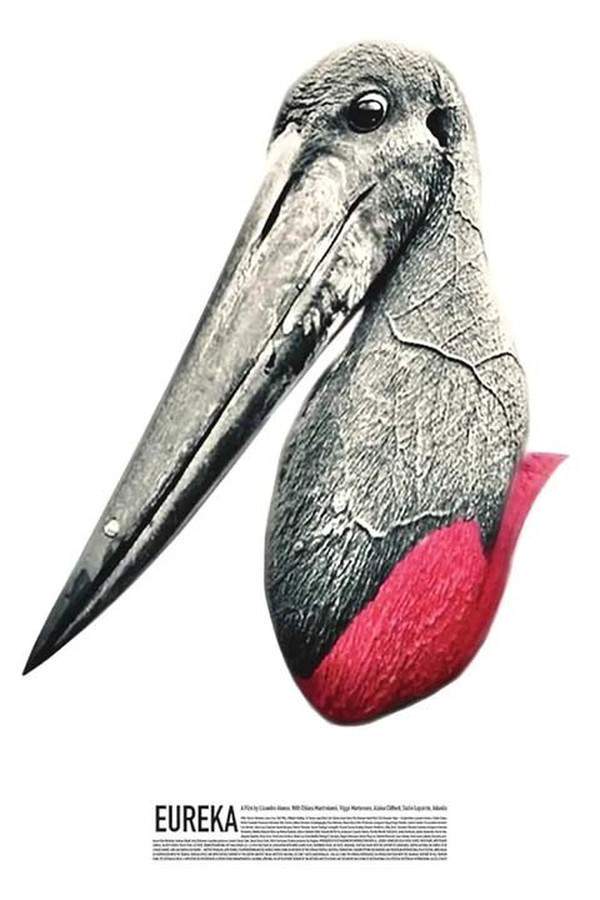
Eureka (2001) movie poster

Timeline

Eureka (2001) Timeline Explained – Every Event in Order

Release, runtime and language
2001 · 217 min · Spanish
Directed by
Shinji Aoyama
Starring
Aoi Miyazaki, Kôji Yakusho

In the harsh Yukon wilderness of 1925, prospector Jack McCann encounters Frieda, a clairvoyant madam, at a remote brothel. Sharing a profound connection, Frieda gives him a mysterious stone that promises gold. However, the gift also suggests a dark and unavoidable fate awaits him in the unforgiving landscape. He must confront both the allure of riches and the ominous prophecy that binds him.

On this page (5)
  1. 1 Events in order (14)
  2. 2 Timeline questions answered
  3. 3 Movie threads
  4. 4 Movies like Eureka
  5. 5 Every angle

14 events in order · contains spoilers

Eureka Timeline: Events in Chronological Order

Every key event of Eureka (2001) in order, scene by scene, with when and where it takes place. Use it to untangle flashbacks, time jumps and parallel storylines, to refresh your memory before the sequel or to find the exact scene you are thinking of.

  1. Hijacking on the bus; three survivors

    During a bus hijacking in rural Kyushu, a gunman takes control, but the three survivors escape unharmed. The act is not shown in detail, yet the incident triggers deep psychological wounds for Makoto, Naoki, and Kozue. The event marks the beginning of their long struggle to cope with trauma.

    When
    day of hijack
    Where
    on the hijacked bus, rural Kyushu
  2. Naoki and Kozue fall silent after the hijack

    Naoki and Kozue stop speaking and withdraw from school and parental life. They drift in a dissociated state within the family home, their behavior shaped by the trauma they endured. The collapse of normalcy around them deepens their isolation.

    When
    months after hijack
    Where
    family home
  3. Mother abandons the family

    Some time after the hijack, the children's mother leaves the family, further destabilizing the household. The split erodes any sense of stability the children once had. The home becomes a fragile shelter rather than a sanctuary.

    When
    months after hijack
    Where
    family home
  4. Father dies in a car crash

    Later, their father is killed in a car crash, with ambiguity around whether it was suicide. The loss intensifies the children’s sense of abandonment and danger surrounding their lives. The family is left with fewer supports as events spiral.

    When
    later
    Where
    family home / roadside
  5. Makoto abandons his ordinary life and hits the road

    Makoto cannot face normal life after the hijack and ventures back on the road. He travels away from the family home, seeking a way to cope with his trauma. His absence adds strain to the family as they try to endure without him.

    When
    after hijack; some time later
    Where
    on the road
  6. Makoto returns to an empty home and takes day-labor

    When Makoto returns, he finds his wife has left him, deepening his sense of failure. He cannot return to driving a bus and instead works as a day-laborer for an old school-friend. The household now includes his father and brothers, shifting the family dynamics.

    When
    after his road life; upon return
    Where
    family home
  7. Makoto moves in with Naoki and Kozue

    Makoto moves in with Naoki and Kozue, taking over housekeeping and ensuring they eat properly. The trio settles into a fragile, improvised family routine. Naoki remains largely mute while Kozue begins to speak a little again.

    When
    after return
    Where
    family home
  8. Detective harasses Makoto

    The detective who handled the hijacking begins to pressure Makoto about a murder in the neighborhood, seemingly without solid evidence. The relentless questioning heightens tension within the makeshift family. Makoto's nerves fray as suspicion falls around him.

    When
    after Makoto returns
    Where
    local neighbourhood
  9. Cousin Akihiko arrives to help

    Akihiko, the older cousin, comes to stay and look after Naoki and Kozue. The four form a tense but functional arrangement, trying to keep order while the truth of their trauma lingers. Doubts and unease linger beneath the surface.

    When
    some time after detective harassment
    Where
    family home
  10. A new murder; plan to run away

    Another murder occurs, targeting a friend of Makoto. The suspect is arrested but released, and he shares a longing to return to driving and take everyone away from their troubles. He and Makoto begin to consider leaving their past behind for a fresh start.

    When
    after Akihiko arrives
    Where
    neighborhood / island
  11. They buy an old bus and set off

    They purchase an old bus and convert it into living space, beginning an extended tour around the island. The journey provides escape but also exposes underlying tensions, especially Naoki's growing disturbance. The road offers both freedom and fear.

    When
    shortly after plan
    Where
    around the island
  12. Naoki reveals himself as the killer; confrontation

    As the trip continues, Naoki is revealed to be the murderer. Makoto confronts him and convinces Naoki to surrender to the authorities. The confrontation marks a turning point, forcing the group to face consequences and seek some form of accountability.

    When
    mid-journey
    Where
    on the bus / island
  13. Makoto ejects Akihiko from the bus

    Makoto loses his temper with Akihiko's cynical outlook and throws him off the bus. The remaining trio continues the journey with fewer voices, tightening their bond in the wake of betrayal. The decision reflects Makoto's desire for a more honest path forward.

    When
    near end of journey
    Where
    on the road
  14. Reaching Kyushu's highest peak; color returns

    Makoto and Kozue reach the peak of Kyushu's highest mountain, where they realize they can face ordinary life again. The moment signals a shift in perception and marks the transition from sepia to color. The journey ends with a fragile sense of hopeful endurance.

    When
    end of journey
    Where
    highest mountain in Kyushu

Last updated: October 09, 2025 at 15:45

Was this helpful?

Timeline questions answered

Eureka Timeline Explained: Your Questions Answered

When does it happen, and why in that order? The questions people ask about the chronology of Eureka (2001): time jumps, flashbacks, cause and effect between scenes and the correct order of events, each answered with spoilers.

Q1

Why does Naoki stop speaking after the hijacking?

Naoki becomes mute as a psychological trauma response to the hijacking. Like his sister Kozue, he withdraws from the world and stops speaking entirely, a common dissociative reaction to witnessed violence. His muteness persists throughout much of the film, symbolizing the深度 of his psychological wounds.

  • naoki muteness
  • trauma response
  • bus hijack survivors
  • psychological trauma
Q2

What happens to Naoki and Kozue's parents?

After the hijacking, their mother abandons the family, leaving the children without maternal support. Their father later dies in a car crash, with ambiguity surrounding whether it was suicide or an accident. This double loss leaves Naoki and Kozue essentially orphaned, deepening their isolation.

Foreshadowing: The mother's departure is hinted at early as the family begins to fracture under the weight of collective trauma.

  • parents death
  • mother leaves
  • father car crash
  • family collapse
Q3

Who is the murderer in Eureka?

Naoki Tamura is the murderer. Throughout the bus journey, he becomes increasingly unsettled, and it is gradually revealed that he has committed the murders that have been haunting the community. Makoto ultimately confronts him and persuades him to surrender to authorities.

Foreshadowing: Naoki's growing agitation during the journey hints at his guilt, and his refusal to speak masks the weight of his actions.

  • naoki murderer
  • who kills
  • murder mystery
  • bus journey
Q4

Why does Naoki commit the murders?

The film does not explicitly state Naoki's motivation, but his actions appear connected to his trauma from the hijacking. The violence he witnessed seems to have awakened something destructive within him, and his murder spree represents a manifestation of his psychological breakdown rather than rational intent.

  • naoki motive
  • trauma and violence
  • psychological breakdown
Q5

Why does Makoto's wife leave him?

When Makoto returns home after struggling to cope with his trauma, he finds his wife has already left. The film implies that his inability to resume normal life and his psychological state drove her away, adding another layer of loss to his already fractured existence.

  • makoto wife
  • family loss
  • trauma impact relationships
Q6

Why does Makoto throw Akihiko off the bus?

Makoto ejects Akihiko from the bus due to his cynical, shallow outlook. Throughout the journey, Akihiko's负面 attitude and lack of genuine emotional support contrast with the fragile healing process Makoto, Kozue, and Naoki are undergoing. Makoto's decision represents his commitment to a more honest, grounded path forward.

Foreshadowing: Akihiko's dismissive behavior toward the others' trauma builds tension throughout the journey.

  • akihiko ejected
  • makoto breaks
  • bus journey conflict
Q7

What does the color shift at the end mean?

The film shifts from sepia to color when Makoto and Kozue reach Kyushu's highest mountain. This visual change symbolizes their potential for healing and reintegration into ordinary life. The color represents hope, renewal, and the possibility of moving beyond the traumatic memories that have defined their existence.

  • color shift
  • sepia to color
  • ending symbolism
  • hope
  • healing
Q8

Why do they decide to travel around the island?

The group decides to escape their troubled lives by purchasing an old bus and converting it into living quarters. The journey represents an attempt to leave behind their trauma, guilt, and the tensions binding them to their painful past. They hope that movement and distance might provide a path toward healing and a fresh start.

Foreshadowing: Earlier discussions about wanting to leave and return to driving establish their desire for escape.

  • bus journey
  • escape
  • road trip
  • healing journey
Q9

What does the detective want from Makoto?

The detective who handled the hijacking case persistently harasses Makoto about murders in the neighborhood, even though he has no solid evidence. This unrelenting questioning adds to Makoto's psychological burden and creates additional tension within the makeshift family, though the detective's true motivations remain unclear.

  • detective harassment
  • police investigation
  • neighborhood murders
Q10

Why does Kozue start speaking again?

Kozue begins to speak a little again while living with Makoto, representing a gradual return to connection and healing. Unlike Naoki, who remains mute, Kozue's speech recovery suggests she is processing her trauma more effectively, possibly due to the improvised family structure and Makoto's care.

  • kozue speech
  • trauma recovery
  • healing progress

Movie threads

More Movies Like Eureka, by Mood & Story

Curated lists built around what makes Eureka tick: the same mood, the same kind of story or the same emotional payoff. Each list explains why these movies belong together.

Quiet dramas about trauma and recovery like Eureka

Slow, meditative films about characters rebuilding their lives after profound loss. For viewers seeking movies like Eureka that explore the heavy, melancholic journey of overcoming trauma. These films share a slow, observational pace, a focus on emotional scars and survivor's guilt, and a narrative centered on the quiet process of rebuilding a life.

  • melancholic
  • somber
  • meditative
  • quiet
  • hushed
  • emotional
  • Tone: melancholic, somber, bittersweet
  • Pacing: slow, meditative, deliberate
Why these movies?

The story pattern: Stories in this thread typically follow a linear path centered on a character or small group navigating the emotional aftermath of a shared tragedy. The plot is often less about external events and more about the internal, psychological journey, marked by long silences, moments of introspection, and a gradual, often incomplete, move towards acceptance.

Why they belong together: These films are grouped by their shared commitment to portraying the weight of emotional trauma with restraint and authenticity. They prioritize mood and character depth over plot, resulting in a similarly heavy, somber, and meditative viewing experience.


Atmospheric slow-burn dramas with a mood like Eureka

Films where the quiet mood and immersive atmosphere are as important as the plot. If you liked the hushed, dreamlike, and observational mood of Eureka, explore these similar slow-burn dramas. These films share a focus on creating a powerful, often melancholic atmosphere, a restrained pace, and a sense of place that deeply influences the characters' journeys.

  • atmospheric
  • slow burn
  • dreamlike
  • hushed
  • observational
  • restrained
  • Tone: melancholic, dreamlike, observational
  • Pacing: slow, lingering, atmospheric
Why these movies?

The story pattern: Narratives in this thread are character-driven but are deeply intertwined with their environment. The plot unfolds gradually, allowing the audience to absorb the mood and setting. The story structure often feels more like a tone poem than a traditional plot, with emphasis on visual storytelling and emotional resonance over rapid events.

Why they belong together: These films are connected by their prioritization of mood and atmosphere. They create a cohesive, often somber or melancholic, feeling through a slow pace, restrained performances, and a focus on the sensory experience of the world they depict.

If you liked this

Movies Like Eureka

Similar movies to Eureka: the same genre, themes or kind of story. Each one comes with its own plot summary, timeline and ending explained.

Browse all movie summaries

Every angle

Eureka (2001) Explained: Plot, Timeline & Characters

Everything about Eureka in one place: what happens in the plot summary, the timeline in chronological order, the characters and meaning and a spoiler-free summary. What's After the Movie adds the cast, box office and post-credit scenes.

Coming soon on iOS and Android

The Plot Explained Movie Summary App

Plot summaries, endings explained and timelines on your phone. Catch up on any movie in minutes, save your favorites and never miss a twist again.

Be the first to know when we launch. Your email stays private, always.

Learn more about the app