Plot Explained Spoilers guaranteed!
Plot Explained

Browse by genre

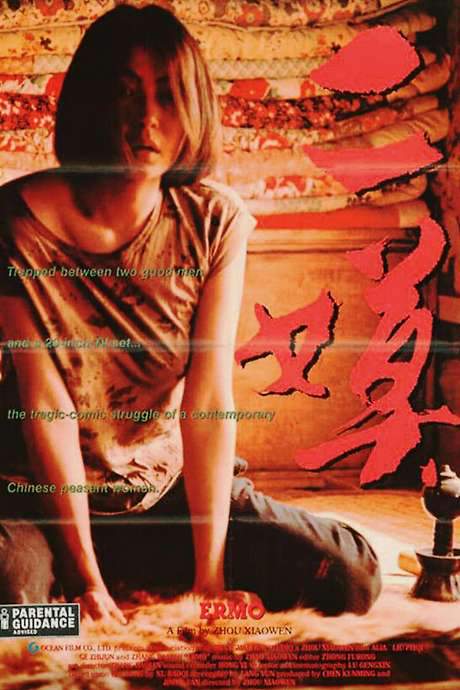
Ermo (1994) movie poster

Timeline

Ermo (1994) Timeline Explained – Every Event in Order

Release, runtime and language
1994 · 98 mins · Chinese
Loading streaming availability…
Directed by
Zhou Xiaowen
Starring
Liu Peiqi, Ai Liya, Ge Zhijun, Zhang Haiyan

Trapped between two men and a 29‑inch TV, Ermo, a humble noodle‑maker in a remote Chinese province, feels undervalued by family and friends. Determined to prove herself, she vows to bring home the largest, pricey TV she can find, selling noodles tirelessly to fund it. Her obsession highlights the clash between simple rural life and consumer ambition.

On this page (6)
  1. 1 Where to watch
  2. 2 Events in order (12)
  3. 3 Timeline questions answered
  4. 4 Movie threads
  5. 5 Movies like Ermo
  6. 6 Every angle
Loading streaming availability…

12 events in order · contains spoilers

Ermo Timeline: Events in Chronological Order

Every key event of Ermo (1994) in order, scene by scene, with when and where it takes place. Use it to untangle flashbacks, time jumps and parallel storylines, to refresh your memory before the sequel or to find the exact scene you are thinking of.

  1. Ermo's early life and family duty

    Ermo, a hardworking village woman in northern Hebei, makes twisty noodles to sustain her husband and child. She keeps up long hours of labor to ensure there is always food on the table. Her world is stable yet constrained by village life.

    When
    early in the reform era (late 1970s)
    Where
    Ermo's village, Hebei
  2. Neighbor's TV sparks a dream

    When a neighbor buys a brand new television, Ermo becomes consumed by the possibility of owning one herself. The shiny screen symbolizes modern aspirations beyond village life. This moment marks a shift from routine work to a personal dream.

    When
    early in the film
    Where
    Neighbor's house in the village
  3. Deciding to earn money for a bigger TV

    Driven by aspiration, Ermo resolves to earn enough money for the largest TV in the district. She contemplates leaving the village to work in the town and begins planning her path. Her determination marks the start of a profound transformation.

    When
    mid-reform era
    Where
    village and nearby town
  4. Selling blood to fund the dream

    To fund her ambition, Ermo leaves the village to work in the town and takes the drastic step of selling her blood. The physical toll is immediate and visible, reminding her of the price of modern dreams. The decision pushes her away from family and previous ways.

    When
    early in her town work
    Where
    Town
  5. Health and family strain

    Her intense work schedule drains her health and strains her relationships with family members. The husband clings to traditional roles and grows distant as Ermo pursues money. The child watches the changes with worry as the household frays.

    When
    mid-reform era
    Where
    Home village
  6. Becoming a savvy merchant and consumer

    As funds accumulate, Ermo gains confidence and becomes a shrewd merchant, while also embracing consumer culture. She admires Xiazi and the lifestyle represented by her neighbor, embracing a new economic mindset. The transformation marks a departure from her initial nurture role in the household.

    When
    mid-reform era
    Where
    Town market
  7. Husband's traditional role and village authority

    Her elder husband remains rooted in the Mao-era mindset, drinking traditional medicine and clinging to his status as village head. He resents the changes and sees himself sidelined by the new world. This dynamic highlights the widening gap between old values and modern capitalism.

    When
    mid to late reform era
    Where
    Village
  8. Attraction to Xiazi and capitalist lifestyle grows

    Ermo's attraction to Xiazi deepens as she witnesses a life powered by business acumen and consumer goods. The lure of capital and modern comforts competes with family obligations. This tension becomes a central emotional thread.

    When
    mid to late reform era
    Where
    Town market
  9. Satisfaction proves elusive in the race

    The film suggests that even the most capable capitalists do not find lasting satisfaction. Ermo's success cannot fill deeper needs for connection and meaning. The pursuit reveals the emptiness behind rapid modernization.

    When
    late reform era
    Where
    Various locations (village and town)
  10. Approaching the big purchase

    Ermo persists, culminating in the plan to buy the largest television in the district. Her persistence shapes village dynamics and signals a triumph of consumer aspiration. Yet the journey leaves her body and spirit exhausted.

    When
    late reform era
    Where
    District town
  11. Return to the village with the prize

    With the massive television in hand, Ermo returns to the village, presenting the symbol of modern success. The act gleams with pride, but also shows how far she has traveled from her original life. The village witnesses the sea change in her.

    When
    end of film
    Where
    Ermo's village
  12. The toll of the journey

    Despite the triumph, Ermo is mentally and physically drained by the effort she poured into the quest. The film closes on a quiet note: progress comes at a personal cost. Her family and village are left to confront the new reality of modernization.

    When
    end
    Where
    Village

Last updated: February 17, 2026 at 19:58

Was this helpful?

Timeline questions answered

Ermo Timeline Explained: Your Questions Answered

When does it happen, and why in that order? The questions people ask about the chronology of Ermo (1994): time jumps, flashbacks, cause and effect between scenes and the correct order of events, each answered with spoilers.

Q1

Why does Ermo become so obsessed with buying a television?

Ermo's obsession begins when her neighbor Xiazi buys a new TV. The television symbolizes a life beyond her modest routine, a glimpse of modern, urban prosperity that seems unattainable for a simple noodle-maker. Seeing the television ignites a desire for recognition and status within the village, making her feel that material success is the only way to prove her worth to family and neighbors.

Foreshadowing: Earlier scenes show Ermo working tirelessly yet feeling undervalued, setting the stage for her need for external validation.

  • television
  • obsession
  • aspiration
  • village life
  • consumer culture
Q2

Why does Ermo resort to selling her blood to earn money?

Ermo sells blood because she needs money quickly and has limited options as a rural woman. After leaving the village to work in town, she finds that ordinary labor cannot generate enough savings fast enough to meet her goal of buying the largest TV in the district. The decision represents the extreme physical toll of her ambition and highlights the desperation of those left behind in the economic race.

Foreshadowing: Her initial determination to 'earn enough money for the largest TV' foreshadows the drastic measures she will take.

  • selling blood
  • desperation
  • physical sacrifice
  • money
  • economic struggle
Q3

Why does Ermo leave her village to work in town?

Ermo leaves because village income from selling noodles is insufficient to fund her television dream. The reform era has opened opportunities in towns and cities, and she believes urban work can provide the faster income she needs. This departure marks her transition from a traditional village life to participating fully in the new market economy.

Foreshadowing: The timeline shows her decision to 'earn money for a bigger TV' directly precedes her departure to town.

  • village
  • town
  • migration
  • labor
  • economic opportunity
Q4

What causes the tension between Ermo and her husband Chief?

Chief represents old Mao-era values and clings to his status as village head, drinking traditional medicine and expecting his wife to maintain traditional gender roles. As Ermo becomes more ambitious and business-minded, she challenges this hierarchy. Her success in the marketplace and her growing attraction to Xiazi undermine Chief's authority, causing resentment and distance between them. The husband feels sidelined by the new economic order that Ermo embraces.

Foreshadowing: Chief's clinging to 'traditional medicine and asserting a status that once mattered' signals his resistance to change.

  • husband
  • marriage conflict
  • tradition
  • gender roles
  • social change
Q5

Why is Xiazi significant to Ermo's transformation?

Xiazi serves as the embodiment of the new capitalist lifestyle that Ermo desires. His successful purchase of a television marks the first time Ermo sees modern prosperity within reach. Through Xiazi, she learns business acumen and consumer culture. Her growing attraction to him represents both romantic interest and a deeper admiration for the lifestyle he represents, a stark contrast to her husband's outdated status.

Foreshadowing: The neighbor's new television immediately sparks Ermo's ambition in the early timeline.

  • Xiazi
  • neighbor
  • capitalist lifestyle
  • aspiration
  • role model
Q6

What does the large television represent in the story?

The television symbolizes modern success, recognition, and proof of worth in the new economic era. It represents victory in the 'race' that reform-era China has created, conquest, status, and the ability to provide for one's family in visible ways. Yet the film suggests the symbol is hollow; achieving the goal brings Ermo physical and emotional exhaustion rather than fulfillment.

Foreshadowing: The TV is repeatedly described as 'the largest in the district,' emphasizing status over substance.

  • television
  • symbol
  • status
  • consumerism
  • achievement
Q7

Why does Ermo's success not bring her satisfaction?

The film suggests that material success in the new economic order does not guarantee happiness or meaning. Ermo's relentless pursuit has cost her health, family bonds, and time with her child. The television cannot fill the emotional void created by her sacrifice. Even successful capitalists in the film 'do not find lasting satisfaction,' implying that the pursuit of wealth alone leaves deeper human needs unmet.

Foreshadowing: The note that 'satisfaction proves elusive in the race' directly foreshadows this outcome.

  • fulfillment
  • happiness
  • cost of success
  • emptiness
  • modernization
Q8

What is the physical and emotional cost of Ermo's pursuit?

Ermo pays a severe price: her health deteriorates from overwork and selling blood, her marriage strains as her husband grows distant, and her relationship with her child suffers. By the end, she is 'physically exhausted and emotionally drained,' carrying the weight of years of labor and risk. The film presents this as the inevitable toll of blindly pursuing material goals in a rapidly changing society.

Foreshadowing: The timeline explicitly notes 'health and family strain' as consequences of her intense work.

  • health
  • exhaustion
  • family
  • sacrifice
  • toll
Q9

Why does the film end with Ermo exhausted despite her triumph?

The ending reflects the film's bittersweet theme: progress comes at a personal cost. Ermo achieves her goal of buying the largest television, but the journey leaves her depleted. This contrast between external success and internal depletion critiques the idea that material achievement equals happiness. The ending forces viewers to question whether her triumph was worth the sacrifice.

Foreshadowing: The narrative consistently tracks the physical and emotional toll alongside her accumulating money.

  • ending
  • exhaustion
  • triumph
  • price of progress
  • sacrifice
Q10

What social changes does Ermo's story depict about China's reform era?

Ermo's story illustrates the shift from Mao-era communal values to capitalist ambition. The film contrasts those who 'dive headlong into a capitalist race' (like Ermo and Xiazi) with those who 'stay behind' (like Chief). It shows changing gender roles as Ermo becomes a shrewd merchant, the erosion of traditional village authority, and the tension between old hierarchies and new economic realities. The story explores how modernization creates both opportunity and displacement.

Foreshadowing: The meta notes explicitly reference 'sweeping changes in Chinese society during the reform era.'

  • reform era
  • China
  • capitalism
  • social change
  • modernization

Movie threads

More Movies Like Ermo, by Mood & Story

Curated lists built around what makes Ermo tick: the same mood, the same kind of story or the same emotional payoff. Each list explains why these movies belong together.

Obsessive ambition stories like Ermo

Pursuing a material goal reveals the emptiness of fulfillment. Movies like Ermo that explore the physical and emotional toll of a character's relentless pursuit of a material or social goal. If you enjoyed watching Ermo's journey, these films share stories of obsessive ambition and its consequences.

  • driven
  • obsessive
  • dissatisfied
  • conflicted
  • Tone: bittersweet, melancholic
  • Pacing: steady
Why these movies?

The story pattern: Characters embark on a tireless quest for a specific goal they believe will validate their worth or change their circumstances, often sacrificing relationships and well-being along the way.

Why they belong together: These films are grouped together because they feature protagonists consumed by a driving ambition that promises status or fulfillment, showcasing the physical and emotional costs of their relentless pursuit.

Films about marital strife like Ermo

Couples strained by personal ambitions and societal expectations. Movies similar to Ermo that depict marriages strained by ambition, financial struggles, or societal changes. If Ermo's portrayal of marital tension resonated with you, these stories explore relationships under pressure.

  • marital conflict
  • economic pressure
  • infidelity
  • family dynamics
  • Tone: tense, bittersweet
  • Pacing: steady
Why these movies?

The story pattern: Relationships are tested by one partner's personal ambitions, financial struggles, or the clash between traditional values and modern aspirations, often leading to emotional distance or infidelity.

Why they belong together: These films are connected by their focus on marital relationships strained by personal ambition, economic hardship, or the conflict between tradition and modernity, creating emotional tension.

If you liked this

Movies Like Ermo

Similar movies to Ermo: the same genre, themes or kind of story. Each one comes with its own plot summary, timeline and ending explained.

Browse all movie summaries

Every angle

Ermo (1994) Explained: Plot, Timeline & Characters

Everything about Ermo in one place: what happens in the plot summary, the timeline in chronological order, the characters and meaning and a spoiler-free summary. What's After the Movie adds the cast, box office and post-credit scenes.

Coming soon on iOS and Android

The Plot Explained Movie Summary App

Plot summaries, endings explained and timelines on your phone. Catch up on any movie in minutes, save your favorites and never miss a twist again.

Be the first to know when we launch. Your email stays private, always.

Learn more about the app