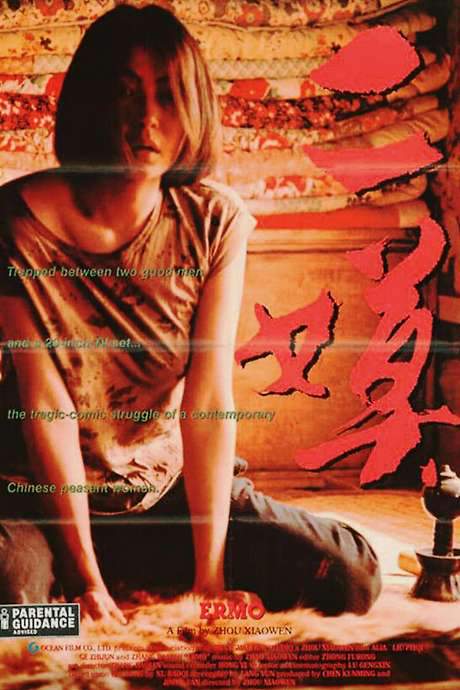
In a quiet, wind‑swept village tucked into the hills of Hebei, daily life moves to the rhythm of simple trades and age‑old customs. The modest homes and open fields bear witness to a China in transition, where the promise of prosperity flickers on the edge of every conversation. A sturdy, 29‑inch television glints in a neighbor’s window, its glow hinting at a world beyond the market stalls and the distant hum of the tractor.
Ermo, a diligent noodle‑maker, spends her days twisting dough into golden strands that sustain her husband and child. Though her work is steady, the quiet admiration she craves from family and friends feels just out of reach. The sight of that sleek screen ignites a fierce resolve: she will bring home the largest television the district can offer, believing that the object itself might validate her worth and place her squarely in the modern tide sweeping the countryside.
Across the lane, Xiazi, a neighbor whose entrepreneurial spirit already brushes against the new capitalist sensibility, embodies the alluring edge of ambition. His casual confidence and business‑oriented outlook contrast sharply with her husband’s more traditional, medicine‑laced ways, setting up a subtle tension that ripples through every shared glance and whispered comment. The village therefore becomes a microcosm of a broader cultural shift, where old hierarchies and emerging desires intersect in quiet, sometimes uneasy, ways.
The film’s tone is observational yet intimate, capturing the hushed murmurs of a community on the cusp of change while letting the audience feel the weight of Ermo’s quiet determination. Through careful framing and a restrained palette, the story invites viewers to contemplate how material longing can both illuminate and obscure the simple dignity of everyday labor, leaving a lingering sense of both hope and unease.