Year: 1999
Runtime: 126 min
Language: English
Director: Lasse Hallstrom
Budget: $24M
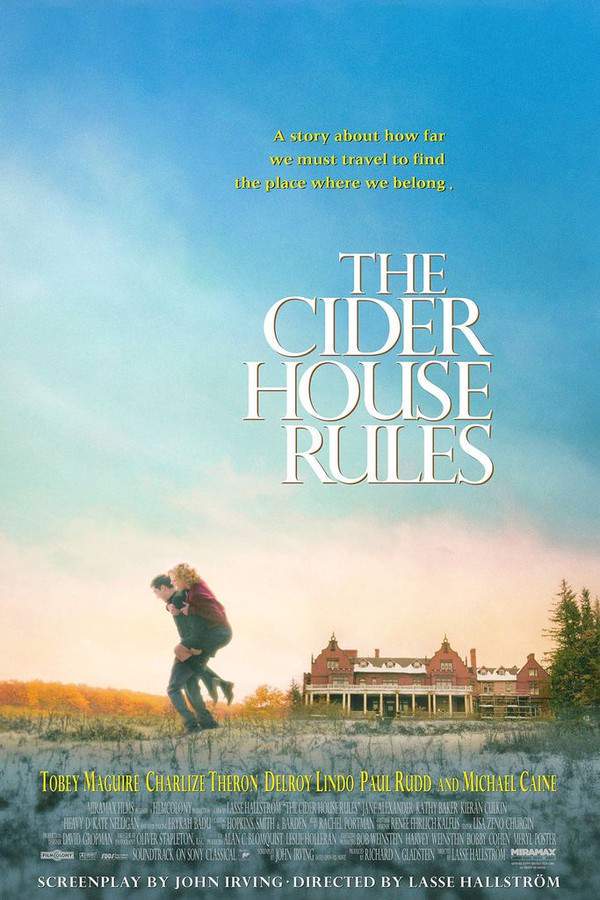
Orphaned as an infant, Homer Wells grows up at St. Cloud’s, an orphanage and infirmary, under the care of the kind and paternal Dr. Larch. As Homer matures into a young man, he learns about life, love, and loss while assisting Dr. Larch in performing abortions, a practice deemed illegal. Torn between his loyalty to St. Cloud’s and a desire to experience the wider world, Homer must ultimately decide where he truly belongs and what kind of man he wants to be.
Warning: spoilers below!
Haven’t seen The Cider House Rules yet? This summary contains major spoilers. Bookmark the page, watch the movie, and come back for the full breakdown. If you're ready, scroll on and relive the story!
Read the complete plot breakdown of The Cider House Rules (1999), including all key story events, major twists, and the ending explained in detail. Discover what really happened—and what it all means.
In the nurturing environment of St. Cloud’s orphanage, under the guidance of the kind yet troubled Dr. Wilbur Larch, a young man named Homer Wells blossoms. Having been returned twice by foster parents who found him too quiet or unable to meet their strict standards, Homer finds comfort in the makeshift family formed among the other children. Acting as an older brother, he cares for vulnerable souls like Fuzzy Stone, a fragile child born prematurely to a mother struggling with addiction, whose health issues necessitate his life within a plastic tent, reliant on a breathing apparatus.
As Homer matures, his intelligence and willingness to help draw the attention of Dr. Larch, who begins to mentor him in obstetrics and the sensitive realm of clandestine abortions. Despite the lack of formal training, Homer is taught the intricacies of these procedures, but he grapples with the moral conflict they evoke in him. His innate disapproval makes him reluctant to engage in these practices, even after having observed them for years. As his confidence grows, he yearns for the experiences that lie beyond the orphanage walls, seeking freedom from the world he has always known.
The arrival of Candy Kendall, accompanied by her boyfriend, Wally Worthington — a pilot on leave from the war — brings additional complexity to Homer’s life. After Dr. Larch performs an abortion, Homer’s uncertainty about his training deepens. Wally’s family owns the expansive Worthington apple orchard, where Homer eventually secures a job in the Cider House bunkhouse. As Wally heads back to fight in World War II, Homer is spared from military service thanks to Dr. Larch’s diagnosis of a heart condition, which sets him further adrift from the only home he’s ever truly known.
With Wally away at war, an undeniable connection begins to form between Homer and Candy, leading to a secretive affair that flourishes away from prying eyes. As Homer joins the ranks of migrant workers at the orchard, he toils during the autumn harvest, navigating the complexities of newfound regulations laid down by those distanced from their reality. When Homer reads the rules aloud, the workers realize these guidelines, crafted by outsiders, are irrelevant to their lives, prompting them to disregard these arbitrary constraints. Amid this atmosphere of prohibited romance and burgeoning rebellion, Homer and Candy discover solace and intimacy in each other’s arms while Wally fights thousands of miles away.
Back at St. Cloud’s, tragedy strikes with the loss of Fuzzy Stone, who passes away while watching King Kong with Dr. Larch. The weight of this loss bears heavily on Larch, who tries to shield the other children from heartache by concocting a lie about Fuzzy’s fate, claiming he has been adopted, although the story rings hollow.
When the fall harvest season arrives again with Arthur Rose and his team, Homer learns that Rose’s daughter has become pregnant by none other than her father. Disturbed by this revelation, Candy pressures Arthur to assist in an abortion, which he reluctantly agrees to facilitate. In a tragic turn of events, Rose’s desperate escape attempt is foiled when Arthur, begging her to say goodbye, is stabbed before she flees, leaving behind a request for Homer and another worker to present his death as a suicide.
As Wally returns from the war, now a paraplegic, he finds himself forever changed. Even though Candy’s heart still leans towards Homer, she commits herself to caring for Wally. Soon after, news arrives of Dr. Larch’s accidental death due to an ether overdose, which adds further complexity to the turbulent emotions surrounding the orphanage.
Upon his return to St. Cloud’s, Homer is welcomed with joy, yet he soon uncovers a maze of secrets from Dr. Larch. He learns that Larch not only fabricated his medical history to keep him from the draft but also falsified his credentials and used reverse psychology to prepare him for leadership at the orphanage. Stepping into this new role with determination, Homer stands before the children of St. Cloud’s and declares:
“Good night, you Princes of Maine! You Kings of New England!”
Last Updated: November 21, 2024 at 12:00
Discover curated groups of movies connected by mood, themes, and story style. Browse collections built around emotion, atmosphere, and narrative focus to easily find films that match what you feel like watching right now.
Young protagonists facing profound ethical choices that define their path to adulthood.If you liked the ethical quandaries in The Cider House Rules, this section features movies like it where a young person's coming of age is defined by a heavy moral dilemma. These similar drama films explore duty, identity, and the weight of complex choices in a heartfelt and thoughtful way.
Narratives in this thread follow a protagonist transitioning from youth to adulthood, often leaving a sheltered environment for the wider world. Their journey is catalyzed by an encounter with a serious ethical conflict—such as a forbidden practice, a societal injustice, or a personal secret—forcing them to reconcile their upbringing with the complexities of real life and ultimately choose their own moral compass.
These films are grouped together because they share a focus on the intersection of youthful self-discovery and profound moral weight. They feature a similar emotional journey: a steady, character-driven pace, a bittersweet tone from navigating impossible choices, and a conclusion that is earned through personal sacrifice and growth.
Stories where characters find home and purpose in an unconventional family unit.For viewers who enjoyed the orphanage setting and themes of belonging in The Cider House Rules, this list includes similar movies about found family. These heartfelt dramas explore the bonds of unconventional families and the conflict between duty to that family and the desire for an independent life.
The narrative pattern involves a protagonist, often an orphan or outsider, being welcomed into a close-knit, unconventional community that becomes their home. The central conflict arises when their loyalty to this found family is tested by opportunities, romances, or callings in the outside world, leading to a bittersweet exploration of where one's true duties and heart lie.
Movies in this thread share a specific emotional mix: the warm, gentle safety of a found family contrasted with the melancholic yearning for something more. They are united by a nostalgic atmosphere, a heavy emotional weight centered on belonging, and a bittersweet resolution that often sees the protagonist choosing duty over personal desire.
Don't stop at just watching — explore The Cider House Rules in full detail. From the complete plot summary and scene-by-scene timeline to character breakdowns, thematic analysis, and a deep dive into the ending — every page helps you truly understand what The Cider House Rules is all about. Plus, discover what's next after the movie.
Track the full timeline of The Cider House Rules with every major event arranged chronologically. Perfect for decoding non-linear storytelling, flashbacks, or parallel narratives with a clear scene-by-scene breakdown.
Discover the characters, locations, and core themes that shape The Cider House Rules. Get insights into symbolic elements, setting significance, and deeper narrative meaning — ideal for thematic analysis and movie breakdowns.
Get a quick, spoiler-free overview of The Cider House Rules that covers the main plot points and key details without revealing any major twists or spoilers. Perfect for those who want to know what to expect before diving in.
Visit What's After the Movie to explore more about The Cider House Rules: box office results, cast and crew info, production details, post-credit scenes, and external links — all in one place for movie fans and researchers.
Discover movies like The Cider House Rules that share similar genres, themes, and storytelling elements. Whether you’re drawn to the atmosphere, character arcs, or plot structure, these curated recommendations will help you explore more films you’ll love.
The Cider House Rules (1999) Scene-by-Scene Movie Timeline
The Cider House Rules (1999) Movie Characters, Themes & Settings
The Cider House Rules (1999) Spoiler-Free Summary & Key Flow
Movies Like The Cider House Rules – Similar Titles You’ll Enjoy
Labor Day (2013) Ending Explained & Film Insights
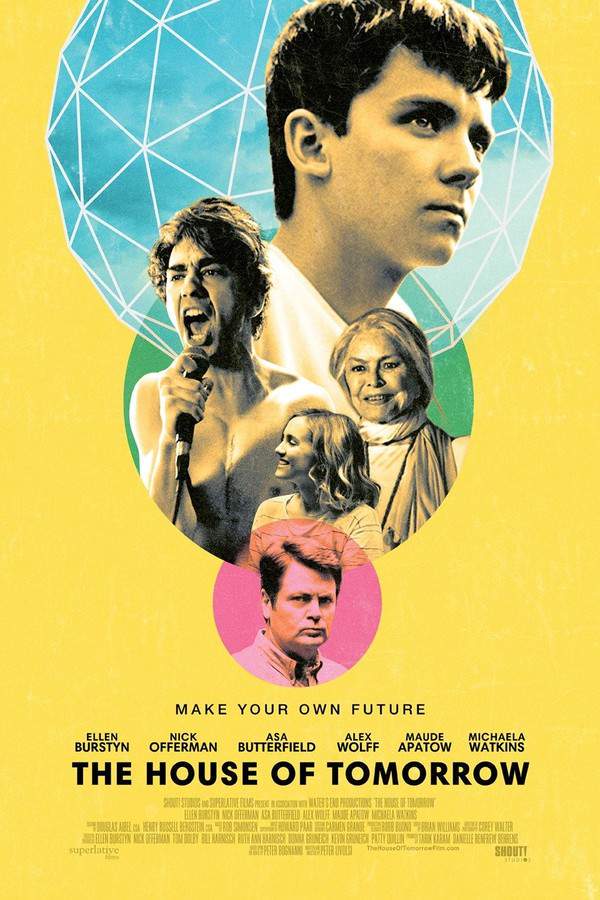
The House of Tomorrow (2018) Story Summary & Characters
The Hollars (2016) Full Summary & Key Details
C.O.G. (2013) Complete Plot Breakdown
Casa de los babys (2003) Plot Summary & Ending Explained
Where the Heart Is (2000) Story Summary & Characters
Finding Home (2005) Story Summary & Characters
Red Wing (2013) Detailed Story Recap
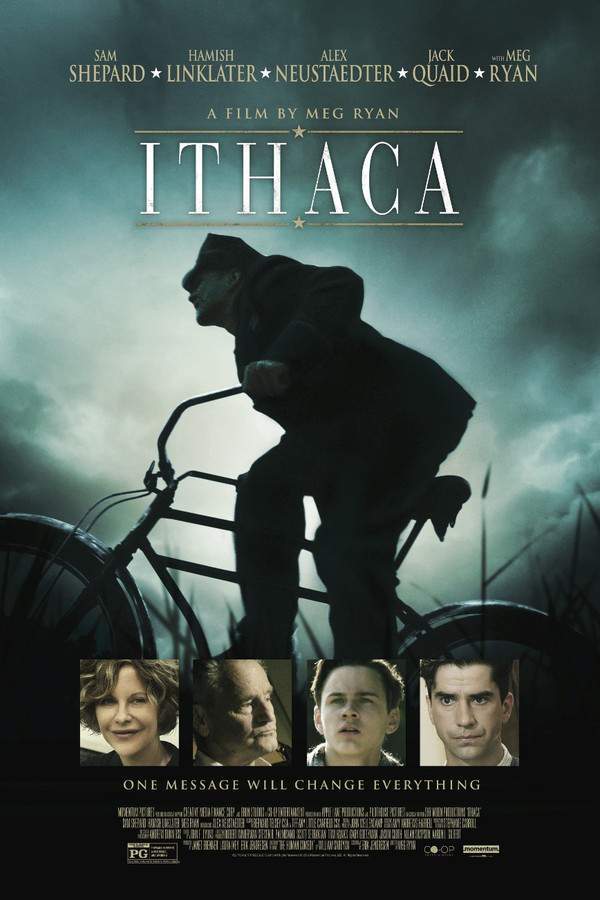
Ithaca (2016) Complete Plot Breakdown
Cider with Rosie (2015) Ending Explained & Film Insights
Cider and Sunsets (2022) Plot Summary & Ending Explained
The Human Comedy (1943) Spoiler-Packed Plot Recap
The Dwelling Place (1000) Complete Plot Breakdown
Cider with Rosie (1998) Movie Recap & Themes
A Child Is Waiting (1963) Spoiler-Packed Plot Recap