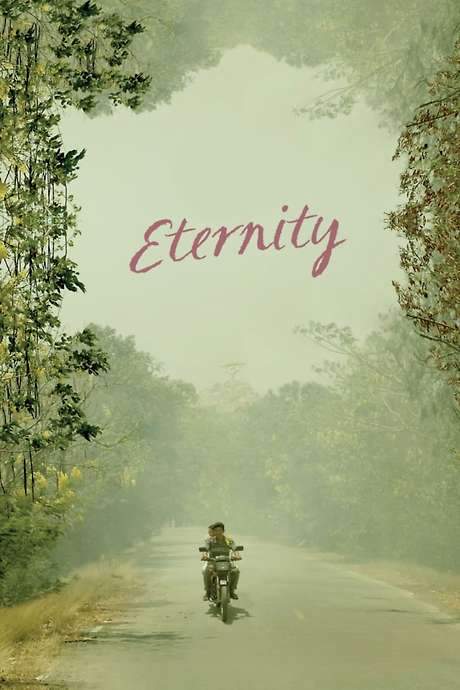
Vasu, Kamal Haasan, a carefree Tamil man, and Sapna, Rati Agnihotri, a North Indian college student, live as neighbors on the sunny shores of Goa and begin an unlikely romance despite coming from starkly different backgrounds and languages. The film opens with the ruins of an old building by the beach, a canvas where their names—Vasu and Sapna—are etched, foreshadowing a love that will be tested by culture, family, and fate.
From their first hesitant exchanges to the intimate moments on Goa’s beaches, forts, and waterfalls, their bond grows despite obstacles. Vasu’s easygoing nature clashes with the stubborn, orthodox Tamilian ways back home, while Sapna’s family battles the friction of a Hindi-speaking neighbor and the social tension that accompanies an interregional romance. A chance encounter with a creeping bookstore clerk who previously showed Sapna a provocative book foreshadows the trouble ahead, and a later, innocent gift—a ceremonial mask with Sapna’s name—deepens the connection between the two.
As love deepens, so does the resistance from both families. Sapna’s mother, Shubha Khote, and Sapna’s father, Arvind Deshpande, publicly oppose the relationship, accusing Vasu of endangering their family’s honor. Yet the couple persists, defying the odds and planning to marry despite the social storm. A pivotal moment of miscommunication occurs when Sapna misreads Vasu’s actions, leading to a painful rift that only a quiet gesture—Vasu waiting by her window with the hope of forgiveness—helps mend.
Eventually, the two lovers decide to test the strength of their commitment by agreeing to a dramatic concession: a one-year separation to prove their dedication. The contract becomes the crucible in which their love must endure. Vasu moves to Hyderabad to seek work, while Sapna remains in Goa. During this year, Vasu pours his heartbreak into letters that he never sends, and he seeks solace in learning Hindi from a young widow named Sandhya, Madhavi, and even studies classical dance to keep his spirit alive.
Back in Goa, Sapna revisits the places that defined their early days, revisiting memories at the rocky hill where their names are carved and lamenting the loss of their shared past. The harsh reality of the separation is compounded when Sapna’s mother destroys Sapna’s cassette of the love songs, and Sapna herself defaces her room with Vasu’s name, a bold act of defiance against the pressures around her.
Sapna’s world is further complicated when her family arranges a watchful eye over her, sending Chakram, Sapna’s cousin, to oversee her actions. Chakram, Rakesh Bedi, hopes to marry Sapna, a plan she resists. Meanwhile, Vasu, misled by rumors and a moment of confrontation in Mangalore where Chakram lies about Sapna’s supposed marriage to him, begins to doubt the fidelity of his beloved and contemplates a stepped-back life with Sandhya.
Sandhya’s compassionate intervention changes everything. Realizing Sapna is still waiting for Vasu, Sandhya sacrifices her own happiness and urges the truth to come out. She helps dissolve Vasu’s engagement with her, returning him to the path of his true love. Yet the path back is blocked by tragedy. When Vasu returns to Goa after the year is over, a series of brutal events unfolds: the former lover’s past insecurities collide with dark forces trying to keep them apart.
A cruel gang—a crime born out of jealousy and anger—attacks Vasu as he heads toward the beach to reunite with Sapna. The danger to Sapna intensifies when the lecherous bookstore clerk returns, and she is forced to flee in terror. The assault leaves both lovers battered and bereft, and in a final act of despair and devotion, Vasu and Sapna choose to leap from a cliff together, a doomed but unwavering testament to a love that refused to be extinguished by circumstance.