Year: 1978
Runtime: 112 min
Language: English
Director: Frank Pierson
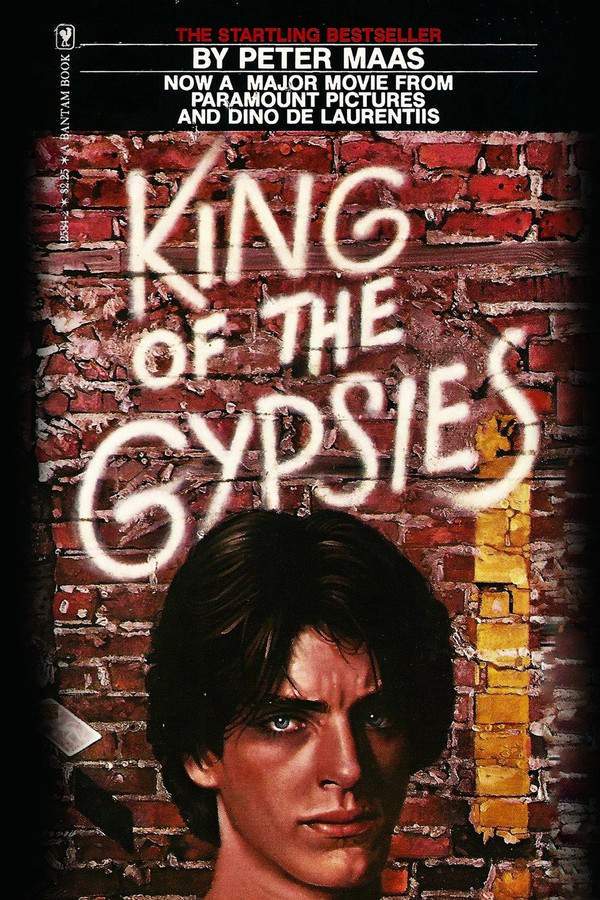
A young man attempts to claim his inheritance within a Gypsy kingdom, setting off a fierce conflict with his powerful and traditional father. Eric Roberts stars as the heir, while Judd Hirsch portrays the patriarch whose authority is challenged. The film explores themes of legacy, ambition, and the clash between ancient customs and modern desires, all set against the backdrop of a hidden, underground world. A thrilling power struggle ensues as the kingdom's fiery legacy is tested.
Find where to stream, rent, or buy King of the Gypsies (1978) in the US with current JustWatch availability, up-to-date pricing, and platform listings for subscription, rental, and digital purchase options.
Warning: spoilers below!
Haven’t seen King of the Gypsies yet? This summary contains major spoilers. Bookmark the page, watch the movie, and come back for the full breakdown. If you're ready, scroll on and relive the story!
Read the complete plot breakdown of King of the Gypsies (1978), including all key story events, major twists, and the ending explained in detail. Discover what really happened, and what it all means.
King of the Gypsies tells a riveting story centered on Zharko Stepanowicz, portrayed by Sterling Hayden, who is the king of the gypsies. He makes an unexpected visit to the camp of another gypsy, Spiro played by Michael V. Gazzo, insisting that Spiro’s daughter, Rose (brilliantly brought to life by Susan Sarandon), marry his son, Groffo (played by Judd Hirsch). Zharko has already paid a hefty sum of $4,500 for this marriage, yet Rose is adamantly opposed to it, leading Spiro to offer half of the bride price back to Zharko as compensation. This offer, however, is met with discontent as Zharko refuses to accept it. The matter escalates to the gypsy elders, who uphold Spiro’s stance. Frustrated with the ruling, Zharko storms out, but on his way out, he forcibly takes Rose with him.
As fate would have it, Dave (initially portrayed by Corey Einbinder as a boy and later by Eric Roberts), their son emerges into the world amidst significant family turmoil. Despite the challenges, Dave’s arrival brings a glimmer of hope, as he could potentially inherit the title of king one day. Growing up, Dave is thrust into a life of con games and confidence tricks alongside his family as they traverse the United States. When they finally settle in New York City and Tita (played by Brooke Shields) is born, Dave becomes increasingly aware that the gypsy lifestyle isn’t for him. His father’s, Groffo’s, ongoing alcoholism and violent outbursts begin to instill a deep resentment in him towards his own family.
As a teenager, Dave finds himself caught in a whirlwind of conflict, especially when his grandfather, Zharko, praises his intelligence and proposes an arranged marriage with Persa (portrayed by Annie Potts). However, rather than embracing his gypsy heritage, Dave chooses to escape. Years later, he still refuses the responsibility of leadership and is determined to reject the life of the gypsies, choosing to pursue dreams of normalcy, particularly when he begins dating Sharon (Annette O’Toole), sharing aspirations of moving to California.
But tension mounts as he discovers that Groffo has arranged a marriage for Tita against her wishes, compelling Rose to reach out to Dave for help. Refusing to contribute the money required to free Tita from the undesirable marriage contract, Dave’s refusal leads him to face harsh realities—especially when word of Zharko’s illness reaches him, prompting a visit to the hospital where he’s gifted the king’s ring and medallion on his grandfather’s deathbed, solidifying his unexpected kingship.
Throughout the film, motifs of duty and familial loyalty come into sharp focus, with Dave grappling with his newfound title and the responsibilities that come with it. At Zharko’s funeral, as tensions rise within the family, particularly with Groffo, Dave finds himself in a confrontation that escalates to violence. The film’s climax sees Dave determining to save Tita from a marriage she dreads, culminating in a tragic chase that results in devastating losses.
Ultimately, Dave emerges from this chaotic saga with a profound sense of reflection at Groffo’s funeral, contemplating his family’s legacy amid a sea of mourners, acknowledging that he had never aspired to this role as king. Yet, he begins to recognize a silver lining of potential—a chance to guide the gypsies forward into a new era, melding tradition with progress as he sets the stage for a future he never anticipated embracing.
Last updated: January 18, 2025 at 14:36
Explore frequently asked questions about King of the Gypsies (1978) with spoiler-rich answers covering the full plot summary, major story beats, character motivations, hidden details, and ending meaning. This movie summary FAQ helps explain confusing scenes, plot twists, and narrative decisions in clear, searchable detail.
Zharko refuses to accept the elders' decision because he has already paid the $4,500 bride price and views the marriage as essential for strengthening his family line. When Spiro offers to refund half the money, Zharko sees this as an insult to his authority and status. Rather than lose face, he forcibly takes Rose from the camp, defying both the elders' ruling and basic gypsy custom. This act of desperation sets in motion the tragic events that follow, as Rose eventually marries Groffo under duress.
Earlier, Zharko's insistence on the marriage despite Rose's clear refusal establishes his willingness to override tradition when his pride is at stake.
Dave's rejection stems from witnessing his father Groffo's alcoholism and violent abuse throughout his childhood. Growing up participating in con games across the country, combined with the oppressive atmosphere at home, breeds deep resentment. When his grandfather Zharko arranges a marriage for him, Dave runs away rather than accept the life he's been assigned. He builds a new identity outside the community, dates non-gypsy women like Sharon, and dreams of moving to California, representing his desperate attempt to escape the cycle of violence and obligation.
As a child watching Groffo's abuse, Dave's discomfort with gypsy life is already visible.
Dave becomes king through a combination of lineage and circumstance. His grandfather Zharko, the current king, nominates him as heir because Dave is the son of Groffo (Zharko's chosen successor) and represents the next generation. When Zharko lies dying in the hospital, he passes the king's ring and medallion to Dave, effectively designating him as the new king. This happens despite Dave having rejected gypsy life entirely and having had no preparation or desire for leadership.
From birth, Dave is referred to as a potential future king, establishing his unintended destiny.
Dave refuses because he has completely severed ties with his gypsy family and wants nothing to do with their traditions. When his mother Rose pleads for money to free Tita from the unwanted marriage arrangement, Dave flatly refuses. He sees contributing money as a sign of认同ing gypsy customs, which contradicts his carefully constructed outside life. This refusal represents the final break between Dave and his family, though it haunts him when tragedy strikes later.
Dave's earlier escape from Persa's arranged marriage shows his pattern of abandoning family obligations.
After Tita dies in the car crash while trying to escape her forced marriage, Dave returns home consumed by grief and rage. He confronts Groffo, who was responsible for arranging Tita's unwanted marriage in the first place. During the confrontation, Dave chases his father through their apartment in a fit of anger, and the situation escalates to violence. Dave unintentionally kills Groffo, representing the tragic culmination of years of resentment, abuse, and the destructive cycle of gypsy tradition.
Groffo's history of violence and abuse throughout the film makes this confrontation inevitable.
Zharko chooses Dave because he sees intelligence and leadership potential in his grandson that he believes the other family members lack. Throughout the film, Zharko praises Dave's cleverness and views him as the best hope for the gypsy community's future. Even after Dave runs away and rejects his heritage, Zharko maintains belief in his potential. On his deathbed, Zharko passes the symbols of kingship to Dave, apparently believing that bloodline and potential matter more than willingness or experience.
Zharko's early praise of Dave's intelligence and his offer of an arranged marriage setup indicate his intentions.
Arranged marriages serve as the primary mechanism of control in gypsy society and drive much of the film's conflict. The story opens with Zharko demanding Rose for Groffo despite her opposition, and later Groffo arranges a marriage for Tita against her will. These arrangements represent tradition, family honor, and male authority. Dave's refusal to participate in this system, whether by running from Persa or refusing to pay for Tita's freedom, symbolizes his complete rejection of gypsy values. The marriages create the central tension between individual desire and communal obligation.
The opening marriage dispute sets up the pattern that will repeat throughout the narrative.
Sharon represents Dave's attempt to fully assimilate into mainstream American life. Through her, we see Dave's dreams of moving to California and living a normal, non-gypsy existence. Their relationship reinforces Dave's rejection of his heritage and fuels his determination to escape. However, when crisis strikes his family, Dave must choose between the new life he's built with Sharon and his blood ties, ultimately returning to the gypsy world despite everything.
Dave's dreams of California are introduced early as his primary motivation for leaving.
The funeral gathering brings the fractured family together, and tensions immediately escalate. Dave learns that Groffo is proceeding with Tita's unwanted marriage despite the family's upheaval. This represents the final straw, Groffo's continued control and disregard for individual choice, even at a time of mourning. Dave's determination to save Tita leads to a direct confrontation with Groffo, which sets in motion the tragic escape attempt that ends in Tita's death.
Tita's situation has been building throughout, with Rose's earlier plea for help establishing the urgency.
Dave accepts reluctantly, seeing it as the only viable path forward after the devastating losses. At Groffo's funeral, he observes the large number of mourners despite Groffo's abusiveness and realizes the community still needs leadership. Having already lost Tita and killed his father, Dave recognizes that walking away would leave the gypsies without guidance. His acceptance is framed not as triumph but as burden, a responsibility he never wanted but now cannot refuse. He sees an opportunity to potentially modernize the community from within.
The tragedy of losing Tita and killing Groffo leaves Dave with no other choice but to embrace duty.
Rose approaches Dave because she has exhausted other options within the gypsy community. As a woman in the patriarchal gypsy society, she has limited power to challenge Groffo's decisions about Tita's marriage. Dave is her only hope, he represents an outside force who could potentially pay the bride price to break the contract. Rose's plea reveals her desperation and the helplessness she feels within the traditional structure, as well as her belief that Dave still cares about family, even though he ultimately refuses.
Rose's earlier victimization by Zharko establishes her position of limited agency.
The title carries irony because the protagonist never wants the role. Dave actively flees from kingship throughout the film, yet circumstances force it upon him. The title represents the burden of legacy, being born into a role you never chose. It also highlights the clash between tradition and individual desire. By the end, Dave becomes king not through ambition but through tragedy, and the title now signifies responsibility rather than power, suggesting he may try to lead the community in a new direction while carrying the weight of his losses.
Dave's birth is announced as potentially bringing a future king, establishing the ironic trajectory.
Discover curated groups of movies connected by mood, themes, and story style. Browse collections built around emotion, atmosphere, and narrative focus to easily find films that match what you feel like watching right now.
A young heir is crushed by the weight of a suffocating family legacy.For viewers who liked King of the Gypsies, this collection features powerful family dramas about reluctant heirs and tyrannical patriarchs. Find similar movies steeped in cultural tradition, fierce rebellion against duty, and the heavy price of inheritance.
These stories follow a protagonist, often a son or daughter, who is destined to inherit a position of power within a closed, traditional system. Their journey is one of rebellion against an authoritarian figurehead, leading to explosive confrontations that question the very foundations of their world.
Movies are grouped here by their intense focus on the conflict between individual desire and dynastic duty, set within a claustrophobic family or community structure. They share a dark, gritty tone and a heavy emotional weight centered on themes of legacy and sacrifice.
A character's fight for selfhood within the rigid confines of their tradition.If you liked the clash of modern desires and ancient customs in King of the Gypsies, explore these films about characters fighting for identity within restrictive cultures. Discover similar stories of painful growth, arranged marriages, and the bittersweet cost of autonomy.
The narrative follows a character's maturation, which is intrinsically tied to their rejection of the cultural or familial norms they were raised in. Their 'coming of age' is not a gentle transition but a violent rupture, marked by loss and a forever-changed relationship with their origins.
These films share a specific, gritty vibe: a heavy, dramatic exploration of identity forged in conflict with tradition. They feature a steady, character-driven pace, a dark tone, and a bittersweet resolution where self-discovery comes at a significant personal cost.
Don't stop at just watching - explore King of the Gypsies in full detail. From the complete plot summary and scene-by-scene timeline to character breakdowns, thematic analysis, and a deep dive into the ending - every page helps you truly understand what King of the Gypsies is all about. Plus, discover what's next after the movie.
Track the full timeline of King of the Gypsies with every major event arranged chronologically. Perfect for decoding non-linear storytelling, flashbacks, or parallel narratives with a clear scene-by-scene breakdown.
Discover the characters, locations, and core themes that shape King of the Gypsies. Get insights into symbolic elements, setting significance, and deeper narrative meaning - ideal for thematic analysis and movie breakdowns.
Discover movies like King of the Gypsies that share similar genres, themes, and storytelling elements. Whether you’re drawn to the atmosphere, character arcs, or plot structure, these curated recommendations will help you explore more films you’ll love.
King of the Gypsies (1978) Scene-by-Scene Movie Timeline
King of the Gypsies (1978) Movie Characters, Themes & Settings
King of the Gypsies (1978) Spoiler-Free Summary & Key Flow
Movies Like King of the Gypsies – Similar Titles You’ll Enjoy
Aferim! (2016) Movie Recap & Themes
King Rikki (2002) Full Movie Breakdown
Rom (2019) Complete Plot Breakdown
Gypsy (1980) Spoiler-Packed Plot Recap
Gypsy Wildcat (1944) Complete Plot Breakdown
I Even Met Happy Gypsies (1967) Movie Recap & Themes
A Dream of Kings (1969) Story Summary & Characters
Gypsies (1922) Plot Summary & Ending Explained
Rom (1989) Ending Explained & Film Insights
The Gypsy Camp Vanishes Into the Blue (1976) Plot Summary & Ending Explained
Prince of Broadway (2008) Story Summary & Characters
The Gypsy and the Gentleman (1958) Ending Explained & Film Insights
Hanka (1955) Spoiler-Packed Plot Recap
Oedipus the King (1968) Movie Recap & Themes
Yahudi (1958) Movie Recap & Themes