Plot Explained Spoilers guaranteed!
Plot Explained

Browse by genre

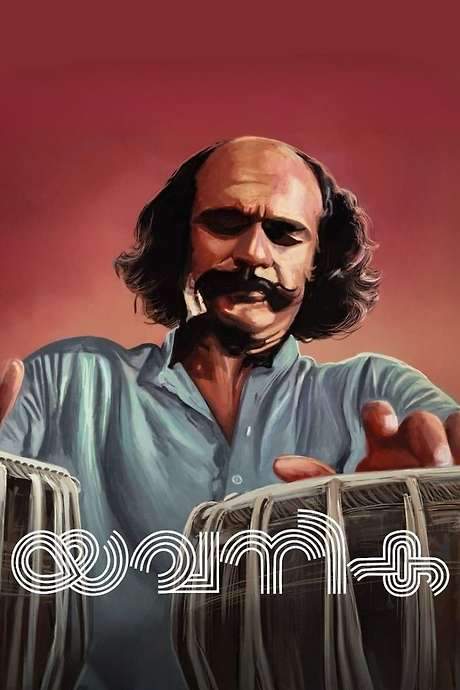
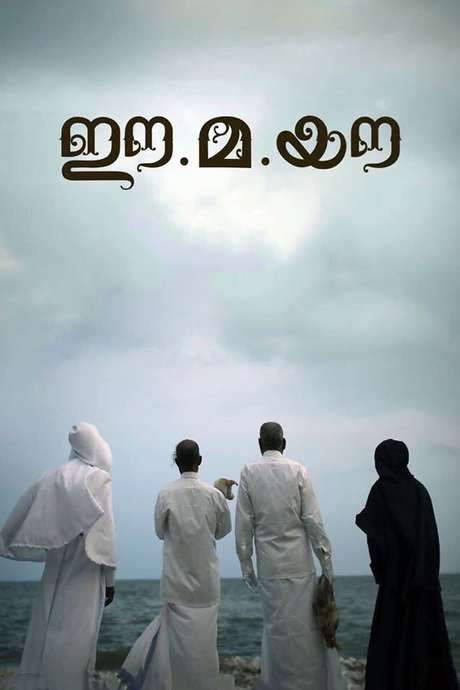
Ee.Ma.Yau. (2018) movie poster

Plot Summary

Ee.Ma.Yau. (2018) Plot Summary Explained

Release, runtime and language
2018 · 120 mins · Malayalam
Echo score 82
Loading streaming availability…
Directed by
Lijo Jose Pellissery
Starring
Dileesh Pothan, Chemban Vinod Jose, Vinayakan, Pauly Valsan, Kainakary Thankaraj, Bitto Davis

The film explores the aftermath of Vavachan Mesthiri's death in a Chellanam, Kochi coastal village. Over the course of two evenings, the narrative examines the impact of loss on the community and offers a series of perspectives on mortality, revealing the complexities of grief and the bonds that hold a village together.

On this page (6)
  1. 1 Where to watch
  2. 2 What happens: full plot
  3. 3 Plot questions answered
  4. 4 Movie threads
  5. 5 Movies like Ee.Ma.Yau.
  6. 6 Every angle
Loading streaming availability…

Full plot summary · contains spoilers

What Happens in Ee.Ma.Yau.: Full Plot Summary

The whole story of Ee.Ma.Yau. (2018) explained, from the opening scene to the final frame: every key event, every twist and what it all adds up to. Read it as a quick recap before the sequel, to check a scene you missed, or to finally understand what really happened.

Set in the serene coastal village of Chellanam, renowned for its vibrant fishing community, What's After the Movie narrates a quietly powerful story centered around the passing of Vavachan [dileesh-pothan]. The film begins with Vavachan returning home after a long absence, only to find himself embroiled in disputes with his son [Eeshi] [chemban-vinod-jose] and his wife [Pennamma] [pauly-valsan], who urges him to settle down and stop wandering.

The film delves into the aftermath of Vavachan's sudden death, which unfolds amidst a series of minor yet intense conflicts. On the evening of his demise, Vavachan gets into an altercation with [Chowro] [kainakary-thankaraj], following a distressing revelation about his daughter [Nisa] [krishna-padmakumar], who is involved in a premarital relationship. This argument, set on the beach in a humble shack where two local men are quietly playing cards, hints at the underlying tension and impending tragedy.

As the story progresses, What's After the Movie portrays the somber reactions of Vavachan’s family. His wife [Pennamma], worried and weary, pleads for him to stop his wandering ways and settle down, echoing the village's collective desire for stability. When [Eeshi] returns home, he shares a humorous yet poignant memory of his father's funeral, claiming it was the most splendid in Chellanam. However, tragedy strikes when Vavachan collapses while drinking, ultimately succumbing to his injuries.

News of the death spreads quickly through the community. [Sabeth], Eeshi’s wife, eacherly informs neighbors, while [Ayyappan], the local ward member and [Eeshi]'s friend, arrives to manage the situation. They seek out a doctor, [Dr. Gervasius], but due to the latter's drunken state, they are forced to rely on a nearby nurse to confirm the death. Meanwhile, [Fr. Zacharia] [kainakary-thankaraj], the somewhat rude and eccentric parish vicar with a penchant for crime novels, overhears the incident and insists on involving the police.

The church and local families rapidly become embroiled in a dispute when a second family, claiming rights to Vavachan’s body, arrives. Tensions escalate as accusations fly, with some alleging foul play. [Fr. Zacharia], obsessed with uncovering a mystery, demands a thorough autopsy and investigation before Vavachan can be buried—a demand that fuels anger in [Eeshi], who responds violently by slapping the vicar. Outraged and humiliated, Fr. Zacharia refuses to conduct the burial in the church cemetery. The situation takes a dark turn when the gravedigger, digging Vavachan’s grave, unexpectedly dies, forcing the burial to take place in his own clandestine grave.

Meanwhile, two men, the same who were playing cards earlier, continue their game and reflect on how the situation has become increasingly complicated. [Ayyappan] seeks police intervention, and a circle inspector [inspector], after examining the scene, confirms that there is no criminal element involved. Nonetheless, the community mourns and criticizes Fr. Zacharia’s insensitivity, highlighting the importance of compassion over rigid doctrine.

As tensions reach their peak, [Eeshi], feeling deeply distressed and unable to wait for official permissions, takes the matter into his own hands. He digs a private grave in his courtyard, fully aware of the familial and social repercussions. With a heavy heart, he asks for his father’s forgiveness for not fulfilling his last wishes and proceeds to bury him himself. In a poignant scene, the community witnesses this act of love and desperation, standing in the rain with mixed feelings of remorse and reverence for the departed.

In the film’s quiet, reflective conclusion, viewers are treated to a surreal mid-credits sequence. The body of Vavachan’s faithful dog appears, a silent companion to the grave, while in the distant horizon of the sea, two boats adorned with lanterns approach the beach. It is gradually revealed that the two men playing cards are in fact angels, summoned to guide Vavachan, his dog, and the gravedigger’s soul to their respective afterlives—heaven and hell. This poetic ending offers a profound meditation on life, death, and the unseen journeys that follow, leaving viewers with a lingering sense of calm and introspection.

Last updated: August 05, 2025 at 06:59

Was this helpful?

Plot questions answered

Ee.Ma.Yau. Plot Explained: Your Questions Answered

The questions people ask most about Ee.Ma.Yau. (2018): what happens in the confusing scenes, why the characters do what they do, the twists, hidden details and what the ending means. Each answer contains spoilers.

Q1

What caused Vavachan's sudden death after his argument with Chowro?

Vavachan died after collapsing from a head injury. The argument with Chowro, who shamed him about his daughter Nisa's premarital relationship, caused Vavachan to become highly agitated. While drinking afterward, he fell and sustained a fatal head injury. The exact cause was a fall that resulted in head trauma, confirmed by the nurse who examined him.

Foreshadowing: The argument on the beach sets the tragic events in motion, with the tension between Vavachan and Chowro establishing the emotional volatility that leads to the accident.

  • vavachan
  • chowro
  • death
  • argument
  • nisa
  • collapse
Q2

Who was the second woman who claimed rights to Vavachan's body?

The second woman was another wife of Vavachan, implying he had multiple wives. Her family arrived claiming rights to the body and accused Eeshi's family of murder, demanding justice. This triggered a heated dispute that added to the chaos surrounding Vavachan's death and complicated the burial arrangements.

Foreshadowing: Earlier hints at Vavachan's wandering lifestyle and multiple family entanglements foreshadow this conflict over his remains.

  • second wife
  • dispute
  • body
  • family
  • accusation
Q3

Why did Father Zacharia refuse to allow Vavachan's burial?

Fr. Zacharia refused burial because he suspected foul play due to the head injury Vavachan sustained. Obsessed with solving what he perceived as a mystery, he insisted on a police investigation and autopsy before any burial could take place. His rigid insistence on procedure over compassion angered the family and community.

Foreshadowing: Fr. Zacharia's character is established early as someone obsessed with crime novels and investigation, hinting at his later demands for an autopsy.

  • father zacharia
  • burial
  • refusal
  • autopsy
  • investigation
  • church
Q4

What happened to the gravedigger who was digging Vavachan's grave?

The gravedigger died suddenly while preparing Vavachan's grave. This unexpected death forced Eeshi to bury his father in the same grave the gravedigger had dug. In the supernatural ending, the gravedigger's soul is guided to hell by the angels, suggesting he had unresolved sins.

Foreshadowing: The narrative hints at the gravedigger's fate through the surreal angelic subplot that becomes clear only in the final sequence.

  • gravedigger
  • death
  • grave
  • burial
  • hell
Q5

Why did Eeshi bury his father in his own courtyard instead of the church cemetery?

Eeshi buried his father in the courtyard because Fr. Zacharia refused to allow burial in the church cemetery without an autopsy. Additionally, the gravedigger had died, leaving no one to prepare a proper grave. Unable to wait for official permissions and driven by desperation and respect, Eeshi took matters into his own hands, digging the grave himself despite knowing the social and familial consequences.

Foreshadowing: Eeshi's earlier memory of his father's grand funeral contrasts painfully with this hurried, clandestine burial, showing how circumstances forced this desperate act.

  • eeshi
  • courtyard
  • burial
  • father
  • desperation
  • church cemetery
Q6

Who were the two men playing cards in the shack?

The two men playing cards in the beach shack were revealed to be angels in the mid-credits sequence. They guided Vavachan's soul to heaven along with his faithful dog. The revelation transforms what seemed like a mundane scene of village life into a supernatural moment, suggesting Vavachan was being prepared for his journey to the afterlife from the moment of his death.

Foreshadowing: Their quiet presence and the mysterious atmosphere surrounding them hint at their true nature as celestial beings watching over the events.

  • angels
  • card players
  • afterlife
  • heaven
  • supernatural
  • boats
Q7

What was the conflict between Vavachan and Chowro about?

Chowro confronted Vavachan about his daughter Nisa being in a premarital relationship with Sivanapan. This confrontation shamed Vavachan in front of others, triggering the heated argument that set the tragic events in motion. The dispute represented the community's judgment of Vavachan's family honor.

Foreshadowing: The tension around Nisa's relationship establishes the social pressures that contribute to the family's turmoil.

  • chowro
  • nisa
  • premarital relationship
  • shame
  • argument
Q8

Why did Eeshi slap Father Zacharia?

Eeshi slapped Fr. Zacharia in anger because the vicar refused to permit Vavachan's burial without a police investigation and autopsy. Fr. Zacharia's rigid insistence on investigating what he suspected was a case of foul play, despite the family's grief and urgency, pushed Eeshi over the edge. The slap represented Eeshi's frustration with the bureaucratic obstacles preventing his father from being buried with dignity.

Foreshadowing: The buildup of tension from the notification process, the second wife's arrival, and the vicar's persistent interference creates the emotional explosion.

  • eeshi
  • slap
  • father zacharia
  • anger
  • burial dispute
Q9

What did the two boats with lanterns approaching the beach represent?

The two boats with lanterns represented the souls being guided to their respective afterlives. One boat carried Vavachan and his faithful dog to heaven, while the other carried the gravedigger to hell. This surreal mid-credits sequence provided a metaphysical conclusion, showing that death leads to different destinations based on one's life and actions.

Foreshadowing: The quiet, contemplative tone of the final scenes builds toward this poetic revelation of cosmic justice.

  • boats
  • lanterns
  • afterlife
  • heaven
  • hell
  • souls
  • journey
Q10

How did the community react to Eeshi burying his father in the courtyard?

The community witnessed Eeshi's desperate act with mixed feelings of remorse and reverence. Neighbors and family members observed the burial in the rain, with somber reflections on the events that had transpired. Many criticized Fr. Zacharia's insensitivity, feeling that compassion should have taken precedence over rigid doctrine during a time of grief.

Foreshadowing: The earlier scenes of community members gathering and discussing the situation establish the social dynamics that shape their reaction.

  • community
  • reaction
  • burial
  • rain
  • remorse
  • reverence

Movie threads

More Movies Like Ee.Ma.Yau., by Mood & Story

Curated lists built around what makes Ee.Ma.Yau. tick: the same mood, the same kind of story or the same emotional payoff. Each list explains why these movies belong together.

Community dramas about death rituals like Ee.Ma.Yau.

Films that observe a community's collective, often messy, response to a death. Explore movies like Ee.Ma.Yau. that depict how a community comes together, and sometimes falls apart, in the wake of a death. These similar dramas focus on funeral rites, family disputes, and the quiet, often poetic, observations of grief and tradition in a close-knit setting.

  • somber
  • reflective
  • contemplative
  • atmospheric
  • poignant
  • quiet
  • Tone: melancholic, reflective
  • Pacing: slow, observational
Why these movies?

The story pattern: The narrative pattern follows the immediate aftermath of a death in a tight-knit community, weaving together multiple perspectives from family, friends, and locals. Conflicts over funeral arrangements, unresolved tensions, and bureaucratic hurdles often arise, set against a backdrop of somber reflection and the quiet, continuous life of the community.

Why they belong together: Movies are grouped here for their shared focus on mortality as a communal, rather than purely individual, experience. They share a melancholic but grounded tone, a slow, atmospheric pacing that allows for observation, and a narrative structure that explores the ripple effects of a single death through an entire social fabric.

Poetic and melancholic slice-of-life movies like Ee.Ma.Yau.

Quietly atmospheric stories that find profound meaning in everyday struggles. If you liked the quiet, atmospheric feel and bittersweet tone of Ee.Ma.Yau., discover similar movies. These poetic dramas feature a slow pace, a melancholic mood, and a focus on the emotional nuances of everyday life, often set in evocative rural or coastal locations.

  • melancholic
  • atmospheric
  • contemplative
  • poignant
  • quiet
  • reflective
  • Tone: melancholic, bittersweet, poetic
  • Pacing: slow, contemplative
Why these movies?

The story pattern: Stories in this thread often unfold without a strong, driving plot, instead prioritizing mood, character, and setting. The narrative journey is internal and reflective, exploring themes of loss, memory, and connection through subtle interactions and a lingering, often bittersweet, atmosphere.

Why they belong together: These films are connected by their shared aesthetic and emotional core: a slow, contemplative pace, a distinctly melancholic and atmospheric tone, and a narrative approach that values poetic observation over conventional plot. They offer a thoughtful, emotionally resonant viewing experience.

If you liked this

Movies Like Ee.Ma.Yau.

Similar movies to Ee.Ma.Yau.: the same genre, themes or kind of story. Each one comes with its own plot summary, timeline and ending explained.

Browse all movie summaries

Every angle

Ee.Ma.Yau. (2018) Explained: Plot, Timeline & Characters

Everything about Ee.Ma.Yau. in one place: what happens in the plot summary, the timeline in chronological order, the characters and meaning and a spoiler-free summary. What's After the Movie adds the cast, box office and post-credit scenes.

Coming soon on iOS and Android

The Plot Explained Movie Summary App

Plot summaries, endings explained and timelines on your phone. Catch up on any movie in minutes, save your favorites and never miss a twist again.

Be the first to know when we launch. Your email stays private, always.

Learn more about the app