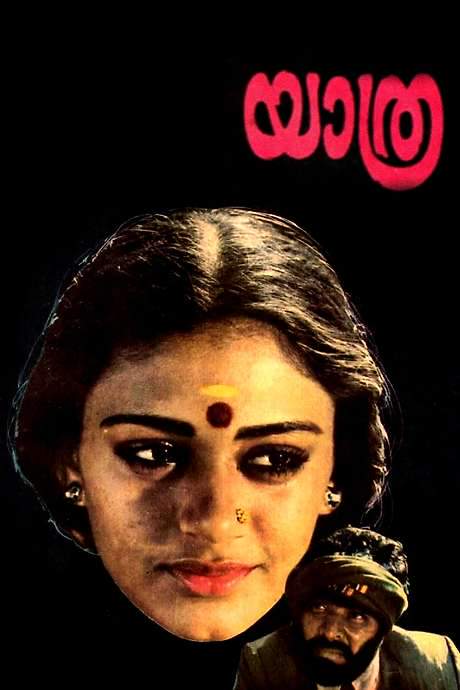
Vakkachan, Thilakan a celebrated theatre director, leads Bhavana Theatres and steers a crew of performers toward a late-night show. The troupe’s momentum is briefly stalled when one of their principal actors, Kollappally, arrives late, claiming he mislaid his lock and keys and had rushed into town to buy a replacement. After the almost comic delay, they finally push off into the night.
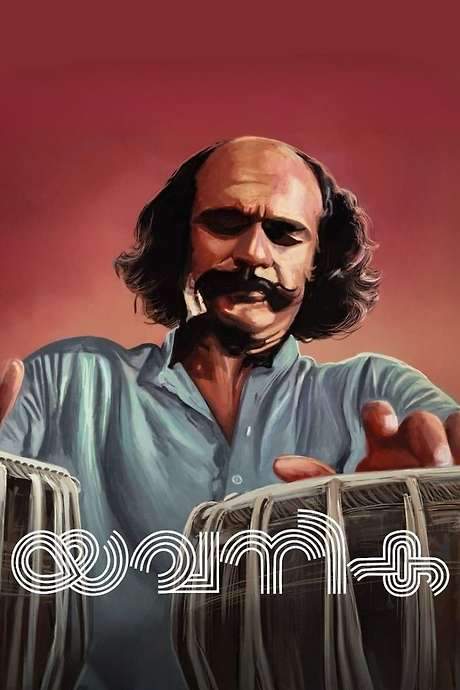
On the road, they pick up Rohini, a prominent young actress in the company. Rohini is at the center of a thorny personal problem: she lives with the troupe’s tabla player, Ayyappan, but says she doesn’t know where he is or what he’s up to the night before. The troupe’s comedian, Varunan, played by Jagathy Sreekumar, lightens the mood with a suggestion to check the nearby arrack shop, assuming Ayyappan might be sleeping off a heavy night’s drinking. The search proves fruitless, and the plan shifts toward making the show at the theatre with the hope that Ayyappan will arrive in time. But he does not appear, and the drama proceeds without him. Afterward, the troupe checks into a hotel arranged for the night, while their manager Chellappan, portrayed by Sreenivasan, scrambles to arrange a backup: Janardhanan is brought in as a replacement tabla player.
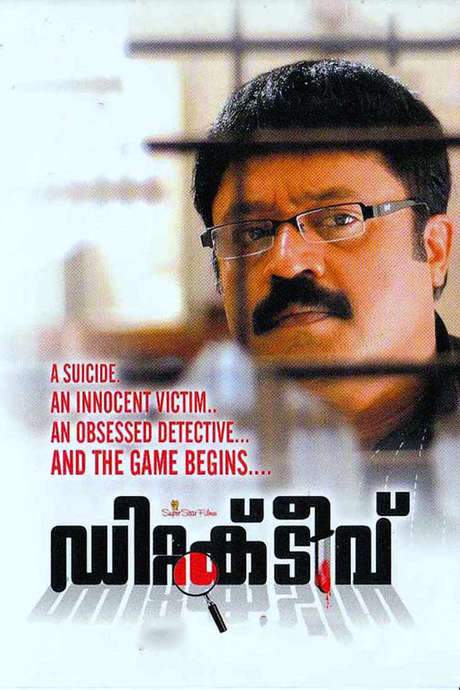
Two weeks later, Vakkachan reports Ayyappan missing to the local police. Inspector Jacob Eeraly, Mammootty, a blunt and principled officer from the crime branch, takes charge of the investigation and begins a careful, methodical process of questioning each troupe member individually. As the testimonies unfold, every member paints a troubling portrait of Ayyappan: untrustworthy, heavy-drinking, volatile, with a troubling appetite for women. Rohini reveals that she is living with Ayyappan under duress, and the police soon uncover a troubling incident in which Ayyappan forcibly snatched—and later sold—Rohini’s earrings, a wedding gift she had planned for her sister.
A month passes and the case suddenly intensifies when Ayyappan’s body is found, along with a shattered glass bottle, in a paddy field midway between the company’s office and Ayyappan’s rented house. The murder investigation heats up as the glass shard, bearing the initials “JK,” points to a possible suspect: Joseph Kollappally. The police arrest Kollappally, and under questioning he confesses to killing Ayyappan in a fit of rage during a road duel, though the confession doesn’t fully convince Inspector Jacob Eeraly.
Jacob digs deeper and locates another shard of the murder weapon in Ayyappan’s rented room, suggesting there is more to the case than a simple accident. The drama’s next big moment arrives on the day of a major performance in Thiruvananthapuram, where the Governor is the chief guest. The police craft a plan to use Kollappally as a means to probe Rohini’s involvement, allowing him to speak to the troupe by phone and hint that he will come straight to the theatre.
Kollappally eventually arrives late and tells Rohini backstage that he has been arrested for murder. Panicked, Rohini takes the stage and publicly confesses to the murder herself. She explains her motive: Ayyappan had taunted her after selling her earrings and boasted that he could entrap Rohini’s sister for his sexual pleasure, much as he had tormented Rohini herself. In her anger and fear, she stabbed him and then enlisted Kollappally’s help to hide the body, concealing it in the nearby paddy field.
With Rohini and Kollappally in custody, the rest of the troupe quietly boards their bus and leaves the theatre, carrying the weight of the revelation and the unresolved questions that remain about the night’s events. The curtain falls on a case that exposes the fragility of trust within a creative company and the dangerous consequences that can emerge from coercion, desire, and unspoken tension behind the scenes.