Plot Explained Spoilers guaranteed!
Plot Explained

Browse by genre

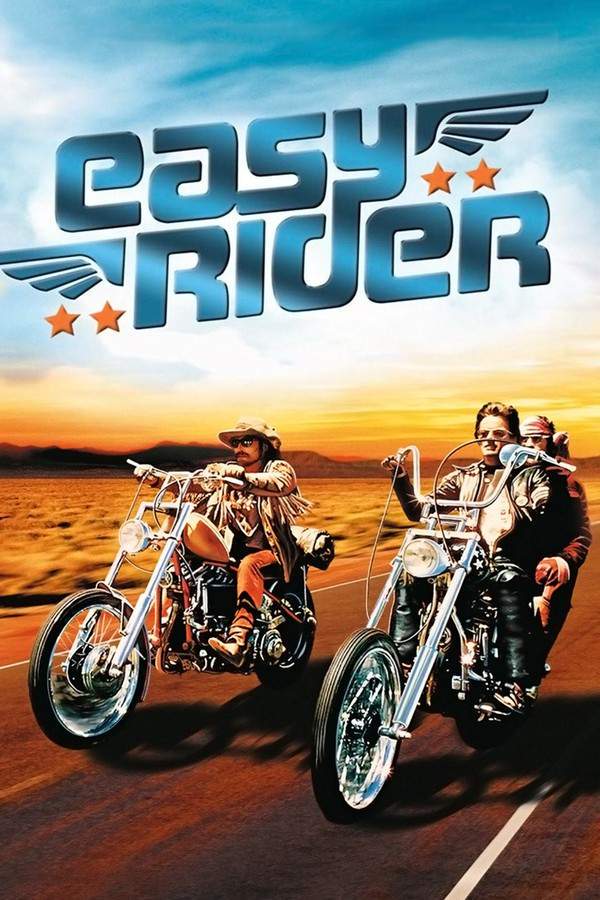
Easy Rider (1969) movie poster

Plot Summary

Easy Rider (1969) Plot Summary Explained

Release, runtime and language
1969 · 95 min · English
JustWatch #17,982 1,402
Starring
Dennis Hopper, Peter Fonda
Budget
$360K

Wyatt and Billy, two young bikers, set out on a cross-country journey in search of freedom and personal meaning. Their travels take them through the American landscape, where they experience both welcoming communities and unsettling prejudice. As they confront the darker side of the nation, their initial optimism is challenged, forcing them to question their pursuit of harmony and the true nature of the American dream.

On this page (6)
  1. 1 Where to watch
  2. 2 What happens: full plot
  3. 3 Plot questions answered
  4. 4 Movie threads
  5. 5 Movies like Easy Rider
  6. 6 Every angle

Where to watch

Where to Watch Easy Rider (1969)

Where can you watch Easy Rider? Stream, rent or buy it in the US, including on Fawesome, Amazon Video and Apple TV Store: current JustWatch availability with up-to-date prices.

Streaming availability powered by JustWatch

Full plot summary · contains spoilers

What Happens in Easy Rider: Full Plot Summary

The whole story of Easy Rider (1969) explained, from the opening scene to the final frame: every key event, every twist and what it all adds up to. Read it as a quick recap before the sequel, to check a scene you missed, or to finally understand what really happened.

The story follows two adventurous hippies: Wyatt, affectionately called "Captain America" by his friends, portrayed by Peter Fonda, and his companion Billy, played by Dennis Hopper. Their names are a clever nod to historical figures Wyatt Earp and Billy the Kid. In the film, Wyatt sports leather attired with stars and stripes, while Billy opts for a rugged look featuring Native American-inspired buckskin gear, showcasing their unique identities.

After completing a drug smuggling run from Mexico to Los Angeles, the duo makes a deal with a mysterious man known as "Connection," who arrives in a luxurious Rolls Royce, portrayed by Phil Spector. With the illicit earnings secreted away in a tube within Wyatt's custom California-style chopper's fuel tank, they set off on a journey eastward in search of adventure and the vibrant Mardi Gras festivities in New Orleans. As they travel, they’re often met with prejudice from motels unwilling to accommodate their free-spirited hippie appearance, forcing them to camp out under the stars.

During their journey, Wyatt and Billy share a meal with a rancher, whom Wyatt admires for embracing a simple and traditional farming lifestyle. They also pick up a hitchhiker, played by Luke Askew, and spend a day at his commune. Life in this commune proves challenging for the naïve city-dwellers, as they struggle to cultivate crops in the arid land. Among the children at the commune is a young girl, who happens to be Wyatt's daughter, Bridget. The commune holds a spiritual prayer for their new crops, a moment that captures the essence of striving for simplicity: "to make a stand," and to grow "simple food, for our simple taste." The atmosphere is filled with creativity, thanks to a traveling theater group that entertains in exchange for food. Amidst the shared love and camaraderie, two women direct their affections towards Wyatt and Billy.

As they continue their travels, they jokingly join a parade in a small town, only to be confronted by local law enforcement for "parading without a permit." In jail, they encounter George Hanson, a local drunk and ACLU lawyer, portrayed by Jack Nicholson, who helps them secure their release and decides to join them on their trip to New Orleans. George, armed with a card for a whorehouse, humorously mentions he's always hoped to visit but has never made it past the county line. That night, around a campfire, Billy and Wyatt introduce George to marijuana, despite his skeptical attitudes regarding substance use.

The trio's carefree nomadic lifestyle soon faces hostility when they attempt to dine at a rural Louisiana restaurant. Their appearance draws the unwanted attention of local rednecks, and although they attract the curiosity of some teenage girls, they ultimately decide to leave, feeling unwelcome. George’s disdain for the changing times is palpable as he remarks, “This used to be a hell of a good country. I can't understand what's gone wrong with it,” expressing frustration over the supposed American ideal of freedom clashing with the societal fear of those who embody it.

The following night quickly turns tragic when they are ambushed in their sleep by local rednecks, who brutally assault them. While Billy manages to fend off the attackers, George tragically loses his life during the incident. Heartbroken, Wyatt and Billy honor their fallen friend by wrapping him in his sleeping bag and vowing to return his belongings to his family.

Determined, Wyatt and Billy finally reach New Orleans, where they locate the brothel George yearned to visit. Accompanied by sex workers Karen and Mary, the group immerses themselves in the festive spirit of Mardi Gras. In a moment of total abandon, they ingest LSD in a cemetery, embarking on a surreal journey through vivid psychedelic imagery intertwined with religious undertones.

As they set up camp afterward, Billy maintains an optimistic stance, believing they will retire wealthy in Florida, but Wyatt’s perspective is darker, declaring, “We blew it.” The following day, their adventure leads them down a quiet road in Alabama, where they encounter a pair of hostile locals. As Billy gets caught in a tense showdown and sustains severe injuries from a shotgun blast, Wyatt races back to him, desperate to help. Tragically, their fate takes a grim turn when the assailants target Wyatt, resulting in a horrific motorcycle crash that leaves him lifeless.

The film culminates with a haunting aerial shot of the smoldering bike and Wyatt's body lying on the desolate road, signifying the tragic end of their once-lively journey.
Last updated: November 16, 2024 at 11:59

Was this helpful?

Plot questions answered

Easy Rider Plot Explained: Your Questions Answered

The questions people ask most about Easy Rider (1969): what happens in the confusing scenes, why the characters do what they do, the twists, hidden details and what the ending means. Each answer contains spoilers.

Q1

Why does Wyatt wear the American flag on his leather jacket?

Wyatt's leather attire features stars and stripes, which is why he's nicknamed "Captain America." This symbolic costume represents his interpretation of American freedom and the idealistic version of the country he believes in. The flag becomes a poignant symbol throughout the film, contrasting sharply with the reality of the violence and prejudice they encounter on their journey.
Foreshadowing: The flag symbolism returns tragically in the final aerial shot of the film, where Wyatt's body lies next to his burned American flag-decorated bike.

  • captain america
  • american flag
  • wyatt
  • leather jacket
  • symbolism
Q2

Why does George Hanson join Wyatt and Billy on their trip?

George Hanson, an ACLU lawyer and local drunk, meets Wyatt and Billy after they are jailed for parading without a permit. He helps secure their release and decides to join their journey to New Orleans, partly because he's never visited the brothel he's carried a card for. His character represents the mainstream American who feels disconnected from the changing society and seeks escape through the hippies' carefree lifestyle.

Foreshadowing: George's decision to join them foreshadows his tragic fate, as he leaves his comfortable life behind to pursue an adventure that ultimately leads to his death.

  • george hanson
  • aclu lawyer
  • jail
  • new orleans
  • journey
Q3

Why is George Hanson killed in the film?

George is murdered when he, Wyatt, and Billy are ambushed in their sleep by local rednecks in Louisiana. While Billy fights off some attackers, George is unable to defend himself and dies during the brutal assault. His death represents the senseless violence that awaits those whoembody freedom and nonconformity in certain parts of America.

Foreshadowing: Earlier hostility at the Louisiana restaurant, where locals disapprove of the hippies' appearance, hints at the danger waiting for them in the region.

  • george hanson
  • death
  • rednecks
  • ambush
  • louisiana
  • murder
Q4

What does Wyatt mean when he says "We blew it"?

After their psychedelic experience at the Mardi Gras cemetery, Wyatt tells Billy "We blew it" while they camp afterward. This statement reflects his realization that their quest for freedom and the American dream has failed. The dream they pursued, finding meaning, freedom, and authentic experience in America, has been destroyed by the violence, prejudice, and tragedy they've encountered.

Foreshadowing: This pessimistic declaration foreshadows the tragic ending in Alabama, where their journey literally ends in death.

  • we blew it
  • wyatt
  • american dream
  • freedom failure
  • pessimism
Q5

What is the significance of the LSD sequence in the cemetery?

In the New Orleans cemetery, Wyatt, Billy, Karen, and Mary take LSD and experience vivid psychedelic hallucinations interwoven with religious imagery. This surreal sequence represents their search for deeper meaning and transcendence, while also serving as an escape from the grief of George's murder. The contrast between the dreamlike, spiritual visuals and the oppressive reality they return to underscores the film's exploration of illusion versus harsh reality.

Foreshadowing: The cemetery's death imagery foreshadows Wyatt's own death, which is shown in a similarly haunting visual at the film's conclusion.

  • lsd
  • cemetery
  • mardi gras
  • psychedelic
  • hallucination
  • religious imagery
Q6

Why are Wyatt and Billy killed at the end of the movie?

While traveling through Alabama, Wyatt and Billy encounter hostile locals who attack them. Billy is severely injured by a shotgun blast, and when Wyatt tries to help him, the assailants target Wyatt himself, causing a motorcycle crash that kills him. Their deaths illustrate the film's argument that America violently rejects those who embody freedom and nonconformity, particularly counterculture hippies in the late 1960s.

Foreshadowing: The earlier ambush in Louisiana and the hostility they faced throughout their journey establish the pattern of violence that culminates in this final attack.

  • wyatt
  • billy
  • death
  • alabama
  • killing
  • motorcycle crash
Q7

Does Wyatt have a daughter at the commune?

Yes, among the children at the commune Wyatt and Billy visit is a young girl named Bridget, who is revealed to be Wyatt's daughter. However, Wyatt does not acknowledge her or any relationship during their visit. This moment highlights Wyatt's commitment to his nomadic, carefree lifestyle over traditional family connections, and adds depth to his character by hinting at personal responsibilities he has left behind.

Foreshadowing: The unidentified daughter foreshadows themes of disconnection and the sacrifices required to pursue the journey.

  • commune
  • daughter
  • bridget
  • wyatt
  • family
Q8

Who is the Connection character in the Rolls Royce?

The Connection is a mysterious figure who arranges the drug deal for Wyatt and Billy after their smuggling run from Mexico to Los Angeles. He arrives in a luxurious Rolls Royce to conduct the transaction. The character is played by Phil Spector, the legendary music producer, appearing in a brief cameo role.

Foreshadowing: The drug money secured from this deal funds their entire journey eastward, making the adventure possible.

  • connection
  • phil spector
  • rolls royce
  • drug deal
  • money
Q9

Why do motels refuse to accommodate Wyatt and Billy?

Throughout their journey, motels repeatedly refuse to host Wyatt and Billy because of their unconventional hippie appearance, leather clothing, long hair, and free-spirited style. This prejudice forces them to camp under the stars instead of staying in traditional accommodations. These rejections symbolize the broader social rejection they face as representatives of the counterculture movement.

Foreshadowing: The pattern of rejection establishes the hostile environment that eventually escalates to physical violence.

  • motels
  • rejection
  • hippies
  • prejudice
  • camping
  • accommodation
Q10

What is the significance of Wyatt and Billy's names?

Wyatt and Billy's names are deliberate references to two famous American outlaws: Wyatt Earp, the lawman-turned-outlaw from the Old West, and Billy the Kid, the infamous teenage gunfighter. These names reflect the film's themes of rebellion, outlaws versus lawmen, and the romanticized American frontier spirit that the characters aspire to embody on their journey.
Foreshadowing: The outlaw names foreshadow the violent ends both characters meet, mirroring the fates of their historical namesakes.

  • wyatt earp
  • billy the kid
  • names
  • outlaws
  • historical references
Q11

What is the purpose of the rancher scene in Easy Rider?

Wyatt and Billy share a meal with a rancher whom Wyatt admires for living a simple, traditional farming lifestyle. This encounter represents Wyatt's appreciation for authentic, root-connected living, values that contrast with both urban society and their own nomadic existence. The rancher embodies a different American dream: stability and connection to the land rather than freedom and travel.

Foreshadowing: This scene establishes Wyatt's search for meaning through different American lifestyles, all of which ultimately fail to provide the fulfillment he's seeking.

  • ranch
  • farmer
  • lifestyle
  • simplicity
  • american dream
Q12

What is the film's message about the American dream?

Easy Rider presents a stark critique of the American dream, arguing that the freedom and opportunity the nation proclaims are illusions. Wyatt and Billy seek personal meaning and freedom but find only prejudice, violence, and rejection. Even George, who represents mainstream America, dies tragically. The film concludes that America violently suppresses those who actually try to live out the freedoms the country celebrates.

Foreshadowing: George's quote "This used to be a hell of a good country. I can't understand what's gone wrong with it" directly articulates the film's theme of lost American ideals.

  • american dream
  • failure
  • freedom
  • rejection
  • violence
  • counterculture

Movie threads

More Movies Like Easy Rider, by Mood & Story

Curated lists built around what makes Easy Rider tick: the same mood, the same kind of story or the same emotional payoff. Each list explains why these movies belong together.

Bleak disillusionment quests like in Easy Rider

Hopeful searches for meaning that crash into harsh, unforgiving realities. This list features movies like Easy Rider, where a hopeful journey turns into a tragic confrontation with reality. If you enjoyed the stark critique of the American dream and the descent into bleakness, you'll find similar stories of idealistic quests ending in profound disillusionment.

  • disillusioned
  • melancholic
  • tragic
  • critical
  • anxious
  • oppressive
  • Tone: bleak, melancholic
  • Pacing: variable, starting steady
Why these movies?

The story pattern: The narrative follows a classic arc of hope meeting despair. Characters embark on a physical or metaphorical journey fueled by idealism. Their path is marked by symbolic encounters that challenge their worldview, building towards a climax where the fundamental hostility of their environment is revealed, leading to a tragic or deeply sobering conclusion.

Why they belong together: These films are grouped by their shared emotional trajectory from optimism to bleak despair, their critical examination of societal ideals, and their heavy emotional weight. They resonate through their uncompromising portrayal of failed dreams.

Counterculture road trip movies like Easy Rider

Rebellious characters traverse the American landscape, facing prejudice and violence. Discover movies similar to Easy Rider that capture the vibe of rebellious road trips across America. These films feature outsider characters, social criticism, and a tense atmosphere where the search for freedom clashes with prejudice and violence, perfect for fans of 60s and 70s counterculture cinema.

  • rebellious
  • anxious
  • nostalgic
  • lonely
  • dreamlike
  • unsettling
  • Tone: tense, rebellious
  • Pacing: variable, episodic
Why these movies?

The story pattern: Stories are structured around a physical road trip that serves as a metaphor for a search for identity or meaning. The plot is driven by episodic encounters with different facets of society, which range from welcoming to violently hostile. The pacing often builds tension as the journey progresses, leading to a climax that underscores the peril of being an outsider.

Why they belong together: These movies share a specific vibe defined by the counterculture era, the road trip setting, the theme of freedom versus conformity, and the constant threat of violence from a mainstream society that rejects the protagonists. The mood is a unique blend of nostalgic rebellion and anxious tension.

If you liked this

Movies Like Easy Rider

Similar movies to Easy Rider: the same genre, themes or kind of story. Each one comes with its own plot summary, timeline and ending explained.

Browse all movie summaries

Every angle

Easy Rider (1969) Explained: Plot, Timeline & Characters

Everything about Easy Rider in one place: what happens in the plot summary, the timeline in chronological order, the characters and meaning and a spoiler-free summary. What's After the Movie adds the cast, box office and post-credit scenes.

Coming soon on iOS and Android

The Plot Explained Movie Summary App

Plot summaries, endings explained and timelines on your phone. Catch up on any movie in minutes, save your favorites and never miss a twist again.

Be the first to know when we launch. Your email stays private, always.

Learn more about the app