Plot Explained Spoilers guaranteed!
Plot Explained

Browse by genre

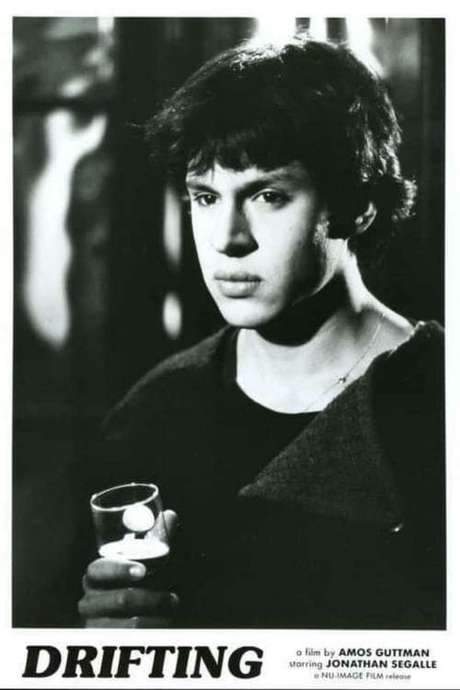
Drifting (1983) movie poster

Plot Summary

Drifting (1983) Plot Summary Explained

Release, runtime and language
1983 · 80 mins · Hebrew
Directed by
Amos Guttman
Starring
Ben Levin, Rashid Masharawi, Jonathan Sagall, Belinka Metzner, Dita Arel, Ami Traub

Robi, a young Israeli living with his grandparents and helping in their shop, longs for true love and a career as a film director. Both aspirations prove elusive: his filmmaking stalls without funding, and his romance remains unsteady. In a city that offers casual encounters, he finds no gay scene and yearns for a stable, committed relationship.

On this page (5)
  1. 1 What happens: full plot
  2. 2 Plot questions answered
  3. 3 Movie threads
  4. 4 Movies like Drifting
  5. 5 Every angle

Full plot summary · contains spoilers

What Happens in Drifting: Full Plot Summary

The whole story of Drifting (1983) explained, from the opening scene to the final frame: every key event, every twist and what it all adds up to. Read it as a quick recap before the sequel, to check a scene you missed, or to finally understand what really happened.

Robbie is a young gay man who lives with his grandmother and works in her grocery store. His mother left for Germany to run a restaurant, and his contact with his father is minimal.

He has two obsessions: to make a movie that will be the first cheerful film to win an Oscar, and to pursue men. He feels like a foreign immigrant in his own country, not only because of his name but also because he is a second-generation Holocaust survivor. Robbie lives like a tiger in a cage.

By day, he handles the shop, takes walks in the park, catches up with friends, and by night he ventures into Independence Park to seek sexual encounters, including visits to club bathrooms, and even brings two Palestinian terrorists to his home, with whom he has sex.

Robbie's grandmother fills her days with German women’s magazines, and she plays Rummy to the wail of Strauss. Her stance in the family’s life is to label Arabs as terrorists, and she is ashamed of Robbie yet tolerates his homosexuality, preferring to ignore the men he brings home and avoiding questions about his frequent park visits. To her, his sexual orientation feels like a stain on him and the entire family. When upset, she yells and asks when he will find a nice woman, marry, and start a family.

His ex-girlfriend would like to reconcile, but Robbie has fallen for a man named Han, who succumbed to social pressure and married a woman.

Robbie’s father, a Holocaust survivor with a heavy foreign accent, tries to explain that the norm is a family with a wife and children, and that gay men grow old alone. In one of the film’s boldest scenes, Robbie confronts a high school friend and pours out his anger about past bullying and how his friend feared being laughed at for staying friends with the “degenerate.”

The story concludes with Robbie failing to attract investors for his own film, and he begins to come to terms with his identity as a gay man.

Last updated: October 09, 2025 at 14:49

Was this helpful?

Plot questions answered

Drifting Plot Explained: Your Questions Answered

The questions people ask most about Drifting (1983): what happens in the confusing scenes, why the characters do what they do, the twists, hidden details and what the ending means. Each answer contains spoilers.

Q1

Why does Robbie bring Palestinian terrorists to his home?

Robbie brings two Palestinian terrorists home because he uses sexual encounters as a way to feel alive and break free from the shame and concealment that define his daily life. The act represents his rebellion against both his grandmother's nationalist views and the broader societal repression of his sexuality. By bringing men who represent the ultimate opposite of his grandmother's worldview, Robbie is actively rejecting the values forced upon him while desperately seeking connection.

Foreshadowing: Earlier scenes establish Robbie's pattern of seeking anonymous encounters in Independence Park, showing his desperation for intimacy away from family judgment.

  • palestinian terrorists
  • robbie
  • home
  • sexual encounter
  • rebellion
Q2

Why does Robbie want to make the first cheerful film to win an Oscar?

Robbie's dream to create a cheerful Oscar-winning film represents his deeper desire to prove that someone like him, a gay, second-generation Holocaust survivor who feels like an outsider, can achieve mainstream recognition and success. The film would validate his existence in a society that marginalizes him. This ambitious goal also contrasts sharply with his cramped reality working in his grandmother's grocery store, making it both an artistic aspiration and a form of self-affirmation.

Foreshadowing: The opening establishes Robbie's twin obsessions: filmmaking and pursuing men, showing how both stem from his need for validation and escape.

  • oscar
  • film dream
  • cheerful movie
  • director
  • robbie
Q3

Why does Robbie feel like a foreigner in his own country?

Robbie feels like a foreigner due to multiple overlapping identities: his name (which marks him as different), his sexuality which is repressed by Israeli society, and his status as a second-generation Holocaust survivor carrying generational trauma. He explicitly states he lives like a tiger in a cage, trapped between his grandmother's expectations, his cultural background, and his true self. His mother's abandonment to Germany and his distant father only deepen this sense of displacement.

Foreshadowing: The family background section establishes his mother's departure to Germany and minimal contact with his father, setting up his foundational sense of abandonment.

  • foreigner
  • israel
  • identity
  • holocaust survivor
  • outsider
Q4

What happened between Robbie and Han?

Robbie falls deeply in love with a man named Han, but Han ultimately succumbs to social pressure and marries a woman instead. This represents one of Robbie's most painful losses, not only losing the man he loves, but witnessing firsthand how societal expectations force gay men into heterosexual marriages. Han's choice to conform rather than be with Robbie haunts Robbie and reinforces his sense of isolation.

Foreshadowing: The timeline notes Robbie's pursuit of men in parks and clubs, showing his ongoing search for genuine connection that eventually leads to Han.

  • han
  • love
  • marriage
  • robbie
  • social pressure
  • gay
Q5

Why does Robbie's father say gay men grow old alone?

Robbie's father, a Holocaust survivor with a heavy accent, tries to impose traditional family values on his son, arguing that the normal path involves a wife and children. His warning that gay men grow old alone reflects both his generational perspective and the real historical marginalization of LGBTQ+ individuals. This conversation adds weight to Robbie's internal conflict between fulfilling family expectations and accepting his true identity.

Foreshadowing: Earlier scenes establish the father's minimal presence in Robbie's life, making this confrontation more impactful as one of their few meaningful exchanges.

  • father
  • family
  • norm
  • gay men
  • grow old alone
  • holocaust survivor
Q6

What does the ending mean when Robbie comes to terms with being gay?

The ending shows Robbie achieving personal acceptance of his gay identity despite continued external failures, he remains without investors for his film and has not found lasting love. This bittersweet resolution means his internal victory (self-acceptance) coexists with external disappointments (artistic and romantic). The film suggests that while societal recognition may elude him, embracing his authentic self is a meaningful triumph.

Foreshadowing: Robbie's failed investor meetings earlier signal that his external dreams will not be fulfilled, redirecting the story toward internal resolution.

  • ending
  • acceptance
  • gay identity
  • self-acceptance
  • bittersweet
Q7

Why does Robbie confront his high school friend about bullying?

Robbie confronts his high school friend to release years of accumulated anger about the bullying he suffered as a gay teenager. He accuses his friend of abandoning their friendship out of fear of being laughed at for associating with a 'degenerate.' The friend admits he distanced himself because he feared social ridicule. This confrontation represents Robbie's effort to process past trauma and hold those who rejected him accountable.

Foreshadowing: The grandmother's shame about Robbie's sexuality and her labeling of Arabs as terrorists establish the prejudice-filled environment that shaped Robbie's youth.

  • high school friend
  • bullying
  • confrontation
  • anger
  • robbie
Q8

Why does Robbie's grandmother tolerate his homosexuality but shame him for it?

Robbie's grandmother tolerates his homosexuality while shaming him because she views it as a family stain, a secret to be hidden rather than an identity to be accepted. She ignores the men he brings home and avoids discussing his park visits, not out of acceptance but out of denial. Her preference would be for him to marry a woman and live conventionally. This reflects a common 1980s approach where families concealed LGBTQ+ family members rather than confronting their existence.

Foreshadowing: The grandmother's consumption of German women's magazines and preference for traditional values establishes her narrow worldview throughout the film.

  • grandmother
  • homophobia
  • tolerance
  • shame
  • family
Q9

Why can't Robbie find investors for his film?

Robbie fails to secure investors for his Oscar-winning film, though the specific reasons are not detailed in the summary. The rejection amplifies his isolation and the gap between his ambitious dreams and reality. This failure becomes a narrative turning point, redirecting his journey toward accepting his identity rather than achieving external validation through artistic success.

Foreshadowing: The film establishes early that Robbie's filmmaking dream is one of his two main obsessions, making its failure a significant plot development.

  • investors
  • film funding
  • Oscar
  • rejection
  • dream
Q10

Why did Robbie's mother abandon him for Germany?

Robbie's mother left for Germany to run a restaurant, leaving him to live with his grandmother. This abandonment contributes significantly to Robbie's sense of being unwanted and his feeling of displacement. The choice to move to Germany, his grandmother's former homeland, creates an ironic connection between the German-influenced household and Robbie's own family rejection, deepening his psychological wounds.

Foreshadowing: The opening establishes his family background as characterized by absence and estrangement, foundational to his identity struggles.

  • mother
  • abandonment
  • germany
  • restaurant
  • family

Movie threads

More Movies Like Drifting, by Mood & Story

Curated lists built around what makes Drifting tick: the same mood, the same kind of story or the same emotional payoff. Each list explains why these movies belong together.

Movies about quiet yearning like Drifting

Stories of characters trapped by their surroundings, longing for an unattainable escape. If you liked the melancholic atmosphere and feeling of longing in Drifting, explore more movies about characters trapped by their circumstances. These films share a focus on unfulfilled desires, social alienation, and the slow burn of living in a world that feels confining.

  • yearning
  • melancholic
  • claustrophobic
  • lonely
  • frustrated
  • reflective
  • Tone: melancholic, yearning, frustrated
  • Pacing: slow, deliberate, reflective
Why these movies?

The story pattern: The narrative typically follows a character's internal journey as they grapple with a deep-seated yearning that clashes with their reality. The plot is often driven by quiet moments of reflection and small, often futile, attempts at change, rather than dramatic action. The conflict is primarily between the character's dreams and the immovable walls of their world.

Why they belong together: These films are grouped by their shared core emotion: a poignant, melancholic yearning. They create a specific, atmospheric vibe through slow pacing, a focus on internal conflict, and a setting that actively contributes to the protagonist's feeling of being trapped, resulting in a deeply reflective and often bittersweet experience.

Bittersweet queer coming-of-age stories like Drifting

Emotional journeys of self-discovery where acceptance is a personal, hard-won victory. For viewers who appreciated Drifting's exploration of gay identity and artistic struggle, this list features similar movies. These character-driven dramas follow young protagonists navigating love, self-acceptance, and purpose, often culminating in a realistically bittersweet but meaningful conclusion.

  • yearning
  • anxious
  • reflective
  • frustrated
  • lonely
  • bittersweet
  • Tone: melancholic, bittersweet, reflective
  • Pacing: slow, steady, character-focused
Why these movies?

The story pattern: The narrative centers on a protagonist's dual struggle for authentic self-expression in both love and creativity. The story is linear and character-driven, following their attempts to find connection and funding for their art. The central conflict is internal and societal, with victory measured in small steps of self-acceptance rather than grand external achievements.

Why they belong together: This group is defined by a specific character arc: a young person's quest for love and artistic fulfillment amidst social alienation. They share a straightforward narrative structure, a melancholic yet hopeful tone, medium emotional weight, and a conclusion that balances personal growth with the sobering reality of unmet external goals.

If you liked this

Movies Like Drifting

Similar movies to Drifting: the same genre, themes or kind of story. Each one comes with its own plot summary, timeline and ending explained.

Browse all movie summaries

Every angle

Drifting (1983) Explained: Plot, Timeline & Characters

Everything about Drifting in one place: what happens in the plot summary, the timeline in chronological order, the characters and meaning and a spoiler-free summary. What's After the Movie adds the cast, box office and post-credit scenes.

Coming soon on iOS and Android

The Plot Explained Movie Summary App

Plot summaries, endings explained and timelines on your phone. Catch up on any movie in minutes, save your favorites and never miss a twist again.

Be the first to know when we launch. Your email stays private, always.

Learn more about the app