Donald Trump’s The Art of the Deal: The Movie

Donald Trump’s The Art of the Deal: The Movie

Year: 2016

Runtime: 50 mins

Language: English

Director: Jeremy Konner

Comedy

Donald Trump possesses immense wealth, influence, and prestige, including a marriage to a woman from Eastern Europe. His remarkable achievements weren’t solely earned, however. He initially benefited from a substantial inheritance from his father and then aggressively pursued success in New York City. This film explores the strategies and techniques behind his negotiation skills, real estate ventures, and the pursuit of a luxurious lifestyle.

Warning: spoilers below!

Haven’t seen Donald Trump’s The Art of the Deal: The Movie yet? This summary contains major spoilers. Bookmark the page, watch the movie, and come back for the full breakdown. If you're ready, scroll on and relive the story!

Timeline – Donald Trump’s The Art of the Deal: The Movie (2016)

Trace every key event in Donald Trump’s The Art of the Deal: The Movie (2016) with our detailed, chronological timeline. Perfect for unpacking nonlinear stories, spotting hidden connections, and understanding how each scene builds toward the film’s climax. Whether you're revisiting or decoding for the first time, this timeline gives you the full picture.

1

Opening scene in 1986: boy visits Trump's office

The film opens with a young boy stumbling into Trump's office while clutching a copy of The Art of the Deal. A phone call from Merv Griffin sets the stage as Griffin refuses to sell him the Taj Mahal. Trump then proceeds to recount his background and personal history to educate the boy.

1986 Trump's office, New York
2

Chapter 1: Intimidating rent-controlled tenants (1983)

Set in 1983, Trump encounters a homeless vagrant and pressures him to terrify the tenants in one of his buildings. The move illustrates his ruthless approach to expanding his real estate empire. The scene uses the mock-lesson framing to show how he wields intimidation as a business tool.

1983 New York City
3

Chapter 2: 1973 clash with Ed Koch and allies

In a 1973 frame, Trump clashes with Mayor Ed Koch and explores ways to dodge civil rights charges by aligning with club owner Igor Cassini. He hires Roy Cohn to lead the legal fight, setting a pattern of aggressive, high-profile tactics. The chapter presents the beginnings of a long, combative legal era.

1973 New York City
4

Chapter 2: Roy Cohn hired to lead the defense

Roy Cohn is brought in to direct the civil battles, shaping the defense and courtroom strategies. The narrative follows the aggressive maneuvers that define Trump's early legal battles. The chapter foreshadows the later transition to Jerry Schrager after Cohn's death.

1973–1980s New York City
5

Chapter 2: Cohn's death and Schrager takes over

The death of Roy Cohn ushers in a shift as Jerry Schrager becomes Trump's new lawyer, changing the tone of the legal maneuvers surrounding his ventures. The narrative emphasizes the turnover in legal strategy amid ongoing battles. The moment marks a transition to new approaches in the courtroom.

Late 1970s–1980s New York City
6

Chapter 2: The Fat Boys rap about litigation

Trump performs a rap about litigation with the Fat Boys, heightening the satirical tone of his legal battles. The musical interlude adds a layer of theatricality to the proceedings. It signals a shift in the film's mood toward spectacle and parody.

1980s Trump's office
7

Chapter 3: NFL/USFL feud and antitrust ruling

Trump recounts his feud with Pete Rozelle over ownership of the New Jersey Generals and a high-profile antitrust lawsuit. A judge ultimately rules in Trump's favor, but the damages awarded are a symbolic $1, underscoring the performative nature of the conflict. The episode emphasizes the performative, theatrical side of his battles.

1984–1985 Courtroom, United States
8

Chapter 3: Ivana's entrance and Trump Castle anecdotes

Ivana enters the office, and a personal perspective on the empire is offered through a recounting of time at Trump Castle. The scene broadens the cast of voices and adds a domestic lens to the tale. Her account helps frame the enterprise as a public spectacle as well as a business.

1980s Trump's office/Atlantic City
9

Chapter 4: Buying a casino from the Hilton family

Trump pursues a casino purchase from Barron Hilton, marking a pivotal expansion of his Atlantic City footprint. Hilton's sale signals a turning point in consolidating influence over the gaming landscape. The sequence heightens the sense of a growing, multi-front empire.

1980s Atlantic City
10

Chapter 5: Marrying Ivana and ALF as best man

The tale moves to 1977, recounting Trump's marriage to Ivana, with ALF serving as best man. Der Scutt presents his design for the Taj Mahal, blending architectural ambition with the film’s whimsical humor. The chapter ties personal life to the ongoing production and publicity machine.

1977 New York/Atlantic City
11

The Taj Mahal and Trump Tower air-rights arc

The arc culminates in tense negotiations over air rights and the visual impact of the constructions, drawing protest from Met Museum insiders. Trump consults Walter Hoving of Tiffany & Co. as concerns about scale and cultural costs rise. The sequence frames a clash between spectacle and cultural preservation.

Late 1980s New York City / Atlantic City
12

Griffin relents and sells the Taj Mahal

After the boy finishes his lesson, Merv Griffin relents and sells Trump the Taj Mahal, enabling the project’s late-stage ambitions to reach their apex. The sale marks a turning point in Trump’s Atlantic City empire. The moment ties together the film’s satire with tangible forward motion.

Late 1980s Atlantic City
13

Time travel arrives: 2016

A time traveler from 2016 enters, intent on stopping Trump from running for president. The meta-fictional device introduces a time-travel motif that threads through the film's final act. The sequence blurs the line between history and fantasy.

2016 Temporal sequence
14

Climax: 2016 Trump defeats time traveler and Doc Brown

The 2016 Trump appears and eliminates the time traveler, seemingly killing Doc Brown to prevent Back to the Future’s legacy from existing. The moment plays as a surreal reversal of cinematic history. It reinforces the film’s chaotic satire about destiny and fame.

2016 Temporal sequence
15

Birthday candles: 40th birthday capstone

The climactic meta-narrative places Trump at his 40th birthday, with surreal candle moments that cap the film’s wild ride. The scene laces personal milestone with the broader commentary on ambition and spectacle. It leaves the audience with a bizarre, symbolic image of the era.

1986 Unspecified
16

Post-credits: director’s reflection

In a post-credits moment, Ron Howard reflects on the project’s unintended consequences and disposes of the videotape. The director’s aside casts a final wink at the film’s self‑aware critique of Hollywood and publicity. It closes the metafictional loop with a quiet, reflective note.

Post-credits Film set

Last Updated: October 03, 2025 at 06:45

Mobile App Preview

Coming soon on iOS and Android

The Plot Explained Mobile App

From blockbusters to hidden gems — dive into movie stories anytime, anywhere. Save your favorites, discover plots faster, and never miss a twist again.

Sign up to be the first to know when we launch. Your email stays private — always.

Explore Movie Threads

Discover curated groups of movies connected by mood, themes, and story style. Browse collections built around emotion, atmosphere, and narrative focus to easily find films that match what you feel like watching right now.

Absurdist Celebrity Satires like Donald Trump’s The Art of the Deal: The Movie

Whimsical comedies that playfully roast public figures with surreal humor.Explore movies like Donald Trump’s The Art of the Deal: The Movie that blend satire, biography, and surrealism. If you enjoyed the film's playful mockery of a public figure and its ridiculous, meta-fictional style, you'll find similar humorous critiques of fame and ambition in these titles.

satiricalabsurdmetaplayfulridiculoustongue-in-cheekirreverentsilly

Narrative Summary

These narratives often follow a loose biographical framework but quickly deviate into absurdity, using non-linear structures, framing devices, and surreal vignettes to explore their subject. The focus is less on a traditional plot and more on a series of comedic sketches or chapters that build a satirical portrait.

Why These Movies?

They are grouped by their shared approach to satire: a fast-paced, whimsical tone that uses absurdity and surreal humor to critique celebrity culture, media, and self-promotion without becoming mean-spirited or heavy.
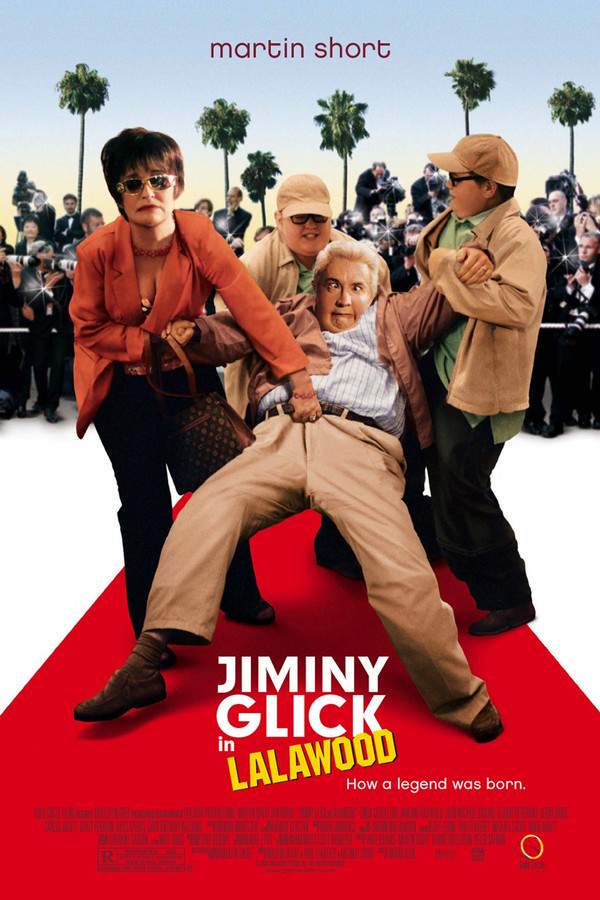
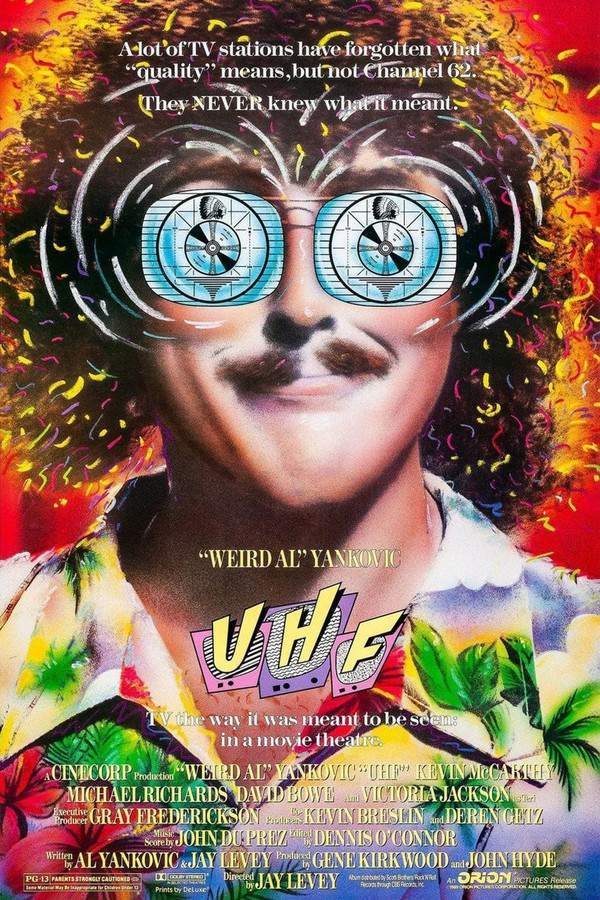
Meta-Fictional Comedies like Donald Trump’s The Art of the Deal: The Movie

Playful stories that break the fourth wall and toy with narrative conventions.Find movies similar to Donald Trump’s The Art of the Deal: The Movie that feature meta humor and self-referential storytelling. These comedies play with narrative structure, often breaking the fourth wall or incorporating surreal elements, perfect for viewers who enjoy clever, layered humor.

metaself-referentialplayfulcleverunconventionalbrainyinnovativepostmodern

Narrative Summary

The narrative pattern involves a story that is explicitly framed as a constructed piece of fiction. Plots often incorporate commentary on the filmmaking process, unexpected detours that defy logic, and endings that comment on the story's own outcome, leaving things ambiguously unresolved.

Why These Movies?

They share a core comedic device: a self-referential, meta-fictional layer that adds depth and humor. The enjoyment comes from the clever way the film acknowledges and plays with its own format and the audience's expectations.

Unlock the Full Story of Donald Trump’s The Art of the Deal: The Movie

Don't stop at just watching — explore Donald Trump’s The Art of the Deal: The Movie in full detail. From the complete plot summary and scene-by-scene timeline to character breakdowns, thematic analysis, and a deep dive into the ending — every page helps you truly understand what Donald Trump’s The Art of the Deal: The Movie is all about. Plus, discover what's next after the movie.

Donald Trump’s The Art of the Deal: The Movie Summary

Read a complete plot summary of Donald Trump’s The Art of the Deal: The Movie, including all key story points, character arcs, and turning points. This in-depth recap is ideal for understanding the narrative structure or reviewing what happened in the movie.

Donald Trump’s The Art of the Deal: The Movie Summary

Characters, Settings & Themes in Donald Trump’s The Art of the Deal: The Movie

Discover the characters, locations, and core themes that shape Donald Trump’s The Art of the Deal: The Movie. Get insights into symbolic elements, setting significance, and deeper narrative meaning — ideal for thematic analysis and movie breakdowns.

Characters, Settings & Themes in Donald Trump’s The Art of the Deal: The Movie

Donald Trump’s The Art of the Deal: The Movie Spoiler-Free Summary

Get a quick, spoiler-free overview of Donald Trump’s The Art of the Deal: The Movie that covers the main plot points and key details without revealing any major twists or spoilers. Perfect for those who want to know what to expect before diving in.

Donald Trump’s The Art of the Deal: The Movie Spoiler-Free Summary

More About Donald Trump’s The Art of the Deal: The Movie

Visit What's After the Movie to explore more about Donald Trump’s The Art of the Deal: The Movie: box office results, cast and crew info, production details, post-credit scenes, and external links — all in one place for movie fans and researchers.

More About Donald Trump’s The Art of the Deal: The Movie