Plot Explained Spoilers guaranteed!
Plot Explained

Browse by genre

Donald Trump’s The Art of the Deal: The Movie (2016) movie poster

Characters & Themes

Donald Trump’s The Art of the Deal: The Movie (2016) Characters, Setting & Themes Explained

Release, runtime and language
2016 · 50 mins · English
Directed by
Jeremy Konner
Starring
Jacob Tremblay, Alfred Molina, Jason Mantzoukas, Ron Howard, Kristen Schaal, Patton Oswalt

Donald Trump possesses immense wealth, influence, and prestige, including a marriage to a woman from Eastern Europe. His remarkable achievements weren’t solely earned, however. He initially benefited from a substantial inheritance from his father and then aggressively pursued success in New York City. This film explores the strategies and techniques behind his negotiation skills, real estate ventures, and the pursuit of a luxurious lifestyle.

On this page (6)
  1. 1 Characters explained (11)
  2. 2 Where & when it takes place
  3. 3 Themes & meaning (3)
  4. 4 Character & meaning questions
  5. 5 Movie threads
  6. 6 Every angle

11 main characters · contains spoilers

Donald Trump’s The Art of the Deal: The Movie Characters Explained: Who Is Who

The main characters of Donald Trump’s The Art of the Deal: The Movie (2016), heroes and villains: what drives them, how they change over the course of the story and what each of them reveals about the film's bigger ideas.

  • Donald J. Trump (Johnny Depp)

    The central figure and narrator of the piece, a brash real-estate mogul whose gleaming ambition drives him to manipulate markets, people, and public perception. He revels in power plays, persuasive rhetoric, and larger-than-life spectacle, often blurring fact and performance. His arc demonstrates how a relentless appetite for control shapes both empire-building and personal myth.

    • 💬 Persuasive
    • 🧠 Strategic
    • 🤑 Ambitious
  • Ivana Trump (Michaela Watkins)

    A key voice in recounting Trump Castle and the personal side of the empire, she provides a candid look at life inside the glittering business machine. Her perspective adds a human dimension to the spectacle, highlighting relationships, power dynamics, and private ambition within a public enterprise. Her presence anchors the marriage-as-brand motif in the narrative.

    • 💼 Business
    • 💃 Glamour
    • 🗝️ Influence
  • Roy Cohn (Paul Scheer)

    Trump's hired legal firebrand, leading aggressive strategies to defy charges and push through his plans. His ruthless, combative approach encapsulates a cynical view of law as a tool for advantage. The character’s arc foreshadows the lasting consequences of power-driven legal maneuvering.

    • ⚖️ Legal Strategy
    • 🗡️ Aggressive
    • 🧪 Controversial
  • Barron Hilton (Stephen Merchant)

    Hotelier who becomes a gatekeeper and negotiator in Trump's casino acquisition, signaling a pivotal expansion of influence. His involvement marks a turning point in the empire-building narrative, balancing business pragmatism with the drama of high-stakes deals. He embodies the intersect of corporate power and entertainment ambition.

    • 🏰 Casinos
    • 🤝 Deals
    • 🏛️ Legacy
  • Der Scutt (Jack McBrayer)

    Architect of the Taj Mahal's vision and a symbolic figure of design-driven spectacle. His role highlights how architecture becomes a stage for ambition, branding, and public display. He also appears in a way that underlines the film’s playful, surreal tone.

    • 🏗️ Architecture
    • 🧩 Design
    • 🪄 Whimsy
  • Merv Griffin (Patton Oswalt)

    Media mogul who holds the line on selling the Taj Mahal, then relents later, illustrating the tension between prestige and negotiation. His role frames the deal-making as entertainment and power, echoing the era's media-industrial complex. The character's interaction with Trump heightens the satire of celebrity-led commerce.

    • 🎭 Media
    • 📺 Negotiation
    • 💡 Influence
  • Ed Koch (Henry Winkler)

    Mayor who appears during a critical clash over discrimination and political maneuvering, representing urban governance and its conflicts with Trump's expansion. His involvement places the story within a larger city-politics context. The portrayal blends real historical figures with the film’s satirical framing.

    • 🏙️ Politics
    • 🗳️ City
    • 🗣️ Public Voice
  • Walter Hoving (Robert Morse)

    Tiffany & Co. executive consulted on air rights and the building's cultural footprint, illustrating the clash between luxury branding and architectural scale. His guidance emphasizes the veneer of refinement in a sprawling, consumer-culture empire. The scene underscores the tension between artful display and practical constraints.

    • 💎 Luxury
    • 🧭 Guidance
    • 🏛️ Culture
  • Doc Brown (Christopher Lloyd)

    A meta-time traveler figure whose presence introduces a sci-fi twist and a cliff-hanging body-swap energy at the narrative’s end. His interactions with Trump contribute to the film’s playful critique of legacy and history. The character embodies the film's surreal approach to storytelling.

    • ⏳ Time Travel
    • 🧪 Fantasy
    • 🎭 Meta
  • Alf (Paul Fusco)

    Pop-cultural icon who appears as best man in a joke-heavy moment, blending celebrity whimsy into the real estate saga. His cameo heightens the film’s collage-like structure, adding another layer of absurdity. The moment reinforces the satire of celebrity-sponsored events in business life.

    • 👽 Pop Culture
    • 🎉 Cameo
    • 🌀 Satire
  • Kid #4 (Jacob Tremblay)

    A young observer in the office who serves as the lens through which the audience experiences the tale’s moral and speculative turns. The character’s narrative arc underscores the film’s commentary on publicity, image, and the making of a public figure. His interactions anchor the chapter-driven structure of the story.

    • 👦 Youth
    • 🕰️ Frame Device
    • 🧭 Perspective

Last updated: October 03, 2025 at 06:11

Was this helpful?

Setting

Where and When Does Donald Trump’s The Art of the Deal: The Movie Take Place?

The setting of Donald Trump’s The Art of the Deal: The Movie (2016): the year and time period, the places and locations, and how they shape the characters, the mood and the tension of the story.

Time period

1973–1986, with a 2016 meta twist

The narrative unfolds across the 1970s and 1980s, charting key years like 1973, 1977, 1983, and 1986 as chapter anchors. It follows Trump’s real estate blitz, court battles, and casino ambitions against the backdrop of political figures and cultural touchstones of those decades. A 2016 time-travel interruption introduces a post-2010s frame that recontextualizes the tale as satire about legacy and media spectacle.

Location

New York City, Atlantic City

The action weaves between New York City and Atlantic City, reflecting Trump's ascent from a Manhattan office to the casino belt of New Jersey. Atlantic City serves as the primary playground for high-stakes deals, hotel openings, and elaborate spectacle around the Taj Mahal and Trump Castle. The story uses the boardwalks, glitzy hotels, and waterfront skyline to contrast public triumph with private maneuvering.

  • 🏙️ Cityscape
  • 🎰 Casinos
  • 🗽 Iconic
  • 🧭 Coastal

Last updated: October 03, 2025 at 06:11

Was this helpful?

3 major themes

Donald Trump’s The Art of the Deal: The Movie Meaning: Themes & Message Explained

What is Donald Trump’s The Art of the Deal: The Movie (2016) really about? The emotional, social and philosophical themes the film keeps returning to, its symbolism and the message beneath the surface.

  • Ambition

    Ambition drives the central narrative, pushing Trump toward ever larger bets and bold public personae. The film satirizes how calculated risk, branding, and performance propel a business empire forward. Each chapter showcases strategic moves that blend personal desire with public showmanship.

  • Power & Law

    The pursuit of influence collides with legal and political obstacles, from discriminatory lawsuits to antitrust skirmishes. The cast hires aggressive lawyers and maneuver around regulations to shape outcomes. The satire reveals how money, fame, and legal tricks can bend rules and realities.

  • Media Satire

    The story treats publicity as a weapon, turning headlines, cameos, and pop-culture icons into plot devices. It revels in surreal set-pieces—musical rap about litigation, time-travel cameos, and celebrity crossovers—to question authenticity and spectacle. The film uses meta-narrative glitches to poke fun at the era’s obsession with image.

Last updated: October 03, 2025 at 06:11

Was this helpful?

Character & theme questions

Donald Trump’s The Art of the Deal: The Movie Characters & Meaning: Your Questions Answered

The questions people ask about Donald Trump’s The Art of the Deal: The Movie (2016): who the characters really are, their relationships, what the symbols mean, where it takes place and what the movie is really about. Each answer contains spoilers.

Q1

Where is the movie set?

The film takes place primarily in New York City and Atlantic City, reflecting Trump's real estate ascent from Manhattan offices to the casino belt of New Jersey. Atlantic City serves as the main stage for high-stakes deals, hotel openings, and the spectacle surrounding the Taj Mahal and Trump Castle.

  • new york city
  • atlantic city
  • setting
  • locations
  • casinos
Q2

When does the story take place?

The narrative unfolds across the 1970s and 1980s, covering key years like 1973, 1977, 1983, and 1986. A 2016 time-travel interruption adds a meta twist that recontextualizes the tale as satire about legacy and media spectacle.

  • 1970s
  • 1980s
  • time period
  • era
  • 2016
Q3

What are the main themes of the movie?

The film explores three core themes: Ambition, which drives Trump's relentless pursuit of larger bets and bold public personae; Power & Law, showing how money and legal maneuvering can bend rules; and Media Satire, using surreal set-pieces and meta-narrative to question authenticity and spectacle in business.

  • ambition
  • power
  • law
  • media satire
  • themes
Q4

Who plays the main character?

Johnny Depp portrays Donald J. Trump as the central figure and narrator. His portrayal depicts a brash real-estate mogul whose gleaming ambition drives him to manipulate markets, people, and public perception, often blurring fact and performance.

  • johnny depp
  • donald trump
  • main character
  • cast
Q5

What role does Atlantic City play in the story?

Atlantic City serves as the primary playground for Trump's casino ambitions, featuring the openings of the Taj Mahal and Trump Castle. The boardwalks, glitzy hotels, and waterfront skyline contrast public triumph with private maneuvering, symbolizing the era's blend of business and entertainment.

  • atlantic city
  • casinos
  • taj mahal
  • trump castle
Q6

Who is Roy Cohn in the movie?

Roy Cohn, played by Paul Scheer, serves as Trump's hired legal firebrand who leads aggressive strategies to defy charges and push through plans. His ruthless, combative approach represents a cynical view of law as a tool for advantage, foreshadowing lasting consequences of power-driven legal maneuvering.

  • roy cohn
  • paul scheer
  • lawyer
  • legal strategy
Q7

How does the movie use satire?

The film treats publicity as a weapon, turning headlines, cameos, and pop-culture icons into plot devices. It features surreal set-pieces like a Fat Boys rap about litigation, time-travel cameos with Christopher Lloyd as Doc Brown, and celebrity crossovers to question authenticity and spectacle.

  • satire
  • media
  • parody
  • celebrity
  • surreal
Q8

What does the movie say about ambition?

Ambition drives the central narrative, pushing Trump toward ever larger bets and bold public personae. The film satirizes how calculated risk, branding, and performance propel a business empire forward, showing strategic moves that blend personal desire with public showmanship.

  • ambition
  • business
  • branding
  • success
Q9

What is Ivana Trump's role in the movie?

Ivana Trump, played by Michaela Watkins, provides a key voice recounting Trump Castle and the personal side of the empire. Her perspective adds a human dimension to the spectacle, highlighting relationships, power dynamics, and private ambition within a public enterprise, anchoring the marriage-as-brand motif.

  • ivana trump
  • michaela watkins
  • wife
  • marriage
Q10

Who is Doc Brown in the movie?

Christopher Lloyd appears as Doc Brown, a meta-time traveler figure whose presence introduces a sci-fi twist and cliff-hanging body-swap energy at the narrative's end. His interactions contribute to the film's playful critique of legacy and history.

  • christopher lloyd
  • doc brown
  • time travel
  • back to the future
Q11

What celebrity cameos appear in the film?

The movie features numerous celebrity cameos including Alf as best man, Patton Oswalt as media mogul Merv Griffin, and Henry Winkler as Mayor Ed Koch. These cameos heighten the film's collage-like structure and add layers of absurdity to the real estate saga.

  • cameos
  • celebrity
  • alf
  • patton oswalt
  • henry winkler
Q12

What is the tone of the movie?

The film's tone is overwhelmingly whimsical and satirical, with tongue-in-cheek presentation and absurd plot points like ALF as best man and time-travel subplots. The pacing is fast due to the chapter-based structure covering various business dealings, blending comedy with sharp social commentary.

  • tone
  • style
  • satire
  • comedy
  • whimsical

Movie threads

More Movies Like Donald Trump’s The Art of the Deal: The Movie, by Mood & Story

Curated lists built around what makes Donald Trump’s The Art of the Deal: The Movie tick: the same mood, the same kind of story or the same emotional payoff. Each list explains why these movies belong together.

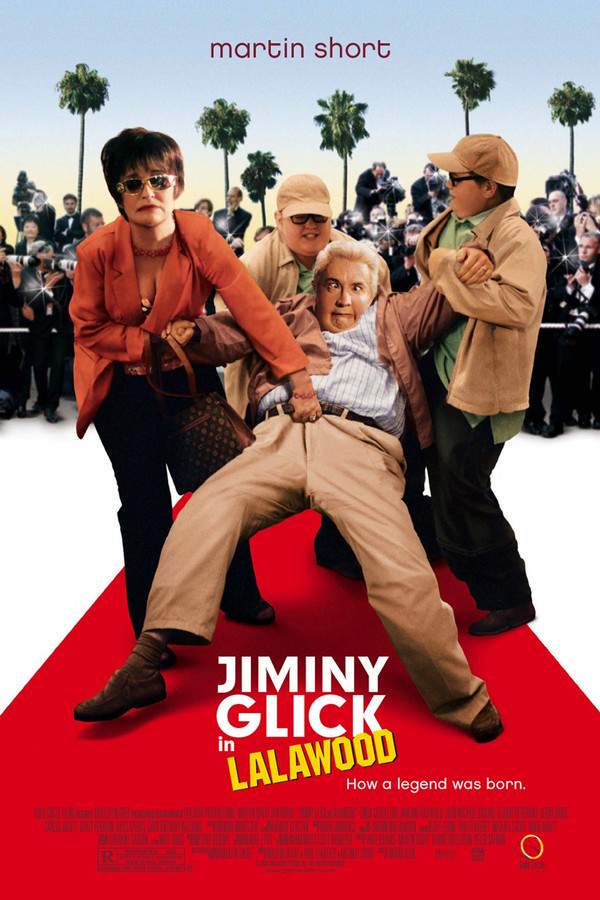
Absurdist Celebrity Satires like Donald Trump’s The Art of the Deal: The Movie

Whimsical comedies that playfully roast public figures with surreal humor. Explore movies like Donald Trump’s The Art of the Deal: The Movie that blend satire, biography, and surrealism. If you enjoyed the film's playful mockery of a public figure and its ridiculous, meta-fictional style, you'll find similar humorous critiques of fame and ambition in these titles.

  • satirical
  • absurd
  • meta
  • playful
  • ridiculous
  • tongue-in-cheek
  • Tone: whimsical, satirical, playful
  • Pacing: fast, episodic
Why these movies?

The story pattern: These narratives often follow a loose biographical framework but quickly deviate into absurdity, using non-linear structures, framing devices, and surreal vignettes to explore their subject. The focus is less on a traditional plot and more on a series of comedic sketches or chapters that build a satirical portrait.

Why they belong together: They are grouped by their shared approach to satire: a fast-paced, whimsical tone that uses absurdity and surreal humor to critique celebrity culture, media, and self-promotion without becoming mean-spirited or heavy.
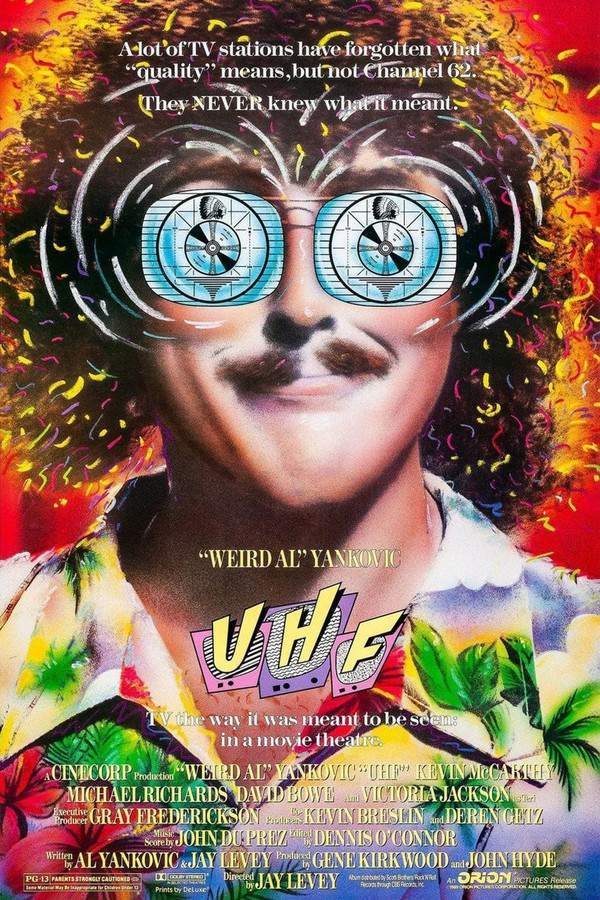
Meta-Fictional Comedies like Donald Trump’s The Art of the Deal: The Movie

Playful stories that break the fourth wall and toy with narrative conventions. Find movies similar to Donald Trump’s The Art of the Deal: The Movie that feature meta humor and self-referential storytelling. These comedies play with narrative structure, often breaking the fourth wall or incorporating surreal elements, perfect for viewers who enjoy clever, layered humor.

  • meta
  • self-referential
  • playful
  • clever
  • unconventional
  • brainy
  • Tone: whimsical, ironic, tongue-in-cheek
  • Pacing: fast, variable
Why these movies?

The story pattern: The narrative pattern involves a story that is explicitly framed as a constructed piece of fiction. Plots often incorporate commentary on the filmmaking process, unexpected detours that defy logic, and endings that comment on the story's own outcome, leaving things ambiguously unresolved.

Why they belong together: They share a core comedic device: a self-referential, meta-fictional layer that adds depth and humor. The enjoyment comes from the clever way the film acknowledges and plays with its own format and the audience's expectations.

Every angle

Donald Trump’s The Art of the Deal: The Movie (2016) Explained: Plot, Timeline & Characters

Everything about Donald Trump’s The Art of the Deal: The Movie in one place: what happens in the plot summary, the timeline in chronological order, the characters and meaning and a spoiler-free summary. What's After the Movie adds the cast, box office and post-credit scenes.

Coming soon on iOS and Android

The Plot Explained Movie Summary App

Plot summaries, endings explained and timelines on your phone. Catch up on any movie in minutes, save your favorites and never miss a twist again.

Be the first to know when we launch. Your email stays private, always.

Learn more about the app