Plot Explained Spoilers guaranteed!
Plot Explained

Browse by genre

The Adventures of Picasso (1978) movie poster

Timeline

The Adventures of Picasso (1978) Timeline Explained – Every Event in Order

Release, runtime and language
1978 · 115 mins · Swedish
Directed by
Tage Danielsson
Starring
Tomas Alfredson, Gösta Ekman, Bernard Cribbins, Margaretha Krook, Sven Lindberg, Toivo Pawlo

Written by Hans Alfredson and Tage Danielsson, this farcical biopic portrays Pablo Picasso’s life with affectionate exaggeration, sketching his childhood, his artistic prime, and the final years before his death, while also weaving in assorted episodes from the intervening periods.

On this page (5)
  1. 1 Events in order (15)
  2. 2 Timeline questions answered
  3. 3 Movie threads
  4. 4 Movies like The Adventures of Picasso
  5. 5 Every angle

15 events in order · contains spoilers

The Adventures of Picasso Timeline: Events in Chronological Order

Every key event of The Adventures of Picasso (1978) in order, scene by scene, with when and where it takes place. Use it to untangle flashbacks, time jumps and parallel storylines, to refresh your memory before the sequel or to find the exact scene you are thinking of.

  1. Birth in Málaga and early talent

    The film opens with Pablo Picasso's birth in Málaga. His father, Don Jose, is an artist who quickly recognizes his son's talent when Pablo sculpts a figure of him from food. This moment sets the tone for Picasso's lifelong quest to express art.

    When
    birth
    Where
    Málaga, Spain
  2. Trip to Madrid and the gift of magical paint

    As a boy, his father takes him toward Madrid to study art. On the road they encounter two robbers who threaten a beautiful girl named Dolores. After Picasso's slapstick defeat, Dolores gives him a bottle of paint containing a djinn, and he uses the paint to sign all his paintings.

    When
    early life
    Where
    Route from Málaga to Madrid
  3. Praise at the academy and tense home life

    At the Madrid art academy, Picasso's talent is praised and rewarded. He returns home with a portrait of his mother Dona Maria, which earns praise there as well. At the funeral, it appears Don Jose has died, but he is revealed to be alive, and Dona Maria rebukes him harshly.

    When
    early life
    Where
    Madrid and home
  4. Don Jose's Paris visit and the spark of Cubism

    Picasso travels to Paris where he struggles to sell his paintings. His father visits with the news that Dona Maria is dead. During this visit, Don Jose starts to eat an apple that Picasso used as a reference, and Picasso begins to draw faster, using the apple as reference; this process helps usher in the birth of cubism.

    When
    early 1900s
    Where
    Paris
  5. Vernissage fails and Gertrude Stein buys in

    At a Paris vernissage, Picasso lowers the painting down from a window using a fishing rod after the crowd reacts with surprise and disbelief. The painting garners praise from one guest who buys it; the great writer Gertrude Stein acquires the work, marking Picasso's entry into the Paris art world.

    When
    early 1900s
    Where
    Paris, Vernissage
  6. Ingrid Svensson-Guggenheim enters Picasso's world

    An American magnate, Ingrid Svensson-Guggenheim, arrives in Paris determined to become part of Picasso's art world. She buys into the aura of his genius, lingering for influence and prestige. Her arrival stirs tension as new patrons jockey for position around Picasso.

    When
    early 20th century
    Where
    Paris
  7. Masquerade in Rousseau's honor

    Rousseau hosts a grand masquerade in his honor, with guests dressed as furniture and famous historical figures. The festivities reach a surreal peak as Rousseau plays the violin and then flies out the window into the Paris night.

    When
    pre-WWI
    Where
    Rousseau's forest, Paris
  8. The world moves toward war in 1914

    The year 1914 frees a hopeful mood of liberty, equality, and fraternity, but the onset of World War I shatters that dream. The city and continent brace for upheaval as headlines announce the coming conflict.

    When
    1914
    Where
    Europe
  9. Postwar news and the bald look

    In 1918, after the war, Picasso reunites with his father, who has invented a shampoo that claims to regrow hair. The invention leaves Picasso without hair, giving him his distinctive bald look.

    When
    1918
    Where
    Europe
  10. Ballet in London and a dinner service gone wrong

    Back in Europe, Picasso works on sets and costumes for a Russian ballet, with its London premiere failing to impress audiences. Don Jose handles the dancers' food, and misunderstandings lead to a comical cascade of flatulence among the performers.

    When
    post-1918
    Where
    London
  11. Sirkka the Finnish singer and a move to New York

    In Paris, Picasso becomes enchanted by Sirkka, a Finnish singer whose repertoire includes a recipe for kalakukko. When he discovers the song is all she has, he becomes restless and travels to New York City with his father.

    When
    early 1920s
    Where
    New York City
  12. Art underground and a prohibition era trial

    In America there is a prohibition on art, and Picasso works underground while delivering a set of works to Mrs X, revealed to be Ingrid Svensson-Guggenheim. A shootout between gangsters Big Mac Kahnweiler and Mr. Peperoni erupts, interrupted by a police raid and a foulmouthed cop who accuses Picasso of murder. An impromptu trial, with Ingrid and the gangs as jurors, convicts Picasso as art being a lethal poison.

    When
    Prohibition era (1920s)
    Where
    New York, USA
  13. Escape from the electric chair

    The electric chair fails to work, and an enterprising Norwegian electrician named Grieg is called to fix it. The device misfires, and Picasso escapes by drawing a door on the wall and slipping back into Europe.

    When
    1920s
    Where
    New York, USA
  14. Europe under fascist shadows

    Mussolini, Hitler, and Franco rise to power across Europe. Don Jose joins the German army and is promoted to a SS role as Hauptbahnhof, in charge of Operation Ostrich to hunt down opposition.

    When
    World War II era
    Where
    Europe
  15. Postwar Riviera life and the Great Picasso crash

    Picasso settles on the Riviera with Dolores and her granddaughter, and his home becomes a living museum while he still lives there. After drinking the ink from a magic bottle, he dies and the signatures on his paintings disappear, triggering the Great Picasso crash. In a final twist, Picasso is not really dead; he rises, waves to his paintings, and fades into the wall.

    When
    post-WWII
    Where
    French Riviera

Last updated: October 05, 2025 at 11:16

Was this helpful?

Timeline questions answered

The Adventures of Picasso Timeline Explained: Your Questions Answered

When does it happen, and why in that order? The questions people ask about the chronology of The Adventures of Picasso (1978): time jumps, flashbacks, cause and effect between scenes and the correct order of events, each answered with spoilers.

Q1

Why does Picasso become bald in the film?

Picasso gets his distinctive bald look after his father Don Jose invents a shampoo in 1918 that claims to regrow hair. The product fails spectacularly, leaving Picasso completely bald. This absurd invention occurs after World War I ends when father and son reunite, and the film uses this comedic moment to explain Picasso's iconic appearance.

  • bald
  • shampoo
  • Don Jose
  • 1918
Q2

How does Cubism begin in the film?

Cubism is born during a visit from Picasso's father Don Jose to Paris. While Picasso struggles to sell his paintings, his father arrives with the news that Dona Maria has died. During the visit, Don Jose starts eating an apple that Picasso used as a reference for his work. Picasso begins drawing faster, using the apple as reference, and this process of breaking down objects geometrically ushers in the birth of cubism.

  • cubism
  • apple
  • Don Jose
  • Paris
  • art movement
Q3

What is the magical paint that Picasso receives?

On the road to Madrid, young Picasso and his father encounter robbers threatening a beautiful woman named Dolores. After Picasso defeats the robbers, Dolores rewards him with a bottle of paint containing a djinn. This magical paint allows Picasso to sign all his paintings, and the djinn later appears again when Picasso drinks the ink at the end of his life, symbolizing the magical nature of his artistic gift.

  • magical paint
  • djinn
  • Dolores
  • signature
Q4

Why does Don Jose join the German army during WWII?

During World War II, Don Jose absurdly joins the German army and is promoted to a theatrical SS position in charge of 'Operation Ostrich,' a satirical operation to hunt down opposition. The film treats this with typical farcical humor, Don Jose switches allegiances comically, later shedding his German uniform for a French one after the war ends and singing the blues about America.

  • Don Jose
  • German army
  • WWII
  • Operation Ostrich
  • satire
Q5

How does Picasso escape the electric chair?

During a surreal prohibition-era trial in New York where Picasso is convicted of art being a lethal poison, he is sentenced to the electric chair. The chair fails to execute him, and a Norwegian electrician named Grieg is called to fix it. The device misfires, and Picasso escapes by drawing a door on the wall and slipping through it back to Europe, a final absurdist trick that plays with his artistic power.

Foreshadowing: The film earlier shows Picasso using artistic improvisation to lower a painting from a window at the vernissage.

  • electric chair
  • escape
  • New York
  • Grieg
  • trial
Q6

Who is Mrs. X that Picasso delivers paintings to?

Mrs. X, to whom Picasso delivers paintings during Prohibition-era New York, is revealed to be Ingrid Svensson-Guggenheim in a different guise. She first appeared in Paris as a Swedish-American investor keen on acquiring Picasso's work. She returns in New York under the alias Mrs. X, continuing her pursuit of the artist's work and serving as a juror during his absurd trial.

  • Mrs. X
  • Ingrid Svensson-Guggenheim
  • New York
  • patron
Q7

What happens at the masquerade party in Rousseau's honor?

Rousseau hosts a grand masquerade where guests arrive dressed as furniture and famous historical figures, a surreal, fairy-tale moment in the film. The festivities reach a peak when Rousseau plays the violin and then somehow leaps out the window into the Paris night, flying away as the music carries on. This sequence exemplifies the film's whimsical, absurdist approach.

  • Rousseau
  • masquerade
  • furniture
  • flying
  • Paris
Q8

What is the Great Picasso crash?

After Picasso settles on the Riviera with Dolores and her granddaughter, he drinks the ink from the magical bottle that Dolores gave him long ago. This causes him to die temporarily, and the signatures on his paintings vanish, triggering what the film calls the 'Great Picasso crash.' The art world loses confidence in works that can no longer be authenticated, representing a satirical take on the commodification of art.

Foreshadowing: The magical paint first appeared when Dolores gave it to young Picasso.

  • Great Picasso crash
  • signatures
  • Riviera
  • ink
Q9

Does Picasso really die at the end of the film?

Picasso does not actually die at the end. After collapsing from drinking the magical ink and being presumed dead, he rises again, bids farewell to his canvases, and fades into the wall, a final surreal trick. This ambiguous ending refuses a clear mythic conclusion, instead suggesting that Picasso the man dissolves into the legend and image he created, playing with the idea of the artist becoming art.

  • death
  • ending
  • fade
  • wall
  • ambiguous
Q10

Why is the Finnish singer's song actually a recipe?

In Paris, Picasso becomes enchanted by Sirkka, a Finnish singer who captivates him with a single tune. However, when he investigates further, he discovers the 'song' is actually a recipe for kalakukko, a Finnish fish pie. The realization that the popularity rests on something so mundane makes Picasso restless and leads him to leave for New York.

  • Sirkka
  • Finnish singer
  • recipe
  • kalakukko
  • New York
Q11

Why does Gertrude Stein buy Picasso's painting?

At the Paris vernissage, Picasso lowers his controversial painting from a window using a fishing line after the crowd reacts with shock and disbelief. The painting is initially mocked but catches the attention of Gertrude Stein, the great writer who recognizes something magnetic in the work. She purchases the painting, marking Picasso's entry into the serious Paris art world and validating his new artistic direction.

  • Gertrude Stein
  • vernissage
  • Paris
  • painting purchase

Movie threads

More Movies Like The Adventures of Picasso, by Mood & Story

Curated lists built around what makes The Adventures of Picasso tick: the same mood, the same kind of story or the same emotional payoff. Each list explains why these movies belong together.

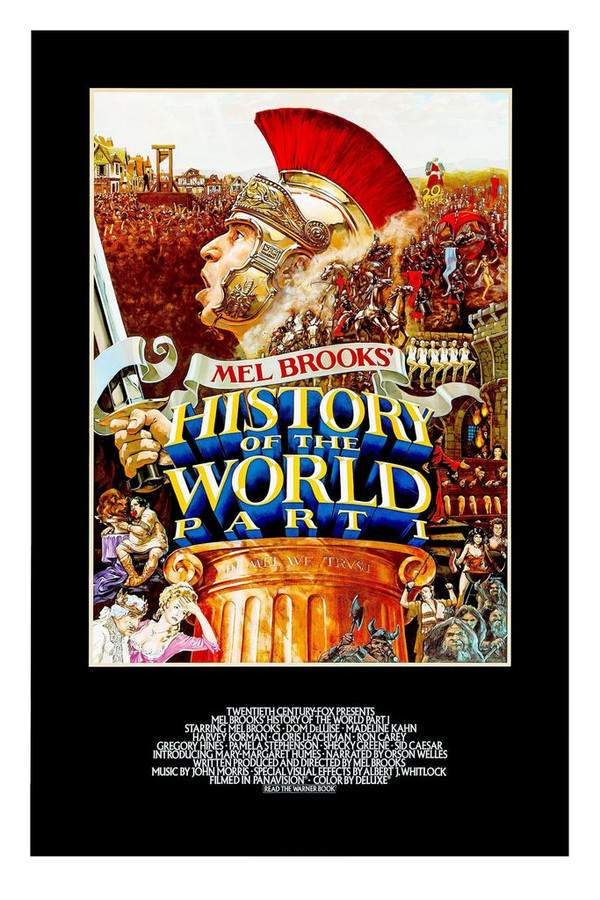
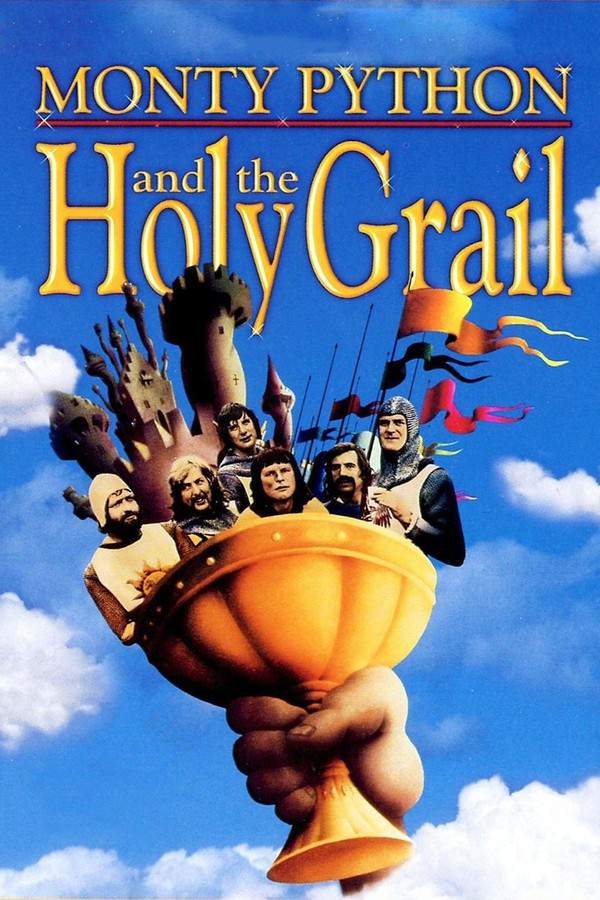
Surreal historical satire like The Adventures of Picasso

Playful and farcical reimaginings of famous figures and historical events. If you enjoyed the playful, absurdist take on Pablo Picasso's life, you'll like these movies. This list features comedy films that satirize history, art, and famous figures with a surreal and fast-paced farcical style, perfect for fans of witty, unconventional biographies.

  • satirical
  • absurd
  • playful
  • theatrical
  • surreal
  • lighthearted
  • Tone: whimsical, satirical, playful
  • Pacing: fast, episodic
Why these movies?

The story pattern: These stories typically use a non-linear or episodic structure to loosely follow a historical subject's life, blending real milestones with invented, absurd scenarios. The narrative is less about a traditional arc and more about a series of satirical sketches that build a playful, if inaccurate, portrait.

Why they belong together: These films are grouped by their shared approach to comedy: a whimsical tone, fast pacing, and a lighthearted, surreal lens applied to serious subjects. They connect through their use of historical parody as a vehicle for absurdist humor and theatrical spectacle.
Metafictional artist biopics like The Adventures of Picasso

Unconventional biographies that celebrate creation through imaginative storytelling. For viewers who liked the imaginative and non-linear biography of Picasso, this list collects movies about artists and creators told in unconventional ways. These films share a complex, playful structure and a focus on the act of creation itself, often blending reality with fantasy.

  • playful
  • imaginative
  • theatrical
  • meta
  • creative
  • unconventional
  • Tone: whimsical, affectionate, imaginative
  • Pacing: fast, pastiche-like
Why these movies?

The story pattern: The narrative journey mirrors the creative process: chaotic, non-linear, and imaginative. It often jumps between different periods of an artist's life, blends their work with their reality, and ends on an ambiguous or meta-fictional note that questions the nature of biography and artistic legend.

Why they belong together: This thread groups films that share a complex narrative structure, a lighthearted but intelligent tone, and a central theme of artistic creation. They are united by their playful deconstruction of the 'great artist' myth and their inventive, theatrical storytelling style.

If you liked this

Movies Like The Adventures of Picasso

Similar movies to The Adventures of Picasso: the same genre, themes or kind of story. Each one comes with its own plot summary, timeline and ending explained.

Browse all movie summaries

Every angle

The Adventures of Picasso (1978) Explained: Plot, Timeline & Characters

Everything about The Adventures of Picasso in one place: what happens in the plot summary, the timeline in chronological order, the characters and meaning and a spoiler-free summary. What's After the Movie adds the cast, box office and post-credit scenes.

Coming soon on iOS and Android

The Plot Explained Movie Summary App

Plot summaries, endings explained and timelines on your phone. Catch up on any movie in minutes, save your favorites and never miss a twist again.

Be the first to know when we launch. Your email stays private, always.

Learn more about the app