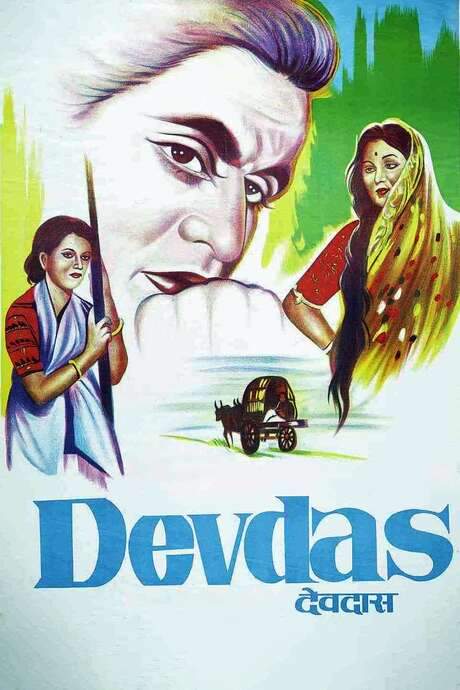
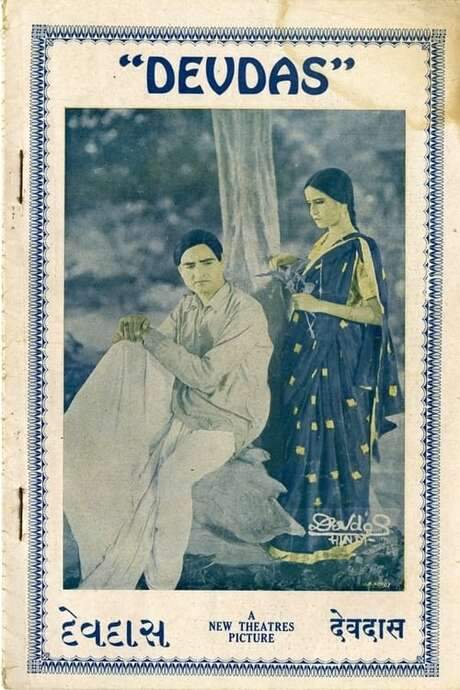
Devdas Dilip Kumar is a young man from a minor Zamindar family in rural Bengal at the turn of the 20th century. His childhood friend is Paro, a spirited young woman from a modest, middle-class Bengali family. The social order of the village shapes their lives from the start: boundaries of caste, class, and family reputation loom large, yet the bond between Devdas and Paro feels timeless.
After studying at a boarding school in Calcutta, Devdas returns home shaped by distance and new experiences. Paro, anticipating marriage, believes their shared history will lead to a union. But custom dictates that Paro's parents must humbly seek Devdas's parents' consent. The scene of the proposal becomes a test of family pride and social standing.
Paro's grandmother makes the initial approach, but Devdas's mother rejects the match, and Paro's father responds by arranging an even richer alliance for his daughter. Paro, aware of the pressure to marry well, risks her dignity to meet Devdas by night, clinging to the hope that he will accept her hand. Yet Devdas, seduced by caution and fear of social repercussions, seeks his parents' permission but the family forbids the match.
Feeling powerless, Devdas flees to Calcutta and, in a hurtful moment, writes a letter to Paro saying they were only friends and there was no real love. Once the ache of rejection sinks in, he returns to the village and begs Paro to reconsider, pledging that he would do anything to salvage their bond.
But the damage of the delay is done. Paro's marriage is already moving forward, and she rejects Devdas's plea with quiet firmness, chastising his cowardice. The wedding plan progresses and Paro is set to wed a wealthy zamindar who has lived through loss and remains a widower, with children older than his young bride-to-be.
Meanwhile in Calcutta, Devdas's circle widens in less honorable ways. His friend Chunni Babu introduces him to Chandramukhi, a compassionate tawaif who cares for him during his months of drinking and despair. The two women could not be more different, yet Devdas cannot help but measure them against Paro, flitting between longing and resignation as his health deteriorates.
Chunni Babu's world invites Devdas to indulge in revelry and escape, but the damage goes beyond the body. Chandramukhi becomes devoted to him, nursing him with tenderness as her love goes unrequited. Devdas's self-destruction is a slow, sorrowful slide as he battles isolation, memory, and the hollow ache of a love he cannot fully own.
As death approaches, Devdas returns to the village to fulfill a vow: to see Paro one last time before he passes away. He reaches her doorstep in the darkest hours, his strength fading, a man undone by choices and longing. Paro, hearing of his death, races toward the door, shedding the social veils that have kept them apart, but her family protects her from crossing the threshold.
He dies there, beside the life he could have claimed, while Paro stands outside, overwhelmed by grief and the weight of what might have been.