Plot Explained Spoilers guaranteed!
Plot Explained

Browse by genre

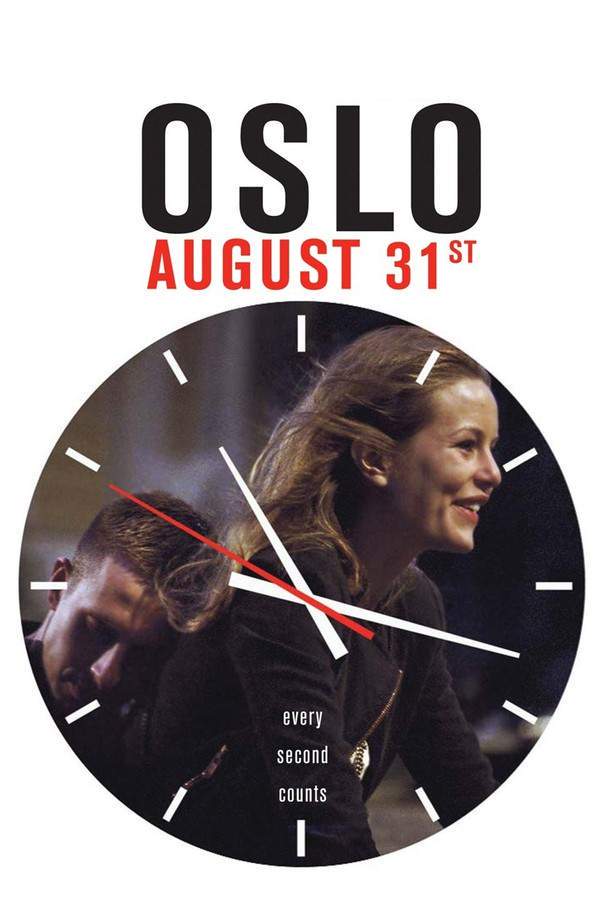
The Fire Within (1963) movie poster

Plot Summary

The Fire Within (1963) Plot Summary Explained

Release, runtime and language
1963 · 108 mins · French
Directed by
Louis Malle
Starring
Jeanne Moreau, Maurice Ronet, Alexandra Stewart, Vera Valdez, Romain Bouteille, Jacques Sereys

Even though his alcoholism has been treated, Alain remains convinced he is profoundly ill and feels incapable of leaving the detox clinic permanently. His wife in New York still finances his care but has stopped contacting him directly. Planning to end his life, he first travels to Paris to reconnect with old friends.

On this page (5)
  1. 1 What happens: full plot
  2. 2 Plot questions answered
  3. 3 Movie threads
  4. 4 Movies like The Fire Within
  5. 5 Every angle

Full plot summary · contains spoilers

What Happens in The Fire Within: Full Plot Summary

The whole story of The Fire Within (1963) explained, from the opening scene to the final frame: every key event, every twist and what it all adds up to. Read it as a quick recap before the sequel, to check a scene you missed, or to finally understand what really happened.

Last updated: October 09, 2025 at 11:15

Was this helpful?

Plot questions answered

The Fire Within Plot Explained: Your Questions Answered

The questions people ask most about The Fire Within (1963): what happens in the confusing scenes, why the characters do what they do, the twists, hidden details and what the ending means. Each answer contains spoilers.

Q1

Why does Alain want to end his life despite being treated for alcoholism?

Alain's desire to die stems from a profound conviction that he is fundamentally ill, regardless of his physical sobriety. Although his alcoholism has been treated at the Versailles clinic, he feels incapable of genuinely connecting with life or finding meaning in recovery. His wife Dorothy has stopped contacting him directly, and he experiences a deep sense of alienation from his old friends and from the prospect of a conventional life. The treatment addressed his physical addiction but not his underlying existential despair.

Foreshadowing: From the opening, Alain's statement that he will be gone by the end of the week establishes his fixed intention, showing that his decision predates his trip to Paris.

  • alain leroy
  • suicide
  • alcoholism
  • depression
  • existential despair
Q2

Why does Alain refuse Dubourg's offer to move in with him?

Alain declines because he explicitly states he does not want to grow old. Dubourg has settled into a comfortable, predictable life with his wife and daughters, representing exactly the kind of domestic existence Alain cannot envision for himself. Rather than accepting stability, Alain chooses to pursue one final connection with his past before ending his life. The invitation represents everything Alain feels incapable of embracing.

Foreshadowing: This rejection foreshadows Alain's ultimate refusal to engage with any form of future or renewal.

  • dubourg
  • friendship
  • invitation
  • growing old
  • rejection
Q3

Why is Alain repelled by Eva and her friends?

Alain meets Eva and observes that all their mutual friends have transformed. He is specifically repelled by the detached, drug-using circle that now surrounds her. This encounter highlights his alienation from his peer group, he cannot connect with friends who have found their own ways to numb or distract themselves, just as he could not. The meeting emphasizes his sense that he belongs nowhere, neither in the clinic's structured environment nor among his old companions.

Foreshadowing: This moment reinforces Alain's isolation before the emotional peak at the Lavaud dinner.

  • eva
  • drugs
  • alienation
  • old friends
  • disappointment
Q4

What triggers Alain's emotional outburst at the Lavaud dinner?

During the dinner party, after Brancion dismisses Cyrille's story about Alain's drunken escapades, Alain rails about his inability to want or desire anything. He pleads with Solange to save him, but she gently rebuffs him. The trigger appears to be seeing firsthand how his friends have moved on with their lives while he remains stuck, combined with the alcohol offered despite his sobriety. His plea to Solange reveals his desperate, unfulfilled longing for genuine connection and rescue.

Foreshadowing: The dinner party is the climax of Alain's attempt to find meaning through his old relationships, and his failure here directly leads to his confession to Milou later that night.

  • lavaud dinner
  • emotional breakdown
  • solange
  • alcohol
  • plea
Q5

Why does Alain confess to Milou that his reputation as a ladies' man was undeserved?

Walking through Paris at night, Alain reveals to Milou that his reputation as a ladies' man was undeserved and that he has always genuinely wanted to love and be loved. This confession exposes the core of his despair: beneath his outward persona, he experienced profound loneliness and emotional incapacity. It demonstrates that his alcoholism was not merely a physical affliction but a symptom of his inability to form real connections, making his eventual suicide feel like the only escape from this lifelong loneliness.

Foreshadowing: This confession directly precedes his return to the clinic and final rejection of Solange's attempt at connection.

  • milou
  • confession
  • love
  • lonesomeness
  • reputation
Q6

Why does Alain hang up on Solange after she tries to help him?

Solange calls to remind Alain about lunch and offers kind words, but he tells her he does not understand and ends the call by hanging up. This moment highlights his complete emotional distance and inability to accept compassion. After his failed plea at the dinner party and his vulnerable confession to Milou, Alain has retreated into himself completely. He cannot let anyone help him, either because he believes help is impossible or because he has already decided his fate.

Foreshadowing: This rejection of Solange's kindness directly precedes his final act, showing he has closed himself off from all potential rescue.

  • solange
  • rejection
  • phone call
  • compassion
  • inability to connect
Q7

What is the significance of Alain reading The Great Gatsby before his death?

Alain reads The Great Gatsby shortly before shooting himself. The novel, about a man who pursues an idealized love and ultimately fails, resonates thematically with Alain's own life, his longing for connection, his inability to attain what he desires, and his tragic end. The book serves as a final mirror for his own despair, reinforcing the film's exploration of unfulfilled longing and the impossibility of renewal.

Foreshadowing: The reading occurs in his final moments, making it a deliberate thematic bookend to his story.

  • great gatsby
  • book
  • reading
  • symbolism
  • thematic resonance
Q8

Why does Alain refuse to return to New York with Lydia?

Lydia, Dorothy's friend visiting from New York, insists that Alain is cured and should return with her. However, Alain remains hesitant, warning that leaving the clinic could lead to relapse. His refusal suggests he does not believe in his own recovery and perhaps does not want to return to the life with Dorothy that awaits him. The trip to Paris represents his choice to face death on his own terms rather than in the false hope of reconciliation.

Foreshadowing: His choice to stay in France and pursue his final visits rather than accept Lydia's offer reinforces his predetermined fate.

  • lydia
  • new york
  • recovery
  • refusal
  • alcoholism treatment
Q9

Why does Alain drink alcohol at Café Flore after being sober?

At Café Flore, Alain encounters the Minville brothers, who remain politically engaged activists. After they leave, he drinks an alcoholic beverage left on the table and soon feels sick. This relapse is significant, it shows that despite his treatment, the pull of alcohol remains strong, and his commitment to sobriety is fragile. The sickness may be physical or psychological, but it underscores his continued struggle with addiction even as he plans his final act.

Foreshadowing: This relapse illustrates that his treatment has not fully addressed his dependency, reinforcing his belief that he cannot truly recover.

  • cafe flore
  • alcohol
  • relapse
  • minville brothers
  • drinking

Movie threads

More Movies Like The Fire Within, by Mood & Story

Curated lists built around what makes The Fire Within tick: the same mood, the same kind of story or the same emotional payoff. Each list explains why these movies belong together.

Movies about existential despair in the city like The Fire Within

Characters adrift in the city, confronting profound loneliness and disillusionment. If you liked the urban alienation and existential themes of The Fire Within, explore these movies that capture a similar feeling of profound loneliness and disillusionment within a cityscape. These films often feature slow, reflective pacing and a melancholic tone.

  • alienation
  • urban despair
  • lonely
  • disillusioned
  • reflective
  • somber
  • Tone: melancholic, bleak, reflective
  • Pacing: slow, deliberate
Why these movies?

The story pattern: These stories typically follow a central character moving through a city, observing life but feeling fundamentally separate from it. The plot is often a series of encounters that highlight their alienation rather than a traditional dramatic arc, building towards a climax of profound personal realization or collapse.

Why they belong together: Movies in this thread are grouped by their shared mood of urban melancholy and their exploration of themes like alienation and existential crisis. They all feature a similar pacing and intensity, creating a cohesive viewing experience focused on internal turmoil.


Character studies about suicide like The Fire Within

Intimate portraits of characters wrestling with the decision to end their lives. Viewers searching for movies like The Fire Within that explore the heavy topic of suicide through a slow, intimate character study will find similar films here. These stories share a high emotional intensity and a focus on the protagonist's internal struggle.

  • despairing
  • anxious
  • oppressive
  • somber
  • psychological
  • heavy
  • Tone: melancholic, despairing, intense
  • Pacing: slow, psychological
Why these movies?

The story pattern: The narrative structure is often straightforward, focusing on a short period leading up to a planned suicide. The drama comes from the character's interactions and internal reflections, creating a constant, high-tension atmosphere. The journey is primarily psychological, with minimal external plot.

Why they belong together: These films are united by their central narrative premise—a character's contemplation of suicide—and the resulting intense, heavy, and almost universally melancholic tone they share. The pacing is typically slow to emphasize the psychological weight.

If you liked this

Movies Like The Fire Within

Similar movies to The Fire Within: the same genre, themes or kind of story. Each one comes with its own plot summary, timeline and ending explained.

Browse all movie summaries

Every angle

The Fire Within (1963) Explained: Plot, Timeline & Characters

Everything about The Fire Within in one place: what happens in the plot summary, the timeline in chronological order, the characters and meaning. What's After the Movie adds the cast, box office and post-credit scenes.

Coming soon on iOS and Android

The Plot Explained Movie Summary App

Plot summaries, endings explained and timelines on your phone. Catch up on any movie in minutes, save your favorites and never miss a twist again.

Be the first to know when we launch. Your email stays private, always.

Learn more about the app