Plot Explained Spoilers guaranteed!
Plot Explained

Browse by genre

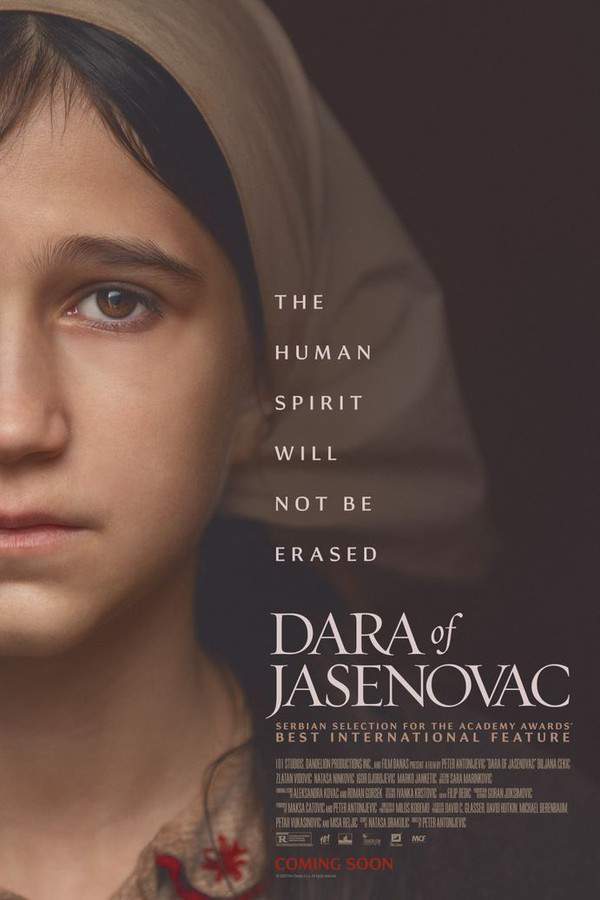
Dara of Jasenovac (2020) movie poster

Timeline

Dara of Jasenovac (2020) Timeline Explained – Every Event in Order

Release, runtime and language
2020 · 130 mins · Serbian
Echo score 78
Loading streaming availability…
Directed by
Predrag Antonijević
Starring
Petar Zekavica, Vuk Kostić, Marko Janketić, Andrea Forca, Goran Jokić, Jovo Maksić
Budget
$3.6M

During the Nazi-occupied Ustasha regime in Yugoslavia during World War II, a young girl named Dara is deported to the Jasenovac concentration camp complex in Croatia. Often referred to as "Balkan's Auschwitz," Jasenovac was a network of camps known for its brutal conditions and systematic persecution of Serbs, Jews, Roma, and other groups. The film portrays Dara's experiences within this horrific environment and the struggle for survival amidst unimaginable cruelty.

On this page (6)
  1. 1 Where to watch
  2. 2 Events in order (12)
  3. 3 Timeline questions answered
  4. 4 Movie threads
  5. 5 Movies like Dara of Jasenovac
  6. 6 Every angle
Loading streaming availability…

12 events in order · contains spoilers

Dara of Jasenovac Timeline: Events in Chronological Order

Every key event of Dara of Jasenovac (2020) in order, scene by scene, with when and where it takes place. Use it to untangle flashbacks, time jumps and parallel storylines, to refresh your memory before the sequel or to find the exact scene you are thinking of.

  1. Mass roundup after Kozara Offensive

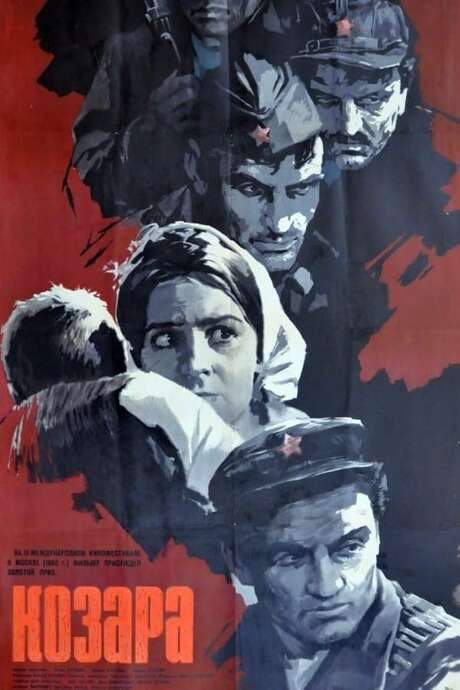
    After the Axis-led Kozara Offensive, the majority of the local Serb population is sent to Ustaše and Nazi concentration camps in the Independent State of Croatia. People are marched toward cattle cars as families are torn from their homes. This mass roundup sets the stage for Dara Ilić and her family's ordeal.

    Where
    Kozara region, Independent State of Croatia
  2. Dara and Jovo march toward the cattle cars

    Families are marched toward the cattle cars, with Dara walking beside her older brother Jovo. She asks why others are being rounded up while they look the same, exposing her early curiosity and fear. The march compresses fear into a brutal procession.

    Where
    Cattle car line near the Kozara region
  3. A stranger's mercy during the march

    A woman in the column carries her crying baby and looks toward a young Croatian peasant woman working the fields. The peasant woman decides to leave the baby with her before returning to the column. The moment reveals a fleeting mercy amid overwhelming violence.

    Where
    Along the marching column near a field
  4. Nazi flag station and brutal selection

    At a train station adorned with the Nazi flag, Father Miroslav Filipović separates the sick and elderly from the rest, who are loaded into cattle cars. Those chosen for the ride are sent away, while those left behind are shot. Dara witnesses the brutal selection that will drive her family's fate.

    Where
    Train station at the transport point
  5. Transport to Jasenovac; Mile disposes of the dead

    The train transports Dara, her mother, and two brothers toward the Jasenovac concentration camp. In an undisclosed location nearby, Dara's father Mile is tasked with removing and disposing of dead bodies. The two threads show the family's division under occupation.

    Where
    Near Jasenovac concentration camp
  6. Nightly brutality: a game for the guards

    That night at the camp, guards devise a macabre game of musical chairs for visiting German officers. Each prisoner who loses a round has their throat slit or is bludgeoned with a hammer. Dara witnesses the horror, strengthening her resolve to survive.

    When
    Night
    Where
    Jasenovac camp
  7. Family separation and a deadly choice

    As families are separated, Dara's mother struggles and refuses to hand over her older son. They are both shot by Ante Vrban, illustrating the ruthless consequences of coercion. Dara is left devastated and with only her younger brother.

    Where
    Jasenovac camp vicinity
  8. Dara becomes guardian of her younger brother

    Dara is sent to a special camp for women and children where she must protect and care for her younger brother. He becomes her sole responsibility, and she makes his survival her top priority. The grim environment amplifies her determination to endure.

    Where
    Special camp for women and children
  9. Aiding hope: Blankica the Jewish prisoner

    With the help of Blankica, a Jewish prisoner, Dara plots a path to escape. The alliance shows how human connection can persist even under brutal conditions. Their collaboration plants a seed of hope amid despair.

    Where
    Camp setting
  10. Survival skills sharpened in captivity

    Dara's survival mission grows as she navigates the camp's dangers while safeguarding her younger brother. She becomes more resourceful and decisive, drawing on courage she did not know she had. The plan to escape begins to take tangible shape.

    Where
    Camp for women and children
  11. The cost of separation and loss

    The losses and separations, including the death of Dara's mother and older brother, underscore the toll of the occupation. Dara's personal journey becomes a fight for life and an effort to keep her family's memory alive. These events shape her future decisions and resilience.

    Where
    Jasenovac vicinity
  12. A step toward freedom: the escape plan

    The escape plan with Blankica signals potential liberation and the pursuit of agency in the midst of oppression. Details remain sparse, but the intent represents a beacon of hope. Dara's resolve to survive and protect her brother remains the enduring thread.

    Where
    Nearby area of the camp

Last updated: March 05, 2026 at 18:39

Was this helpful?

Timeline questions answered

Dara of Jasenovac Timeline Explained: Your Questions Answered

When does it happen, and why in that order? The questions people ask about the chronology of Dara of Jasenovac (2020): time jumps, flashbacks, cause and effect between scenes and the correct order of events, each answered with spoilers.

Q1

Why were Serbian families being rounded up in the film?

The roundup occurs after the Kozara Offensive, when Axis forces conquered the Kozara region in the Independent State of Croatia. The Ustaše regime targeted Serbs for deportation to concentration camps as part of systematic persecution, alongside Jews, Roma, and other groups. Dara's confusion in the film reflects how victims struggled to understand why they were being targeted despite looking identical to their persecutors.

  • serbs
  • ustaše
  • deportation
  • kozara
  • concentration camps
  • yugoslavia
Q2

What happens at the train station with Father Miroslav Filipović?

At the train station adorned with Nazi flags, Ustaše priest Father Miroslav Filipović conducts a brutal selection process. He separates the sick and elderly from those fit for transport. Those deemed unfit are left behind and shot dead by Filipović himself, while Dara and the rest are loaded into cattle cars bound for Jasenovac.

  • filipović
  • selection
  • train station
  • shooting
  • ustaše priest
Q3

Why does Dara's mother refuse to give up her older son and what happens?

When Ustaše guard Ante Vrban orders families to surrender their children for separation, Dara's mother refuses to hand over her older son Jovo. In response, Vrban shoots both her and Jovo dead on the spot. This demonstrates the immediate and ruthless consequences of non-compliance, as well as the deliberate strategy of family destruction used by the camp guards.

  • mother
  • son
  • refuse
  • vrban
  • shooting
  • family separation
Q4

What is the musical chairs game at Jasenovac camp?

The guards organize a macabre version of musical chairs for visiting German officers. Prisoners circle around chairs while music plays; when it stops, anyone left without a seat is killed, either having their throat slashed with a srbosjek (a specialized Serbian-slaughtering knife) or being bludgeoned with a hammer. Dara witnesses this horror, which exemplifies the torture and entertainment rituals imposed on prisoners.

  • musical chairs
  • srbosjek
  • murder
  • camp guards
  • German officers
  • torture
Q5

Why does the woman leave her baby with the Croatian peasant woman during the march?

A desperate mother carrying her crying baby notices a young Croatian peasant woman working in the fields alongside the marching column. Recognizing she cannot protect her child through what lies ahead, the mother makes the agonizing choice to leave the baby with the peasant woman before returning to the column of prisoners. This quiet act of mercy gives the child a chance at survival outside the camp.

  • baby
  • mercy
  • peasant woman
  • march
  • survival
  • act of kindness
Q6

What is Dara's father Mile doing at the concentration camp?

While Dara and her family are transported to Jasenovac, her father Mile Ilić is taken to a separate location within the camp complex. He is forced to work as a forced laborer tasked with removing and disposing of dead bodies. This cruel twist separates the family and forces Mile into the macabre work of handling the dead, though he remains alive elsewhere in the camp system.

  • mile
  • father
  • bodies
  • forced labor
  • disposal
  • working
Q7

Who is Blankica and how does she help Dara?

Blankica is a Jewish prisoner already held in the women's and children's section of Jasenovac. She becomes Dara's ally and helps her devise an escape plan. Despite the camp's brutal conditions, Blankica maintains the will to resist and plots a path toward freedom, showing how prisoners formed bonds across backgrounds to survive.

  • blankica
  • jewish
  • escape
  • prisoner
  • plan
  • resistance
  • hope
Q8

What is a srbosjek and how is it used in the film?

A srbosjek is a large, curved knife traditionally used for slaughtering livestock. In Jasenovac, the guards weaponize this tool against prisoners during the musical chairs game, slashing the throats of those who lose. The use of this particular knife carries symbolic weight, as its name combines "Serb" and "to slaughter", reflecting the刀具 genocide being carried out.

  • srbosjek
  • knife
  • weapon
  • throat slitting
  • musical chairs
Q9

Who is Ante Vrban and what role does he play at Jasenovac?

Ante Vrban is a Ustaše guard at Jasenovac who directly carries out executions. He is the one who shoots Dara's mother and older brother when she refuses to surrender the boy during the family separation process. Vrban represents the enforcers who implemented the camp's policy of breaking families and committing immediate violence against those who resisted.

  • ante vrban
  • guard
  • ustaše
  • shooting
  • execution
  • family separation
Q10

What happens to Dara and her younger brother at the women's camp?

After losing her mother and older brother, Dara is sent to a special section of Jasenovac for women and children, where she becomes the sole guardian of her younger brother. She makes his survival her personal mission, learning to navigate the camp's dangers while drawing on courage she didn't know she possessed. The section represents the particularly vulnerable position of children in the camp system.

  • women camp
  • children camp
  • brother
  • survival
  • protection
  • dara

Movie threads

More Movies Like Dara of Jasenovac, by Mood & Story

Curated lists built around what makes Dara of Jasenovac tick: the same mood, the same kind of story or the same emotional payoff. Each list explains why these movies belong together.

Movies about a child's perspective in war like Dara of Jasenovac

Stories of innocence shattered by the brutal realities of war and genocide. If you were moved by the harrowing journey of Dara, explore other films that depict war and genocide through a child's eyes. These movies share a similar heavy emotional weight, focusing on loss of innocence and the struggle for survival amidst historical atrocities, offering a deeply personal view of large-scale tragedies.

  • loss of innocence
  • somber
  • harrowing
  • grief-stricken
  • survival-focused
  • historical tragedy
  • Tone: dark, somber, tragic
  • Pacing: steady, observational
Why these movies?

The story pattern: These narratives typically follow a young protagonist thrust into a horrific historical event they cannot fully comprehend. The story unfolds as a series of sensory and emotional impressions, focusing on survival, the loss of family, and the erosion of childhood by forces beyond their control. The plot is often straightforward, driven by the child's immediate experiences rather than complex political machinations.

Why they belong together: Movies are grouped here because they share the specific narrative device of a child's perspective to convey the human cost of war. This creates a consistent tone of profound sadness and a uniquely visceral sense of tragedy, making vast historical events feel intimate and personally devastating.

Grim survival horror dramas like Dara of Jasenovac

Grim stories of endurance against systematic, overwhelming cruelty. For viewers seeking movies with the same oppressive and brutal tone as Dara of Jasenovac, this list features stories of extreme survival. These films share a high intensity and dark tone, exploring the limits of human endurance in concentration camps, prisons, and other horrific settings where characters face systematic persecution.

  • oppressive
  • brutal
  • desperate
  • harrowing
  • survival-focused
  • unflinching
  • Tone: dark, oppressive, harrowing
  • Pacing: steady, relentless
Why these movies?

The story pattern: The narrative pattern is one of relentless adversity. Characters are subjected to a sequence of horrific events with little to no reprieve. The plot is a straightforward chronicle of suffering and the minute-by-minute struggle to persist. There is no traditional hero's journey, only the raw, uncompromising will to live another day in the face of unimaginable evil.

Why they belong together: These films are grouped by their shared commitment to an unflinching, dark tone and high intensity. They create a cohesive viewing experience defined by feelings of oppression, desperation, and a harrowing focus on the physical and emotional cost of survival against impossible odds.

If you liked this

Movies Like Dara of Jasenovac

Similar movies to Dara of Jasenovac: the same genre, themes or kind of story. Each one comes with its own plot summary, timeline and ending explained.

Browse all movie summaries

Every angle

Dara of Jasenovac (2020) Explained: Plot, Timeline & Characters

Everything about Dara of Jasenovac in one place: what happens in the plot summary, the timeline in chronological order, the characters and meaning and a spoiler-free summary. What's After the Movie adds the cast, box office and post-credit scenes.

Coming soon on iOS and Android

The Plot Explained Movie Summary App

Plot summaries, endings explained and timelines on your phone. Catch up on any movie in minutes, save your favorites and never miss a twist again.

Be the first to know when we launch. Your email stays private, always.

Learn more about the app