Year: 2020
Runtime: 130 mins
Language: Serbian
Director: Predrag Antonijević
Echo Score: 78Budget: $3.6M
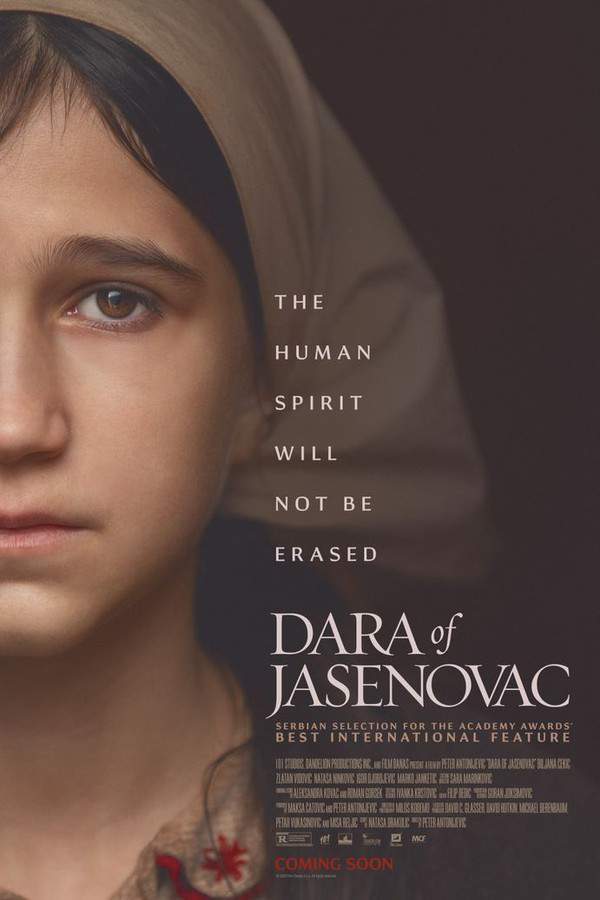
During the Nazi-occupied Ustasha regime in Yugoslavia during World War II, a young girl named Dara is deported to the Jasenovac concentration camp complex in Croatia. Often referred to as "Balkan's Auschwitz," Jasenovac was a network of camps known for its brutal conditions and systematic persecution of Serbs, Jews, Roma, and other groups. The film portrays Dara's experiences within this horrific environment and the struggle for survival amidst unimaginable cruelty.
Warning: spoilers below!
Haven’t seen Dara of Jasenovac yet? This summary contains major spoilers. Bookmark the page, watch the movie, and come back for the full breakdown. If you're ready, scroll on and relive the story!
Read the complete plot breakdown of Dara of Jasenovac (2020), including all key story events, major twists, and the ending explained in detail. Discover what really happened, and what it all means.
After the Axis-led Kozara Offensive, the film follows how the local Serb population is thrust into concentration camps run by the Ustaše and Nazi Germany within the Independent State of Croatia. Families are marched toward cattle cars, and a ten-year-old Dara Ilić travels with her older brother Jovo Ilić, wondering why others who look the same are being rounded up as well. A woman in the line carries her crying baby and shares a brief, almost unspoken glance with a young Croatian peasant woman tending the fields, prompting a quiet act of mercy as she leaves the baby with her before returning to the column.
At a train station fluttering with the Nazi flag, Father Miroslav Filipović separates the sick and elderly from the rest, who are forced into the cattle cars. Dara watches in horror as those left behind are shot and killed by Filipović. With no information about her father’s whereabouts, the train carries Dara, her mother, and two brothers to the Jasenovac concentration camp, while, in an undisclosed location nearby, Dara’s father Mile Ilić is tasked with removing and disposing of dead bodies.
That night at the camp, guards devise a brutal game of musical chairs as entertainment for visiting German officers. Each prisoner who loses a round has their throat slashed with a srbosjek or is bludgeoned by a hammer, a cruelty Dara witnesses firsthand. As families are torn apart, Dara’s mother struggles and refuses to surrender her older son, and both are shot and killed by Ante Vrban.
Dara is left to look after her younger brother as they are sent to a special camp for women and children. She makes it her personal mission to ensure his survival, even in the face of overwhelming danger. With the help of a Jewish prisoner, Blankica, Dara begins to plot a path to escape, drawing on courage and a stubborn will to endure in a place where hope is scarce and every breath could be the difference between life and death.
Last updated: March 05, 2026 at 18:39
Explore frequently asked questions about Dara of Jasenovac (2020) with spoiler-rich answers covering the full plot summary, major story beats, character motivations, hidden details, and ending meaning. This movie summary FAQ helps explain confusing scenes, plot twists, and narrative decisions in clear, searchable detail.
The roundup occurs after the Kozara Offensive, when Axis forces conquered the Kozara region in the Independent State of Croatia. The Ustaše regime targeted Serbs for deportation to concentration camps as part of systematic persecution, alongside Jews, Roma, and other groups. Dara's confusion in the film reflects how victims struggled to understand why they were being targeted despite looking identical to their persecutors.
At the train station adorned with Nazi flags, Ustaše priest Father Miroslav Filipović conducts a brutal selection process. He separates the sick and elderly from those fit for transport. Those deemed unfit are left behind and shot dead by Filipović himself, while Dara and the rest are loaded into cattle cars bound for Jasenovac.
When Ustaše guard Ante Vrban orders families to surrender their children for separation, Dara's mother refuses to hand over her older son Jovo. In response, Vrban shoots both her and Jovo dead on the spot. This demonstrates the immediate and ruthless consequences of non-compliance, as well as the deliberate strategy of family destruction used by the camp guards.
The guards organize a macabre version of musical chairs for visiting German officers. Prisoners circle around chairs while music plays; when it stops, anyone left without a seat is killed, either having their throat slashed with a srbosjek (a specialized Serbian-slaughtering knife) or being bludgeoned with a hammer. Dara witnesses this horror, which exemplifies the torture and entertainment rituals imposed on prisoners.
A desperate mother carrying her crying baby notices a young Croatian peasant woman working in the fields alongside the marching column. Recognizing she cannot protect her child through what lies ahead, the mother makes the agonizing choice to leave the baby with the peasant woman before returning to the column of prisoners. This quiet act of mercy gives the child a chance at survival outside the camp.
While Dara and her family are transported to Jasenovac, her father Mile Ilić is taken to a separate location within the camp complex. He is forced to work as a forced laborer tasked with removing and disposing of dead bodies. This cruel twist separates the family and forces Mile into the macabre work of handling the dead, though he remains alive elsewhere in the camp system.
Blankica is a Jewish prisoner already held in the women's and children's section of Jasenovac. She becomes Dara's ally and helps her devise an escape plan. Despite the camp's brutal conditions, Blankica maintains the will to resist and plots a path toward freedom, showing how prisoners formed bonds across backgrounds to survive.
A srbosjek is a large, curved knife traditionally used for slaughtering livestock. In Jasenovac, the guards weaponize this tool against prisoners during the musical chairs game, slashing the throats of those who lose. The use of this particular knife carries symbolic weight, as its name combines "Serb" and "to slaughter", reflecting the刀具 genocide being carried out.
Ante Vrban is a Ustaše guard at Jasenovac who directly carries out executions. He is the one who shoots Dara's mother and older brother when she refuses to surrender the boy during the family separation process. Vrban represents the enforcers who implemented the camp's policy of breaking families and committing immediate violence against those who resisted.
After losing her mother and older brother, Dara is sent to a special section of Jasenovac for women and children, where she becomes the sole guardian of her younger brother. She makes his survival her personal mission, learning to navigate the camp's dangers while drawing on courage she didn't know she possessed. The section represents the particularly vulnerable position of children in the camp system.
Discover curated groups of movies connected by mood, themes, and story style. Browse collections built around emotion, atmosphere, and narrative focus to easily find films that match what you feel like watching right now.
Stories of innocence shattered by the brutal realities of war and genocide.If you were moved by the harrowing journey of Dara, explore other films that depict war and genocide through a child's eyes. These movies share a similar heavy emotional weight, focusing on loss of innocence and the struggle for survival amidst historical atrocities, offering a deeply personal view of large-scale tragedies.
These narratives typically follow a young protagonist thrust into a horrific historical event they cannot fully comprehend. The story unfolds as a series of sensory and emotional impressions, focusing on survival, the loss of family, and the erosion of childhood by forces beyond their control. The plot is often straightforward, driven by the child's immediate experiences rather than complex political machinations.
Movies are grouped here because they share the specific narrative device of a child's perspective to convey the human cost of war. This creates a consistent tone of profound sadness and a uniquely visceral sense of tragedy, making vast historical events feel intimate and personally devastating.
Grim stories of endurance against systematic, overwhelming cruelty.For viewers seeking movies with the same oppressive and brutal tone as Dara of Jasenovac, this list features stories of extreme survival. These films share a high intensity and dark tone, exploring the limits of human endurance in concentration camps, prisons, and other horrific settings where characters face systematic persecution.
The narrative pattern is one of relentless adversity. Characters are subjected to a sequence of horrific events with little to no reprieve. The plot is a straightforward chronicle of suffering and the minute-by-minute struggle to persist. There is no traditional hero's journey, only the raw, uncompromising will to live another day in the face of unimaginable evil.
These films are grouped by their shared commitment to an unflinching, dark tone and high intensity. They create a cohesive viewing experience defined by feelings of oppression, desperation, and a harrowing focus on the physical and emotional cost of survival against impossible odds.
Don't stop at just watching - explore Dara of Jasenovac in full detail. From the complete plot summary and scene-by-scene timeline to character breakdowns, thematic analysis, and a deep dive into the ending - every page helps you truly understand what Dara of Jasenovac is all about. Plus, discover what's next after the movie.
Track the full timeline of Dara of Jasenovac with every major event arranged chronologically. Perfect for decoding non-linear storytelling, flashbacks, or parallel narratives with a clear scene-by-scene breakdown.
Discover the characters, locations, and core themes that shape Dara of Jasenovac. Get insights into symbolic elements, setting significance, and deeper narrative meaning - ideal for thematic analysis and movie breakdowns.
Discover movies like Dara of Jasenovac that share similar genres, themes, and storytelling elements. Whether you’re drawn to the atmosphere, character arcs, or plot structure, these curated recommendations will help you explore more films you’ll love.
Dara of Jasenovac (2020) Scene-by-Scene Movie Timeline
Dara of Jasenovac (2020) Movie Characters, Themes & Settings
Dara of Jasenovac (2020) Spoiler-Free Summary & Key Flow
Movies Like Dara of Jasenovac – Similar Titles You’ll Enjoy
Dara in Jasenovac (2021) Complete Plot Breakdown
Grbavica: The Land of My Dreams (2007) Ending Explained & Film Insights
In the Land of Blood and Honey (2011) Full Summary & Key Details
The Diary of Diana B. (2019) Plot Summary & Ending Explained
My Name Is Sara (2019) Plot Summary & Ending Explained
Balkan Line (2019) Spoiler-Packed Plot Recap
Korczak (1990) Story Summary & Characters
The End of War (1984) Full Movie Breakdown
The Battle of Sutjeska (1973) Plot Summary & Ending Explained
Kozara (1962) Detailed Story Recap
Occupation in 26 Pictures (1978) Story Summary & Characters
The Battle of Neretva (1969) Complete Plot Breakdown
The Descent Upon Drvar (1963) Ending Explained & Film Insights
A Bloody Tale (1969) Full Movie Breakdown
Alia: A Bosniac Rhapsody (2008) Full Summary & Key Details