Plot Explained Spoilers guaranteed!
Plot Explained

Browse by genre

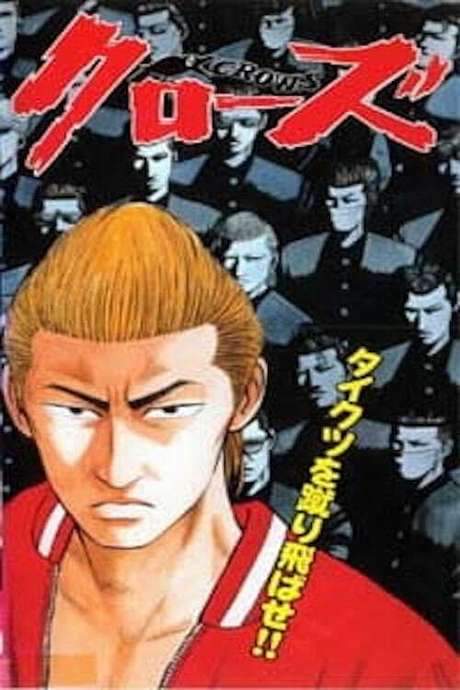
Crows (1994) movie poster

Timeline

Crows (1994) Timeline Explained – Every Event in Order

Release, runtime and language
1994 · 90 mins · Japanese
Loading streaming availability…
Directed by
Masamune Ochiai
Starring
Toshiyuki Morikawa, Takehito Koyasu, Keiji Fujiwara, Kappei Yamaguchi, Ryo Horikawa, Akio Otsuka

Bouya Harumichi transfers to Suzuran, an all‑boys high school infamous for housing the toughest delinquents. Since the school is despised by the public and swarms like black crows, it is nicknamed “Crows High School.” Though Harumichi possesses great fighting skill, his reckless, irresponsible personality puts him at odds with his new peers, forcing him to navigate a world where every student is a troublemaker.

On this page (6)
  1. 1 Where to watch
  2. 2 Events in order (11)
  3. 3 Timeline questions answered
  4. 4 Movie threads
  5. 5 Movies like Crows
  6. 6 Every angle
Loading streaming availability…

11 events in order · contains spoilers

Crows Timeline: Events in Chronological Order

Every key event of Crows (1994) in order, scene by scene, with when and where it takes place. Use it to untangle flashbacks, time jumps and parallel storylines, to refresh your memory before the sequel or to find the exact scene you are thinking of.

  1. School humiliation and the curse

    During a physical education lesson, the girl arrives without the required costume. The teacher orders her to strip down to her underwear, and the class laughs at her. The humiliation leaves her feeling isolated and fuels a simmering anger toward the teacher.

    When
    morning
    Where
    school gym
  2. Escape into imagination

    Feeling neglected by her mother, she slips into a vivid world of imagination and wanders the picturesque city. She peers through shop windows and apartment doors, letting her dreams shape her sense of longing. The loneliness intensifies as she observes families from a distance.

    When
    afternoon
    Where
    city streets
  3. Window watching and longing

    From the street, she peers through villa windows and sees a married couple looking after their three-year-old daughter. The sight deepens her craving for tenderness and a sense of belonging. The contrast with her own neglect heightens her inner resolve.

    When
    evening
    Where
    villa district
  4. Running away and discovery

    After hours in the city, she realizes nothing will change at home. She runs away and discovers a villa where a three-year-old girl lives. The find kindles a dangerous idea: to step into the role of caregiver even though she is not ready.

    When
    night
    Where
    city outskirts / villa
  5. Abduction of the child

    The crow kidnaps the little girl from the garden and takes her away from the villa. She tries to recreate a mother-daughter bond, offering care and protection in place of what she has missed. Her actions blur the line between care and coercion.

    When
    night
    Where
    villa garden
  6. Bonding on the road toward the sea

    The two girls travel toward the sea, and the crow shares with the child her dreams of escape. She clings to the child as if the girl were her own daughter, imagining a different life beyond the town. The journey reinforces the fragile bond they are forming.

    When
    day
    Where
    coastal road
  7. Arrival at the seashore and boat plan

    They reach the fishing boat, and the crow plans to unberth and sail away to freedom. The idea of leaving everything behind offers a powerful, if perilous, sense of hope. The harbor atmosphere foreshadows the distance between desire and responsibility.

    When
    evening
    Where
    fishing boat/harbor
  8. The push and the rescue

    In a moment of panic on the way to sea, the crow accidentally pushes the three-year-old into the water. She immediately dives in to rescue her, overwhelmed by guilt for what she did. The sea becomes a symbol of escape that she cannot safely reach.

    When
    evening
    Where
    sea / near boat
  9. Guilt and return

    Haunted by what happened, she returns the girl to the villa and withdraws, choosing to end the expedition. The act of returning the child marks a turning point where her imagined family dissolves into reality. She carries the weight of guilt back toward her home.

    When
    night
    Where
    villa
  10. Mother discovers her child

    The mother wakes up and finds her daughter huddled, prompting a question about what she has been doing. The moment lays bare the emotional distance between them and the repercussions of neglect. It marks a turning point in their fragile relationship.

    When
    morning
    Where
    family home
  11. Confrontation and quiet aftermath

    The mother questions the girl, addressing the situation and the complex feelings that have emerged. The bond between mother and child remains fragile, with healing hinted but not guaranteed. The film lingers on the unresolved tension between care and carelessness.

    When
    morning
    Where
    home

Last updated: February 17, 2026 at 19:58

Was this helpful?

Timeline questions answered

Crows Timeline Explained: Your Questions Answered

When does it happen, and why in that order? The questions people ask about the chronology of Crows (1994): time jumps, flashbacks, cause and effect between scenes and the correct order of events, each answered with spoilers.

Q1

Why does the girl kidnap the three-year-old?

She kidnaps the child because she desperately craves the maternal love and family bond she lacks at home. After witnessing the affectionate family through the villa's window, she imagines taking on the role of a mother herself, believing she can provide the care she has never received. The abduction is her desperate attempt to create a family where none exists, even though she is too young and unprepared for such responsibility.

Foreshadowing: Earlier, she watches the family through the window with intense longing, establishing her deep yearning for maternal connection.

  • kidnapping
  • orphan
  • family
  • bonding
  • neglect
  • motherhood
Q2

What does the Crow represent in the story?

The Crow represents the girl's imagination and her desire to escape her painful reality. The name 'Crow' is her imaginative alter ego, a symbol of freedom that allows her to wander the city and dream of a life beyond her neglect. The bird imagery connects to her longing to fly away from her circumstances, though her attempts at literal escape through the fishing boat ultimately fail.

Foreshadowing: The Crow first appears as she escapes into imagination after the school humiliation, setting up the theme of flight and longing.

  • crow
  • metaphor
  • escape
  • imagination
  • symbolism
Q3

Why does the PE teacher force her to strip down to her underwear?

The PE teacher orders her to exercise in her underwear as punishment for arriving without the required costume. This humiliates her in front of the entire class, turning her into an object of mockery. The incident intensifies her feelings of isolation and fuels the anger she carries throughout the film, though the story frames it as a catalyst for her descent rather than a direct cause of kidnapping.

Foreshadowing: The humiliation occurs at the story's beginning, establishing her vulnerability and the emotional wounds that compound her neglect.

  • humiliation
  • school
  • teacher
  • punishment
  • trauma
Q4

Why does she return the child to the villa?

She returns the child because she accidentally pushes her into the water during panic, immediately overwhelmed by guilt and fear. The near-drowning forces her to confront the real consequences of her actions, she cannot protect this child the way she imagined. Haunted by what almost happened, she chooses to return her to the villa, abandoning her dream of creating a makeshift family.

Foreshadowing: During their journey toward the sea, the narrative hints at the precariousness of their bond and the danger inherent in her plan.

  • return
  • guilt
  • rescue
  • sea
  • drowning
Q5

What does the mother's question 'What are you doing, girl?' mean?

The mother's question 'What are you doing, girl?' is ambiguous and layered. It could refer to the mother discovering her daughter safely returned after the night of chaos, or it could be a deeper question about the daughter's emotional state and secret actions. The line highlights the emotional distance between them, while the mother notices something is wrong, she does not fully comprehend the magnitude of what happened. The ending leaves this cycle of neglect unresolved.

Foreshadowing: The mother's distant parenting has been established throughout, making this moment a culmination of her failure to truly see her child.

  • mother
  • confrontation
  • neglect
  • ending
  • cycle
Q6

Why is the girl neglected by her mother?

The film does not fully explain why the mother neglects her daughter, instead showing the effect of that neglect through the girl's daily life. The mother appears emotionally distant and provides little care or warmth, leaving the girl to fend for herself in the rundown tenement. This neglect drives the girl's desperation to seek maternal connection elsewhere, ultimately leading to her kidnapping plan.

Foreshadowing: From the opening scenes, the tenement's cold atmosphere and the mother's absence establish the void the girl desperately wants to fill.

  • neglect
  • mother
  • poverty
  • emotional-abandonment
  • family
Q7

Why does she imagine herself as a crow?

She adopts the Crow persona as a psychological escape mechanism. After the humiliation at school and the neglect at home, she retreats into imagination to cope with her painful reality. The Crow allows her to move freely through the city unseen, observing families from a distance and imagining different lives. This imaginative identity gives her the courage to take action, though it also blurs the line between fantasy and reality.

Foreshadowing: The Crow first appears immediately after the school humiliation, suggesting it is a response to trauma and isolation.

  • imagination
  • crow
  • fantasy
  • escape
  • identity
Q8

What happens when they reach the seashore?

At the seashore, the girl plans to steal a fishing boat and sail away with the child to escape the town and start a new life together. However, in a moment of panic, she accidentally pushes the child into the water. She quickly rescues her, but the traumatic event shatters her illusion of being able to protect and care for the child. This crisis forces her to abandon her escape plan and return the girl.

Foreshadowing: The journey toward the harbor builds tension, with the sea representing both freedom and danger throughout the film.

  • seashore
  • boat
  • escape
  • accident
  • rescue
Q9

Why does she watch the family through the villa window?

She watches the family because she longs for the love and affection she lacks at home. Through the window, she sees a married couple caring for their three-year-old daughter with evident tenderness, a stark contrast to her own neglected life. This observation deepens her yearning for maternal warmth and plant the seeds for her idea to create her own family by taking a child.

Foreshadowing: This scene directly precedes her decision to run away and find a child of her own, making it the emotional trigger for her actions.

  • window
  • villa
  • longing
  • family
  • observation
Q10

Why does the film blend fantasy and reality?

The film uses fantasy to reflect the child's psychological state and coping mechanisms. The Crow persona represents her imaginative survival strategy, a way to process loneliness and neglect. By blending fantasy with reality, the film shows how a neglected child's desperate mind can blur the lines between longing and action, making her kidnapping feel both alarming and tragically understandable.

Foreshadowing: The imaginative Crow sequences are woven throughout, establishing the film's dreamlike narrative style from the beginning.

  • fantasy
  • reality
  • blur
  • imagination
  • psychology

Movie threads

More Movies Like Crows, by Mood & Story

Curated lists built around what makes Crows tick: the same mood, the same kind of story or the same emotional payoff. Each list explains why these movies belong together.

Movies about lonely delinquents like Crows

Stories of isolated youths finding their place in a harsh, hierarchical world. If you liked the melancholic atmosphere and themes of alienation in Crows, explore these other films. This section features stories about troubled youths navigating harsh school hierarchies and searching for identity amidst violence.

  • melancholic
  • oppressive
  • lonely
  • delinquent
  • hierarchical
  • brotherhood
  • Tone: melancholic, oppressive
  • Pacing: slow, character-driven
Why these movies?

The story pattern: Stories in this thread typically follow an individualistic protagonist entering a rigid, often violent, social system. The narrative revolves around their struggle to carve out a place for themselves, leading to conflicts that are as much about internal loneliness as external battles. The pacing is often deliberate, focusing on character dynamics over frantic action.

Why they belong together: These movies are grouped by their shared focus on delinquent subcultures, melancholic tone, and the exploration of themes like alienation and the search for belonging. They share a medium emotional weight driven by character struggle rather than extreme violence.

Movies about alienated youth like Crows

Somber stories of young outsiders trapped by their circumstances, yearning for escape. For viewers who appreciated the themes of alienation and emotional neglect in Crows. Discover similar films featuring lonely young protagonists navigating bleak worlds and grappling with their place in society.

  • alienation
  • emotional neglect
  • desperate
  • lonely
  • oppressive
  • coming of age
  • Tone: melancholic, bleak, oppressive
  • Pacing: slow, introspective
Why these movies?

The story pattern: The narrative pattern follows a young protagonist whose sense of isolation drives the plot. Their journey is a linear, often somber exploration of their emotional landscape, leading to a climactic act born of desperation. The endings are frequently ambiguous, reflecting the unresolved nature of their internal conflict.

Why they belong together: These films are united by a core focus on youth alienation, a melancholic and oppressive tone, and a straightforward narrative that delves into the protagonist's psychological state. They prioritize emotional weight over complex plotting.

If you liked this

Movies Like Crows

Similar movies to Crows: the same genre, themes or kind of story. Each one comes with its own plot summary, timeline and ending explained.

Browse all movie summaries

Every angle

Crows (1994) Explained: Plot, Timeline & Characters

Everything about Crows in one place: what happens in the plot summary, the timeline in chronological order, the characters and meaning and a spoiler-free summary. What's After the Movie adds the cast, box office and post-credit scenes.

Coming soon on iOS and Android

The Plot Explained Movie Summary App

Plot summaries, endings explained and timelines on your phone. Catch up on any movie in minutes, save your favorites and never miss a twist again.

Be the first to know when we launch. Your email stays private, always.

Learn more about the app