Year: 2009
Runtime: 56 mins
Language: English
Director: Anton Corbijn
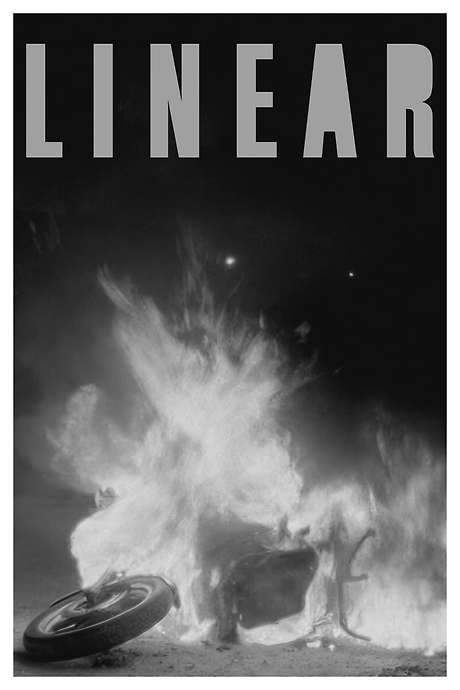
Based on a story by Anton Corbijn and Bono, the film weaves in several characters Bono created for his album. It follows a disillusioned Parisian motorcycle officer, portrayed by Saïd Taghmaoui, who is weary of the growing tension between immigrants and police in the city. Frustrated, he abandons his post in Paris to travel to Tripoli and reunite with his girlfriend, hoping to escape the mounting unrest.
Warning: spoilers below!
Haven’t seen Linear yet? This summary contains major spoilers. Bookmark the page, watch the movie, and come back for the full breakdown. If you're ready, scroll on and relive the story!
Read the complete plot breakdown of Linear (2009), including all key story events, major twists, and the ending explained in detail. Discover what really happened—and what it all means.
Saïd Taghmaoui plays a motorcycle cop whose night in Paris braids into a broader odyssey. The city hums with rain-slicked streets as he rides, and the moment seems to carry a restless energy that hints at what lies ahead. On a wall, a stark graffiti message catches the eye, a blunt street-level refrain that sets a defiant tone for the journey: > Fuck the Police. The scene shifts with the dawn, and the officer mounts his own bike again, the asphalt giving way to open country as he heads into the French countryside and then crosses into Spain, his eyes fixed on Tripoli, where his girlfriend waits. The road stretches endlessly, and the landscape itself feels like a character in the film, moving with him as if urging him onward.
As the miles accumulate, a quiet moment arrives when he sprawls on his back to watch the sky. A cloud forms above him, and the image of the African continent takes shape, a fleeting sign of the miles traveled and the uncertain future ahead. He wakes with the sun rising and resumes his trek across Spain, the road narrowing and widening like a pulse that won’t settle. The journey continues toward Cádiz, where the air tastes of salt and possibility, and the pace slows enough to notice details that would otherwise vanish in the rush of movement.
In Cádiz, the ride pauses as the officer steps into a small café to refuel more than his bike. The cafe is nearly empty, save for the waitress Lizzie Brocheré, who flicks on the TV and greets the day with a casual presence that somehow anchors the scene. A music video by U2 fills the room, its beats echoing in the quiet space and giving the moment a dreamlike, almost ritual quality. The cop’s attention drifts as the video plays, and the ordinary act of drinking and watching becomes a window into the broader rhythm of his mission.
Leaving the café, he heads into the countryside again, until Cádiz gives way to a more coastal landscape and a new sense of direction. He finds himself drawn to a local bar, where the atmosphere tightens and a dancer glides into the spotlight. The Lone Dancer/Senor-Ita Dancer, portrayed by Marta Barrio(/actor/marta-barrio), moves with a precision that contrasts with the weariness in the cop’s eyes. The barman, Francisco Javier Malia Vazquez, serves him several drinks, his presence grounding the moment in a tactile reality. The cop’s gaze drifts again, and through a door or peephole he spots others—several women with moustaches dancing—moments that blur the line between reality and a fevered dream. With the night closing in, he leaves the bar and walks the streets alone, the sea calling to him as a soft soundtrack to his solitude.
He finds the shore and settles on the sand, the sea’s breath cooling his skin as dawn returns. The next morning, he rents a rowboat and begins to paddle across the Mediterranean toward Tripoli, the water stretching out like an endless sentence he must finish. A musical thread—the mood carried by Cedars of Lebanon—accompanies the crossing, a lyric cue that seals the film’s sense of longing and pursuit. The voyage is less about a destination and more about the act of moving forward, through landscapes, through memories, and through the quiet, stubborn conviction that the journey itself is the point.
Last Updated: October 09, 2025 at 11:02
Discover curated groups of movies connected by mood, themes, and story style. Browse collections built around emotion, atmosphere, and narrative focus to easily find films that match what you feel like watching right now.
Solitary travels to escape disillusionment and search for personal meaning.Discover movies like Linear that follow a character's quiet, introspective escape from disillusionment. If you enjoyed the melancholic road trip and the search for meaning in Linear, you'll find similar stories of personal journeys and atmospheric self-discovery here.
The narrative pattern follows a protagonist, often weary or disillusioned with their current life, who embarks on a physical journey. The plot is straightforward, prioritizing mood and introspection over complex twists, as the character grapples with their past and an uncertain future.
They are grouped by their shared melancholic tone, slow pacing, and focus on a solitary protagonist using travel as a means of escape and reflection. The emotional core is a medium-weight sense of longing and the bittersweet act of moving on.
Films where ambiance, feeling, and sensory details drive the experience.Find films with a similar atmospheric and melancholic vibe to Linear. This list features slow-burn mood pieces where the feeling and visual poetry are as important as the story, perfect if you liked the dreamlike and reflective atmosphere of Linear.
Narratives in this thread are character-driven and straightforward, serving as a vessel for exploring a specific mood. The pacing is deliberately slow, emphasizing lingering shots, evocative settings, and a focus on the protagonist's internal state over external plot events.
They share a primary focus on creating a sustained, cohesive atmosphere. The similarity comes from a combination of slow pacing, low intensity, a melancholic or reflective tone, and a visual style that prioritizes mood over complex storytelling.
Don't stop at just watching — explore Linear in full detail. From the complete plot summary and scene-by-scene timeline to character breakdowns, thematic analysis, and a deep dive into the ending — every page helps you truly understand what Linear is all about. Plus, discover what's next after the movie.
Track the full timeline of Linear with every major event arranged chronologically. Perfect for decoding non-linear storytelling, flashbacks, or parallel narratives with a clear scene-by-scene breakdown.
Discover the characters, locations, and core themes that shape Linear. Get insights into symbolic elements, setting significance, and deeper narrative meaning — ideal for thematic analysis and movie breakdowns.
Get a quick, spoiler-free overview of Linear that covers the main plot points and key details without revealing any major twists or spoilers. Perfect for those who want to know what to expect before diving in.
Visit What's After the Movie to explore more about Linear: box office results, cast and crew info, production details, post-credit scenes, and external links — all in one place for movie fans and researchers.