In a coastal town, a ten-year-old girl lives with her mother in a neglected tenement, her days shadowed by loneliness and a sense of being unseen. She doesn’t fit in with her peers, and the mother’s care feels scarce and distant, leaving the girl to navigate a world that often seems indifferent to her presence. The setting itself—the weathered walls, the creaking stairs, and the restless sea—echoes a life that has little room for tenderness.
During a physical education lesson, the girl arrives without the required costume. The teacher insists she strip down to her underwear to begin the exercises, a humiliating moment that draws the attention of the entire class and turns her into the target of cruel laughter. The sting of being ridiculed bleeds into the girl’s sense of self, and the hurt she experiences there lingers long after the bell rings. In the shadow of that moment, the girl’s feelings toward the teacher become a kind of raw energy that she stores away, a curse she cannot easily release.
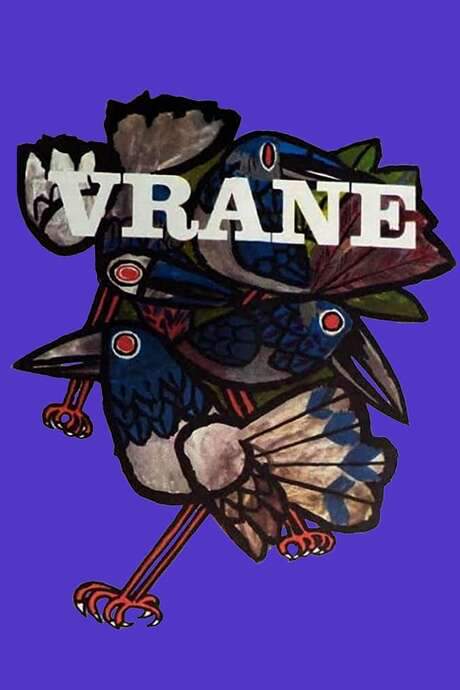
Escaping into imagination offers her a refuge from a home life lacking warmth. The Crow—an emblem of longing and escape—drifts through the city’s beauty and its quiet corners, peering through the windows of a villa where a married couple treats their three-year-old daughter with obvious care and affection. Those moments of watching through glass reveal a world the girl yearns for but cannot claim for herself. After hours spent wandering the picturesque streets, she notices that nothing in her life has changed; the ache remains, as if the sea itself cannot wash away the ache of neglect.
Driven by a mix of longing and risk, the Crow leaves her own home and discovers a villa where a three-year-old child resides. In a moment that feels both desperate and impulsive, she seizes the opportunity and abducts the little girl from the garden, hoping to forge a motherly bond that the real mother cannot provide. She attempts to care for the child as best she can, weaving a fragile pretend-family together in the absence of true tenderness.
Together, the two girls head toward the seashore, where the Crow shares her dreams of escape and a life beyond the town’s confines. The plan is simple in its longing: reach the fishing boat, unberth, and sail away to a future shaped by freedom rather than neglect. Yet the inevitable tension of their makeshift bond and the sea’s vast unpredictability test the limits of what she believes she can offer. On the water’s edge, a moment of catastrophe unsettles everything: the Crow accidentally pushes the three-year-old into the water and must act fast to pull her from danger.
Guilt immediately takes hold. The Crow, overwhelmed by fear and remorse, returns the child to the villa and, with a heavy heart, makes her way home. The emotional weight of the act settles around her in silence, a stark reminder of the consequences that can follow a desperate attempt to create a family where there is none. When the mother awakens to find her daughter safe but shaken, she looks at her with a question that cuts to the core of the film’s tension: “What are you doing, girl?”
The story unfolds with a quiet, unflinching lens on neglect, longing, and the precarious line between care and danger. It is a tale that lingers on the border of fantasy and reality, inviting viewers to witness how a child’s need for connection can drive bold, even dangerous, actions. Throughout, the imagery—of the crowded tenement, the gleaming windows of distant villas, the calm but treacherous sea—anchors a meditation on what it means to seek refuge and what it costs when those refuges are merely temporary or illusory.
> "What are you doing, girl?"