













Plot Explained Spoilers guaranteed!
Plot Explained

Browse by genre

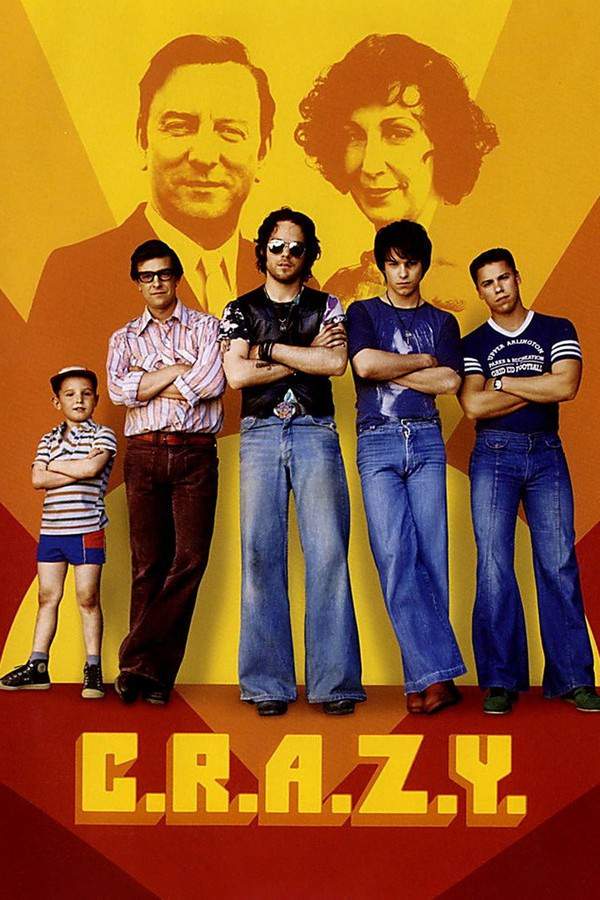
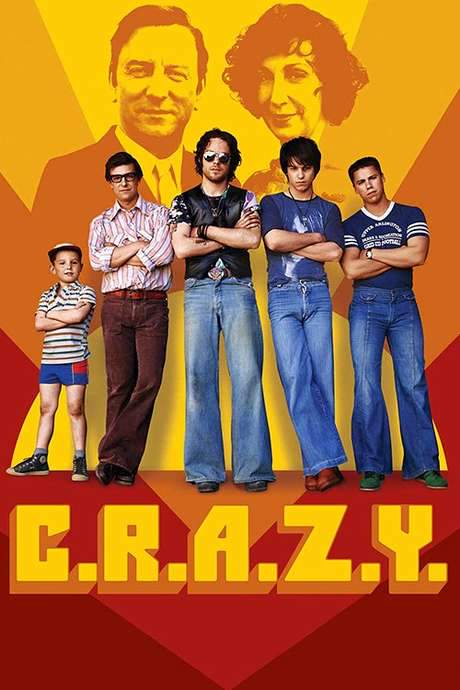
C.R.A.Z.Y. (2005) movie poster

Characters & Themes

C.R.A.Z.Y. (2005) Characters, Setting & Themes Explained

Release, runtime and language
2005 · 126 mins · French
JustWatch #4,527 45
Starring
Alex Gravel, Danielle Proulx, Émile Vallée, Johanne Lebrun, Mariloup Wolfe, Maxime Tremblay

Set against the backdrop of 1960s‑1970s Quebec, a young French‑Canadian boy—one of five brothers in a strict, conservative household—grapples with his blossoming sense of self while trying to meet his father's rigid expectations, leading to a painful but poignant search for acceptance.

On this page (8)
  1. 1 Where to watch
  2. 2 Characters explained (11)
  3. 3 Where & when it takes place
  4. 4 Themes & meaning (3)
  5. 5 Character & meaning questions
  6. 6 Movie threads
  7. 7 Movies like C.R.A.Z.Y.
  8. 8 Every angle

Where to watch

Where to Watch C.R.A.Z.Y. (2005)

Where can you watch C.R.A.Z.Y.? Stream, rent or buy it in the US, including on AMC+, Philo and Sundance Now: current JustWatch availability with up-to-date prices.

Streaming availability powered by JustWatch

11 main characters · contains spoilers

C.R.A.Z.Y. Characters Explained: Who Is Who

The main characters of C.R.A.Z.Y. (2005), heroes and villains: what drives them, how they change over the course of the story and what each of them reveals about the film's bigger ideas.

  • Zac Beaulieu

    played by Émile Vallée

    Born on Christmas in 1960, Zac grows into a sensitive young man who confronts his nonconformity and sexuality. His early acts challenge his father’s expectations, leading to a deep rift. Over the years, he experiences love, heartbreak, and a desert journey that tests his identity and resilience.

    • 🏳️‍🌈 Identity
    • 🧒 Youth
  • Zac Beaulieu (adult)

    played by Marc-André Grondin

    As an adult, Zac reflects on the years of turmoil and seeks understanding and acceptance of his past. He carries the weight of family history while trying to define his own path and truth.

    • 🏳️‍🌈 Identity
    • 🧭 Reflection
  • Gervais Beaulieu

    played by Michel Côté

    Zac’s father, a stern presence whose love is tested by his son’s awakening. He pushes therapy as a fix, struggles with accepting Zac, and reaches a tender moment of reconciliation later in the story.

    • 👨‍👦 Fatherhood
    • 💔 Conflict
  • Brigitte Beaulieu

    played by Mariloup Wolfe

    A central Beaulieu family figure who is involved with Paul; her relationships influence the social dynamics and the gossip surrounding Zac’s life.

    • 👩 Drama
    • 💞 Relationships
  • Paul

    played by Francis Ducharme

    Brigitte’s boyfriend, who forms part of the social circle around Zac and Brigitte. His presence contributes to the tension and gossip surrounding Zac’s identity and desires.

    • 👨‍❤️‍👨 Love
    • 🗣️ Gossip
  • Michelle

    played by Natacha Thompson

    Zac’s friend who attempts to kiss him, testing boundaries and highlighting the complexities of teen and young adult relationships within the group.

    • 👧 Friendship
    • 💋 Boundaries
  • Grand-mère Angèle

    played by Aline Hooper

    The Beaulieu matriarch whose warmth and steadiness anchor the family amid upheaval and loss, offering a counterpoint to the surrounding turmoil.

    • 👵 Family
    • 🕊️ Wisdom
  • Raymond Beaulieu

    played by Pierre-Luc Brillant

    The second eldest brother whose life intersects with tragedy, including a heroin overdose and death that intensify the family’s sorrow and reflection.

    • 👦 Brother
    • 💔 Tragedy
  • Christian Beaulieu

    played by Maxime Tremblay

    The bookish elder brother whose ambitions and relationships contribute to the Beaulieu family dynamics, including moments of engagement.

    • 📚 Intelligence
    • 🧭 Pathways
  • Yvan Beaulieu

    played by Gabriel Lalancette

    The younger Beaulieu brother whose childhood and adolescence are part of the family tapestry, illustrating how siblings shape one another over time.

    • 👦 Sibling
    • 🌀 Change
  • Oncle Georges

    played by Denis Trudel

    An uncle who completes the Beaulieu family circle, providing a broader social and generational perspective within the story.

    • 👨‍👨‍👧 Family
    • 🗣️ Perspective

Last updated: October 03, 2025 at 14:19

Was this helpful?

Setting

Where and When Does C.R.A.Z.Y. Take Place?

The setting of C.R.A.Z.Y. (2005): the year and time period, the places and locations, and how they shape the characters, the mood and the tension of the story.

Time period

1960s–1990s

Zac is born in 1960 and the story unfolds through the 1970s and 1980s, with a reflection in the early 1990s. The era mirrors shifts in attitudes toward sexuality and family in Quebec. Key moments occur at Christmas gatherings in 1975 and 1980, with subsequent decades shaping the family’s memory and reconciliation.

Location

Québec, Canada, Jerusalem

The film centers on the Beaulieu family in Quebec, anchored by the family home and Christmas gatherings. It paints a portrait of Quebec society from the 1960s through the 1980s as it gradually confronts identity and acceptance. The narrative later traces Zac’s broader journeys, including a desert detour to Jerusalem, symbolizing searching and returning.

  • 🏠 Family home
  • 🗺️ Québec
  • Canada
  • 🕰️ Late 20th century

Last updated: October 03, 2025 at 14:19

Was this helpful?

3 major themes

C.R.A.Z.Y. Meaning: Themes & Message Explained

What is C.R.A.Z.Y. (2005) really about? The emotional, social and philosophical themes the film keeps returning to, its symbolism and the message beneath the surface.

  • Identity

    Zac’s evolving sense of self collides with his family’s expectations. The story follows his exploration of sexuality, the strain of his father’s judgments, and the emotional cost of concealing who he is. Therapy and confession become pivotal, forcing him to confront his truth to find acceptance.

  • Family

    The Beaulieu family dynamic is marked by affection, conflict, and shifting loyalties across generations. A father–son rift grows as Zac’s nonconformity deepens, while siblings’ lives and marriages add pressure. The film traces how love and fear of judgment test the family’s bonds.

  • Forgiveness

    Years of pain and distance give way to moments of honesty and vulnerability. Reconciliation arrives through small, intimate moments between Zac and his father, illustrating how forgiveness can heal a fractured relationship and allow the family to move forward.

Last updated: October 03, 2025 at 14:19

Was this helpful?

Character & theme questions

C.R.A.Z.Y. Characters & Meaning: Your Questions Answered

The questions people ask about C.R.A.Z.Y. (2005): who the characters really are, their relationships, what the symbols mean, where it takes place and what the movie is really about. Each answer contains spoilers.

Q1

Where does C.R.A.Z.Y. take place?

The film is set primarily in Quebec, Canada, centered on the Beaulieu family home. The story unfolds across several decades, with the narrative later extending to Jerusalem during Zac's desert journey, symbolizing his search for identity and meaning.

  • quebec
  • canada
  • setting
  • family home
  • jerusalem
  • locations
Q2

What time period does the movie cover?

The story begins in 1960 when Zac is born and spans through the 1970s and 1980s, with a reflection in the early 1990s. The era mirrors the social shifts in Quebec regarding sexuality and family dynamics, with key moments occurring during Christmas gatherings in 1975 and 1980.

  • 1960s
  • 1970s
  • 1980s
  • time period
  • quebec history
  • decades
Q3

What are the main themes of C.R.A.Z.Y.?

The film explores three core themes: Identity, Zac's struggle with his sexuality and self-acceptance against his family's expectations; Family, the complex dynamics of the Beaulieu household marked by love, conflict, and shifting loyalties; and Forgiveness, the reconciliation between Zac and his father through small moments of honesty and vulnerability.

  • identity
  • family
  • forgiveness
  • themes
  • sexuality
  • acceptance
  • reconciliation
Q4

Who is Zac Beaulieu?

Zac Beaulieu is the film's protagonist, born on Christmas in 1960. He is a sensitive young man who grapples with his nonconformity and sexuality while trying to meet his father's rigid expectations. His journey spans decades of exploration, heartbreak, and ultimately a search for acceptance within his family.

  • zac beaulieu
  • protagonist
  • main character
  • identity
  • sexuality
Q5

Who is Zac's father Gervais?

Gervais Beaulieu is Zac's father, portrayed as a stern figure whose love is tested by his son's awakening. He pushes therapy as a solution, struggles with accepting Zac's nonconformity, but eventually reaches a tender moment of reconciliation with his son later in the story.

  • gervais beaulieu
  • father
  • parent
  • family conflict
  • therapist
Q6

Who are Zac's brothers in the movie?

Zac is one of five brothers in the Beaulieu family. The key brothers include Raymond, the second eldest who dies from a heroin overdose, intensifying the family's sorrow; Christian, the bookish elder brother with ambitions and relationships; and Yvan, the younger brother whose childhood illustrates how siblings shape one another over time.

  • brothers
  • family
  • siblings
  • raymond
  • christian
  • yvan
  • beaulieu family
Q7

What role does Grand-mère Angèle play?

Grand-mère Angèle is the Beaulieu family matriarch whose warmth and steadiness anchor the family amid upheaval and loss. She offers a counterpoint to the surrounding turmoil, providing stability and unconditional support throughout the family's struggles.

  • grand-mere angele
  • grandmother
  • matriarch
  • family support
  • beaulieu
Q8

How does Quebec society feature in the film?

The film paints a portrait of Quebec society from the 1960s through the 1980s as it gradually confronts issues of identity and acceptance. The story reflects the broader social shifts in Quebec during this period, particularly regarding attitudes toward sexuality and family structures.

  • quebec society
  • 1960s quebec
  • social context
  • quebec culture
  • identity acceptance
Q9

What is the significance of Zac's journey to Jerusalem?

The narrative includes a desert detour to Jerusalem symbolizing Zac's searching and eventual return. This journey represents a pivotal test of his identity and resilience, serving as a metaphorical quest for self-understanding and spiritual exploration.

  • jerusalem
  • desert
  • journey
  • searching
  • identity
  • symbolism
Q10

Why are Christmas gatherings significant in the film?

Christmas gatherings serve as pivotal moments in the narrative, particularly in 1975 and 1980. These family gatherings anchor the Beaulieu family story and create the setting for key emotional confrontations and reconciliations that drive the family's evolution across decades.

  • christmas
  • family gatherings
  • tradition
  • beaulieu family
  • 1975
  • 1980
Q11

What is the emotional tone of C.R.A.Z.Y.?

The film has a bittersweet tone, balancing the pain of rejection and loss with the hopeful arc of eventual family reconciliation. While the subject matter involves homophobia, addiction, and death, the story's focus on personal growth and forgiveness prevents it from feeling overwhelmingly bleak, concluding with acceptance and renewed familial bonds.

  • emotional tone
  • bittersweet
  • forgiveness
  • reconciliation
  • family
  • acceptance
  • ending

Movie threads

More Movies Like C.R.A.Z.Y., by Mood & Story

Curated lists built around what makes C.R.A.Z.Y. tick: the same mood, the same kind of story or the same emotional payoff. Each list explains why these movies belong together.

Autobiographical coming-of-age movies like C.R.A.Z.Y.

Intimate stories of personal growth drawn from memory and nostalgia. If you liked the nostalgic, intimate feel of C.R.A.Z.Y., you'll find similar movies here. These films are poignant, character-driven stories of self-discovery, often set against a specific cultural backdrop. They weave personal memory with universal themes of family conflict and acceptance.

  • nostalgic
  • autobiographical
  • intimate
  • painful
  • hopeful
  • melancholic
  • Tone: bittersweet, nostalgic, intimate
  • Pacing: steady, character-driven
Why these movies?

The story pattern: The narrative typically follows a linear or reflective journey through a protagonist's youth, highlighting key moments of conflict, awakening, and growth. The story is grounded in emotional truth, often balancing painful memories with moments of warmth and humor, leading to a nuanced understanding of the past.

Why they belong together: Movies in this thread share a profound sense of authenticity and intimacy. They are united by their bittersweet tone, steady pacing that allows for reflection, and a focus on the emotional truths of growing up. The combination of specific cultural detail and universal themes creates a powerful, relatable experience.

Movies about father-son relationships like in C.R.A.Z.Y.

Stories of fractured bonds between fathers and sons finding a path to understanding. For viewers who connected with the father-son dynamics in C.R.A.Z.Y., this collection features films exploring similar themes. These stories delve into expectations, disappointment, and the slow, painful process of reconciliation, resulting in emotionally resonant and bittersweet conclusions.

  • emotional
  • conflicted
  • painful
  • hopeful
  • heartfelt
  • cathartic
  • Tone: bittersweet, emotional, conflicted
  • Pacing: steady, emotional build
Why these movies?

The story pattern: The plot revolves around the central conflict between a son who struggles to meet his father's rigid expectations and a father who must confront his own prejudices or failures. The narrative arc is emotionally charged, moving from alienation and pain toward a tentative, often bittersweet, resolution that acknowledges the scars but celebrates the progress.

Why they belong together: These films are grouped by their deep focus on the emotional core of the father-son dynamic. They share a medium to high emotional weight, a bittersweet tone, and a narrative that prioritizes character growth over plot. The experience is defined by its authenticity and the catharsis of watching broken bonds begin to mend.

If you liked this

Movies Like C.R.A.Z.Y.

Similar movies to C.R.A.Z.Y.: the same genre, themes or kind of story. Each one comes with its own plot summary, timeline and ending explained.

Browse all movie summaries

Every angle

C.R.A.Z.Y. (2005) Explained: Plot, Timeline & Characters

Everything about C.R.A.Z.Y. in one place: what happens in the plot summary, the timeline in chronological order, the characters and meaning and a spoiler-free summary. What's After the Movie adds the cast, box office and post-credit scenes.

Coming soon on iOS and Android

The Plot Explained Movie Summary App

Plot summaries, endings explained and timelines on your phone. Catch up on any movie in minutes, save your favorites and never miss a twist again.

Be the first to know when we launch. Your email stays private, always.

Learn more about the app