Plot Explained Spoilers guaranteed!
Plot Explained

Browse by genre

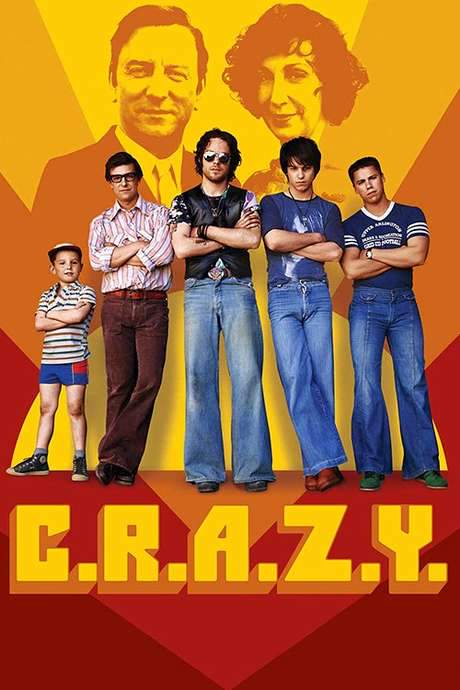
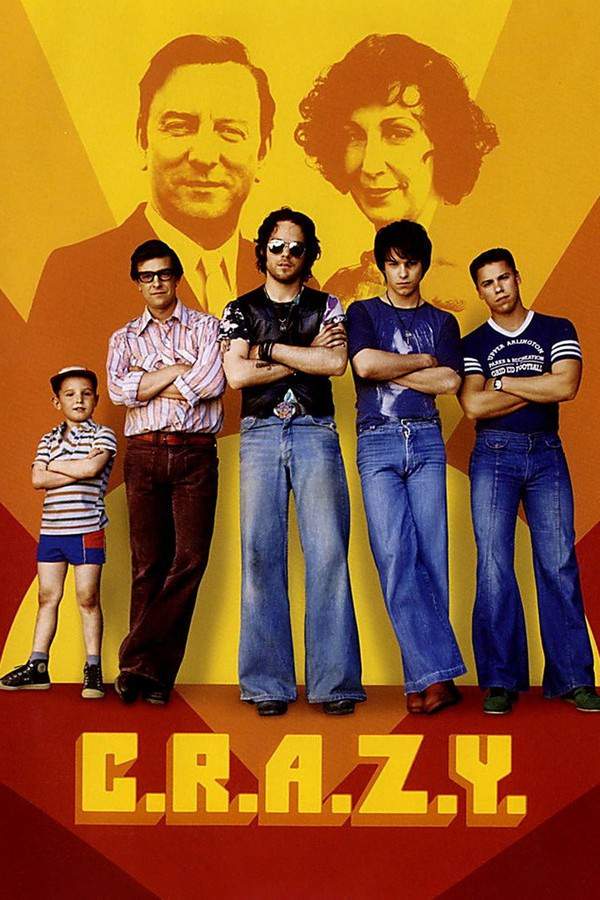
C.R.A.Z.Y. (2022) movie poster

Plot Summary

C.R.A.Z.Y. (2022) Plot Summary Explained

Release, runtime and language
2022 · 129 min · French
Echo score 86
Loading streaming availability…
Directed by
Jean-Marc Vallée
Starring
Alex Gravel, Danielle Proulx, Émile Vallée, Johanne Lebrun, Marc-André Grondin, Mariloup Wolfe

A thoughtful and funny story follows Zachary Beaulieu, a teenager grappling with his sexuality while growing up in a conservative Canadian-Catholic family. As Zachary comes to terms with his identity, he faces challenges reconciling his feelings with his family’s expectations. The film explores themes of self-discovery, acceptance, and the complexities of familial relationships as Zachary seeks to find his place and be true to himself.

On this page (6)
  1. 1 Where to watch
  2. 2 What happens: full plot
  3. 3 Plot questions answered
  4. 4 Movie threads
  5. 5 Movies like C.R.A.Z.Y.
  6. 6 Every angle
Loading streaming availability…

Full plot summary · contains spoilers

What Happens in C.R.A.Z.Y.: Full Plot Summary

The whole story of C.R.A.Z.Y. (2022) explained, from the opening scene to the final frame: every key event, every twist and what it all adds up to. Read it as a quick recap before the sequel, to check a scene you missed, or to finally understand what really happened.

Born on Christmas in 1960, Zac is one of initially four brothers, later a fifth joins the family: there’s the studious Christian (played by Maxime Tremblay), the rebellious Raymond (portrayed by Pierre-Luc Brillant), the sporty and gassy Antoine (represented by Alex Gravel), and then there's Yvan. Zac enjoys a unique bond with his father Gervais (played by Michel Côté), but their relationship takes a turn when Zac’s more sensitive, non-traditional behaviors come to light. The bond officially fractures when Gervais discovers Zac dressed in his mother’s clothing, leading to an unspoken declaration of war on masculinity between them.

During a festive Christmas party in 1975, Zac sparks his interest in his cousin Brigitte’s boyfriend, Paul, after sharing a joint. Even though his friend Michelle (portrayed by Natasha Thompson) tries to kiss him, Zac prevents the moment, claiming it’s for the sake of their friendship. Later, upon learning that Brigitte is single again, Zac's recklessness shows when he runs a red light on his motorcycle, ultimately getting hit by a car and requiring hospitalization. To his surprise, he finds out that Brigitte has rekindled things with Paul.

Zac finds a temporary escape in a relationship with Michelle, which pacifies Gervais for a while—until a fateful encounter reveals Zac emerging from a car with a male classmate, adjusting his pants. In a fit of rage, Gervais forces Zac into therapy aimed at "curing" him of what he perceives to be homosexuality. The therapist claims Zac made a "subconscious deliberate mistake," as if he wished his father to discover his true self.

Fast forward to the Christmas dinner in 1980, Zac and Michelle's relationship has intensified. During Christian’s wedding reception, Zac shares another moment with Paul, but this outside rendezvous is misinterpreted as a kiss by an onlooker. Gervais catches wind of the gossip, leading to a dramatic confrontation in the rain where, amidst the chaos, Zac openly declares his feelings, exclaiming that while he wasn’t kissing Paul, he "wished he had been." This leads to a heartbreaking moment as a distraught Michelle overhears and Gervais orders Zac to leave, prompting him to escape to Jerusalem.

In the throes of self-loathing after an impromptu encounter in the gay scene, Zac walks into the desert and collapses from exhaustion, only to be rescued by a compassionate Bedouin who helps him recover.

Upon returning home, tragic news awaits. Zac learns that his second eldest brother is in the hospital following a heroin overdose, and he passes away the very next day. After the funeral, in an unexpected moment of closeness, Gervais embraces Zac, showing signs of emotional growth. Reflecting a decade later, Zac notes how Gervais has once again become a father figure in his life, even going as far as welcoming his lover into their home.
Last updated: November 16, 2024 at 16:15

Was this helpful?

Plot questions answered

C.R.A.Z.Y. Plot Explained: Your Questions Answered

The questions people ask most about C.R.A.Z.Y. (2022): what happens in the confusing scenes, why the characters do what they do, the twists, hidden details and what the ending means. Each answer contains spoilers.

Q1

Why does Gervais react so violently to discovering Zac's sexuality?

Gervais represents traditional Catholic masculinity and struggles to accept anything that challenges his view of masculinity. When he discovers Zac dressed in his mother's clothing and later catches him with a male classmate, he sees these moments as attacks on his own identity and values. His forced enrollment of Zac in conversion therapy stems from genuine fear and misunderstanding, not hatred, he believes he's protecting his son and his family's honor, even though his methods cause profound harm.

Foreshadowing: Gervais's rigid expectations are established early when he becomes visibly uncomfortable with Zac's sensitive, non-traditional behaviors.

  • gervais
  • father
  • homophobia
  • conversion therapy
  • catholic
Q2

Why does Zac begin a relationship with Michelle?

Zac starts dating Michelle primarily to hide his true sexuality from his father and appease Gervais. The relationship serves as a shield, Gervais visibly relaxes when he sees Zac with a girl, giving Zac temporary relief from the tension at home. However, Zac is never truly romantically invested in Michelle, which becomes painfully clear when she overhears his declaration about wishing he had kissed Paul.

Foreshadowing: Zac prevents Michelle from kissing him earlier, signaling his lack of romantic interest despite their friendship.

  • michelle
  • relationship
  • cover
  • denial
Q3

What is the significance of Zac's journey to Jerusalem and the desert?

After being expelled from his family, Zac travels to Jerusalem seeking meaning or escape. His walk into the desert represents his lowest point, a moment of complete self-rejection and despair after encountering the gay community there. Collapsing from exhaustion symbolizes his emotional breaking point. The rescue by the Bedouin becomes a turning point: a stranger showing compassion helps Zac begin accepting himself, contrasting sharply with his father's rejection.

Foreshadowing: The desert rescue mirrors the film's theme of finding unexpected kindness and acceptance outside his family.

  • jerusalem
  • desert
  • self-acceptance
  • bedouin
  • identity crisis
Q4

Which brother dies and why is it significant?

Zac's second eldest brother dies from a heroin overdose. The summary doesn't specify which brother (Christian, Raymond, Antoine, or Yvan), but the death occurs right after Zac returns home from Jerusalem. This tragedy becomes a catalyst for reconciliation, mourning together breaks down the emotional walls between Zac and Gervais, allowing them to reconnect despite their conflicts.

Foreshadowing: The brother's death is not heavily foreshadowed, making it a shocking event that forces the family to confront their mortality and priorities.

  • brother
  • death
  • overdose
  • funeral
  • reconciliation
Q5

What does Zac mean when he says he wished he had kissed Paul?

During the rain confrontation with Gervais, Zac finally admits his true feelings for Paul. When accused of kissing Paul at the wedding, he responds that he didn't kiss him, but wished he had. This is Zac's first public declaration of his homosexuality, forced out by his father's accusation. The statement devastates Michelle, who overhears, and leads Gervais to kick Zac out.

Foreshadowing: Zac's interest in Paul began at the 1975 Christmas party, showing a years-long attraction he could never openly express.

  • paul
  • confession
  • kiss
  • coming out
  • confrontation
Q6

Why does Zac run the red light and get hit by a car?

After learning that Brigitte is single again, Zac acts recklessly on his motorcycle and runs a red light, resulting in a collision. This moment reflects his emotional turmoil over Paul, his mixed feelings about Brigitte's relationship status directly impact his judgment and safety. The hospitalization also forces him to confront his feelings when he learns Brigitte has gotten back together with Paul during his recovery.

Foreshadowing: Earlier at the party, Zac's curiosity about Paul while with Brigitte hints at his confused emotional state.

  • accident
  • motorcycle
  • brigitte
  • recklessness
Q7

Why does Gervais eventually accept Zac after years of rejection?

Gervais's transformation occurs gradually, triggered by his brother's death. The funeral forces him to confront loss and reflect on what matters most. Seeing Zac at the funeral, Gervais finally embraces his son, not because he fully understands Zac's sexuality, but because he nearly lost him too. A decade later, Gervais further demonstrates growth by welcoming Zac's partner into their home, showing complete acceptance.

Foreshadowing: Gervais's shift begins at the funeral when he reaches out to Zac, breaking years of silence.

  • acceptance
  • reconciliation
  • father
  • gervais
  • family
Q8

What does the therapist mean by Zac's 'subconscious deliberate mistake'?

The therapist tells Gervais that Zac's discovery by his father was a 'subconscious deliberate mistake', essentially implying Zac wanted to be caught. This is a harmful, outdated psychological interpretation suggesting Zac unconsciously wanted to reveal his sexuality. In reality, Zac was caught in a private moment; the therapist's framing places blame on Zac and justifies Gervais's conversion therapy attempt, which causes Zac additional emotional damage.

Foreshadowing: This analysis reflects the era's misunderstanding of homosexuality and adds psychological pressure on Zac.

  • therapy
  • conversion
  • subconscious
  • blame
Q9

Why is Michelle's overhearing of Zac's confession significant?

Michelle witnesses Zac's rain-soaked confession about wishing he had kissed Paul. This destroys her illusion that their relationship was real. She had invested years in being with Zac, believing she could help him be 'normal' in her father's eyes. Overhearing that Zac never loved her romantically, and that he actually wanted another man, breaks her heart and represents the final casualty of Zac's hidden truth.

Foreshadowing: Zac's earlier refusal of her kiss and emotional distance throughout their relationship hinted at his true feelings.

  • michelle
  • overhear
  • heartbreak
  • confession
Q10

Why is Zac born on Christmas significant to the story?

Zac being born on Christmas Day establishes his special status in the family from the start. The film uses this as a thematic anchor, Zac is somewhat of a miracle child, unique among his brothers. However, this specialness becomes complicated as his differences (sensitivity, later his sexuality) clash with his father's traditional expectations, making his journey of self-acceptance even more poignant.

Foreshadowing: Christmas serves as both a time of celebration and conflict throughout the film, with major confrontations happening during holiday gatherings.

  • christmas
  • birth
  • significance
  • family

Movie threads

More Movies Like C.R.A.Z.Y., by Mood & Story

Curated lists built around what makes C.R.A.Z.Y. tick: the same mood, the same kind of story or the same emotional payoff. Each list explains why these movies belong together.

Bittersweet journeys of self-discovery like in C.R.A.Z.Y.

Emotional stories of finding your true self against the grain of familial expectations. If you enjoyed the emotional arc of C.R.A.Z.Y., you'll find similar movies here. These character-driven dramas explore themes of identity and acceptance, blending moments of pain with heartfelt warmth. They are perfect if you're looking for stories about personal growth and reconciliation with a touch of melancholy and hope.

  • bittersweet
  • introspective
  • melancholic
  • hopeful
  • tender
  • anguished
  • Tone: bittersweet, melancholic, hopeful
  • Pacing: steady, character-driven
Why these movies?

The story pattern: Stories in this thread typically follow a protagonist on a linear journey from childhood or adolescence into young adulthood. The central conflict arises from a clash between their authentic self and the expectations of their family or community. The narrative balances scenes of emotional anguish with moments of levity and tender connection, building towards a climax of acceptance and reconciliation that feels earned and hopeful.

Why they belong together: These movies are grouped together because they share a distinctive bittersweet tone, a steady, character-focused pacing, and a medium emotional intensity. They all center on the universal theme of self-acceptance, making the viewing experience feel personal, introspective, and ultimately uplifting.

Queer coming-of-age stories with heart like C.R.A.Z.Y.

Intimate stories of LGBTQ+ youth navigating identity within complex family dynamics. Looking for movies similar to C.R.A.Z.Y.? This collection features heartfelt LGBTQ+ coming-of-age dramas. These films share a focus on the complex interplay between sexual identity and family, blending emotional depth with relatable characters. They are perfect for viewers who appreciate stories about authenticity, growth, and the power of acceptance.

  • heartfelt
  • intimate
  • anguished
  • hopeful
  • tender
  • relatable
  • Tone: heartfelt, anguished, tender
  • Pacing: steady, reflective
Why these movies?

The story pattern: The narrative pattern revolves around a young protagonist grappling with their sexual or gender identity in a context that presents obstacles, often their own family or a conservative environment. The story intricately weaves their personal angst with the evolving dynamics at home, moving through phases of secrecy, conflict, and eventual understanding or reconciliation, emphasizing emotional truth over sensationalism.

Why they belong together: These films are united by their central focus on the LGBTQ+ experience within the family unit. They share a specific thematic core of identity, conflict, and acceptance, and maintain a similar mood that blends anguish with hopeful tenderness. The shared subject matter and emotional vibe create a strong, coherent grouping.

If you liked this

Movies Like C.R.A.Z.Y.

Similar movies to C.R.A.Z.Y.: the same genre, themes or kind of story. Each one comes with its own plot summary, timeline and ending explained.

Browse all movie summaries

Every angle

C.R.A.Z.Y. (2022) Explained: Plot, Timeline & Characters

Everything about C.R.A.Z.Y. in one place: what happens in the plot summary, the timeline in chronological order, the characters and meaning and a spoiler-free summary. What's After the Movie adds the cast, box office and post-credit scenes.

Coming soon on iOS and Android

The Plot Explained Movie Summary App

Plot summaries, endings explained and timelines on your phone. Catch up on any movie in minutes, save your favorites and never miss a twist again.

Be the first to know when we launch. Your email stays private, always.

Learn more about the app