Plot Explained Spoilers guaranteed!
Plot Explained

Browse by genre

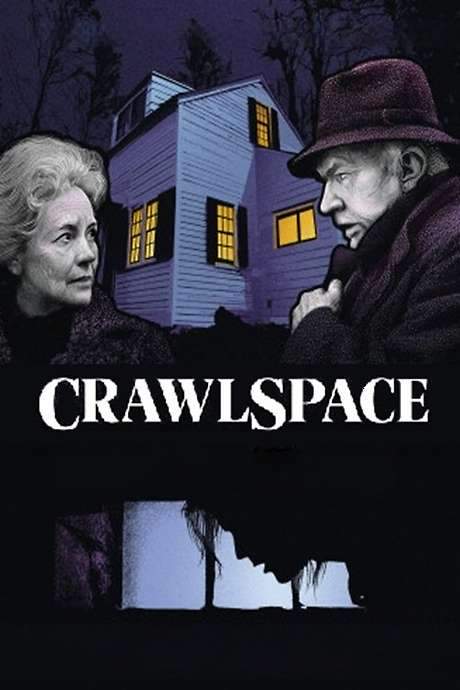
Crawlspace (1986) movie poster

Timeline

Crawlspace (1986) Timeline Explained – Every Event in Order

Release, runtime and language
1986 · 80 mins · English
Loading streaming availability…
Starring
Talia Balsam, Klaus Kinski, Barbara Whinnery, Jack Heller, David Schmoeller, Sherry Buchanan

The tenant soon realizes they are being observed by a deranged landlord, the disturbed son of a former Nazi surgeon. He has transformed the women’s apartment building into a labyrinth of concealed passages, hidden rooms, and elaborate torture and murder devices, turning the everyday setting into a nightmarish trap.

On this page (6)
  1. 1 Where to watch
  2. 2 Events in order (13)
  3. 3 Timeline questions answered
  4. 4 Movie threads
  5. 5 Movies like Crawlspace
  6. 6 Every angle
Loading streaming availability…

13 events in order · contains spoilers

Crawlspace Timeline: Events in Chronological Order

Every key event of Crawlspace (1986) in order, scene by scene, with when and where it takes place. Use it to untangle flashbacks, time jumps and parallel storylines, to refresh your memory before the sequel or to find the exact scene you are thinking of.

  1. Lori moves in and learns about vacancy

    Lori Bancroft has recently moved and inquires at the building about an advertised vacancy. The landlord, Karl Gunther, gives her a tour of the apartment and mentions that the last tenant disappeared without paying rent. His polite hospitality hints at something sinister beneath the surface.

    When
    Move-in period
    Where
    Urban apartment building
  2. Gunther's masochistic ritual

    During the tour, Gunther secretly performs a masochistic rite, placing his hand over an open stove-top flame. The moment reveals his self-harm impulses and a hidden, dangerous dual life behind his courteous façade.

    When
    During tour
    Where
    Apartment during tour
  3. A double life: abduction and confinement

    Outwardly normal, Gunther leads a double life as a sadistic predator who abducts and tortures young tenants. He locks his victims in attic cages and even removes their tongues, keeping them alive so he can have someone to talk to.

    When
    Ongoing
    Where
    Apartment building and attic
  4. Backstory and Nazi guilt

    Gunther was once a respected doctor who performed euthanasia and harbors shame about his past. He mentions his father, a Dachau doctor, and suggests that history fuels his crimes.

    When
    Backstory
    Where
    Gunther's past
  5. Self-destruction and control

    He toys with death through self-harm and dangerous rituals, signaling his deep self-loathing. He also plays Russian roulette, clinging to a dangerous sense of control over life and death.

    When
    Ongoing
    Where
    Apartment
  6. The first murder and the visitor

    Gunther murders a tenant and removes their eyes, marking an escalation in his brutality. Josef Steiner, who has been searching for Gunther for three years, arrives at the building.

    When
    After murder
    Where
    Apartment/Building
  7. Steiner's revelations

    Steiner recounts his past as chief resident at a Buenos Aires hospital, noting sixty-seven patient deaths under his watch and the death of his brother. He confronts Gunther with his family's Nazi ties, including a photograph of Karl in a Hitler Youth uniform.

    When
    Confrontation context
    Where
    Gunther's residence
  8. Escalation: traps and surveillance

    Gunther expands his predation by spying on and murdering tenants via reinforced crawlspace vents and mechanized traps controlled from his home. He revels in his godlike power to grant life or death.

    When
    Escalation
    Where
    Building
  9. Steiner's assassination attempt and death

    Steiner attempts to assassinate Gunther, but is killed by one of Gunther's traps inside the apartment. Gunther proclaims himself as his own god, jury, and executioner.

    When
    Confrontation
    Where
    Gunther's residence
  10. Lori's return and discovery

    Lori returns home to a grisly scene—Steiner's corpse in the bathtub and a swastika carved on his forehead, with live rats in the refrigerator. She tries to call for help, but Gunther activates security mechanisms that trap her inside the building.

    When
    Return home
    Where
    Apartment
  11. The attic refuge and escape attempt

    Lori escapes into Gunther's attic hideout and discovers his last surviving female prisoner. Gunther closes in, but Lori slips through a booby-trapped crawlspace vent, continuing to evade him.

    When
    Escape attempt
    Where
    Attic
  12. Gunther's death in the final confrontation

    Gunther chases Lori through the apartment and a trap impales him on a blade, ending his killing spree. Lori and the rescued prisoner seize the chance to run toward safety and call the police.

    When
    Final confrontation
    Where
    Apartment
  13. Final pursuit and Karl's death

    Lori and the survivor hurry to Karl's apartment to seek help, but Karl pursues with a knife. Her revolver misfires several times before she finally fires the last round, killing Karl; he accepts his death with a final, resigned line: so be it.

    When
    Escape to police
    Where
    Karl's apartment

Last updated: October 09, 2025 at 14:19

Was this helpful?

Timeline questions answered

Crawlspace Timeline Explained: Your Questions Answered

When does it happen, and why in that order? The questions people ask about the chronology of Crawlspace (1986): time jumps, flashbacks, cause and effect between scenes and the correct order of events, each answered with spoilers.

Q1

Why is Karl Gunther a serial killer?

Gunther's killing spree stems from his traumatic family history. His father was a doctor at Dachau concentration camp who used similar justifications for his crimes that Gunther himself once used for euthanasia. Gunther harbors deep shame about his Nazi lineage and channels this guilt into sadistic violence, essentially acting out the monstrous legacy he inherited while simultaneously punishing himself through self-harm and Russian roulette.

Foreshadowing: During the apartment tour, Gunther places his hand over an open flame, revealing his self-destructive impulses.

  • karl gunther
  • serial killer
  • nazi backstory
  • Dachau
  • psychological motivation
Q2

What happens to Josef Steiner?

Steiner is killed by one of Gunther's own traps inside Gunther's apartment. After confronting Gunther about his Nazi past and attempting to assassinate him, Steiner is lured into Gunther's domain where a mechanical device kills him. His corpse is later found in Lori's bathtub with a swastika carved into his forehead.

Foreshadowing: Steiner underestimates the extent of Gunther's trap-filled apartment, believing he can confront or stop him.

  • josef steiner
  • death
  • killed
  • gunther's traps
  • confrontation
Q3

Why does Gunther remove his victims' tongues?

Gunther removes his victims' tongues while keeping them alive in attic cages specifically so he can 'have someone to talk to.' This disturbing practice reflects his profound isolation and desire for companionship combined with his need for total control over his prisoners.

Foreshadowing: The summary notes Gunther keeps victims alive in attic cages where he tortures and mutilates them.

  • tongues
  • victims
  • torture
  • attic cages
  • control
Q4

Why does the revolver misfire multiple times at the end?

The revolver misfires several times during the final confrontation as a narrative device emphasizing the tension and uncertainty of the moment. Gunther's own mechanisms throughout the building have been unreliable and booby-trapped, creating an atmosphere where nothing works predictably. The misfires build suspense before Lori finally fires the single decisive shot that kills Gunther.

Foreshadowing: Gunther's entire building operates on elaborate traps and механизмы that often backfire, establishing a pattern of unpredictable violence.

  • revolver
  • misfire
  • final confrontation
  • gun
  • ending
Q5

What does Gunther mean when he says 'so be it' at the end?

When Karl Gunther is shot and falls, he mutters 'so be it' as a final, resigned acceptance of his death. This line reflects his long-standing preoccupation with death and his belief that he has been living on borrowed time. Throughout the film, he plays Russian roulette and engages in self-harm, suggesting he has always courted this outcome. The phrase represents his nihilistic worldview and ultimate surrender to the fate he has been pursuing.

Foreshadowing: Gunther repeatedly toys with death through self-harm and Russian roulette, indicating he has long awaited this conclusion.

  • so be it
  • final line
  • acceptance
  • death
  • nihilism
Q6

How does Lori escape from the building?

Lori escapes by navigating Gunther's own network of crawlspaces and ventilation systems. After discovering the last surviving female prisoner in the attic, she uses a booby-trapped crawlspace vent to slip away from Gunther. She runs through the deadly maze while Gunther releases rats into the vents. In the final confrontation, Gunther is impaled on his own blade trap, allowing Lori and the survivor to flee toward the stairs and police assistance.

Foreshadowing: The building's crawlspaces are introduced as Gunther's surveillance and weapon system, which eventually become Lori's escape route.

  • lori escape
  • crawlspace
  • attic
  • rats
  • final chase
Q7

Why does Gunther keep his victims alive in cages?

Gunther keeps his victims alive in attic cages to satisfy his need for companionship combined with absolute control. By removing their tongues, he ensures they cannot refuse his conversations while maintaining them as long-term prisoners. This reflects his profound isolation and twisted desire to have 'someone to talk to' while simultaneously exercising his power over life and death.

Foreshadowing: Gunther's double life is established early, he appears respectable by day but violently abducts tenants by night.

  • attic cages
  • victims
  • torture
  • control
  • isolation
Q8

Why does Josef Steiner come to the apartment building?

Steiner arrives at the building after three years of searching for Gunther. He is a former chief resident at a Buenos Aires hospital where sixty-seven patients died under his care, including his own brother. Steiner comes to confront Gunther about their shared Nazi past, he possesses a photograph of young Karl in a Hitler Youth uniform and knows about Gunther's father's crimes at Dachau. His intent is to confront or possibly kill Gunther, though he underestimates the danger.

Foreshadowing: The timeline establishes that Steiner has been searching for Gunther for years before arriving.

  • josef steiner
  • confrontation
  • nazi past
  • hitler youth
  • buenos aires
Q9

How does Gunther die in the end?

Gunther dies when his own mechanisms backfire during the final chase. As he pursues Lori through his apartment complex, he is impaled on a blade he set in motion as part of his elaborate trap system. This ironic death, killed by his own device, parallels how Steiner was killed earlier in the film. After being impaled, he continues pursuing briefly before Lori shoots him with his own revolver.

Foreshadowing: Steiner was already killed by one of Gunther's traps, establishing that Gunther's devices can turn against him.

  • gunther death
  • impaled
  • blade trap
  • final confrontation
  • ironic death
Q10

What happened to the previous tenant who vanished?

When Lori inquires about the vacancy, Gunther mentions the last tenant, a young woman, disappeared without paying rent. Given the established pattern of Gunther abducting and murdering young female tenants, it is implied she became one of his victims. Her disappearance is part of Gunther's ongoing pattern of predation against his tenants.

Foreshadowing: Gunther's double life as a sadistic predator who abducts young tenants is revealed early in the film.

  • previous tenant
  • vanished
  • missing
  • abduction
Q11

Why does Gunther burn his hand on the stove?

During Lori's apartment tour, Gunther places his hand over an open stove flame, revealing his self-harm impulses. This act demonstrates his masochistic tendencies and the duality of his character, he maintains a polite, respectable façade while simultaneously indulging in self-destructive behaviors. His self-harm reflects the deep self-loathing he carries due to his Nazi family legacy and the guilt he feels about his own past as a euthanasia doctor.

Foreshadowing: This moment occurs during the initial tour, establishing Gunther's disturbing dual nature from the very beginning.

  • self-harm
  • stove
  • masochistic
  • guilt
  • duality
Q12

Why is a swastika carved on Steiner's forehead?

The swastika carved on Steiner's forehead serves as Gunther's disturbing signature and declaration of his Nazi ideology. After killing Steiner, Gunther marks him with this symbol to connect Steiner to the same Nazi past that binds them. The act represents Gunther's twisted logic, he sees himself as judge, jury, and executioner, and the swastika is his way of condemning Steiner while simultaneously affirming his own ideological convictions.

Foreshadowing: Steiner confronts Gunther with their shared Nazi family ties, including the photograph of Karl in Hitler Youth uniform.

  • swastika
  • steiner
  • Nazi
  • forehead
  • symbol

Movie threads

More Movies Like Crawlspace, by Mood & Story

Curated lists built around what makes Crawlspace tick: the same mood, the same kind of story or the same emotional payoff. Each list explains why these movies belong together.

Claustrophobic survival horror movies like Crawlspace

Victims fighting for their lives within a confined and deadly space. If you liked the feeling of being trapped and hunted in Crawlspace, you'll find similar thrillers here. These movies feature protagonists confined in deadly spaces, facing off against relentless threats, creating intense and anxiety-driven viewing experiences.

  • claustrophobic
  • trapped
  • anxious
  • desperate
  • oppressive
  • tense
  • Tone: dark, tense
  • Pacing: fast, relentless
Why these movies?

The story pattern: These narratives typically begin with a character or group becoming trapped in a confined space controlled by a malevolent force. The plot is a straightforward, fast-paced escalation of cat-and-mouse terror, focusing on the immediate physical and psychological battle for survival against overwhelming odds.

Why they belong together: They are grouped by their shared core experience of extreme confinement and immediate physical danger. The mood is consistently oppressive and anxious, driven by a fast pace, high intensity, and the central theme of being prey in a carefully constructed trap.

Movies with voyeuristic killers like the landlord in Crawlspace

Stories of predators who derive pleasure from watching and torturing their victims. Fans of the sadistic, observant villain in Crawlspace will appreciate these films. They feature killers who stalk, watch, and psychologically torment their victims, creating a deeply unsettling and grim atmosphere focused on the horror of being a plaything for a deranged mind.

  • sadistic
  • voyeuristic
  • unsettling
  • grim
  • paranoid
  • psychological
  • Tone: dark, unsettling
  • Pacing: steady, escalating
Why these movies?

The story pattern: The plot often unfolds from the perspective of a victim who discovers they are being watched and manipulated by a hidden predator. The conflict is as much psychological as physical, with the villain's twisted backstory and motivations adding a layer of disturbing depth to the cat-and-mouse chase.

Why they belong together: These films share a central theme of voyeurism and sadistic psychological games. The tone is uniformly dark and unsettling, with a heavy emotional weight derived from themes of torture, moral decay, and the profound violation of being stalked by an obsessed killer.

If you liked this

Movies Like Crawlspace

Similar movies to Crawlspace: the same genre, themes or kind of story. Each one comes with its own plot summary, timeline and ending explained.

Browse all movie summaries

Every angle

Crawlspace (1986) Explained: Plot, Timeline & Characters

Everything about Crawlspace in one place: what happens in the plot summary, the timeline in chronological order, the characters and meaning and a spoiler-free summary. What's After the Movie adds the cast, box office and post-credit scenes.

Coming soon on iOS and Android

The Plot Explained Movie Summary App

Plot summaries, endings explained and timelines on your phone. Catch up on any movie in minutes, save your favorites and never miss a twist again.

Be the first to know when we launch. Your email stays private, always.

Learn more about the app