Plot Explained Spoilers guaranteed!
Plot Explained

Browse by genre

Country Life (1994) movie poster

Timeline

Country Life (1994) Timeline Explained – Every Event in Order

Release, runtime and language
1994 · 118 mins · English
Starring
Greta Scacchi, Sam Neill, Kerry Fox, Bryan Marshall, John Hargreaves, Googie Withers

Australian reimagining of Chekhov’s Uncle Vanya set in the 1920s. Jack Dickens and his niece Sally run the farm while supporting brother‑in‑law Alexander, a literary critic in London. Alexander returns with his young wife Deborah, exposing his arrogance and intent to sell the farm. The film probes Australia’s split from England and the ecological ideas of doctor Max Askey.

On this page (5)
  1. 1 Events in order (12)
  2. 2 Timeline questions answered
  3. 3 Movie threads
  4. 4 Movies like Country Life
  5. 5 Every angle

12 events in order · contains spoilers

Country Life Timeline: Events in Chronological Order

Every key event of Country Life (1994) in order, scene by scene, with when and where it takes place. Use it to untangle flashbacks, time jumps and parallel storylines, to refresh your memory before the sequel or to find the exact scene you are thinking of.

  1. Postwar Australia questions its future

    In 1919, Australia wrestles with its identity as a potential imperial outpost after World War I. The town and countryside feel the tension between old loyalties and a growing sense of independence. Debates about national destiny mix with everyday worries as people seek a brighter, more autonomous path. The mood is one of uncertainty and longing for change.

    When
    1919
    Where
    Australia
  2. Jack and Sally tend the family farm

    Jack Dickens and his niece Sally keep the farm running despite loss and economic strain. They rely on each other as Hannah, the sharp-tongued maid, helps manage the household. Their sacrifices keep their dreams alive while the world beyond seems distracted by bigger concerns. The farming life defines their daily rhythm.

    When
    early 1919
    Where
    Australian farm
  3. Voysey the absentee father

    Alexander Voysey abandoned Sally after her mother's death and fled to London, where he cultivates a name as a literary critic and writer. He remains emotionally distant, sowing rumors of success while relying on others for support. His absence shapes Sally's childhood and the family's fragile stability.

    When
    before 1919
    Where
    London
  4. Voysey remarries Deborah

    Voysey returns from the city and marries Deborah, a younger woman who soon discovers the hollow nature of the marriage. Deborah enters a home where affection is scarce and vanity runs high. Her new life begins with growing dissatisfaction and regret.

    When
    post-1919
    Where
    Voysey residence
  5. Voysey's cruel behaviour toward Deborah

    Voysey belittles Deborah, making her fetch things he drops and flaunting his advances to other women in front of her. His self-centered conduct erodes the trust and safety of the marriage. Deborah's daily life becomes a test of endurance and humiliation.

    When
    post-marriage
    Where
    City home
  6. Deborah's unhappiness and regret

    Deborah feels she wasted her youth and life by marrying Voysey, and she regrets the choices that brought her to this moment. She longs for significance and respect that seem out of reach. The marriage's strain deepens as she questions what she has sacrificed.

    When
    post-marriage
    Where
    Voysey residence
  7. Jack and the town doctor drawn to Deborah

    Both Jack Dickens and the town doctor find themselves attracted to Deborah, creating tension within the community. Their feelings complicate loyalties and blur the lines between family duty and personal desire. The fragile balance of the town starts to tilt as longing grows.

    When
    late 1919
    Where
    Town
  8. Sally pines for the town doctor

    Sally longs for the town doctor, hoping for comfort and perhaps a chance at a future she has imagined. Her unrequited longing highlights the gaps left by her mother's absence and Voysey's neglect. The doctor represents both hope and heartache in Sally's world.

    When
    late 1919
    Where
    Farm and town
  9. True natures revealed; hopes and dreams exposed

    The film lays bare the true natures, dreams, and disappointments of each character as pressure mounts. Pretenses fall away and people reveal their vulnerabilities and ambitions. These revelations threaten fragile relationships and the family's cohesion.

    When
    mid- to late-1919
    Where
    Farm
  10. Things fall apart on the farm

    As underlying tensions come to a head, the family and its relationships begin to unravel. Old loyalties crumble under new desires and resentments. The farm, once a symbol of continuity, becomes a flashpoint for conflict and broken trust.

    When
    late 1919
    Where
    Australian farm
  11. Voysey's leverage over the farm exposes its fragility

    Voysey, living off his brother-in-law's labor, illustrates how his self-centered ambitions destabilize the household. His presence underscores the economic and emotional drain that undermines the family’s resilience. The dynamic reveals how dependence and manipulation fracture trust.

    When
    post-1919
    Where
    Farm
  12. Conclusion: the family fractures reveal harder truths

    Secrets come to light and relationships fracture under the weight of desire, pride, and disillusionment. The town confronts the consequences of choices made in the wake of war and resignation. The film ends with a sobering sense that what was built with sacrifice cannot easily endure when inner truths are exposed.

    When
    end of 1919
    Where
    Town and farm

Last updated: February 17, 2026 at 19:58

Was this helpful?

Timeline questions answered

Country Life Timeline Explained: Your Questions Answered

When does it happen, and why in that order? The questions people ask about the chronology of Country Life (1994): time jumps, flashbacks, cause and effect between scenes and the correct order of events, each answered with spoilers.

Q1

Why did Alexander Voysey abandon his daughter Sally?

Alexander Voysey abandoned Sally after her mother's death, leaving her in the care of his brother-in-law Jack Dickens while he pursued a literary career in London. He chose the glamorous life of a literary critic and writer over parental responsibility, remaining emotionally distant and allowing Jack to shoulder the burden of raising his daughter.

Foreshadowing: The film establishes Alexander's absenteeism early, showing how his departure shaped Sally's childhood and the family's fragile stability.

  • alexander voysey
  • abandonment
  • sally
  • parental neglect
  • london
Q2

Why does Alexander Voysey treat Deborah so cruelly?

Alexander subjects Deborah to petty cruelties, making her fetch things he drops and openly flirting with other women in front of her. His self-centered conduct reflects his vanity and emotional emptiness, eroding the trust and safety of their marriage. Deborah quickly discovers the hollow nature of her marriage to a man who prioritizes his own gratification over spousal respect.

Foreshadowing: The marriage begins with Deborah's regret, hinting at the cruelty that will unfold as she endures his belittling behavior.

  • alexander
  • deborah
  • cruelty
  • marriage abuse
  • emotional abuse
Q3

Why does Deborah regret marrying Alexander Voysey?

Deborah regrets marrying Alexander because she quickly realizes she wasted her youth on a man who offers neither affection nor respect. She feels trapped in a hollow marriage where she is subjected to public humiliation and petty cruelties. Her regret stems from sacrificing her prime years for a union that denies her the significance and dignity she craved.

Foreshadowing: Deborah's regret is established the moment she enters the Voysey home, where affection is scarce and vanity runs high.

  • deborah
  • regret
  • marriage
  • youth wasted
  • unhappiness
Q4

Why are both Jack Dickens and the town doctor attracted to Deborah?

Both Jack Dickens and Dr. Max Askey are drawn to Deborah as a presence of warmth and vitality in their isolated rural lives. Deborah represents something missing in their own existences, the promise of connection and perhaps a future different from the daily grind of farm life. Their attraction creates tension within the community and complicates existing loyalties.

Foreshadowing: The arrival of the young Deborah disrupts the established dynamics of the farm and town, awakening latent desires.

  • jack dickens
  • dr max askey
  • deborah
  • attraction
  • romance
Q5

Why does Sally Voysey pine for the town doctor?

Sally longs for the town doctor because he embodies the warmth and promise that her fragmented family can no longer provide. Having lost her mother and been abandoned by her father, Sally seeks comfort and a chance at a future she has imagined. The doctor represents both hope and heartache in her world, a potential escape from her lonely circumstances.

Foreshadowing: Sally's unrequited longing mirrors her mother's absence and Voysey's neglect, highlighting her emotional deprivation.

  • sally voysey
  • town doctor
  • unrequited love
  • longing
  • hope
Q6

What makes the farm's situation so fragile?

The farm's fragility stems from Jack Dickens working tirelessly to maintain it while Alexander, who lives off the family's labor, holds economic leverage over the property. Alexander's intent to sell the farm exposes how his self-centered ambitions destabilize the household. The combination of economic dependence, emotional manipulation, and the aftermath of war creates a precarious situation.

Foreshadowing: The timeline reveals that Voysey's presence underscores the economic and emotional drain that undermines the family's resilience.

  • farm
  • economic strain
  • alexander
  • jack dickens
  • financial vulnerability
Q7

What causes the Voysey family to fall apart?

The family falls apart as underlying tensions from years of neglect, unrequited feelings, and resentment come to a head. Alexander's return with Deborah ignites existing frustrations, his cruelty to Deborah, his exploitation of Jack's labor, and the romantic tensions between Jack, the doctor, Deborah, and Sally all converge. Old loyalties crumble under the weight of desire, pride, and disillusionment.

Foreshadowing: The narrative builds toward revelation, with each character's true nature emerging as pressure mounts throughout 1919.

  • family breakdown
  • conflict
  • secrets
  • resentment
  • relationships
Q8

Why does Alexander Voysey want to sell the family farm?

Alexander Voysey, living as a literary critic in London, views the farm primarily as an asset to be exploited rather than a home to preserve. His intent to sell reflects his self-centered nature and detachment from the family that has sacrificed to keep it running. The sale represents his willingness to prioritize personal gain over his relatives' livelihoods.

Foreshadowing: Voysey's leverage over the farm is established early, revealing his transactional relationship with family property.

  • alexander
  • sell farm
  • property
  • exploitation
  • financial motive
Q9

What does the film say about Australia's relationship with England?

The film probes Australia's split from England through the postwar context of 1919, when Australia wrestled with its identity as a potential imperial outpost. The tension between the farm's grounded Australian life and Alexander's glamorous London existence symbolizes the broader cultural divide. The story suggests a nation questioning old loyalties while seeking a more autonomous path forward.

Foreshadowing: The postwar mood is established in the opening timeline, framing national identity questions throughout the narrative.

  • australia
  • england
  • imperial
  • postwar
  • national identity
Q10

Why does Hannah the maid stay and help Jack and Sally?

Hannah, the sharp-tongued maid, stays on the farm out of loyalty to the family and perhaps limited options in rural Australia. She helps manage the household and supports Jack and Sally in keeping the farm running despite loss and economic strain. Her presence provides practical assistance and a sharp observational voice throughout the story.

Foreshadowing: Hannah's role is introduced early, establishing her as a steady presence amid the family's instability.

  • hannah
  • maid
  • loyalty
  • household support
  • rural life

Movie threads

More Movies Like Country Life, by Mood & Story

Curated lists built around what makes Country Life tick: the same mood, the same kind of story or the same emotional payoff. Each list explains why these movies belong together.

Claustrophobic Family Dramas like Country Life

Tense stories where family tensions simmer in confined settings. If you enjoyed the tense family dynamics in Country Life, you'll appreciate these movies that unfold under one roof. These stories feature simmering resentments, emotional confrontations, and a palpable sense of claustrophobia, perfect for viewers who like character-driven drama.

  • claustrophobic
  • tense
  • family conflict
  • melancholic
  • oppressive
  • introspective
  • Tone: melancholic, tense, oppressive
  • Pacing: slow, deliberate
Why these movies?

The story pattern: Stories in this thread typically follow a family or group forced into close quarters, where external pressures and internal secrets gradually erode their relationships. The narrative builds slowly towards a climactic confrontation or a quiet, devastating realization of their shared entrapment.

Why they belong together: Movies are grouped here because they share a focus on domestic tension, a melancholic tone, and a slow-burning pace that allows character relationships to unravel realistically. They all feature a strong sense of place that confines and defines the characters' struggles.
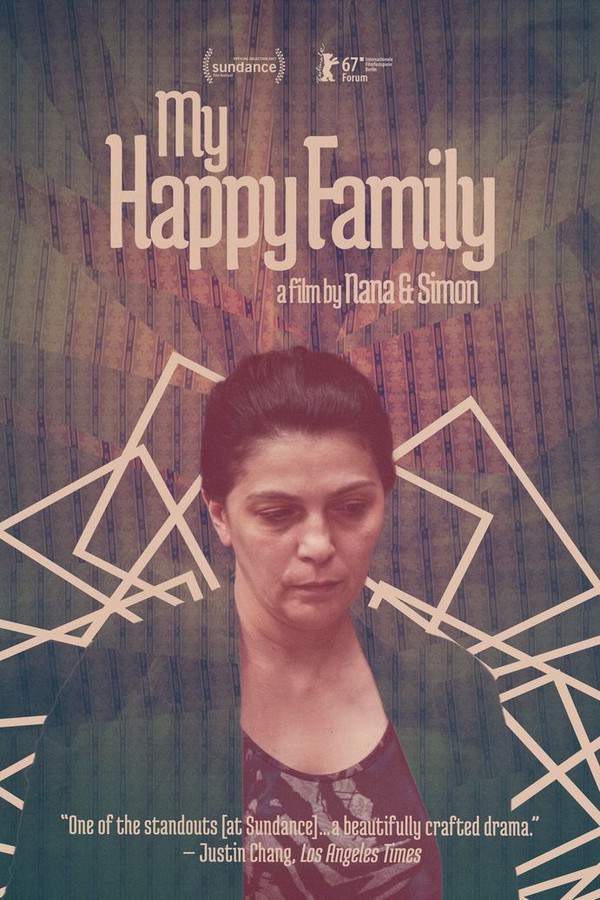
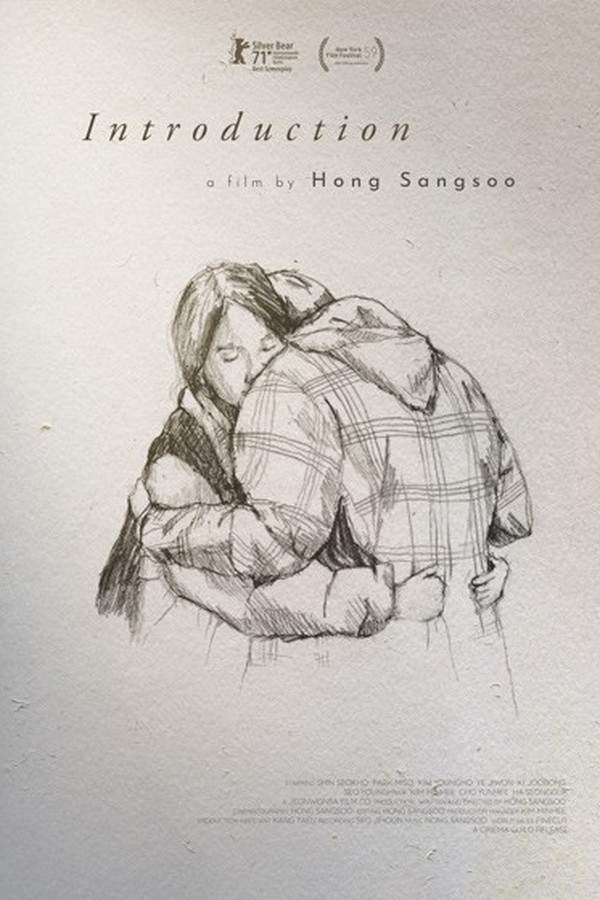
Bittersweet Period Literary Adaptations like Country Life

Adaptations of classic literature that end with poignant, mixed emotions. Fans of Country Life's reimagining of Chekhov will enjoy these other literary adaptations. These movies capture the spirit of their source material while delivering a viewing experience that is emotionally rich, thoughtful, and concludes with a bittersweet, satisfying realism.

  • literary
  • bittersweet
  • period drama
  • melancholic
  • reflective
  • unfulfilled dreams
  • Tone: melancholic, reflective, bittersweet
  • Pacing: slow, character-driven
Why these movies?

The story pattern: The narrative pattern involves characters grappling with societal constraints, personal failings, and unfulfilled desires within a specific historical context. The story builds towards an ending that offers some closure or change, but is tempered by loss, acceptance of reality, or the high cost of personal growth.

Why they belong together: These films are grouped together due to their literary origins, period settings, and a shared tone that balances emotional weight with a reflective quality. They prioritize character development and thematic depth over plot twists, resulting in a similarly bittersweet and thoughtful viewing experience.

If you liked this

Movies Like Country Life

Similar movies to Country Life: the same genre, themes or kind of story. Each one comes with its own plot summary, timeline and ending explained.

Browse all movie summaries

Every angle

Country Life (1994) Explained: Plot, Timeline & Characters

Everything about Country Life in one place: what happens in the plot summary, the timeline in chronological order, the characters and meaning and a spoiler-free summary. What's After the Movie adds the cast, box office and post-credit scenes.

Coming soon on iOS and Android

The Plot Explained Movie Summary App

Plot summaries, endings explained and timelines on your phone. Catch up on any movie in minutes, save your favorites and never miss a twist again.

Be the first to know when we launch. Your email stays private, always.

Learn more about the app