Plot Explained Spoilers guaranteed!
Plot Explained

Browse by genre

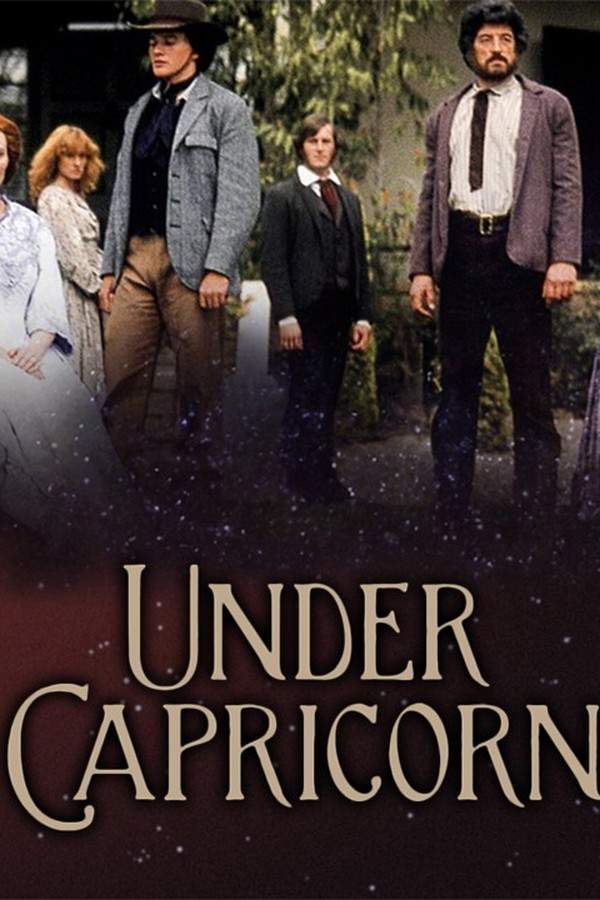
Under Capricorn (1949) movie poster

Plot Summary

Under Capricorn (1949) Plot Summary Explained

Release, runtime and language
1949 · 117 min · English
Loading streaming availability…
Directed by
Alfred Hitchcock
Starring
Joseph Cotten, Cecil Parker, Denis O'Dea, Ingrid Bergman, Harcourt Williams, Bill Shine

In 19th-century colonial Australia, an Irish immigrant finds himself drawn to a woman struggling with inner turmoil. Her precarious circumstances are exploited by those around her, leading to a dangerous situation. He attempts to unravel the secrets of her past and protect her from the manipulative forces threatening her well-being, discovering a web of deceit and hidden agendas along the way.

On this page (6)
  1. 1 Where to watch
  2. 2 What happens: full plot
  3. 3 Plot questions answered
  4. 4 Movie threads
  5. 5 Movies like Under Capricorn
  6. 6 Every angle
Loading streaming availability…

Full plot summary · contains spoilers

What Happens in Under Capricorn: Full Plot Summary

The whole story of Under Capricorn (1949) explained, from the opening scene to the final frame: every key event, every twist and what it all adds up to. Read it as a quick recap before the sequel, to check a scene you missed, or to finally understand what really happened.

It is the year 1831, and amidst the backdrop of British colonial ambition, King William IV has assigned a new governor, Cecil Parker, to oversee New South Wales in Australia. Dressed in a military redcoat and cocked hat, he speaks at the arrival ceremony, although his address is hindered by the unruly remarks of spectators.

Among those present is Charles Adare (Michael Wilding), the governor's younger cousin, who has come from Ireland. Shortly after the speech concludes, a local banker approaches Charles with offers of assistance, despite Charles admitting he has no funds and is seeking fortune in Sydney. Their meeting the following day introduces him to the influential landowner, Sam Flusky (Joseph Cotten), whose reputation is tainted by a convict past. Sam proposes a business venture that could yield quick profits, leveraging his connection to the governor.

Charles, eager for easy money, discusses the plan with his uncle, but the cautious Attorney General Corrigan (Denis O'Dea) warns him against engaging with Flusky, labeling him as unsavory. Nonetheless, Charles's desire for wealth leads him to dinner at Flusky's opulent home, where it becomes apparent Flusky is intrigued by Charles purely for his royal ties. During this dinner gathering, Charles encounters Lady Henrietta (Ingrid Bergman), Sam’s wife, a woman he remembers from his childhood, who now appears emotionally unstable and heavily reliant on alcohol.

> “Why Weepest Thou?” resonates through Flusky's estate, as Milly (Margaret Leighton), the housekeeper, maintains a tyrannical control over the household. Following disturbing revelations about Hattie's condition and the toxic dynamics influenced by Milly, Charles resolves to help restore her sense of self.

As Charles moves in to foster Hattie's recovery, he learns of her troubled past—a romance that resulted in scandal back in Ireland. Lady Henrietta's former ties to Sam Flusky and her unresolved trauma contribute to her deteriorating state, exacerbated by Milly’s manipulations. Determined to challenge Milly's control, Charles encourages Hattie to reclaim her life and independence.

Striving to empower her, Charles initiates small victories, such as coaxing her to confront her reflection in a mirror after years of neglect. This newfound confidence, however, creates tension with Milly, who resorts to subterfuge. Charles's efforts lead to a promising invitation to the governor's ball, yet, underwhelmed by her husband's attitude, Hattie ultimately attends with Charles, dazzling the social elite and even capturing the governor's attention.

However, turmoil is ever-present, with Milly scheming to sabotage Hattie's progress while igniting Sam’s jealousy and insecurities. When provoked, Sam publicly humiliates Hattie, causing her deep distress and prompting a confession of her past to Charles—the revelation that she had unintentionally caused her brother's death.

In a tragic turn of events, an altercation with Sam results in Charles getting shot, leading to more heartbreak as they navigate the legal ramifications of this violent outburst. As the investigation unfolds, tensions peak with the moral dilemmas each character must confront, including Hattie's desperate attempt to save Sam by confessing to a crime he was unjustly imprisoned for.

Ultimately, Charles returns to Ireland, leaving behind a reconciled Sam and Hattie, who, after overcoming great adversity and deception, discover solace in one another’s company, illustrating that love can indeed flourish amidst life's challenges.
Last updated: October 25, 2024 at 11:01

Was this helpful?

Plot questions answered

Under Capricorn Plot Explained: Your Questions Answered

The questions people ask most about Under Capricorn (1949): what happens in the confusing scenes, why the characters do what they do, the twists, hidden details and what the ending means. Each answer contains spoilers.

Q1

Why is Lady Henrietta so unstable and dependent on alcohol?

Lady Henrietta's emotional instability stems from a traumatic past in Ireland. She was involved in a romantic scandal that unintentionally caused her brother's death. This guilt, combined with her unhappy marriage to Sam Flusky, has driven her to alcoholism and severe psychological decline. The trauma of her past continues to haunt her throughout the story.

  • lady henrietta
  • hattie
  • alcoholism
  • trauma
  • brother death
  • ireland
Q2

Why does Milly have so much control over the Flusky household?

Milly, the housekeeper, maintains tyrannical control by manipulating Lady Henrietta's vulnerabilities and exploiting her emotional state. She fosters an toxic environment that keeps Hattie dependent and isolated. This control allows Milly to undermine any attempts to help Hattie recover, including Charles's efforts to restore her confidence.

  • milly
  • housekeeper
  • manipulation
  • control
  • flusky estate
Q3

Why does Sam Flusky want to involve Charles in his business venture?

Sam Flusky is interested in Charles Adare primarily because of his family connection to the new governor. Sam's reputation is tarnished by his convict past, and he sees Charles's royal ties as a way to gain legitimacy and access to profitable opportunities through his connection to the governor. He's essentially using Charles for his social connections.

  • sam flusky
  • business venture
  • governor connection
  • convict past
  • social climbing
Q4

Why does Sam publicly humiliate Lady Henrietta at the governor's ball?

Sam's public humiliation of Hattie stems from intense jealousy and insecurity. After Charles helps Hattie regain her confidence and she dazzles the social elite at the ball, Sam's insecurities escalate. His rage explodes into publicly embarrassing her, revealing his deep-seated fears about losing her and being exposed as unworthy of her social standing.

Foreshadowing: Earlier in the story, Sam's interest in Charles is tied to social advancement, showing his sensitivity about status.

  • sam flusky
  • jealousy
  • humiliation
  • governor ball
  • public embarrassment
Q5

What does Lady Henrietta confess to Charles about her past?

Lady Henrietta confesses to Charles that she unintentionally caused her brother's death. This tragic secret from her past in Ireland is the root of her psychological torment and alcoholism. The guilt from this incident has haunted her throughout her marriage to Sam and contributes to her fragile mental state.

  • confession
  • brother death
  • guilt
  • secret
  • ireland past
Q6

Why does Charles Adare get shot by Sam Flusky?

Charles is shot during an altercation with Sam Flusky. The shooting occurs after tensions escalate following Sam's public humiliation of Hattie and her confession to Charles. The confrontation becomes violent when Sam discovers the intimate details Hattie shared with Charles, leading to the tragic shooting incident.

Foreshadowing: The tensions between Sam and Charles had been building throughout the story, particularly after the ball incident.

  • charles adare
  • shot
  • altercation
  • violence
  • sam flusky
Q7

Why does Lady Henrietta confess to a crime to save Sam?

Lady Henrietta confesses to a crime Sam was previously imprisoned for because she loves him deeply and wants to protect him from further consequences. Despite his violent outburst and public humiliation of her, her loyalty and love drive her to sacrifice herself by admitting to the crime he was unjustly accused of, attempting to clear his name.

  • hattie confession
  • crime
  • sam flusky
  • sacrifice
  • loyalty
  • love
Q8

Why does Charles Adare return to Ireland at the end?

Charles leaves for Ireland after witnessing the turmoil and violence that has consumed the Flusky household. Having been shot and experiencing the destructive consequences of his attempts to help Hattie, Charles realizes that his presence has actually intensified the conflict. He departs knowing that Sam and Hattie need to work through their issues together without his interference.

  • charles adare
  • departure
  • ireland
  • resolution
  • healing
Q9

Why did Lady Henrietta marry Sam Flusky despite her traumatic past?

Lady Henrietta's marriage to Sam Flusky appears to be connected to her troubled past in Ireland. The scandal that resulted in her brother's death likely left her with few options. Sam, having known her during this period, may have offered her marriage as a way to escape the scandal, though the marriage proved unhappy and contributed to her psychological decline.

  • marriage
  • sam flusky
  • scandal
  • ireland
  • desperation
Q10

What is the significance of the phrase "Why Weepest Thou" in the film?

"Why Weepest Thou" is a phrase that resonates through Flusky's estate, symbolizing the pervasive sorrow and emotional suffering that dominates the household. It reflects Lady Henrietta's continuous grief over her traumatic past and current circumstances. The phrase underscores the gothic atmosphere of the film and highlights the central theme of unresolved guilt and sorrow.

  • why weepest thou
  • phrase
  • gothic atmosphere
  • grief
  • sorrow

Movie threads

More Movies Like Under Capricorn, by Mood & Story

Curated lists built around what makes Under Capricorn tick: the same mood, the same kind of story or the same emotional payoff. Each list explains why these movies belong together.

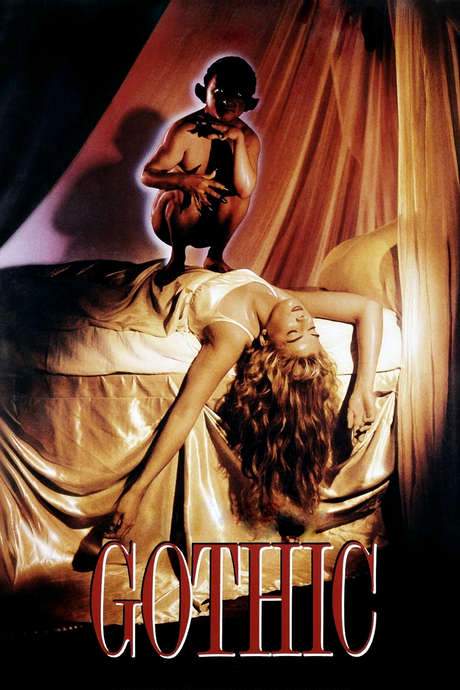
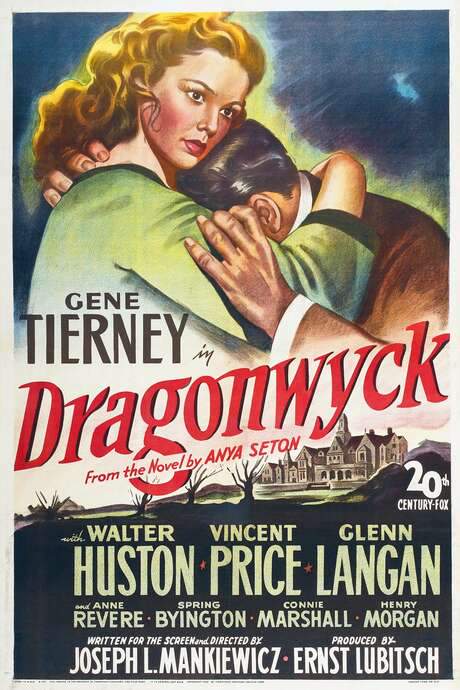
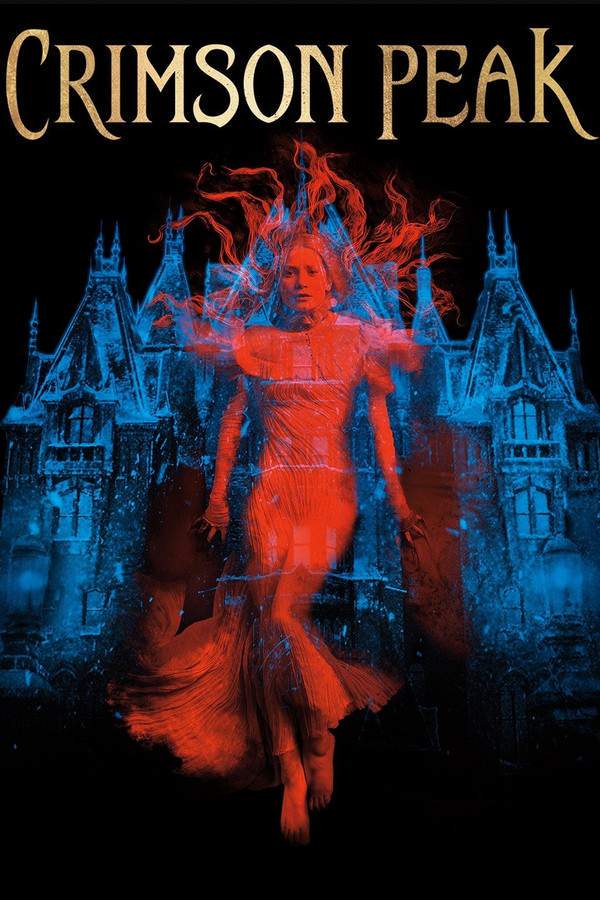
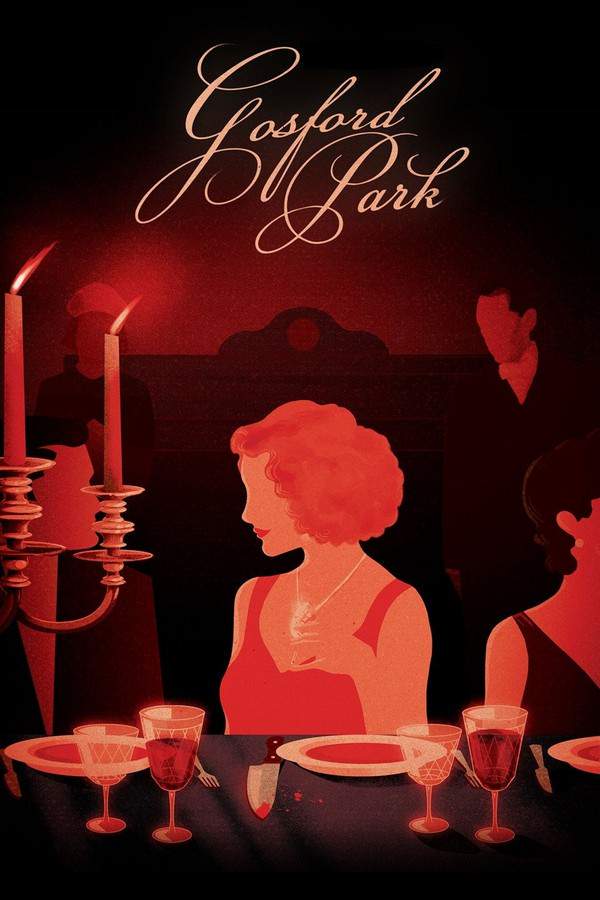
Gothic domestic dramas with hidden secrets like Under Capricorn

Stories of psychological torment and hidden pasts within sinister, confined estates. Explore movies like Under Capricorn that feature dark family secrets and psychological torment within a grand, confining household. If you enjoy period dramas with a gothic, claustrophobic atmosphere, themes of marital strife, and a rescue mission to uncover the truth, these stories will captivate you.

  • gothic
  • claustrophobic
  • melancholic
  • oppressive
  • psychological
  • secret
  • Tone: dark, melancholic, oppressive
  • Pacing: steady, deliberate
Why these movies?

The story pattern: These narratives typically unfold within a single, imposing location like a manor or estate, where a protagonist discovers the dark secrets of its inhabitants. The plot revolves around unraveling a web of deceit, often involving a troubled central figure who must be saved from psychological or emotional decay, culminating in a dramatic, emotionally charged revelation.

Why they belong together: These films are grouped by their shared gothic mood, oppressive settings, and focus on domestic psychological drama. They feature a steady pacing that builds dread, a dark tone exploring heavy themes like manipulation and trauma, and a central character arc of redemption or rescue from a guilty past.

Bittersweet redemption stories with a rescue mission like Under Capricorn

Emotional journeys where saving someone comes at a great personal cost. Discover movies similar to Under Capricorn about a difficult rescue mission that leads to a bittersweet redemption. If you liked the story of an outsider saving a tormented soul from manipulation and addiction, these films with heavy emotional weight and a qualified hopeful ending will resonate.

  • somber
  • redemption
  • melancholic
  • rescue
  • trauma
  • bittersweet
  • Tone: dark, somber, bittersweet
  • Pacing: steady, character-driven
Why these movies?

The story pattern: The narrative follows an outsider or a determined individual who intervenes to save a person in decline. This journey involves piecing together a tragic backstory, battling against a manipulative antagonist, and guiding the subject towards recovery. The climax often involves a confrontation that secures a fragile, hard-won future, tinged with sadness for what was lost.

Why they belong together: They share a core plot structure of a rescue mission, a heavy emotional focus on trauma and recovery, and a bittersweet conclusion. The tone is dark and somber, the pacing is steady to allow for character development, and the intensity comes from high emotional stakes rather than constant action.

If you liked this

Movies Like Under Capricorn

Similar movies to Under Capricorn: the same genre, themes or kind of story. Each one comes with its own plot summary, timeline and ending explained.

Browse all movie summaries

Every angle

Under Capricorn (1949) Explained: Plot, Timeline & Characters

Everything about Under Capricorn in one place: what happens in the plot summary, the timeline in chronological order, the characters and meaning and a spoiler-free summary. What's After the Movie adds the cast, box office and post-credit scenes.

Coming soon on iOS and Android

The Plot Explained Movie Summary App

Plot summaries, endings explained and timelines on your phone. Catch up on any movie in minutes, save your favorites and never miss a twist again.

Be the first to know when we launch. Your email stays private, always.

Learn more about the app