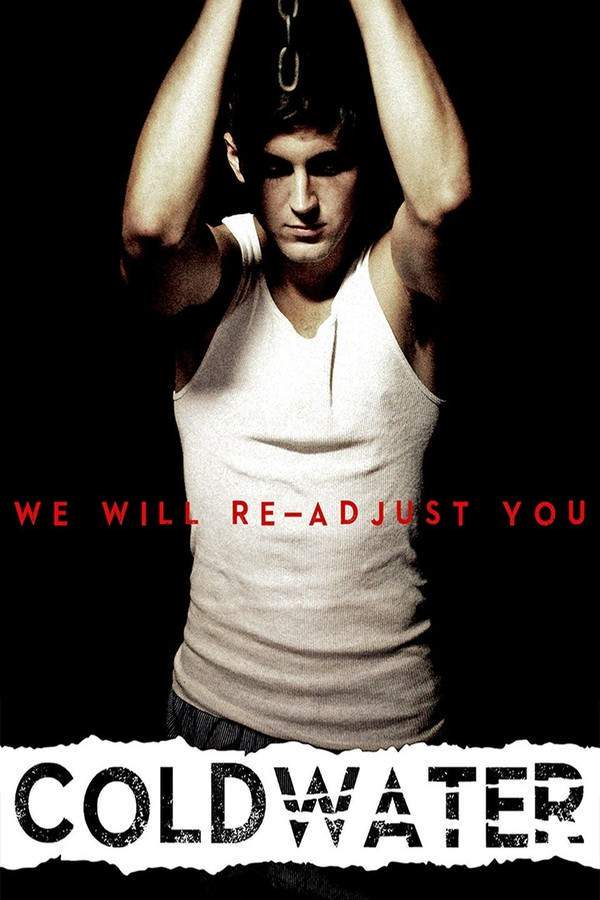
Coldwater follows the grim reality of abused teenage inmates at a so-called wilderness rehabilitation facility in California. The camp is run by a former Marine, Colonel Frank Reichert, whose personal demons—alcoholism, a failed family life, and a war-tired temperament—shape a brutal regime. The staff are a rough crew, many with military backgrounds or histories as former residents, and they exercise a “might makes right” philosophy that offers little in the way of real rehabilitation. The facility becomes a pressure chamber where fear and control replace care, and the line between punishment and cruelty is easily crossed.
The story centers on Brad Lunders, a teenager who has a strained relationship with his mother and her new partner, who is also behind bars for low-level drug dealing and for his involvement in the death of Brad’s girlfriend, Erin. Brad’s best friend, Gabriel, eventually joins him at Coldwater, and the two form a tense bond amid the harsh climate. A staff member named Josh becomes a focal point of conflict as tensions escalate, especially after a disturbing punishment: an inmate is maimed and left permanently injured while handcuffed to a ceiling in an overnight episode that tests the limits of what is deemed acceptable in the facility. The environment grows more volatile as fear and resentment simmer beneath a veneer of routine.
Brad’s resolve hardens as he experiences attempts at control through intimidation. He does manage to escape from Coldwater at one point, but a sheriff’s deputy—concerned by what Brad has disclosed about the abuses—ends up returning him to the camp. The situation inside the facility continues to deteriorate: Reichert’s alcoholism worsens, his day drinking becomes more conspicuous, and with weak leadership the staff ratchet up pressure on the inmates. Josh, unable to maintain restraint, loses his temper and challenges Brad to a fight. Although Brad is younger, he is physically larger, more capable, and quickly overpowers Josh, with other staff intervening only to prevent a more severe outcome. The following day, a humiliating scene unfolds when a vehicle driven by the drunken Reichert runs dry; Josh has to refuel it, only to discover the gas can has been filled with water. Forced to push the car back to camp, Josh is left to endure the humiliating spectacle while Reichert passes out in the passenger seat.
Brad seizes an opportunity while the chaos unfolds: he steals a master key that grants access to nearly every part of the facility. He also works to identify who is behind the water-prank incident, initially pinning the blame on Gabriel, while he secretly gathers information. Quietly, he regroups and begins to assemble evidence of the abuse. That night, Brad frees Gabriel from the torture shed and hides the medical files that document the injuries suffered by each inmate. He cross-references these with his own observations and discreetly mails the compiled dossier to the sheriff’s department via a mail drop at the end of a hiking trail, attempting to bring the truth to light.
With the documentation in hand, the inmates rise up, driven by a need for accountability and protection from the brutal regime. The staff are overwhelmed as chaos erupts, and the confrontation culminates in Brad confronting Reichert in his office. In a final act of defiance and desperation, Brad shoots Reichert, then stages it as a suicide to obscure the truth and shield himself from immediate consequences. The facility descends into carnage as the other inmates carry out a violent purge, and the authorities struggle to restore order.
The film closes with a grim aftermath: Brad is released from police custody without charges, awaiting a life beyond Coldwater as his mother arrives to pick him up. The news broadcasts the shocking footage of the massacre at the facility, leaving viewers with a stark meditation on power, abuse, and the pursuit of justice within a system that is supposed to heal.