
Bride of the Regiment
Year: 1930
Runtime: 79 mins
Language: English
Director: John Francis Dillon
Leaving the church after their wedding, Count Adrian Beltrami and Countess Anna‑Marie learn Austrian troops march to suppress an Italian uprising. The bride and relatives urge him to flee to his castle, but Tangy, a silhouette cutter, brings a committee message calling him back. Count departs, asking Tangy to pose as him and protect Anna‑Marie.
Warning: spoilers below!
Haven’t seen Bride of the Regiment yet? This summary contains major spoilers. Bookmark the page, watch the movie, and come back for the full breakdown. If you're ready, scroll on and relive the story!
Bride of the Regiment (1930) – Full Plot Summary & Ending Explained
Read the complete plot breakdown of Bride of the Regiment (1930), including all key story events, major twists, and the ending explained in detail. Discover what really happened, and what it all means.
In a period when Austria controlled parts of Italy, during the Austro-Italian War of 1830, Vultow, the leader of an Austrian cavalry regiment, is sent to quell a revolt led by Lombard aristocrats. He heads toward the castle of Count Adrian Beltrami, one of the rebellion’s key figures, just as Beltrami is stepping out from his wedding to Countess Anna-Marie.
As the newlyweds emerge from the church, the threat of the approaching Austrian force reshapes the day’s plans. To spare his wife from danger and capture, Beltrami flees the castle but entrusts the young silhouette cutter Tangy Tangy with the risky task of impersonating him and guarding Anna-Marie. The ruse unfolds with Beltrami returning in disguise, introduced to Vultow under the cover of being a singer and silhouette cutter. To maintain the deception, he enlists Tangy’s aid once more, weaving a complex performance that blurs lines between truth and illusion.
The scheme begins to crumble when Vultow’s suspicions grow or a misstep reveals the ruse. The plot thickens as Vultow sentences Adrian to death by firing squad unless Anna-Marie submits to his coercive demands. The grim ultimatum puts the couple’s fate in a precarious balance and tests the limits of loyalty and resolve under pressure.
To save her husband, Anna-Marie turns to a radical, symbolic act. She shows a portrait of her great-grandmother and explains how the woman once defended her own honor, hinting at a fierce, ancestral courage. The painting appears to come alive: Anna-Marie’s great-grandmother steps out from the frame and embraces Vultow, who is then overcome by champagne and euphoria. Under the intoxicated haze, he dreams that Anna-Marie willingly yields to him, a dream that colors his next decisions with dangerous misperception.
When he awakens, Vultow misreads the vision as a fait accompli and frees Adrian, mistakenly believing that the matter is resolved in his favor. Yet the danger is not permanently over, and the political clock continues to tick. Word arrives that Italian troops are pressing forward, forcing Vultow to depart. In the wake of his departure, the misunderstandings unravel, and the Count and Countess find themselves reunited, their bond strengthened by an ordeal that tested trust, bravery, and the power of a timely act of courage amid warfare.
Last updated: February 20, 2026 at 12:25
Bride of the Regiment (1930) Plot Questions Answered – Summary FAQ
Explore frequently asked questions about Bride of the Regiment (1930) with spoiler-rich answers covering the full plot summary, major story beats, character motivations, hidden details, and ending meaning. This movie summary FAQ helps explain confusing scenes, plot twists, and narrative decisions in clear, searchable detail.
Why does Count Adrian ask Tangy to impersonate him?
After learning Austrian cavalry under Colonel Vultow approaches his castle, Adrian must flee to avoid capture as a rebel leader. He entrusts Tangy, a silhouette cutter, to impersonate him and protect Anna-Marie because he cannot take his new wife with him into hiding. The ruse allows Adrian to return in disguise while maintaining the appearance that he has left.
Earlier, the newlyweds emerge from the church directly into the threat of war, immediately forcing difficult decisions.
Why does Vultow sentence Adrian to death?
Vultow discovers that the man presenting himself as a singer and silhouette cutter is actually Count Adrian Beltrami in disguise. Enraged by the deception, Vultow issues an ultimatum: Adrian will face a firing squad unless Anna-Marie submits to his sexual demands. The threat combines political vengeance with personal coercion.
The deception begins when Beltrami returns in disguise, calling on Tangy to maintain the illusion.
How does the portrait of Anna-Marie's great-grandmother come alive?
The film presents this as a supernatural moment, Anna-Marie shows Vultow the portrait of her great-grandmother in a bare ermine cloak, invoking family honor. The painting then literally comes to life as the ancestor steps out of the frame and embraces Vultow, intoxicating him with champagne and euphoria. This surreal element resolves the immediate crisis through magical intervention rather than violence.
Anna-Marie explicitly invokes her great-grandmother's defense of honor before showing the portrait.
Why does Vultow free Adrian after his dream?
After the supernatural encounter with the portrait, Vultow becomes intoxicated and falls asleep. He dreams that Anna-Marie willingly submitted to him, believing this vision represents reality. When he awakens, he misreads the situation entirely, convinced the matter is resolved in his favor, and orders Adrian's release, believing he has already taken Anna-Marie as his own.
The dream directly follows the Intoxicated state from the portrait encounter.
What reveals Beltrami's disguise to Vultow?
The timeline indicates that Vultow's suspicions grow over time or a misstep reveals the ruse. As the Austrian officer interacts with the disguised Count, inconsistencies become apparent. Once discovered, the political threat of the rebel leader being in his midst transforms the situation from infiltration to outright confrontation.
The deception begins when Beltrami presents himself as a singer, relying on Tangy's assistance.
Why does Anna-Marie show Vultow her great-grandmother's portrait?
Facing Vultow's coercive demand that she submit to him to save Adrian's life, Anna-Marie invokes her family's honor. She shows the portrait explaining the woman's bare ermine cloak, suggesting she too defended her honor. The portrait represents ancestral courage against dishonor, serving as both plea and warning before the supernatural intervention occurs.
Anna-Marie explicitly fears the same dishonor that befell her ancestor.
Why does Vultow leave the castle?
Vultow departs because Italian troops are advancing, forcing the Austrian cavalry to retreat from the region. This military development removes the immediate threat and allows the political situation to shift, leading to the couple's reunion. The news arrives after Adrian's release but before the couple can fully reconcile.
The opening establishes the Austro-Italian War context and Italian resistance.
What happens when Vultow demands Anna-Marie submit to him?
Vultow discovers the impersonation and issues a death sentence for Adrian unless Anna-Marie agrees to his sexual demands. This transforms the story from political rebellion to personal honor crisis. Anna-Marie's response, showing the portrait of her great-grandmother, becomes the turning point that leads to the supernatural resolution.
The ultimatum directly follows the exposure of Beltrami's disguise.
How does the deception begin on the wedding day?
As Count Adrian Beltrami and Countess Anna-Marie leave the church after their wedding, they learn Austrian troops march toward the castle to suppress the Italian uprising. At his wife's urging, Adrian flees for safety but arranges for Tangy to take his place. He then returns in disguise as a silhouette cutter and singer, initiating the elaborate ruse to protect Anna-Marie while evading capture.
The wedding day becomes entangled with war the moment news of Vultow's approach arrives.
How do the Italian troops advancing affect the outcome?
The Italian military advance forces Vultow to abandon his position at the castle. With the Austrian forces retreating, the immediate danger to Adrian and Anna-Marie ends. This military reversal creates the opportunity for the couple to reunite after the ordeal, as Vultow departs with his men in response to the changing battlefield situation.
The opening establishes this as a rebellion the Austrians are trying to suppress.

Explore Movie Threads
Discover curated groups of movies connected by mood, themes, and story style. Browse collections built around emotion, atmosphere, and narrative focus to easily find films that match what you feel like watching right now.
Political Intrigue Fueled by Romantic Tension like in Bride of the Regiment
Love and duty collide amidst rebellion, deception, and high-stakes danger.If you enjoyed the tense mix of romance and political revolt in Bride of the Regiment, you'll find similar thrilling stories here. These movies feature lovers caught in rebellion, using disguise and wit to survive and reunite.








Narrative Summary
Stories in this thread typically follow lovers whose relationship is strained or defined by a larger political conflict. The plot often involves elements of deception, disguise, and sacrifice, where personal desires must contend with patriotic duty, leading to suspenseful scenarios and a climactic resolution that often reunites the couple.
Why These Movies?
Movies are grouped here for their potent combination of a high-stakes romantic arc set against a backdrop of political unrest. They share a tense tone, a steady pacing driven by external threats, and a focus on the desperate measures characters take to protect each other.
Deception and Disguise Resolving Moral Peril like in Bride of the Regiment
Clever ruses and hidden identities are the only defense against coercive threats.Movies like Bride of the Regiment, where characters use clever tricks and disguises to escape blackmail and sexual coercion. If you liked the non-violent, cunning resolution, discover more stories where wit triumphs over threat.

Charade
1963

Deewane
2000

Blackmail
1974

Woman in Hiding
1950

This Side of the Law
1950
Incognito
1997

The Menace
1932

Private Detective 62
1933

No Man of Her Own
1950

One Dangerous Night
1943

The Return of the Whistler
1948

Party Girl
1930

The Misleading Lady
1932

The Wiser Sex
1932

This Is My Affair
1937
Narrative Summary
The narrative pattern involves a clear antagonist applying pressure through blackmail or coercion. The protagonist, rather than confronting the threat directly, devises an intricate deception—a double, a hidden identity, or a staged event—that cleverly undermines the villain's power, leading to a cathartic and often surprisingly happy ending.
Why These Movies?
These films are united by their central plot mechanism: the use of intelligent deception to resolve a tense, morally fraught situation. They share a steady pacing that builds suspense, a moderate complexity from the layers of the ruse, and a satisfyingly clever rather than violent conclusion.
Unlock the Full Story of Bride of the Regiment
Don't stop at just watching - explore Bride of the Regiment in full detail. From the complete plot summary and scene-by-scene timeline to character breakdowns, thematic analysis, and a deep dive into the ending - every page helps you truly understand what Bride of the Regiment is all about. Plus, discover what's next after the movie.
Bride of the Regiment Timeline
Track the full timeline of Bride of the Regiment with every major event arranged chronologically. Perfect for decoding non-linear storytelling, flashbacks, or parallel narratives with a clear scene-by-scene breakdown.

Characters, Settings & Themes in Bride of the Regiment
Discover the characters, locations, and core themes that shape Bride of the Regiment. Get insights into symbolic elements, setting significance, and deeper narrative meaning - ideal for thematic analysis and movie breakdowns.


Similar Movies to Bride of the Regiment
Discover movies like Bride of the Regiment that share similar genres, themes, and storytelling elements. Whether you’re drawn to the atmosphere, character arcs, or plot structure, these curated recommendations will help you explore more films you’ll love.
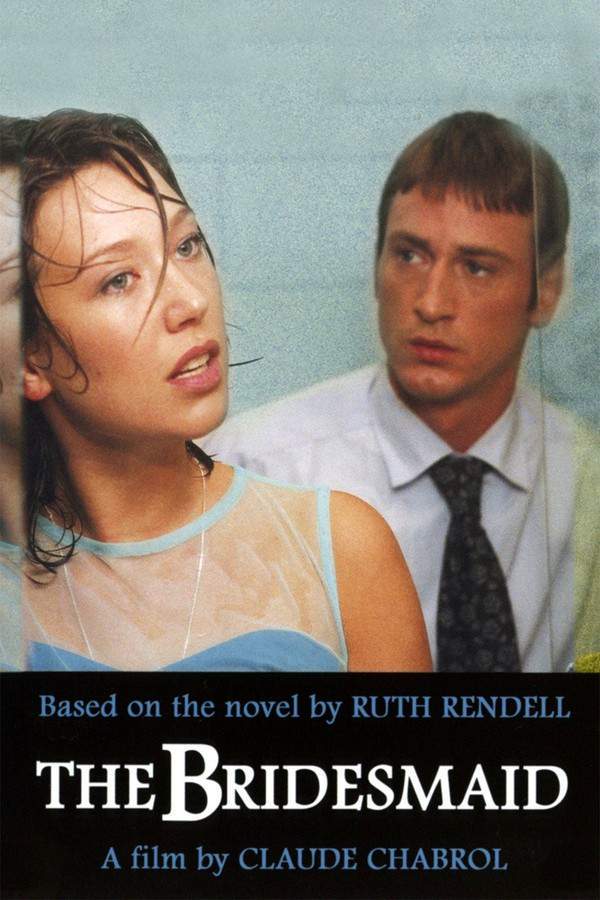
The Bridesmaid
2006
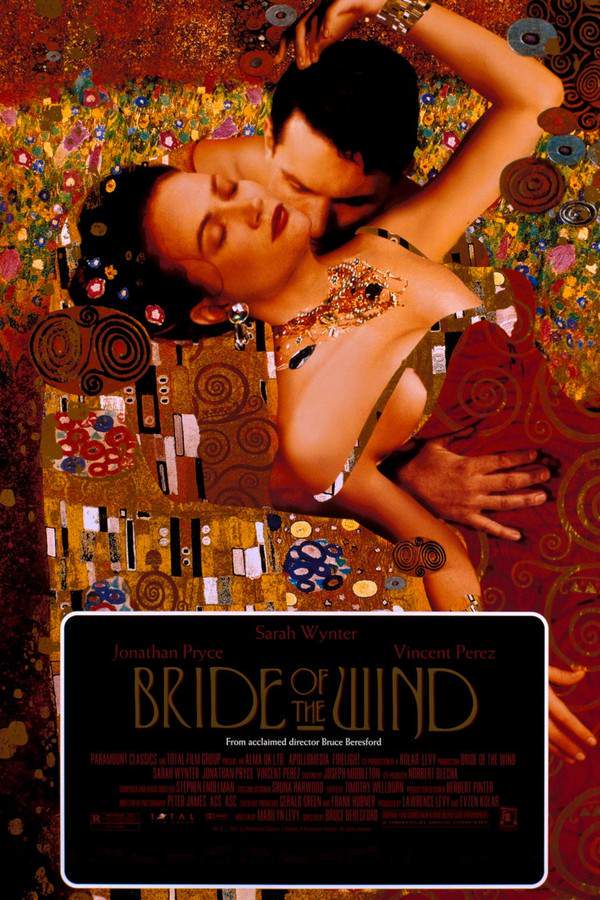
Bride of the Wind
2001

Romancing the Bride
2005

That Lady in Ermine
1948

Runaway Bride
1962

The Wooden Man’s Bride
1994

Bride of Vengeance
1949

Bride by Mistake
1944

The Betrothed
1941

Till Marriage Do Us Part
1974

The Wedding March
1928

The Bride Wore Red
1937

The Bride Comes Home
1935

The Bartered Bride
1932
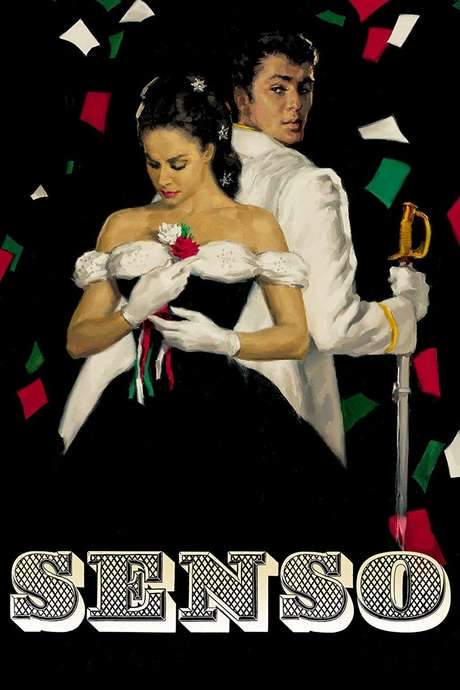
Senso
1954
Explore More About Movie Bride of the Regiment
Bride of the Regiment (1930) Scene-by-Scene Movie Timeline
Bride of the Regiment (1930) Movie Characters, Themes & Settings
Bride of the Regiment (1930) Spoiler-Free Summary & Key Flow
Movies Like Bride of the Regiment – Similar Titles You’ll Enjoy
The Bridesmaid (2006) Detailed Story Recap
Bride of the Wind (2001) Story Summary & Characters
Romancing the Bride (2005) Detailed Story Recap
That Lady in Ermine (1948) Detailed Story Recap
Runaway Bride (1962) Detailed Story Recap
The Wooden Man’s Bride (1994) Detailed Story Recap
Bride of Vengeance (1949) Complete Plot Breakdown
Bride by Mistake (1944) Film Overview & Timeline
The Betrothed (1941) Spoiler-Packed Plot Recap
Till Marriage Do Us Part (1974) Full Summary & Key Details
The Wedding March (1928) Detailed Story Recap
The Bride Wore Red (1937) Complete Plot Breakdown
The Bride Comes Home (1935) Spoiler-Packed Plot Recap
The Bartered Bride (1932) Complete Plot Breakdown
Senso (1954) Spoiler-Packed Plot Recap