Plot Explained Spoilers guaranteed!
Plot Explained

Browse by genre

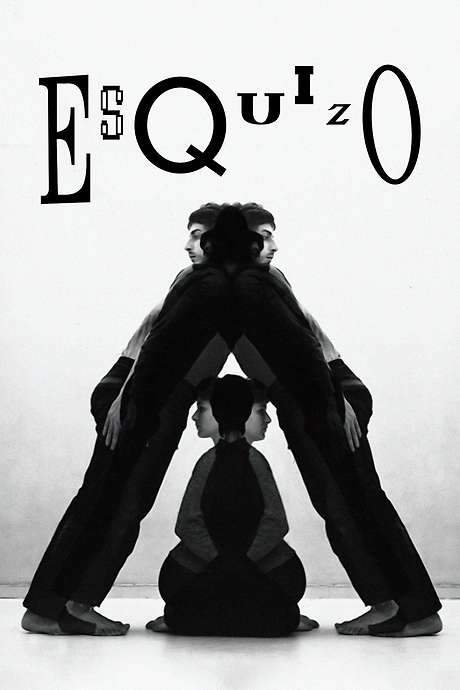
Brainstorm (2000) movie poster

Plot Summary

Brainstorm (2000) Plot Summary Explained

Release, runtime and language
2000 · 84 mins · Portuguese
Loading streaming availability…
Directed by
Laís Bodanzky
Starring
Rodrigo Santoro, Luis Miranda, Gero Camilo, Caco Ciocler, Gustavo Machado, Othon Bastos

Neto, a middle‑class teenager whose life seems ordinary, is abruptly uprooted when his father discovers a marijuana cigarette in his pocket. He is committed to a mental institution, where he confronts a bizarre, inhumane world in which a corrupt, cruel system voraciously consumes its victims.

On this page (6)
  1. 1 Where to watch
  2. 2 What happens: full plot
  3. 3 Plot questions answered
  4. 4 Movie threads
  5. 5 Movies like Brainstorm
  6. 6 Every angle
Loading streaming availability…

Full plot summary · contains spoilers

What Happens in Brainstorm: Full Plot Summary

The whole story of Brainstorm (2000) explained, from the opening scene to the final frame: every key event, every twist and what it all adds up to. Read it as a quick recap before the sequel, to check a scene you missed, or to finally understand what really happened.

The film opens with Wilson Souza Neto, Rodrigo Santoro, reading a letter from his son Neto, Rodrigo Santoro, in which Neto expresses contempt for his father. This sharp message kicks off a flashback that follows Neto, a São Paulo teenager, as he negotiates a difficult bond with his father and his mother, Meire Souza. The story threads through a life that feels both sheltered and stormy, showing how family pressure, social expectations, and personal hunger pull Neto in conflicting directions.

One day, Neto travels with his friend Lobo, Gustavo Machado, to Santos without telling his parents. They visit an apartment where they swim and eat, and Neto witnesses a troubling moment when Lobo suggests they reciprocate for the food by letting the men there caress them. Later, alone in downtown, Neto begs for money and is helped by a woman named Leninha, Valéria Alencar. Leninha invites him home to share a meal with friends, and Neto and Leninha have sex. The day ends with a sudden turn when Neto is arrested for graffiti; his parents come to pick him up at the police station.

The following day, Neto’s father finds a marijuana cigarette in his jacket, and Neto’s sister advises his parents to send him to a mental institution. Wilson tricks Neto and whisks him away to a hospital where he is forcibly admitted without a proper examination. Neto is sedated by a nurse before receiving a diagnosis from Dr. Cintra, Altair Lima. When he awakens, Neto encounters Ceará, a hyperactive resident, and discovers the hospital is rundown and negligent. He also meets Rogério, an injectable drug user detained by his family, Caco Ciocler, who tells him that escaping is nearly impossible and that he could be drugged with haloperidol if he tries. Rogério warns Neto not to take the medications administered by nurses, since they serve to “make patients look healthier.”

Meanwhile, Cintra explains that if necessary he can admit more people—mostly homeless—to avoid losing government subsidies. Over time, Neto’s parents and sister visit, and they are misled by the doctor, who claims Neto will need months of treatment. Neto begs his parents to take him home, but they refuse. A later escape attempt leads to electroshock treatment, and a few days later his father visits again, telling Neto that he and Meire miss him; Neto asks to leave, and Wilson helps him depart from the clinic. Back home, Neto’s mother asks whether he wants to return to school or work as a salesman, and he chooses work. The life of Neto grows more complicated when the mother of a friend forbids him from visiting, and Neto discovers Leninha is married.

Seeking relief, Neto attends a party where he mixes Coca-Cola with cachaça. Drunk, he carries his friend Bel, Talita Castro, to the bathroom and they share a kiss, but the night ends in chaos as he destroys the venue. The police take him to another psychiatric hospital, where the tension with the staff escalates.

In this new institution, Neto angers the nurse Ivan, Jairo Mattos, after reporting to the hospital’s supervisor that the nurse overreacted while trying to calm a patient. The nurse’s resentment grows when Neto pretends to take a pill, and he is injected with medication. That night, Neto, after manipulating a nurse, convinces inmate Bil, Marcos Cesana, to set fire to a stock of drugs. When Ivan discovers this, Neto is placed in solitary confinement. After release, Neto writes a letter to his father and silently passes it to him during a visit. Refusing to have his hair cut, he is locked in solitary again, but he later sets a small fire and is rescued by the nurses. Reading the letter, Wilson takes Neto away from the clinic, and the film ends with Wilson and Neto sitting side-by-side on a curb, Wilson quietly crying as the credits roll.

Last updated: October 09, 2025 at 15:30

Was this helpful?

Plot questions answered

Brainstorm Plot Explained: Your Questions Answered

The questions people ask most about Brainstorm (2000): what happens in the confusing scenes, why the characters do what they do, the twists, hidden details and what the ending means. Each answer contains spoilers.

Q1

Why does Wilson send Neto to a mental institution?

Wilson sends Neto to a psychiatric hospital after discovering a marijuana cigarette in his jacket. The decision is also influenced by Neto's sister, who suggests institutionalization as a solution to his rebellious behavior. Wilson tricks Neto into going to the hospital under false pretenses, and Neto is forcibly admitted without receiving a proper psychiatric examination. The father acts out of concern mixed with frustration, but the method he chooses, coercion and confinement, proves harmful and traumatic for Neto.

  • Wilson Souza
  • mental institution
  • marijuana
  • forced hospitalization
  • father
Q2

Why is Neto admitted without a proper examination?

Neto is sedated by a nurse before Dr. Cintra can even diagnose him. The film reveals that the hospital operates corruptly, Dr. Cintra admits that they sometimes take in homeless people to maintain government subsidies, showing the institution prioritizes funding over patient care. This means legitimate medical assessment is secondary to the hospital's financial motives, and Neto becomes another body in the system without receiving appropriate evaluation.

  • forced admission
  • Dr. Cintra
  • sedated
  • psychiatric examination
  • corrupt hospital
Q3

What does Dr. Cintra tell Neto's family about his condition?

During family visits, Dr. Cintra deceitfully tells Neto's parents and sister that their son will need months of treatment, despite never conducting a proper evaluation. Neto desperately pleads with his family to take him home, but they believe the doctor and refuse to remove him from the institution. This lie keeps Neto confined longer than necessary and highlights the institutional corruption where doctors manipulate families to keep beds filled and subsidies flowing.

  • Dr. Cintra
  • family visits
  • false prognosis
  • deception
  • psychiatric hospital
Q4

Why does Wilson take Neto home after the first hospitalization?

After an escape attempt results in electroshock treatment, Wilson visits the hospital and tells Neto that he and Meire miss him. Moved by his son's suffering and perhaps guilt-ridden by the harsh treatment he witnessed, Wilson decides to take Neto away from the clinic and back home. This moment shows a flicker of paternal redemption, though the relief proves temporary as Neto later returns to another institution.

Foreshadowing: The opening letter establishes the strained father-son relationship, making this reconciliation attempt significant.

  • Wilson
  • discharge
  • electroshock
  • father visit
  • homecoming
Q5

What leads to Neto's second psychiatric hospitalization?

After returning home, Neto attends a party where he drinks heavily (mixing Coca-Cola with cachaça), kisses his friend Bel in the bathroom, and then destroys the club in a drunken rampage. The police escort him to another psychiatric hospital. This incident represents Neto's continued spiral and inability to cope with his circumstances, leading to another round of institutionalization.

  • party
  • arrest
  • second hospital
  • drunk
  • police
Q6

Why does Neto set fire to the drugs in the second hospital?

After angering Nurse Ivan by reporting his excessive behavior toward patients, Neto is injected with medication as retaliation. To fight back against the oppressive system, he manipulates another inmate named Biu into setting fire to a stockpile of drugs. The act is both a desperate protest against the institutional abuse and a calculated move to create chaos. As a result, Neto is placed in solitary confinement.

  • drug fire
  • Biu
  • solitary confinement
  • Nurse Ivan
  • protest
Q7

What does the letter at the end of the movie say?

Neto writes a letter to his father after being in solitary confinement, though the exact contents are not shown on screen. Wilson reads the letter during a visit, which prompts him to finally take Neto away from the hospital. The letter appears to be a heartfelt communication that breaks through to Wilson, leading to the film's emotional conclusion where father and son sit together on a curb.

  • letter
  • father
  • solitary
  • final escape
  • emotional release
Q8

Why is Wilson crying at the end of the movie?

Wilson cries as he and Neto sit side-by-side on a curb at the film's conclusion. These tears represent a complex mix of relief, guilt, and sorrow, relief that Neto is finally free, guilt over his role in sending his son to such abusive institutions, and sadness for the trauma both have endured. The bittersweet ending suggests their relationship remains fractured despite the physical liberation, with unresolved emotional wounds.

Foreshadowing: The opening letter establishes deep resentment from Neto toward his father, making this quiet moment of paternal grief significant.

  • Wilson crying
  • curb scene
  • ending
  • father-son
  • emotional resolution
Q9

What happens to patients who try to escape the psychiatric institution?

When Neto attempts to escape from the first hospital, he is captured and subjected to electroshock treatment as punishment. Rogério, another patient, had warned Neto that escape is nearly impossible and that those who try get drugged with haloperidol. The electroshock serves as a brutal deterrent, demonstrating the institution's use of torture to maintain control over patients.

  • escape attempt
  • electroshock
  • punishment
  • haloperidol
  • patient control
Q10

Why does Neto's sister suggest sending him to a mental institution?

After Neto is arrested for graffiti and his father finds the marijuana cigarette, his sister advises their parents to send him to a mental institution. She appears genuinely concerned about his behavior and believes institutionalization is the solution. This recommendation sets the tragic chain of events in motion, showing how family fear and misunderstanding of mental health lead to a destructive decision that only worsens Neto's situation.

  • sister
  • family decision
  • mental institution
  • advice
  • parents
Q11

Why does Rogério warn Neto about the hospital medications?

Rogério tells Neto not to take the medications administered by nurses because they serve to "make patients look healthier", essentially doping them into sedation so they appear calm and improved to visiting inspectors and families. This reveals the hospital's manipulative practice of using drugs to mask poor conditions rather than provide genuine treatment, keeping the institution's corrupt operations hidden from scrutiny.

  • medication
  • Rogério
  • patient sedation
  • hospital corruption
  • falsified health

Movie threads

More Movies Like Brainstorm, by Mood & Story

Curated lists built around what makes Brainstorm tick: the same mood, the same kind of story or the same emotional payoff. Each list explains why these movies belong together.

Thrillers about institutional abuse like Brainstorm

Stories of individuals trapped and fighting back against corrupt, oppressive institutions. For viewers seeking movies like Brainstorm, this collection features intense dramas and psychological thrillers about characters fighting against corrupt systems. These stories share a dark tone, heavy emotional weight, and a focus on the trauma of institutionalization, rebellion, and survival against oppressive forces.

  • oppressive
  • claustrophobic
  • tense
  • desperate
  • angry
  • psychological
  • Tone: dark, tense, desperate
  • Pacing: steady, methodical
Why these movies?

The story pattern: The narrative typically follows a protagonist who is forced into a restrictive institution, revealing its internal corruption and cruelty. The story charts their journey from initial shock and powerlessness to various forms of resistance, escape attempts, or a grim acceptance, often culminating in a bittersweet or pyrrhic victory that leaves deep scars.

Why they belong together: Movies are grouped here for their shared setting of a predatory institution, their exploration of power dynamics between individuals and systems, and their consistently dark, tense, and emotionally heavy tone that focuses on psychological survival.

Dark coming-of-age dramas similar to Brainstorm

Young protagonists whose passage to adulthood is marked by severe hardship and ambiguous freedom. If you liked the harsh coming-of-age story in Brainstorm, this list features other films where teenage protagonists endure traumatic events that force a painful maturation. These movies share a steady pace, dark tone, and a bittersweet ending feel, focusing on rebellion, family conflict, and heavy emotional weight.

  • melancholic
  • desperate
  • angry
  • heavy
  • traumatic
  • rebellious
  • Tone: dark, melancholic, bittersweet
  • Pacing: steady, character-driven
Why these movies?

The story pattern: The narrative pattern involves a young protagonist whose ordinary life is shattered by a pivotal event, often involving family conflict or authority. They are thrust into a harsh environment that tests their spirit, leading to a loss of innocence. The arc concludes not with a triumphant return to normalcy, but with a forever-changed individual facing an uncertain future, carrying the wounds of their experience.

Why they belong together: These movies are connected by their focus on a traumatic, rather than celebratory, rite of passage. They share a steady, character-driven pacing, a dark overall tone punctuated by a bittersweet ending, and a heavy emotional weight centered on the high cost of growing up.

If you liked this

Movies Like Brainstorm

Similar movies to Brainstorm: the same genre, themes or kind of story. Each one comes with its own plot summary, timeline and ending explained.

Browse all movie summaries

Every angle

Brainstorm (2000) Explained: Plot, Timeline & Characters

Everything about Brainstorm in one place: what happens in the plot summary, the timeline in chronological order, the characters and meaning and a spoiler-free summary. What's After the Movie adds the cast, box office and post-credit scenes.

Coming soon on iOS and Android

The Plot Explained Movie Summary App

Plot summaries, endings explained and timelines on your phone. Catch up on any movie in minutes, save your favorites and never miss a twist again.

Be the first to know when we launch. Your email stays private, always.

Learn more about the app