Plot Explained Spoilers guaranteed!
Plot Explained

Browse by genre

The Vindicator (1986) movie poster

Plot Summary

The Vindicator (1986) Plot Summary Explained

Release, runtime and language
1986 · 93 mins · English
Directed by
Jean-Claude Lord
Starring
Shawn Levy, Richard Cox, Teri Austin, Stephen Mendel, Maury Chaykin, Pam Grier

After a secret weapons program turns a company employee into a half‑human, half‑robot assassin, his own creators believe they have killed him. Now the unstoppable machine roams the streets, forced by its programming to destroy anything that approaches, seeking vengeance on those who made him.

On this page (6)
  1. 1 Where to watch
  2. 2 What happens: full plot
  3. 3 Plot questions answered
  4. 4 Movie threads
  5. 5 Movies like The Vindicator
  6. 6 Every angle

Where to watch

Where to Watch The Vindicator (1986)

Where can you watch The Vindicator? Stream, rent or buy it in the US, including on Amazon Video: current JustWatch availability with up-to-date prices.

Streaming availability powered by JustWatch

Full plot summary · contains spoilers

What Happens in The Vindicator: Full Plot Summary

The whole story of The Vindicator (1986) explained, from the opening scene to the final frame: every key event, every twist and what it all adds up to. Read it as a quick recap before the sequel, to check a scene you missed, or to finally understand what really happened.

Carl Lehman, David McIlwraith, is a scientist working on a next-generation space suit for the ARC corporation in a high-tech secret lab run by the sinister Alex Whyte. One of the project components is the so-called “rage program,” a piece of software designed to seize control of the user’s brain when attacked, turning the wearer into a lethal weapon against the attacker. During early trials on monkeys, Whyte pushes the rage factor beyond safe limits, and the test subject is killed when the program spirals out of control.

After Carl confronts Whyte about suspicious funding cuts, Ian Massey is dispatched to rig an explosion in Carl’s lab, making the death look like a tragic accident. ARC informs Carl’s pregnant wife Lauren Lehman, Teri Austin, and their daughter Catherine that Carl has died. In truth, Whyte has preserved Carl’s charred body in a suspension tank filled with oxygenating fluid to keep his brain functioning. Using Carl’s space suit and ARC’s cutting-edge prosthetics, they rebuild him as a cyborg and dub him “Project Frankenstein.” The rage program is installed with a remote control unit as a safeguard, though its presence hints at the danger to come.

The initial reanimation falters, so researcher Gail Vernon, Lynda Mason Green, disassembles the suit. When the remote control unit is removed, a short circuit briefly revives Carl, but Gail’s attempt to reinstall the control triggers a brutal accident: Carl shoves her away, she staggers into a control panel, and a wave of lab monkeys is released, attacking and killing her.

Carl slips away, stows aboard a garbage truck, and is dumped into an incinerator. His flight suit is burned away, revealing the cybernetic implants beneath, yet his immense strength helps him break free and head home. En route, he is pursued by street thugs into an alley, where the suit’s rage mode erupts, enabling him to overpower and kill them all. Realizing the rage program prevents close contact with others, Carl begins to communicate with his wife from outside their house using a radio and a faulty synthesizer in the living room.

When the thugs’ bodies are discovered, Whyte fears a police inquiry into Project Frankenstein and hires the elite assassin Hunter, Pam Grier, to track down Carl. The next day, Lauren visits Burt Arthus, Carl’s colleague, to discuss what happened. Burt shows security footage of the accident to convince her Carl died, while Carl’s voice returns through the synthesizer that evening; this time, Whyte’s associate Kessler is watching.

Carl learns that Massey signed his autopsy report and death certificate and sets out to confront him. At Massey’s home, secured by Hunter’s forces, Massey is distracted, snorting cocaine and arguing with his girlfriend Lisa, Caroline Arnold. Carl questions Massey, and Massey panics, shooting Carl. The blow sends Carl into another rage, and he hurls Massey out of a window. Lisa bears witness, and Hunter kills her to cover up the project.

Carl flees through the sewers as Hunter’s team closes in. Gunfire damages his life-support system, but he retaliates by ripping open a gas line and incinerating Hunter’s men and Kessler as he escapes. He uses a coded meeting with Lauren to arrange help from Burt, who, unbeknownst to Carl, has betrayed him to Whyte and helped set a trap. Carl survives a fall into quick-setting resin, breaking free again during transport.

Whyte reveals that the Frankenstein upgrades extend beyond Carl to reanimate the corpses of Gail and Kessler and even to create a weaponized Whyte in a suit. Carl’s life-support begins to fail, and Lauren persuades Burt to help by contacting him again, while Carl tries to reach Whyte. Hunter reneges and tries to force Carl into a confrontation at the ARC lab, but Carl has secretly reprogrammed himself in the computer room while surveillance was down. Hunter ultimately commits suicide when confronted with Carl’s resilience.

The final confrontation brings Carl to Whyte, who has augmented his own body and is protected by resurrected colleagues. As Whyte’s氧 supply dwindles, Lauren disables the lifelines of the other cyborgs, and Carl draws Whyte into a desperate struggle. In a last act, Lauren hands Carl an umbilical that connects to Whyte’s suit, flooding it with fluid and drowning Whyte. With his own life-support exhausted, Carl dies for real.

Years later, Lauren visits an aeronautics museum with her son Carl Jr., where they admire a display of the suits, including Carl’s original. A guide describes a fabricated story about Carl’s heroism and how the suit’s flaws were overcome in later Mars missions. Carl Jr. asks if his father was a hero; Lauren answers softly that he was.


Last updated: October 09, 2025 at 14:40

Was this helpful?

Plot questions answered

The Vindicator Plot Explained: Your Questions Answered

The questions people ask most about The Vindicator (1986): what happens in the confusing scenes, why the characters do what they do, the twists, hidden details and what the ending means. Each answer contains spoilers.

Q1

Why does Whyte keep Carl alive after the explosion?

Whyte preserves Carl's body because he needs Carl's brain to continue Project Frankenstein. The rage program requires a living human brain to function, so Whyte places Carl's charred body in a suspension tank with oxygenating fluid to keep his brain functional. This allows Whyte to rebuild Carl as a cyborg using the space suit technology and ARC's prosthetics, creating the ultimate weapon.

Foreshadowing: Early in the project, Whyte pushes the rage program beyond safe limits on monkeys, showing his willingness to sacrifice subjects for results.

  • carl lehman
  • whyte
  • project frankenstein
  • cyborg
  • reanimation
  • arc corporation
Q2

How does the rage program control Carl?

The rage program is software designed to seize control of the wearer's brain when attacked, turning them into a lethal weapon against the attacker. It's installed in Carl's cybernetic suit with a remote control unit as a safeguard. When the remote is removed or when Carl is attacked, the program triggers a violent rage state that makes him kill anyone nearby. The suit interprets any perceived threat as an attack, causing involuntary violence.

Foreshadowing: The rage program was originally tested on monkeys, and Whyte pushed it beyond safe limits, killing a test subject before it was ever used on humans.

  • rage program
  • cyborg suit
  • control unit
  • assassin
  • arc corporation
Q3

Why can't Carl get close to his family after becoming a cyborg?

Carl cannot approach his family because the rage program activates whenever someone gets too close, interpreting normal human contact as a threat. After killing street thugs in an alley when the rage mode erupted, Carl realizes the suit's programming prevents close contact with anyone. He is forced to communicate with his wife Lauren from outside their house using a radio and a faulty voice synthesizer, maintaining distance to protect them.

Foreshadowing: When Carl first revives, he pushes Gail away when she tries to reinstall the remote control, demonstrating how the rage program responds to perceived threats.

  • carl lehman
  • lauren lehman
  • family
  • rage mode
  • communication
  • radio
Q4

How does Gail Vernon die in the lab?

Gail Vernon dies when Carl, having revived after a short circuit, pushes her away as she tries to reinstall the remote control unit. Carl interprets her action as a threat, triggering the rage response. Gail staggers into a control panel, which releases the lab monkeys from their cages. The monkeys, still affected by the rage program experiments, attack and kill Gail while Carl escapes.

Foreshadowing: Earlier, Whyte pushed the rage program past safe limits on these same monkeys, making them dangerous.

  • gail vernon
  • lab monkeys
  • death
  • arc laboratory
  • rage program
Q5

Why does Burt Arthus betray Carl?

Burt Arthus betrays Carl by helping Whyte set a trap, arranging a coded meeting that leads Carl into quick-setting resin. The betrayal appears to be motivated by coercion or manipulation by Whyte, as Burt was Carl's colleague at ARC. However, after the trap fails and Carl survives, Lauren persuades Burt to help contact Carl again, showing his guilt and eventual redemption.

Foreshadowing: Burt shows Lauren security footage of Carl's supposed death to convince her, suggesting he was already complicit in Whyte's deception.

  • burt arthus
  • betrayal
  • carl lehman
  • whyte
  • trap
  • resin
Q6

How does Hunter die in the movie?

Hunter commits suicide when confronted with Carl's resilience. After Carl secretly reprogrammed himself in the computer room while surveillance was down, Hunter tries to force a final confrontation at the ARC lab. When Hunter realizes Carl has overcome the programming designed to control him and cannot be stopped, Hunter kills herself rather than face failure or capture.

Foreshadowing: Hunter was hired specifically because she was an elite assassin, and Whyte's earlier use of violent solutions set the tone for how the project handles threats.

  • hunter
  • pam grier
  • assassin
  • suicide
  • arc lab
  • confrontation
Q7

Why does Lauren give Carl the umbilical cord at the end?

Lauren hands Carl an umbilical cord that connects to Whyte's suit during the final confrontation. This is the same type of tubing that supplies oxygen to the cyborgs. By connecting it to Whyte's suit, Lauren floods it with oxygenating fluid, drowning Whyte in his own life-support system. This act enables Carl to defeat Whyte while Carl's own life-support is failing.

Foreshadowing: Earlier, Whyte reveals that the Frankenstein upgrades include reanimating corpses, showing how the same technology that keeps cyborgs alive can also be used against them.

  • lauren lehman
  • umbilical
  • whyte
  • oxygen
  • fluid
  • drowning
  • final battle
Q8

How does Carl die at the end?

Carl dies after his own life-support system is exhausted during the battle with Whyte. With his life-support failing and his strength depleting, Carl manages to bind Whyte to the umbilical cord that floods Whyte's suit with fluid, drowning him. However, Carl's own suit runs out of power and life support in the process, and he dies for real, unlike his earlier supposed death.

Foreshadowing: Throughout the movie, Carl's life-support system is repeatedly damaged, foreshadowing its eventual total failure.

  • carl lehman
  • death
  • life-support
  • whyte
  • final battle
  • cyborg
Q9

What happens to Ian Massey after Carl confronts him?

Ian Massey is killed during Carl's confrontation at his home. Carl learns that Massey signed his autopsy report and death certificate, making him complicit in the cover-up. When Massey panics and shoots Carl, it triggers another rage episode. Carl hurls Massey out of a window to his death. Massey is killed by Carl as a direct result of his involvement in the conspiracy against him.

Foreshadowing: Massey was the one dispatched to rig the explosion in Carl's lab, showing his role in the initial plot against Carl.

  • ian massey
  • death
  • autopsy
  • confrontation
  • carl lehman
  • killed
Q10

What is the truth behind the museum story at the end?

The museum story is fabricated. Years after Carl's death, Lauren and her son Carl Jr. visit an aeronautics museum where a guide describes a heroic story about Carl's sacrifice on Mars, with the suit's flaws supposedly overcome in later missions. This is a government cover-up to hide the truth about Project Frankenstein. Lauren confirms Carl Jr.'s question about whether his father was a hero by saying softly that he was.

Foreshadowing: Throughout the movie, Whyte and ARC engage in extensive cover-ups, including faking Carl's death and killing witnesses like Lisa.

  • museum
  • hero
  • cover-up
  • carl jr
  • lauren lehman
  • legacy
  • arc corporation
Q11

Why does Whyte augment his own body at the end?

Whyte augments his own body with the same Frankenstein technology to become a weaponized cyborg, similar to Carl. He does this to personally defeat Carl and maintain control over Project Frankenstein. During the final confrontation, Whyte uses his augmented abilities to fight Carl directly, protected by resurrected versions of Gail and Kessler as additional cyborgs.

Foreshadowing: Whyte's obsession with the rage program and his willingness to push it beyond limits on test subjects foreshadows his willingness to use it on himself.

  • whyte
  • augmented
  • cyborg
  • final battle
  • project frankenstein
  • weapon

Movie threads

More Movies Like The Vindicator, by Mood & Story

Curated lists built around what makes The Vindicator tick: the same mood, the same kind of story or the same emotional payoff. Each list explains why these movies belong together.

Cyborg revenge stories like The Vindicator

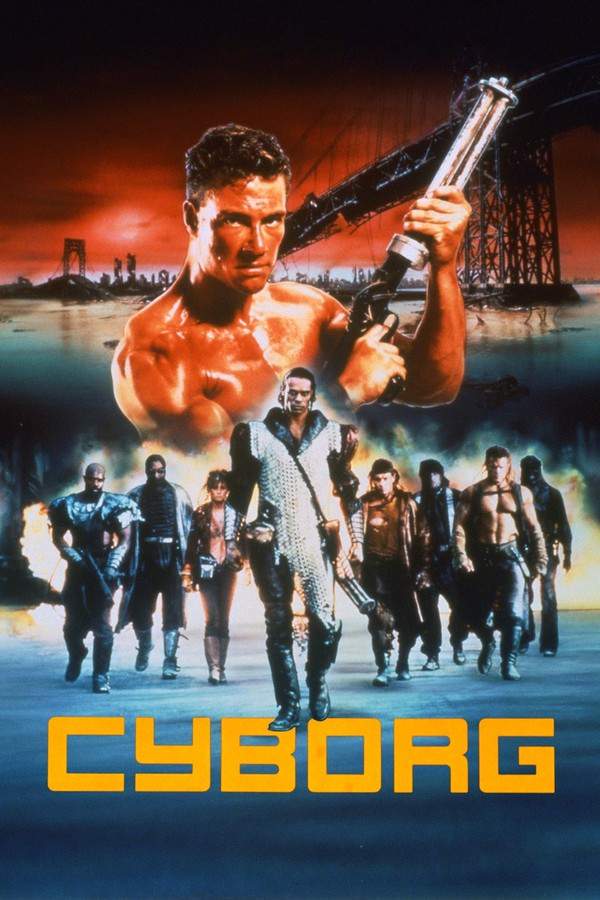
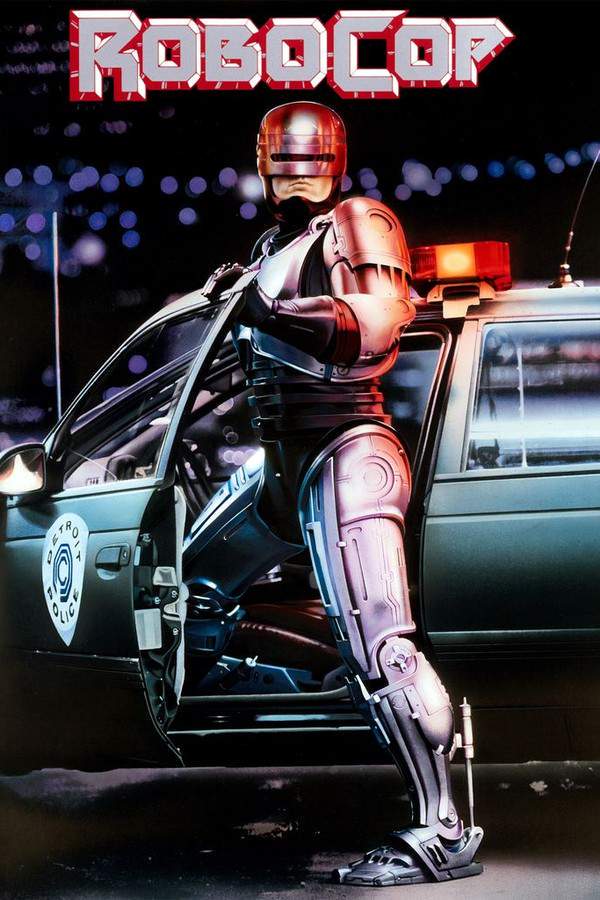
Stories of human-machine hybrids seeking bloody retribution for their creation. If you liked The Vindicator's tale of a man turned into a vengeful machine, explore more movies like it. This list features similar sci-fi action films about cyborgs fighting back against their creators, filled with gritty atmosphere, violent confrontations, and themes of betrayal.

  • vengeful
  • gritty
  • violent
  • tragic
  • brutal
  • oppressive
  • Tone: dark, bleak, vengeful
  • Pacing: fast, relentless
Why these movies?

The story pattern: The narrative typically begins with a profound betrayal and a horrific physical transformation. The protagonist is reborn as a weapon, their humanity stripped away. The plot is a linear, fast-paced quest for revenge against the powerful entities responsible, often culminating in a final, destructive confrontation where the cost of vengeance is fully realized.

Why they belong together: These movies are grouped by their core premise of the unwilling cyborg and the relentless, violent pursuit of justice. They share a dark, oppressive tone, high-intensity action, and a heavy emotional weight stemming from the tragedy of losing one's identity and life.

Movies about corporate body horror like The Vindicator

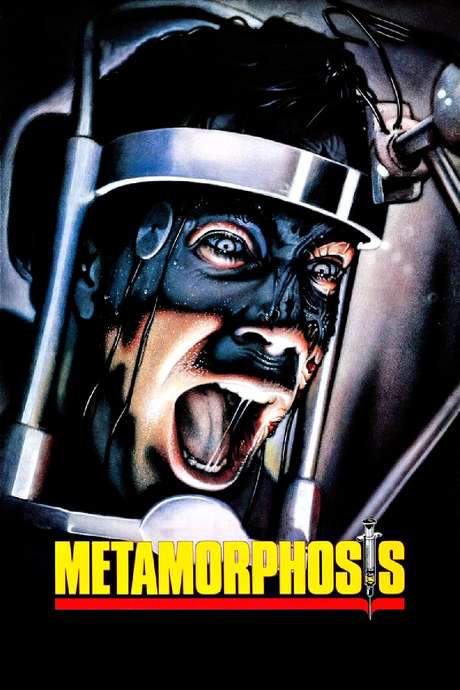
When scientific ambition and corporate greed violently reshape the human body. Fans of The Vindicator's themes of human experimentation and betrayal will find similar stories here. Discover movies like it that explore the terrifying consequences of corporate science, featuring body horror, a desperate fight for survival, and a critique of unethical power.

  • disturbing
  • suspenseful
  • gritty
  • body horror
  • corporate corruption
  • desperate
  • Tone: dark, suspenseful, disturbing
  • Pacing: fast, suspenseful
Why these movies?

The story pattern: The pattern involves an individual being exploited by a faceless corporation for a dangerous experiment. The horror arises from the violation of the body and the loss of self. The conflict is against an impersonal, powerful enemy, with the narrative emphasizing survival, the fight for identity, and the exposure of corruption, often at a great personal cost.

Why they belong together: These films share a potent mix of sci-fi and horror, centered on the visceral fear of bodily transformation inflicted by an uncaring institution. They create a suspenseful, isolating atmosphere defined by betrayal, the grotesque, and a desperate struggle for agency.

If you liked this

Movies Like The Vindicator

Similar movies to The Vindicator: the same genre, themes or kind of story. Each one comes with its own plot summary, timeline and ending explained.

Browse all movie summaries

Every angle

The Vindicator (1986) Explained: Plot, Timeline & Characters

Everything about The Vindicator in one place: what happens in the plot summary, the timeline in chronological order, the characters and meaning and a spoiler-free summary. What's After the Movie adds the cast, box office and post-credit scenes.

Coming soon on iOS and Android

The Plot Explained Movie Summary App

Plot summaries, endings explained and timelines on your phone. Catch up on any movie in minutes, save your favorites and never miss a twist again.

Be the first to know when we launch. Your email stays private, always.

Learn more about the app