Plot Explained Spoilers guaranteed!
Plot Explained

Browse by genre

Barefoot Gen (1983) movie poster

Characters & Themes

Barefoot Gen (1983) Characters, Setting & Themes Explained

Release, runtime and language
1983 · 83 mins · Japanese
Loading streaming availability…
Directed by
Mori Masaki
Starring
Katsuji Mori, Takeshi Aono, Issei Miyazaki, Koichi Kitamura, Junji Nishimura, Taeko Nakanishi

Through the eyes of a young boy, the film portrays the devastation of the atomic bomb in Hiroshima, tracing how the catastrophe reshapes his childhood and the broader lives of Japanese citizens, highlighting personal loss, survival, and societal upheaval.

On this page (8)
  1. 1 Where to watch
  2. 2 Characters explained (10)
  3. 3 Where & when it takes place
  4. 4 Themes & meaning (3)
  5. 5 Character & meaning questions
  6. 6 Movie threads
  7. 7 Movies like Barefoot Gen
  8. 8 Every angle
Loading streaming availability…

10 main characters · contains spoilers

Barefoot Gen Characters Explained: Who Is Who

The main characters of Barefoot Gen (1983), heroes and villains: what drives them, how they change over the course of the story and what each of them reveals about the film's bigger ideas.

  • Gen Nakaoka (Issei Miyazaki)

    A young boy who toils to feed his pregnant mother and siblings while coping with wartime shortages and the psychological toll of war. He demonstrates resilience and leadership as he searches for food and safety, often forced to make hard choices to protect his family. His memories of loss, like his brother Shinji, haunt him, triggering moments of breakdown but also a stubborn hope for a better future.

    • 💪 Resilient
    • 🧭 Family-first
    • 🧠 Traumatized
  • Kimie Nakaoka (Yoshie Shimamura)

    Gen's mother, pregnant and malnourished, striving to care for her family amid famine and air raids. She embodies maternal strength and vulnerability, facing moments of despair yet continuing to persevere for her unborn child. Her vulnerability reveals the toll of war on civilians, especially women and mothers.

    • 🤰 Pregnant
    • 🛡️ Protective
    • 🩺 Vulnerable
  • Eiko Nakaoka (Seiko Nakano)

    Gen's sister, a supportive figure aiding their mother and family. She contributes to housework and survival, maintaining a sense of normalcy despite the chaos. Her presence highlights sibling solidarity under strain.

    • 👧 Supportive
    • 🧼 Domestic
    • 🤝 Family
  • Daikichi Nakaoka (Takao Inoue)

    The father who works in the family's wheat field and struggles with the war's impact; he recognizes the futility of the conflict and strives to keep the family together. His death marks a turning point in Gen's journey and in the family's attempt to endure.

    • 👨‍🌾 Farmer
    • 🧭 Struggler
    • 🕊️ Sacrificial
  • Shinji Nakaoka (Masaki Kouda)

    Gen's older brother, who dies in the bombing; his memory haunts Gen and underscores the human cost of war. His absence motivates Gen to protect the family while confronting the emptiness left by war.

    • 🪖 Brother
    • ⚰️ Loss
    • 🕯️ Memory
  • Seiji Yoshida (Katsuji Mori)

    A man whose ill-tempered brother is cared for by Gen and Ryuta; his character reveals the complexity of post-war survival and gratitude that can emerge from acts of kindness amid hardship. He expresses appreciation when treated with compassion.

    • 👤 Neighbor
    • 🫶 Gratitude
    • 🧳 Survival
  • Ryuta

    An orphaned boy who initially tries to steal food but is taken in by Gen and his mother. He becomes a symbol of lost childhood and the possibility of new family in the wake of tragedy. His presence drives Gen's protective instincts and helps underscore hope.

    • 👦 Orphan
    • 🧭 Hope
    • 🤝 Found family
  • Landlord (Koichi Kitamura)

    A landlord figure who interacts with the family in the film's world; he represents the social relationships and the economy that persists even in ruin. His presence adds a layer of social dynamics to the survivors' daily life.

    • 🏢 Landlord
    • 💼 Economic hardship
    • 🏚️ Post-war
  • Boku Pak (Junji Nishimura)

    A neighbor character whose role shows how communities come together amid disaster. His involvement and the aftermath of his actions highlight communal support networks.

    • 🤝 Community
    • 🛟 Support
    • 🧭 Neighbor
  • Narrator (Tatsuya Jo)

    The narrator frames the story, guiding viewers through Gen's experiences and the broader events that shape the setting. The narration helps convey the passage of time and the gravity of the events.

    • 🎙️ Narration
    • 🕰️ Time
    • 🧭 Guidance

Last updated: October 04, 2025 at 13:42

Was this helpful?

Setting

Where and When Does Barefoot Gen Take Place?

The setting of Barefoot Gen (1983): the year and time period, the places and locations, and how they shape the characters, the mood and the tension of the story.

Time period

1945

The story unfolds in the final months of World War II, with Japan facing scarcity and air raids. It centers on the August 6 bombing of Hiroshima and the August 9 bombing of Nagasaki, followed by Japan's surrender on August 15. The timeframe emphasizes civilian resilience and the abrupt transition from wartime hardship to a devastated post-war reality.

Location

Hiroshima, Japan

Set in Hiroshima, Japan, during the final days of World War II, the city is shaken by air-raid warnings and severe food shortages. The narrative follows a civilian family as they struggle to survive amid the chaos and imminent threat of bombardment. The city’s ruins and the onset of radioactive fallout shape daily life and the choices they must make to endure.

  • 🔥 War-torn
  • 🏙️ City ruins
  • ☢️ Radiation
  • 🌾 Survival

Last updated: October 04, 2025 at 13:42

Was this helpful?

3 major themes

Barefoot Gen Meaning: Themes & Message Explained

What is Barefoot Gen (1983) really about? The emotional, social and philosophical themes the film keeps returning to, its symbolism and the message beneath the surface.

  • Survival

    In the face of famine, injury, and constant danger, the characters struggle to secure food and shelter. Survival becomes a test of resolve, resourcefulness, and moral choice as they prioritize family over self. Small acts of care and perseverance illuminate how people endure extreme hardship.

  • Nuclear Trauma

    The film foregrounds the immediate and lasting impact of atomic bombings on civilians. Radiation, disease, and ruined infrastructure amplify the horror of war beyond conventional warfare. Characters grapple with grief and trauma while seeking safety and a sense of normalcy.

  • Family and Community

    Family bonds sustain the characters through loss and deprivation, while neighbors form a fragile support network. The narrative uses intimate moments—like caring for a newborn or taking in an orphan—to explore resilience, memory, and the human capacity for kindness amid devastation.

Last updated: October 04, 2025 at 13:42

Was this helpful?

Character & theme questions

Barefoot Gen Characters & Meaning: Your Questions Answered

The questions people ask about Barefoot Gen (1983): who the characters really are, their relationships, what the symbols mean, where it takes place and what the movie is really about. Each answer contains spoilers.

Q1

Where is the movie set?

The film is set in Hiroshima, Japan, during the final months of World War II. The story takes place in the city as it faces air-raid warnings, severe food shortages, and the imminent threat of bombardment. The setting emphasizes the harsh reality of civilian life in a war-torn city.

  • hiroshima
  • japan
  • setting
  • world war 2
Q2

What time period does the story cover?

The story unfolds in 1945, the final year of World War II. It specifically covers the period leading up to and including the August 6 bombing of Hiroshima, followed by the August 9 bombing of Nagasaki and Japan's surrender on August 15. The narrative spans from wartime hardship through the immediate post-war period.

  • 1945
  • world war 2
  • atomic bombing
  • 1945
  • historical period
Q3

What are the main themes explored in the film?

The film explores three interconnected themes: Survival, which depicts the struggle for food and shelter amid extreme hardship; Nuclear Trauma, focusing on the devastating and lasting impact of atomic bombings on civilians; and Family and Community, showing how bonds between family members and neighbors sustain people through loss and deprivation.

  • survival
  • nuclear trauma
  • family
  • community
  • themes
Q4

How does the film depict nuclear trauma?

The film portrays the immediate and long-term effects of atomic radiation on civilians, including disease, injury, and the destruction of infrastructure. It emphasizes that the horror of nuclear warfare extends far beyond the initial explosion, affecting survivors physically and psychologically for years afterward.

  • nuclear trauma
  • radiation
  • atomic bomb
  • hiroshima
  • aftermath
Q5

Who is the main character Gen Nakaoka?

Gen Nakaoka is a young boy who toils to help feed his pregnant mother and siblings while coping with wartime shortages. He demonstrates resilience and leadership as he searches for food and safety. Haunted by memories of his older brother Shinji who died in the bombing, Gen is forced to make difficult choices to protect his family while holding onto hope for the future.

  • gen nakaoka
  • main character
  • protagonist
  • child survivor
Q6

Who are Gen's key family members?

Gen's family includes his mother Kimie Nakaoka, who is pregnant and malnourished while striving to care for her family; his sister Eiko, who helps maintain a sense of normalcy; and his father Daikichi, who works in the family's wheat field and recognizes the futility of the war. His older brother Shinji died in the bombing and his memory haunts Gen throughout the film.

  • kimie nakaoka
  • daikichi nakaoka
  • eiko nakaoka
  • family members
Q7

Who is Ryuta and what is his significance?

Ryuta is an orphaned boy who initially tries to steal food but is taken in by Gen and his mother. He becomes a symbol of lost childhood and the possibility of finding new family in the wake of tragedy. His presence highlights Gen's protective instincts and underscores themes of hope and renewal amid devastation.

  • ryuta
  • orphan
  • adopted
  • child character
Q8

What was daily life like in Hiroshima during the war?

Daily life in Hiroshima during the war was marked by constant fear, air-raid warnings, and severe food shortages. Civilians struggled to secure basic necessities like food and shelter while facing the ever-present threat of bombing. The city's infrastructure was strained, and families lived in a state of uncertainty as they tried to maintain some sense of normalcy amid chaos.

  • daily life
  • civilian life
  • air raids
  • food shortage
  • hiroshima
Q9

How does the film portray family bonds during crisis?

The film shows family bonds as the primary source of strength and resilience for characters enduring extreme hardship. The narrative uses intimate moments, like caring for a pregnant mother or taking in an orphan, to illustrate how family connections sustain people through loss, grief, and deprivation. These bonds represent human capacity for kindness amid devastation.

  • family bonds
  • resilience
  • loss
  • care
  • survival
Q10

Why is Barefoot Gen considered significant?

Barefoot Gen is significant as one of the first animated films to depict the atomic bombing of Hiroshima from a child's perspective. It provides a personal, emotional view of nuclear warfare's impact on civilians, focusing on the human cost rather than military or political aspects. The film remains a powerful anti-war statement and a testament to civilian resilience.

  • importance
  • significance
  • anti-war
  • historical
  • animation

Movie threads

More Movies Like Barefoot Gen, by Mood & Story

Curated lists built around what makes Barefoot Gen tick: the same mood, the same kind of story or the same emotional payoff. Each list explains why these movies belong together.

Movies about child survivors of war like Barefoot Gen

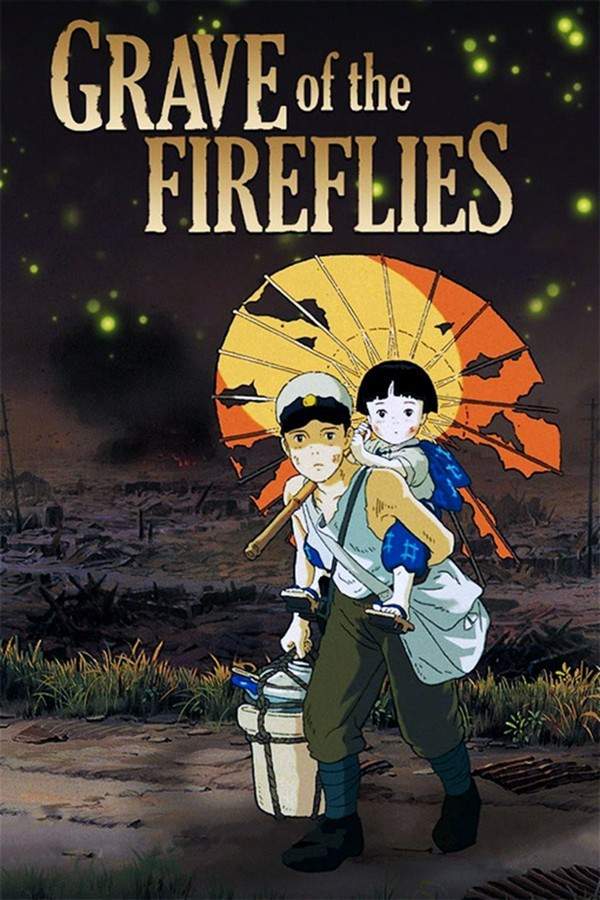
Stories of young protagonists navigating the brutal landscapes of war and societal collapse. If you were moved by Barefoot Gen's portrayal of a child's resilience, explore these other powerful films. This collection features movies like Grave of the Fireflies and Persepolis that follow young protagonists navigating the devastation of war and societal collapse, highlighting their struggle for survival and fragile hope.

  • devastating
  • somber
  • tragic
  • hopeful
  • gritty
  • survivalist
  • Tone: melancholic, tragic, with glimmers of hope
  • Pacing: steady, character-driven
Why these movies?

The story pattern: Narratives in this thread typically follow a young protagonist whose ordinary world is shattered by an external catastrophe. The journey focuses on their immediate survival, the loss of family and safety, and their struggle to find meaning and connection in a broken world. The arc is often one of enduring trauma while clinging to small moments of humanity.

Why they belong together: These films are grouped together because they share a unique and powerful perspective: viewing immense tragedy through the eyes of a child. This creates a deeply emotional and personal connection to large-scale events, blending the raw horror of the situation with a poignant, often bittersweet, focus on innocence and resilience.

Visceral historical dramas about trauma like Barefoot Gen

Unflinching cinematic accounts of real-world atrocities and their human cost. For viewers seeking movies like Barefoot Gen that offer a stark look at historical trauma. These films, such as Schindler's List and The Killing Fields, depict real-world atrocities with unflinching realism, focusing on the human cost, societal upheaval, and the grim struggle for survival in the wake of catastrophe.

  • devastating
  • gritty
  • somber
  • tragic
  • intense
  • bleak
  • Tone: melancholic, bleak, somber
  • Pacing: steady, methodical
Why these movies?

The story pattern: These stories are typically linear and straightforward, focusing on a specific, well-documented historical event. The narrative structure often follows a group of characters or a family through the event's immediate aftermath, methodically depicting the physical and psychological devastation. The journey is less about plot twists and more about bearing witness to suffering and the slow, arduous process of coping with loss.

Why they belong together: Movies in this thread are united by their commitment to depicting historical horror with unflinching authenticity. They share a high emotional intensity, a melancholic or bleak tone, and a heavy emotional weight. The pacing is often steady, allowing the full gravity of the events to sink in, and endings are typically bittersweet or bleak, reflecting the enduring scars of trauma.

If you liked this

Movies Like Barefoot Gen

Similar movies to Barefoot Gen: the same genre, themes or kind of story. Each one comes with its own plot summary, timeline and ending explained.

Browse all movie summaries

Every angle

Barefoot Gen (1983) Explained: Plot, Timeline & Characters

Everything about Barefoot Gen in one place: what happens in the plot summary, the timeline in chronological order, the characters and meaning and a spoiler-free summary. What's After the Movie adds the cast, box office and post-credit scenes.

Coming soon on iOS and Android

The Plot Explained Movie Summary App

Plot summaries, endings explained and timelines on your phone. Catch up on any movie in minutes, save your favorites and never miss a twist again.

Be the first to know when we launch. Your email stays private, always.

Learn more about the app