Plot Explained Spoilers guaranteed!
Plot Explained

Browse by genre

Barefoot Gen (1983) movie poster

Timeline

Barefoot Gen (1983) Timeline Explained – Every Event in Order

Release, runtime and language
1983 · 83 mins · Japanese
Loading streaming availability…
Directed by
Mori Masaki
Starring
Katsuji Mori, Takeshi Aono, Issei Miyazaki, Koichi Kitamura, Junji Nishimura, Taeko Nakanishi

Through the eyes of a young boy, the film portrays the devastation of the atomic bomb in Hiroshima, tracing how the catastrophe reshapes his childhood and the broader lives of Japanese citizens, highlighting personal loss, survival, and societal upheaval.

On this page (6)
  1. 1 Where to watch
  2. 2 Events in order (13)
  3. 3 Timeline questions answered
  4. 4 Movie threads
  5. 5 Movies like Barefoot Gen
  6. 6 Every angle
Loading streaming availability…

13 events in order · contains spoilers

Barefoot Gen Timeline: Events in Chronological Order

Every key event of Barefoot Gen (1983) in order, scene by scene, with when and where it takes place. Use it to untangle flashbacks, time jumps and parallel storylines, to refresh your memory before the sequel or to find the exact scene you are thinking of.

  1. Life in Hiroshima under wartime shortages

    Gen Nakaoka and his family endure food shortages and constant air raid warnings in Hiroshima. Kimie is pregnant and malnourished, while Gen's sister Eiko helps with housework as Gen and his brother Shinji assist their father Daikichi in the wheat field. The family watches the war's progress, wondering why Hiroshima has been spared from the air raids that devastated other cities.

    When
    late WWII, before Aug 1945
    Where
    Hiroshima
  2. The bomb hits Hiroshima; devastation and loss

    On August 6, 1945, Gen and a friend are at school when an atomic bomb explodes above Hiroshima. The friend is killed; Gen is buried under rubble but survives. Daikichi, Eiko, and Shinji die in the ensuing fire, while Kimie briefly sinks into a mental breakdown. A neighbor helps the family begin to escape toward a safer location.

    When
    August 6, 1945
    Where
    Hiroshima
  3. Safe shelter and the birth of Tomoko

    With the help of a neighbor, Gen and Kimie find a safe shelter amid the ruins. Kimie gives birth to a baby girl, Tomoko, as the city burns around them. The newborn’s cries punctuate the silence of a devastated landscape.

    When
    shortly after Aug 6, 1945
    Where
    Hiroshima ruins
  4. Black rain and the aftermath

    Dark rain begins to fall over the ruined city, the fallout from the bomb spreading through the air. Gen and Kimie grapple with fear and the new responsibility of caring for Tomoko. The harsh conditions push the family toward a fragile existence.

    When
    days after Aug 6, 1945
    Where
    Hiroshima
  5. Seeking food and tending the wounded

    Gen searches for food while soldiers distribute rice, but he discovers they are handling corpses and burning them in mass graves. He carries a radiation-poisoned soldier to a makeshift hospital, where the man dies. This experience deepens Gen's trauma as he brings home some rice and vegetables for his mother.

    When
    late Aug 1945
    Where
    near Hiroshima
  6. Hair loss and a mental breakdown

    Kimie notices bald spots on Gen's head, a reminder of the illness from their harsh conditions. Gen recalls the dying soldier and experiences a mental breakdown, overwhelmed by the war's toll. The family clings to small moments of relief amid scarcity.

    When
    late Aug 5 1945
    Where
    Hiroshima
  7. Nagasaki bomb and its echo

    On August 9, 1945, another atomic bomb strikes Nagasaki as Japan refuses to surrender. The attack compounds the sense that the war's end is still distant and uncertain for Gen's family. The couple continues to struggle for basic survival in the aftermath.

    When
    August 9, 1945
    Where
    Japan
  8. Surrender and the arrival of Ryuta

    On August 15, Gen and Kimie learn of Japan's surrender after digging up the remains of their family members, but they feel the prayers for peace arrive too late. They move to a makeshift shack and try to survive on scarce food. Amid the ruins, they encounter Ryuta, a boy who was orphaned by the bomb.

    When
    August 15, 1945
    Where
    Hiroshima ruins
  9. Ryuta joins the improvised family

    Gen and Kimie take in Ryuta, recognizing their shared loss. Together they face hunger and the uncertain future, with Ryuta's presence offering a glimmer of hope. The trio continues to search for food and safety in the bomb-scarred landscape.

    When
    mid-August 1945
    Where
    Hiroshima ruins
  10. A grueling job with Seiji and a spark of art

    The boys find a job tending to Seiji, the ill-tempered brother of another survivor, for 10 yen a day. They endure mistreatment, even slapping Seiji, and eventually quit after Seiji begs them to return. Gen spends the night with the man, which inspires him to paint again.

    When
    late Aug 1945
    Where
    Hiroshima ruins; Seiji's home
  11. A small windfall and a milk run

    Seiji's brother pays them 100 yen after their brief stay and work, a rare stroke of luck in the famine-struck city. The money allows them to buy milk and other essentials for Tomoko. It’s a fleeting comfort amid ongoing hardship.

    When
    late Aug 1945
    Where
    Seiji's home
  12. Tomoko's death and lingering sorrow

    When Gen and Ryuta return home, they find that Tomoko has died from malnutrition. The loss compounds their grief and strengthens their resolve to endure in the ruined city. They lean on each other as they press forward.

    When
    late Aug 1945
    Where
    Hiroshima ruins
  13. Hope sprouts: the wheat and the paper lantern

    Weeks later, wheat begins to sprout again, signaling a fragile return of life. Gen, Kimie, and Ryuta set a paper boat lantern adrift on the river, praying for peace. They watch the lantern drift toward the sunset, a small beacon of hope amid ruin.

    When
    weeks after Aug 15, 1945
    Where
    near river, Hiroshima

Last updated: October 09, 2025 at 14:28

Was this helpful?

Timeline questions answered

Barefoot Gen Timeline Explained: Your Questions Answered

When does it happen, and why in that order? The questions people ask about the chronology of Barefoot Gen (1983): time jumps, flashbacks, cause and effect between scenes and the correct order of events, each answered with spoilers.

Q1

Why was Hiroshima spared from air raids before the atomic bomb?

Hiroshima had been largely spared from conventional bombing throughout the war, which is why the family and many residents were still there when the atomic bomb dropped. The US military specifically selected Hiroshima as a target for the atomic bomb precisely because it was one of the few major Japanese cities that remained largely intact, making it an ideal location to demonstrate the weapon's destructive power.

Foreshadowing: The family wonders early in the film why Hiroshima has been spared while other cities were devastated, creating dramatic irony before the bomb hits.

  • Hiroshima
  • air raids
  • atomic bomb target
  • World War II
Q2

How did Gen survive the atomic bomb?

Gen was at school when the bomb dropped and was buried under rubble from the explosion. He survived because the school building collapsed around him, creating a protective void. His friend who was with him was killed, highlighting how random survival was in the blast.

  • Gen survival
  • atomic bomb
  • rubble
  • Hiroshima
Q3

Why did Gen's father tell him to look after his mother instead of trying to save the family?

Daikichi realized the family was trapped beneath the burning house with no chance of escape for all of them. He made the tragic decision to sacrifice himself, Eiko, and Shinji so that Gen could survive and care for his pregnant mother Kimie and the unborn baby. This choice reflects the desperate logic of survival during the bombing.

  • Daikichi
  • Gen
  • sacrifice
  • family death
  • atomic bomb
Q4

What was Black rain and why was it dangerous?

Black rain was the radioactive fallout from the atomic bomb that fell over Hiroshima in the days following the explosion. It was contaminated with radioactive particles from the blast and contaminated water, food, and the environment, causing radiation sickness in survivors and contributing to long-term health effects.

  • Black rain
  • radiation
  • fallout
  • radioactive contamination
Q5

Why did Gen have a mental breakdown after noticing his hair falling out?

When Kimie noticed bald patches on Gen's head, he was reminded of the radiation-poisoned soldier he had carried to the hospital, who died from what was then an unknown illness. Gen realized he was showing early symptoms of radiation sickness, and the trauma of witnessing the soldier's death combined with fear of his own mortality triggered his breakdown.

Foreshadowing: Earlier, Gen carries a dying soldier who suffers from an unknown illness that causes his hair to fall out, establishing the connection.

  • Gen
  • radiation sickness
  • hair loss
  • mental breakdown
  • trauma
Q6

Why did the US drop a second atomic bomb on Nagasaki?

On August 9, 1945, the US dropped a second atomic bomb on Nagasaki because Japan had not surrendered following the Hiroshima attack and the ultimatum from the United States. The attack was intended to force Japan's unconditional surrender and end the war.

  • Nagasaki
  • atomic bomb
  • Japan surrender
  • World War II
Q7

Why did Gen and his mother decide to take in Ryuta?

After learning Ryuta was orphaned by the bombing and had no family left, Gen and Kimie decided to take him in because they recognized their shared loss and understood he would not survive alone. Gen was also startled by Ryuta's resemblance to his deceased brother Shinji, which created an emotional connection.

  • Ryuta
  • orphan
  • adoption
  • Shinji resemblance
Q8

What caused Tomoko's death?

Tomoko died from malnutrition. While Gen and Ryuta were away working to earn money to buy milk and food for the baby, Tomoko was left with insufficient sustenance and starved. Her death represents the cruel irony that the family finally had money for food but arrived too late to save her.

Foreshadowing: Earlier, Gen and Ryuta get paid 100 yen and set out to find milk for Tomoko, creating tragic irony when they return to find her dead.

  • Tomoko
  • death
  • malnutrition
  • starvation
  • baby
Q9

What rekindled Gen's love of painting?

During their job tending to Seiji, Gen spent a night with the man who hired them. This experience inspired Gen to start painting again, reconnecting him with a form of creative expression he had lost in the trauma of the bombing. The man represented a brief moment of human connection and hope amidst the devastation.

  • Gen
  • painting
  • Seiji
  • art
  • hope
Q10

What is the significance of the wheat sprouting at the end?

The wheat sprouting weeks after the bombing symbolizes renewal and the resilience of life. Despite the destruction, death, and radiation, nature continues to grow. This provides a fragile but tangible hope for the survivors, representing the possibility of rebuilding and a future despite the profound losses they have endured.

  • wheat
  • hope
  • renewal
  • regeneration
  • ending
Q11

What does the paper boat lantern at the end represent?

The paper boat lantern Gen and Ryuta set adrift on the river is a traditional Japanese ritual for honoring the dead and praying for peace. The lantern floating toward the sunset symbolizes their prayers for the souls of their lost family members and their hope for a peaceful future, providing closure to their grieving process.

  • paper lantern
  • peace
  • ritual
  • memory
  • funeral

Movie threads

More Movies Like Barefoot Gen, by Mood & Story

Curated lists built around what makes Barefoot Gen tick: the same mood, the same kind of story or the same emotional payoff. Each list explains why these movies belong together.

Movies about child survivors of war like Barefoot Gen

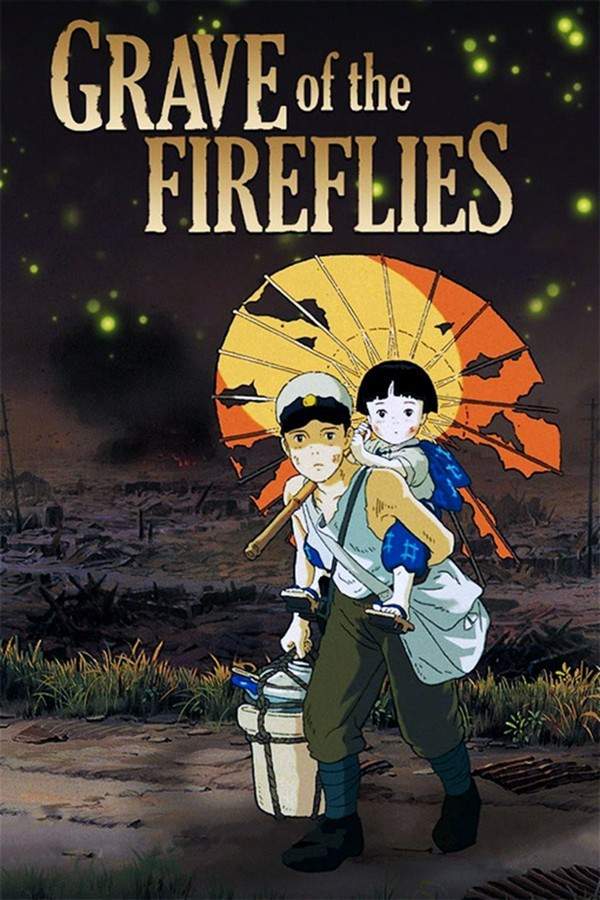
Stories of young protagonists navigating the brutal landscapes of war and societal collapse. If you were moved by Barefoot Gen's portrayal of a child's resilience, explore these other powerful films. This collection features movies like Grave of the Fireflies and Persepolis that follow young protagonists navigating the devastation of war and societal collapse, highlighting their struggle for survival and fragile hope.

  • devastating
  • somber
  • tragic
  • hopeful
  • gritty
  • survivalist
  • Tone: melancholic, tragic, with glimmers of hope
  • Pacing: steady, character-driven
Why these movies?

The story pattern: Narratives in this thread typically follow a young protagonist whose ordinary world is shattered by an external catastrophe. The journey focuses on their immediate survival, the loss of family and safety, and their struggle to find meaning and connection in a broken world. The arc is often one of enduring trauma while clinging to small moments of humanity.

Why they belong together: These films are grouped together because they share a unique and powerful perspective: viewing immense tragedy through the eyes of a child. This creates a deeply emotional and personal connection to large-scale events, blending the raw horror of the situation with a poignant, often bittersweet, focus on innocence and resilience.
Visceral historical dramas about trauma like Barefoot Gen

Unflinching cinematic accounts of real-world atrocities and their human cost. For viewers seeking movies like Barefoot Gen that offer a stark look at historical trauma. These films, such as Schindler's List and The Killing Fields, depict real-world atrocities with unflinching realism, focusing on the human cost, societal upheaval, and the grim struggle for survival in the wake of catastrophe.

  • devastating
  • gritty
  • somber
  • tragic
  • intense
  • bleak
  • Tone: melancholic, bleak, somber
  • Pacing: steady, methodical
Why these movies?

The story pattern: These stories are typically linear and straightforward, focusing on a specific, well-documented historical event. The narrative structure often follows a group of characters or a family through the event's immediate aftermath, methodically depicting the physical and psychological devastation. The journey is less about plot twists and more about bearing witness to suffering and the slow, arduous process of coping with loss.

Why they belong together: Movies in this thread are united by their commitment to depicting historical horror with unflinching authenticity. They share a high emotional intensity, a melancholic or bleak tone, and a heavy emotional weight. The pacing is often steady, allowing the full gravity of the events to sink in, and endings are typically bittersweet or bleak, reflecting the enduring scars of trauma.

If you liked this

Movies Like Barefoot Gen

Similar movies to Barefoot Gen: the same genre, themes or kind of story. Each one comes with its own plot summary, timeline and ending explained.

Browse all movie summaries

Every angle

Barefoot Gen (1983) Explained: Plot, Timeline & Characters

Everything about Barefoot Gen in one place: what happens in the plot summary, the timeline in chronological order, the characters and meaning and a spoiler-free summary. What's After the Movie adds the cast, box office and post-credit scenes.

Coming soon on iOS and Android

The Plot Explained Movie Summary App

Plot summaries, endings explained and timelines on your phone. Catch up on any movie in minutes, save your favorites and never miss a twist again.

Be the first to know when we launch. Your email stays private, always.

Learn more about the app