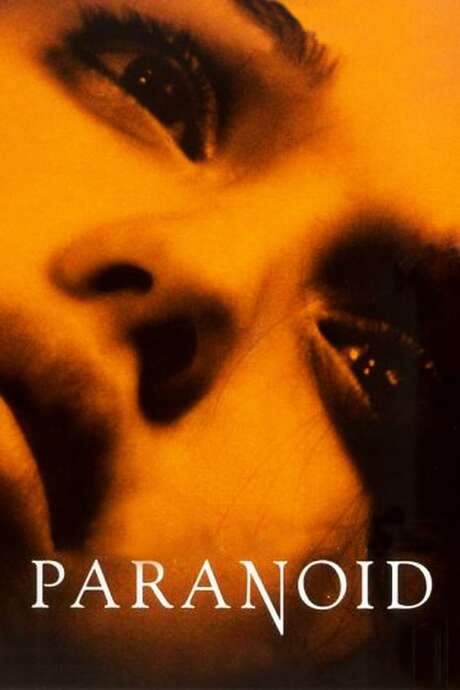
ex-inspector Suresh Reddy and his colleagues capture a drug smuggler, but Suresh later accepts a bribe, setting a murky undertone to the case. In parallel, Sahasra, a chorus singer aiming to break into playback, works through the usual hurdles of the industry while her spirited friend Swetha keeps pushing her toward nightlife and stage power. One night, Sahasra follows Swetha to a rave, and what seems like a carefree evening becomes a turning point: the next day she discovers an entire day has vanished from her memory, erased without a trace.
As the days unfold, Sahasra is relentlessly targeted. Unseen assailants close in, and she begins to sense she is being hunted. She encounters Rajesh, a cab driver who bluntly tells her she owes him money, adding a financial tangle to the growing danger. Soon after, [Suresh Reddy] reappears, revealing a personal history with Sahasra and her family, including a rejected marriage proposal, which deepens the mystery around her past and present threats. Sahasra also starts hearing strange phrases on an audio recorder she does not remember speaking, and unsettling dreams haunt her nights.
The danger intensifies as Sahasra faces attacks at a theater when she takes children from her flat to watch a film, near a clinic, at a shop, and even at Rajesh’s house, where her pursuers threaten her again, always with a talismanic symbol surfacing in these encounters. Throughout this ordeal, [Suresh] steps in to help, guiding Sahasra through the increasingly perilous maze.
The narrative shifts through a crucial flashback to 1997, where a young Surya Swami is seen burning chits in a ritual meant to summon a god. Suresh, then an inspector, is wary of Surya Swami and concludes he is unstable, leading to Surya Swami’s confinement to an asylum. This past scene becomes the key to understanding the present danger.
The film’s turning point reveals Sahasra’s night of intoxication intersected with Surya Swami’s secret asram. By disturbing the ritual, she unwittingly provokes the ire of Surya Swami and his followers, who seek to punish her as part of their occult schedule for summoning a deity. In a dramatic event, a man known as Bojo, who had previously drugged Sahasra, is killed in a separate car while trying to aid her, underscoring the high stakes of the conflict.
Sahra is abducted by Surya Swami’s disciples, and her fate hangs in the balance until Machavarapu Abbulu, a theatre actor who had witnessed her being ferried in Rajesh’s car, steps in to rescue her. With Suresh’s strategic guidance, Abbulu is presented as a messenger from God, delivering a stern message to Surya Swami: abandon the asram and its dangerous rituals, and embrace a peaceful path. The message also warns Surya Swami not to harm Sahasra, who is described as a goddess who briefly came to observe his practices. In response, Surya Swami orders his followers to dismantle the asram and retreat, prompting the asylum staff to arrive and take him into custody.
In the closing chapters, Suresh shares the final piece of the puzzle with Sahasra: on the night Sahasra disappeared, an elderly man had found her dazed and disoriented in the street after a visit to a medical shop, brought her back to her apartment, and she slept through the entire day, thereby solving the mystery of the missing day. The story threads together professional peril, occult ritual, memory gaps, and a rescue that hinges on the courage of those who refuse to abandon a friend in danger, leaving Sahasra to look toward a future that is finally free of the shadowy threat that pursued her.