Plot Explained Spoilers guaranteed!
Plot Explained

Browse by genre

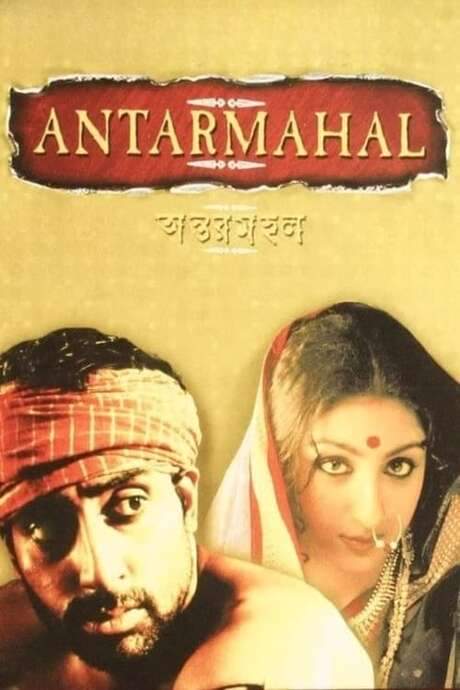
Antarmahal (2005) movie poster

Timeline

Antarmahal (2005) Timeline Explained – Every Event in Order

Release, runtime and language
2005 · 118 mins · Bengali, Bangla
Loading streaming availability…
Directed by
Rituparno Ghosh
Starring
Abhishek Bachchan, Jackie Shroff, Raima Sen, Biswajit Chakraborty, Roopa Ganguly, Shantilal Mukherjee

Set in late‑19th‑century Bengal, wealthy squire Bhubaneswar Chowdhury (Jackie Shroff) is obsessed with producing an heir and outshining rivals by commissioning the most magnificent Durga Puja effigy. He decides to give the goddess Queen Victoria’s face. While his two wives, Mahomaya and the younger Jashomati, try to protect each other, Chowdhury begins nightly assaults on Jashomati. Isolated, she becomes dangerously attracted to the young sculptor hired for the statue.

On this page (5)
  1. 1 Where to watch
  2. 2 Events in order (11)
  3. 3 Timeline questions answered
  4. 4 Movie threads
  5. 5 Every angle
Loading streaming availability…

11 events in order · contains spoilers

Antarmahal Timeline: Events in Chronological Order

Every key event of Antarmahal (2005) in order, scene by scene, with when and where it takes place. Use it to untangle flashbacks, time jumps and parallel storylines, to refresh your memory before the sequel or to find the exact scene you are thinking of.

  1. Setting: late 19th-century Bengal

    The story unfolds in Bengal toward the end of the 19th century. Bhubaneswar Chowdhury, a zamindar of Bakuldanga, seeks to curry favor with the British in hopes of being awarded the Raibahadur title. The social and political climate of the time provides the backdrop for his schemes.

    When
    Late 19th century
    Where
    Bakuldanga, Bengal
  2. Bhubaneswar plots Durga idol with Queen Victoria's face

    Facing stiff competition, he hatches a radical plan to win favor by altering the annual Durga idol. He orders the clay Durga idol, crafted for Durga Puja, to bear Queen Victoria’s visage. The act is intended to bridge colonial prestige with local ritual.

    When
    Late 19th century
    Where
    Bakuldanga, Bengal
  3. Contenders and the need for a show of uniqueness

    With many rivals for the Raibahadur honor, Bhubaneswar decides that a sensational gesture could tip the scales. The Queen Victoria Durga idea is chosen as his bold, attention-grabbing move. The plan elevates his ambitions above mere political maneuvering.

    When
    Late 19th century
    Where
    Bakuldanga
  4. The second marriage to Jashomati

    To secure an heir, Bhubaneswar marries the younger Jashomati, while his elder wife Mahamaya remains part of the household. He blames Mahamaya for prior failures in bearing him a son. The family dynamics become a contest of ego and desire.

    When
    Late 19th century
    Where
    Bakuldanga
  5. Wives' rivalry escalates

    The two wives engage in a constant ego struggle as Bhubaneswar’s ambition puts pressure on them. Each seeks to outmaneuver the other for power, affection, and influence over his plans. The tension colors every aspect of life in the household.

    When
    Late 19th century
    Where
    Bakuldanga
  6. Pursuit of a son turns violent

    In his relentless bid for an heir, Bhubaneswar rapes Jashomati nightly, while a priest recites hymns to aid conception. Concurrently, Mahamaya is drugged and forced to satisfy the carnal desires of five Brahmin priests. The scene highlights brutality and coercive ritual under imperial and patriarchal pressures.

    When
    Late 19th century
    Where
    Bakuldanga
  7. Untimely ending foils the plot

    The plot against Jashomati is foiled by an untimely ending, allowing her to escape the immediate danger. The escape leaves her traumatized and reeling from the abuse she endured. This turn of events shifts the focus onto her personal resilience and the consequences of the household's actions.

    When
    Late 19th century
    Where
    Bakuldanga
  8. Trauma leads Jashomati to a sculptor

    In her loneliness and pain, Jashomati is drawn toward a young sculptor who appears as a new center in her life. The sculptor looks to capture the complexity of her experiences in his work. Their developing relationship becomes a hinge for the next phase of the story.

    When
    Late 19th century
    Where
    Bakuldanga
  9. The sculptor's masterpiece takes shape

    The sculptor creates a powerful sculpture that acts as his tribute to Jashomati. The artwork embodies the emotional charge of the events around her life. It stands as a tangible monument to her suffering and resilience.

    When
    Late 19th century
    Where
    Bakuldanga
  10. The sculpture seals Jashomati's fate

    The sculpture’s creation and its reception become inseparable from Jashomati’s fate. The work offers a metaphoric and literal culmination of the story’s tragedy. The convergence of art and life marks the end of her arc in the narrative.

    When
    Late 19th century
    Where
    Bakuldanga
  11. Origin of the story: Protima by Tarashankar Bandopadhyay

    The screenplay is based on Protima, a celebrated work by Tarashankar Bandopadhyay, which informs the themes of power, gender, and ritual. The adaptation translates the literary tale into a cinematic exploration of exploitation and art. The source material grounds the film's social critique.

    When
    Late 19th century
    Where
    Bengal

Last updated: February 20, 2026 at 18:43

Was this helpful?

Timeline questions answered

Antarmahal Timeline Explained: Your Questions Answered

When does it happen, and why in that order? The questions people ask about the chronology of Antarmahal (2005): time jumps, flashbacks, cause and effect between scenes and the correct order of events, each answered with spoilers.

Q1

Why does Bhubaneswar put Queen Victoria's face on the Durga idol?

Bhubaneswar puts Queen Victoria's face on the Durga idol to impress the British and win the prestigious Raibahadur title. With many rivals competing for the honor, he needed a sensational gesture that would stand out. By combining the goddess Durga with Queen Victoria's likeness, he creates a provocative tribute that bridges colonial authority with local religious tradition, demonstrating his willingness to merge power structures for personal gain.

Foreshadowing: Earlier, Bhubaneswar is established as someone who plots and schemes to curry favor with the British colonial administration.

  • queen victoria
  • durga idol
  • raibahadur
  • title
  • colonial
  • bribes
  • favor
Q2

Why does Bhubaneswar marry Jashomati?

Bhubaneswar marries Jashomati specifically to produce an heir and continue his family line. He blames his elder wife Mahamaya for failing to bear him a son, viewing her as the cause of the family's misfortunes. The younger Jashomati is seen as a means to fulfill his obsession with succession and inheritance.

Foreshadowing: The story establishes early that Bhubaneswar is obsessed with producing an heir to maintain his family status.

  • jashomati
  • marriage
  • heir
  • succession
  • mahamaya
  • wives
Q3

What happens to Mahamaya in the film?

Mahamaya, Bhubaneswar's elder wife, is drugged and forced to satisfy the sexual desires of five Brahmin priests as part of a coercive ritual. This brutal practice is tied to Bhubaneswar's desperate attempt to secure an heir, highlighting the extent of his patriarchal control and the household's corruption.

Foreshadowing: The narrative establishes early that Bhubaneswar uses both wives as tools for his obsession with succession.

  • mahamaya
  • priests
  • abuse
  • drugged
  • ritual
  • brahmin
Q4

Why is Jashomati drawn to the sculptor?

Jashomati becomes drawn to the young sculptor because she is traumatized and isolated after the nightly sexual assaults by Bhubaneswar. In her vulnerable and lonely state, she finds emotional connection and understanding through the sculptor, who is creating the Durga idol with Queen Victoria's face. Their relationship develops from this shared artistic space and her desperate need for human kindness.

Foreshadowing: Earlier scenes establish Jashomati's isolation and trauma from the abuse she endures.

  • jashomati
  • sculptor
  • attraction
  • trauma
  • isolation
  • art
Q5

What does the sculptor's artwork represent?

The sculptor's masterpiece embodies the complex mix of desire, power, guilt, and memory that defines the narrative. Created as a tribute to Jashomati, the sculpture channels her turmoil and suffering into a potent, silent tribute. It becomes a tangible monument to her experiences, transforming personal trauma into art.

Foreshadowing: The sculptor's presence becomes central precisely after Jashomati's traumatic experiences unfold.

  • sculpture
  • artwork
  • tribute
  • jashomati
  • masterpiece
  • meaning
Q6

What happens to Jashomati at the end?

The film ends with Jashomati's fate becoming inseparable from the sculpture's creation and reception. The artwork becomes both a metaphorical and literal culmination of the story's tragedy. The ending is ambiguous, focusing on the lingering resonance of trauma and art rather than providing clear resolution about her ultimate fate.

Foreshadowing: The narrative shifts focus to Jashomati's personal resilience and the consequences of the household's actions after she escapes immediate danger.

  • jashomati
  • ending
  • fate
  • death
  • sculpture
  • ambiguous
Q7

Why is Bhubaneswar so desperate for the Raibahadur title?

Bhubaneswar is desperate for the Raibahadur title because it represents the highest honor a zamindar can receive from the British colonial administration. As a wealthy squire in late 19th-century Bengal, acquiring this title would elevate his status above his rivals and cement his legacy. His entire scheme with the Queen Victoria Durga idol is calculated to impress British officials and secure this honor.

Foreshadowing: The opening establishes Bhubaneswar as a zamindar who plots to win favor with the British.

  • raibahadur
  • title
  • ambition
  • colonial
  • british
  • status
  • zamindar
Q8

What is the rivalry between Mahamaya and Jashomati about?

The rivalry between Mahamaya and Jashomati stems from Bhubaneswar's manipulation and the pressure his ambition places on both women. As he pursues an heir, the two wives are forced into an ego contest for power, affection, and influence over his plans. Their conflict plays out under the shadow of his obsession with succession, making them adversaries even as they both suffer under his control.

Foreshadowing: The narrative establishes early that Bhubaneswar blames Mahamaya and encourages competition between his wives.

  • mahamaya
  • jashomati
  • rivalry
  • wives
  • conflict
  • power
Q9

What does the title Antarmahal mean?

Antarmahal translates to 'Inner Palace' or 'Palace Within,' referring to the inner workings of the household where Bhubaneswar's brutal schemes unfold. The title symbolizes the hidden world of domestic oppression, sexual violence, and power dynamics that occur behind the public facade of a respectable zamindari family seeking colonial honors.

Foreshadowing: The story contrasts the household's public pursuit of prestige with its private brutality.

  • antarmahal
  • title
  • meaning
  • inner palace
  • household
Q10

Why is Durga Puja important to the story?

Durga Puja is central to the plot because Bhubaneswar uses the annual festival as a platform for his political maneuvering. The clay idol is crafted anew each year, giving him the opportunity to alter it with Queen Victoria's face. This act of merging colonial power with religious tradition is the centerpiece of his scheme to win favor, making the festival both a religious event and a political statement.

Foreshadowing: The timeline establishes early that Bhubaneswar's plot centers on the Durga idol for the festival.

  • durga puja
  • festival
  • idol
  • queen victoria
  • tradition
  • politics

Movie threads

More Movies Like Antarmahal, by Mood & Story

Curated lists built around what makes Antarmahal tick: the same mood, the same kind of story or the same emotional payoff. Each list explains why these movies belong together.

Claustrophobic period dramas like Antarmahal

Stories where domestic walls become prisons under strict patriarchal rule. If you were captivated by the oppressive atmosphere of Antarmahal, explore more movies that depict the brutal realities of patriarchal control in historical settings. These slow-burn dramas focus on the psychological suffocation and resilience of women confined by societal and domestic structures.

  • claustrophobic
  • oppressive
  • melancholic
  • tragic
  • somber
  • tense
  • Tone: dark, oppressive, tragic
  • Pacing: slow burn
Why these movies?

The story pattern: Narratives in this thread typically follow characters, often women, trapped within a rigid household hierarchy. The plot is driven by the constant pressure of societal expectations and the struggle for autonomy, where moments of quiet rebellion contrast with the overwhelming force of tradition.

Why they belong together: Movies are grouped here based on their shared, intensely claustrophobic atmosphere rooted in historical patriarchy. They share a slow pacing that allows the oppressive setting to become a central character, a dark tone, and a heavy emotional weight derived from the characters' systemic powerlessness.


Movies about art as rebellion like Antarmahal

Where artistic expression becomes a fragile act of defiance against overwhelming power. For viewers who appreciated the theme of dangerous artistic expression in Antarmahal, this list features films where creativity emerges as a beacon of hope or defiance amidst dark and traumatic circumstances. Discover stories where art becomes a character's sole means of reclaiming their humanity.

  • tragic
  • melancholic
  • poignant
  • somber
  • tense
  • artistic
  • Tone: tragic, melancholic, poignant
  • Pacing: slow, contemplative
Why these movies?

The story pattern: These stories often follow a protagonist enduring a harsh reality who finds a sliver of agency through an artistic pursuit. The artistic process runs parallel to the main narrative of suffering, creating a poignant contrast and offering a potential, though often ambiguous, path to psychological survival.

Why they belong together: These films are connected by their central theme of art's role in the face of adversity. They share a mix of dark, traumatic themes with moments of delicate, poignant beauty, creating a complex emotional landscape defined by the tension between destruction and creation.

Every angle

Antarmahal (2005) Explained: Plot, Timeline & Characters

Everything about Antarmahal in one place: what happens in the plot summary, the timeline in chronological order, the characters and meaning and a spoiler-free summary. What's After the Movie adds the cast, box office and post-credit scenes.

Coming soon on iOS and Android

The Plot Explained Movie Summary App

Plot summaries, endings explained and timelines on your phone. Catch up on any movie in minutes, save your favorites and never miss a twist again.

Be the first to know when we launch. Your email stays private, always.

Learn more about the app