Plot Explained Spoilers guaranteed!
Plot Explained

Browse by genre

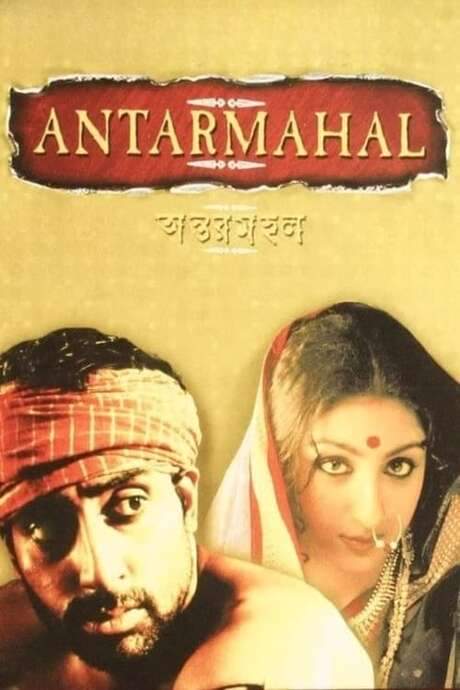
Antarmahal (2005) movie poster

Characters & Themes

Antarmahal (2005) Characters, Setting & Themes Explained

Release, runtime and language
2005 · 118 mins · Bengali, Bangla
Loading streaming availability…
Directed by
Rituparno Ghosh
Starring
Abhishek Bachchan, Jackie Shroff, Raima Sen, Biswajit Chakraborty, Roopa Ganguly, Shantilal Mukherjee

Set in late‑19th‑century Bengal, wealthy squire Bhubaneswar Chowdhury (Jackie Shroff) is obsessed with producing an heir and outshining rivals by commissioning the most magnificent Durga Puja effigy. He decides to give the goddess Queen Victoria’s face. While his two wives, Mahomaya and the younger Jashomati, try to protect each other, Chowdhury begins nightly assaults on Jashomati. Isolated, she becomes dangerously attracted to the young sculptor hired for the statue.

On this page (8)
  1. 1 Where to watch
  2. 2 Characters explained (5)
  3. 3 Character relationship map
  4. 4 Where & when it takes place
  5. 5 Themes & meaning (4)
  6. 6 Character & meaning questions
  7. 7 Movie threads
  8. 8 Every angle
Loading streaming availability…

5 main characters · contains spoilers

Antarmahal Characters Explained: Who Is Who

The main characters of Antarmahal (2005), heroes and villains: what drives them, how they change over the course of the story and what each of them reveals about the film's bigger ideas.

  • Brij Bhushan (Abhishek Bachchan)

    The zamindar of Bakuldanga who wields authority to curry favor with the British and to control his household. He schemes to produce an heir and to display power through ritual symbolism. His ruthless manipulation drives the tragedy surrounding Jashomati.

    • 👑 Power
    • 🚨 Tyranny
  • Jashomati (Soha Ali Khan)

    The younger wife chosen to bear an heir, she endures coercive treatment and traumatic events orchestrated by her husband and ritual practices. Her vulnerability and quiet strength drive the story as she navigates danger and desire.

    • ♀️ Woman
    • 💔 Trauma
  • Mahamaya (Roopa Ganguly)

    The elder wife who is blamed for the lack of an heir. She remains in a precarious position within the polygamous household, her agency constrained by ritual obligation and patriarchal control.

    • ♀️ Woman
    • 🌀 Tradition
  • The Sculptor

    A young sculptor who creates the masterpiece that becomes a tribute and a counterpoint to the surrounding cruelty. Through his art, he becomes a pivotal figure in Jashomati’s fate and in the film’s meditation on beauty and resistance.

    • 🎨 Artist
    • 🗿 Masterpiece
  • Tarini (Dola Chakraborty)

    One of the zamindar’s wives, Tarini is part of the household dynamics and political maneuvering around succession and status.

    • ♀️ Woman
    • 🚺 Domestic Politics

Last updated: October 28, 2026 at 23:27

Was this helpful?

4 characters · 3 connections · contains spoilers

Antarmahal Character Relationship Map

Who is connected to whom in Antarmahal: family, love, friendships, rivalries and hidden ties, colour-coded. Pick a character to see their side of the story, or a connection to see what brings two characters together.

How much of the story to show
BCBhubaneswarChaudhuryJJashomatiSoha Ali KhanMMahamayaRoopa GangulyTSThe Sculptor

Last updated: October 28, 2026 at 23:27

Was this helpful?

Setting

Where and When Does Antarmahal Take Place?

The setting of Antarmahal (2005): the year and time period, the places and locations, and how they shape the characters, the mood and the tension of the story.

Time period

Late 19th century

The events take place in Bengal under British rule, where zamindars exercise vast local power within a tradition-bound society. The pursuit of an heir and the prominence of ritual display reflect the era’s gender and class dynamics, showing how personal lives are entangled with politics and empire.

Location

Bakuldanga, Bengal

Set in the zamindari milieu of Bakuldanga in Bengal during the late 19th century, the story unfolds under British influence and local hereditary power. The household is steeped in ritual, caste rules, and social ambition as the zamindar seeks prestige from the colonial authorities. A Durga Puja idol bearing Queen Victoria's face symbolizes the fusion—and conflict—between tradition and imperial power.

  • 🏛️ Colonial Bengal
  • 🕰️ 19th Century

Last updated: October 28, 2026 at 23:27

Was this helpful?

4 major themes

Antarmahal Meaning: Themes & Message Explained

What is Antarmahal (2005) really about? The emotional, social and philosophical themes the film keeps returning to, its symbolism and the message beneath the surface.

  • Power

    A central thread is how power is exercised—by the zamindar to gain favor with the British and to control his household. The pursuit of status drives political and personal maneuvers, often at others’ expense.

  • Gender & Control

    The narrative exposes gendered domination within a patriarchal society: multiple wives, coercion, and sexual exploitation under the guise of lineage. Jashomati's trauma and moral complexities highlight women's vulnerability and resilience within rigid social structures.

  • Art & Obsession

    Art is used as both tribute and weapon: the sculptor's creation becomes a focal point of beauty, desire, and revolt against oppression. The masterwork offers a channel for agency through art in the midst of cruelty.

  • Colonialism & Tradition

    The setting juxtaposes imperial symbolism with local ritual, epitomized by the image of Queen Victoria on a Durga idol. The zamindar’s bid for prestige reveals how colonial dynamics reshape tradition and social hierarchy.

Last updated: October 28, 2026 at 23:27

Was this helpful?

Character & theme questions

Antarmahal Characters & Meaning: Your Questions Answered

The questions people ask about Antarmahal (2005): who the characters really are, their relationships, what the symbols mean, where it takes place and what the movie is really about. Each answer contains spoilers.

Q1

Where does the movie take place?

The story is set in Bakuldanga, a village in Bengal during the late 19th century under British colonial rule. The setting reflects the zamindari system where local hereditary landlords wielded significant power while navigating colonial authority.

  • bakuldanga
  • bengal
  • zamindar
  • colonial setting
  • 19th century village
Q2

What time period does the film depict?

The film takes place in late 19th-century Bengal, during the period of British colonial rule. This era was characterized by the zamindari system, rigid social hierarchies, and the intersection of imperial power with local traditions.

  • late 19th century
  • british rule
  • colonial bengal
  • historical period
Q3

What are the main themes explored in the film?

The film explores several interconnected themes: power and its corruptive nature, gender oppression within patriarchal structures, the role of art as both tribute and rebellion, and the tension between colonial authority and local traditions. These themes converge around the zamindar's obsession with status and lineage.

  • power
  • gender oppression
  • colonialism
  • tradition
  • art
  • themes
Q4

Who is the main character in the film?

The main character is the zamindar of Bakuldanga, who is obsessed with producing an heir and outshining his rivals. He wields his authority to curry favor with British colonial authorities and to control his household, driving the tragic events that unfold.

  • zamindar
  • protagonist
  • bhubaneswar chowdhury
  • authority
Q5

What does the Durga idol with Queen Victoria's face represent?

The idol bearing Queen Victoria's face symbolizes the fusion and conflict between local tradition and imperial power. It represents the zamindar's attempt to gain prestige by merging Hindu religious symbolism with colonial authority, reflecting how colonial dynamics reshaped social hierarchy and tradition.

  • queen victoria
  • durga puja
  • idol
  • colonial symbolism
  • tradition vs empire
Q6

Who are the main female characters in the story?

The two main wives are Mahomaya, the elder wife blamed for the lack of an heir, and Jashomati, the younger wife chosen to bear a child. Both women navigate the constraints of a patriarchal household where their agency is limited by ritual obligation and the zamindar's control.

  • jashomati
  • mahomaya
  • wives
  • women
  • patriarchal household
Q7

How is art portrayed in the movie?

Art serves as both tribute and weapon in the narrative. The young sculptor creates a masterpiece that becomes a focal point of beauty and desire. Through his work, art becomes a channel for agency and resistance against the surrounding cruelty, offering a counterpoint to the oppression in the household.

  • sculptor
  • art
  • idol
  • beauty
  • resistance
  • creation
Q8

How does the film depict gender dynamics?

The film exposes the brutal realities of gendered domination within a patriarchal society, depicting coercion, sexual exploitation, and the vulnerability of women trapped in a polygamous household. Jashomati's journey highlights both the trauma women endure and their quiet resilience against oppression.

  • gender
  • patriarchy
  • women
  • oppression
  • coercion
  • women's vulnerability
Q9

Who is the sculptor in the story?

The young sculptor is hired to create the grand Durga Puja idol. Through his artistic mastery, he becomes a pivotal figure in the narrative, affecting Jashomati's fate and embodying the film's themes of beauty and resistance through art.

  • sculptor
  • artist
  • idol maker
  • creator
Q10

What motivates the zamindar's actions?

The zamindar is driven by an obsession with producing an heir to continue his lineage and by a desire to outshine his rivals. He seeks prestige through both ritual display and currying favor with British colonial authorities, using his power to control everyone in his household.

  • heir
  • status
  • prestige
  • ambition
  • power
  • control
Q11

How does British colonial rule affect the narrative?

British colonial rule shapes the story by establishing the power dynamic in which zamindars like the protagonist operated. The era's gender and class politics, along with the pursuit of favor from colonial authorities, entangle personal lives with broader political structures, influencing everything from household dynamics to ritual display.

  • colonialism
  • british rule
  • empire
  • zamindari
  • political power

Movie threads

More Movies Like Antarmahal, by Mood & Story

Curated lists built around what makes Antarmahal tick: the same mood, the same kind of story or the same emotional payoff. Each list explains why these movies belong together.

Claustrophobic period dramas like Antarmahal

Stories where domestic walls become prisons under strict patriarchal rule. If you were captivated by the oppressive atmosphere of Antarmahal, explore more movies that depict the brutal realities of patriarchal control in historical settings. These slow-burn dramas focus on the psychological suffocation and resilience of women confined by societal and domestic structures.

  • claustrophobic
  • oppressive
  • melancholic
  • tragic
  • somber
  • tense
  • Tone: dark, oppressive, tragic
  • Pacing: slow burn
Why these movies?

The story pattern: Narratives in this thread typically follow characters, often women, trapped within a rigid household hierarchy. The plot is driven by the constant pressure of societal expectations and the struggle for autonomy, where moments of quiet rebellion contrast with the overwhelming force of tradition.

Why they belong together: Movies are grouped here based on their shared, intensely claustrophobic atmosphere rooted in historical patriarchy. They share a slow pacing that allows the oppressive setting to become a central character, a dark tone, and a heavy emotional weight derived from the characters' systemic powerlessness.
Movies about art as rebellion like Antarmahal

Where artistic expression becomes a fragile act of defiance against overwhelming power. For viewers who appreciated the theme of dangerous artistic expression in Antarmahal, this list features films where creativity emerges as a beacon of hope or defiance amidst dark and traumatic circumstances. Discover stories where art becomes a character's sole means of reclaiming their humanity.

  • tragic
  • melancholic
  • poignant
  • somber
  • tense
  • artistic
  • Tone: tragic, melancholic, poignant
  • Pacing: slow, contemplative
Why these movies?

The story pattern: These stories often follow a protagonist enduring a harsh reality who finds a sliver of agency through an artistic pursuit. The artistic process runs parallel to the main narrative of suffering, creating a poignant contrast and offering a potential, though often ambiguous, path to psychological survival.

Why they belong together: These films are connected by their central theme of art's role in the face of adversity. They share a mix of dark, traumatic themes with moments of delicate, poignant beauty, creating a complex emotional landscape defined by the tension between destruction and creation.

Every angle

Antarmahal (2005) Explained: Plot, Timeline & Characters

Everything about Antarmahal in one place: what happens in the plot summary, the timeline in chronological order, the characters and meaning and a spoiler-free summary. What's After the Movie adds the cast, box office and post-credit scenes.

Coming soon on iOS and Android

The Plot Explained Movie Summary App

Plot summaries, endings explained and timelines on your phone. Catch up on any movie in minutes, save your favorites and never miss a twist again.

Be the first to know when we launch. Your email stays private, always.

Learn more about the app