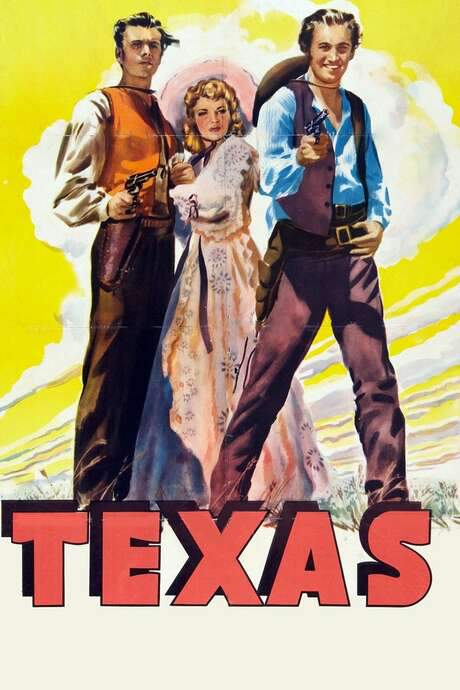
Peter 'Tex' Coleman, Eddie Albert, a dairy farmer from Texas, travels to New York with his mother's life savings to buy a hotel and be near his stage-struck sweetheart Lydia Weston, Rosemary Lane. Tex hopes the big city will bring him closer to the girl who has captured his dreams, even as their hometown memories tug at him. Lydia isn’t the star her small-town fans imagine; instead, she works as a secretary for two smooth-talking producers who carry the ambitions and anxieties of the Broadway world—Mac McClure, Wayne Morris, and Marty Allen, Ronald Reagan. They’ve got a play in the works, a rehearsal room full of energy, and a serious lack of cash to push it to the next step.
Tex finds the couple’s operation chaotic but full of possibility. Mac and Marty have a project on the page, a drama that could rise with the right opening night, but they’re short on funds and on prospects. The heart of the trouble lies with Valerie Blayne, Ruth Terry, the leading lady who guards her role like a treasure and answers to a ruthless gangster named Pooch Davis, Milburn Stone, who is determined to see the show off the ground on Valerie’s terms or else. This volatile setup places Lydia at a crossroads: if Lydia takes the lead, Lydia’s future—and Tex’s investment—may finally align with the stage life Tex has long desired.
Tex steps into the fray with a clear offer: he will invest his own money if Lydia is given the lead. Mac and Marty weigh the risk and decide to let Lydia have her shot, with Tex now backing the production as a kind of silent partner. The plan evolves into a two-lead drama, but the cast’s fate shifts when Valerie doubles down on her leverage, threatening to pull the plug unless she keeps the role. Mac makes a bold move—if Lydia is not fired, he’ll force Tex to buy the entire show. Tex’s instincts tell him the project could blossom into something bigger if it’s steered with a lighter touch, and so Marty's wife Marge Allen, Jane Wyman, enters the scene with a counteroffer: she will fund the show, but only if Tex agrees to play the male lead.
There’s a practical, almost businesslike energy behind Marge’s proposal. Tex agrees, and the company tilts from a serious drama toward a farce, a tonal shift that the audience will eventually celebrate. The rehearsal room becomes a playground for improv, misfires, and a sense that the world of theater is a delicate balance between risk and reward. Tex and Lydia’s relationship deepens as they navigate the shifting dynamics, and Addie Lou Coleman, Ann Shoemaker, watches from the wings with a mother’s steady concern for her boy’s happiness and future.
Opening night arrives with chaos and spectacle. Valerie’s plan to control the role backfires in a spectacular way when dynamite, planted on stage by Valerie’s vindictive boyfriend, explodes, sending the audience into gales of laughter at the sheer absurdity of the performances. The show’s quality dissolves into comic ineptitude, and the crowd treats the line between tragedy and farce as something wonderfully untethered. The misfires and the danger mingle, but what begins as an unintended disaster soon becomes a surprising smash as a comedy, drawing in audiences who relish the ridiculousness and the charm of a show that found its footing in sheer, audacious silliness.
Yet the story doesn’t end with unrestrained applause. A plagiarism lawsuit bubbles up, threatening to derail everything Tex and Marge have helped to build. Faced with the legal storm, Tex and Marge decide to cut their losses by selling the show back to its eager original producers, Mac and Marty, who are more than ready to take the liability—and the potential profit—off Tex and Marge’s hands. The result is a movie that swings from earnest ambition to comic fantasy, with a ending that underscores the precarious, unpredictable nature of theatrical life and the way chance, money, and personal loyalties collide on the road from dream to stage.
Throughout the tale, the core relationships anchor the plot: Tex’s devotion to Lydia drives his risky investment, Lydia’s own ambitions pull her into a world of deals and secrets, and Marge’s practical resolve—the blend of care and cunning—keeps the escalating stakes balanced even as the play evolves into a hit, then hurdles into a legal quagmire. The cityscape of New York acts as a bright, bustling backdrop where dreams collide with the harsh realities of show business, and where a plan born of love, luck, and bravado can pivot from a hopeful bet to something unexpectedly triumphant and hilariously transformative.