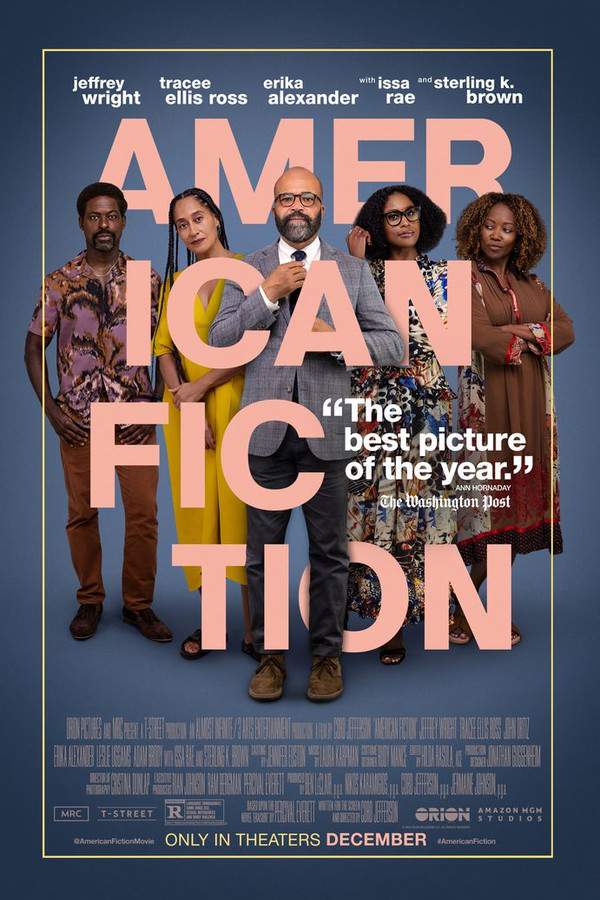
Jeffrey Wright stars as Monk, a frustrated novelist who ironically writes a deliberately stereotypical "Black" novel as a commentary on the commodification of Black culture. To his surprise, the book becomes a massive success, thrusting him into a whirlwind of media attention and forcing him to confront the uncomfortable truths about race, identity, and the publishing industry. As the lines between his cynical creation and reality become increasingly blurred, Monk must navigate a world where the satire he intended has unexpected and challenging consequences.
Find where to stream, rent, or buy American Fiction (2023) in the US with current JustWatch availability, up-to-date pricing, and platform listings for subscription, rental, and digital purchase options.
Warning: spoilers below!
Haven’t seen American Fiction yet? This summary contains major spoilers. Bookmark the page, watch the movie, and come back for the full breakdown. If you're ready, scroll on and relive the story!
Explore the full timeline and setting of American Fiction (2023). Follow every major event in chronological order and see how the environment shapes the story, characters, and dramatic tension.
Last updated: October 22, 2024 at 18:57
Meet the key characters of American Fiction (2023), with detailed profiles, motivations, and roles in the plot. Understand their emotional journeys and what they reveal about the film’s deeper themes.
Last updated: October 22, 2024 at 18:57
Explore the central themes of American Fiction (2023), from psychological, social, and emotional dimensions to philosophical messages. Understand what the film is really saying beneath the surface.
Last updated: October 22, 2024 at 18:57
Browse frequently asked questions about American Fiction (2023) focused on characters, relationships, themes, symbols, setting, and story context. This movie info FAQ gives spoiler-aware explanations for character arcs, world details, and thematic interpretation so readers can better understand what the film is really about.
The film primarily takes place in Los Angeles, where Monk works as a novelist navigating the publishing world. Boston serves as a backdrop for his family reconnections, representing a historical city that contrasts with the modern entertainment industry challenges Monk faces in LA.
The film is set in the contemporary era, reflecting current societal discussions around race, identity, and the expectations placed on Black authors in today's publishing industry.
The theme of identity follows Monk as he grapples with his dual existence as a struggling writer and a successful author under an alter ego. His journey forces him to confront his own beliefs about race and representation in literature, questioning what it means to be a Black author in a world that often demands he fit a certain narrative.
Grief permeates the narrative through Monk's loss of his sister Lisa, whose death acts as a catalyst for his emotional journey. This theme is amplified by his mother Agnes's struggle with Alzheimer's, adding layers of emotional burden and forcing Monk to confront difficult family dynamics amid his professional chaos.
Monk is a talented yet conflicted novelist played by Jeffrey Wright who grapples with his identity and the expectations of race in literature. His complex relationship with family, combined with frustration toward a publishing world that simplifies Black narratives, drives his entire character arc.
Sintara Golden is a successful author played by Issa Rae whose work contrasts sharply with Monk's literary style. Her popularity, which Monk sees as reinforcing negative stereotypes, becomes both an inspiration and a point of contention, representing the complicated landscape of Black authors in mainstream publishing.
Monk's family includes his mother Agnes (Leslie Uggams) who is battling Alzheimer's, his sister Lisa (Tracee Ellis Ross) a dedicated physician whose death deeply impacts him, and his estranged brother Cliff (Sterling K. Brown) who struggles with addiction. These relationships add emotional depth and drive Monk's personal growth.
The film balances sharp, cynical humor from its satirical premise with genuine emotional weight from family tragedy and grief. The pacing is steady, moving methodically between the professional farce of Monk's publishing success and the domestic drama of his family's struggles.
American Fiction explores how the publishing industry often rewards Black authors who conform to specific narrative expectations while marginalizing those who challenge those boundaries. Monk's experiment exposes the uncomfortable truth that the market sometimes prefers simplified, stereotypical portrayals over complex representations of Black life.
Discover curated groups of movies connected by mood, themes, and story style. Browse collections built around emotion, atmosphere, and narrative focus to easily find films that match what you feel like watching right now.
Stories where a witty deception spirals out of control, blurring the lines between critique and reality.If you enjoyed the clever premise of American Fiction, you'll like these movies about characters whose satirical creations take on a life of their own. This list features sharp social comedies and dramas where a cynical joke becomes a serious problem, exploring themes of identity, hypocrisy, and the unintended consequences of art.
The narrative typically begins with a frustrated intellectual or artist devising a high-concept satire. Their creation, intended as a cynical commentary, is mistakenly embraced by the establishment it mocks, leading to fame, fortune, and a profound personal crisis. The story escalates as the protagonist struggles to maintain the ruse while their original ideals are compromised, culminating in a moment of reckoning where the satire and their reality collide.
Movies in this thread share a specific narrative structure built on irony and moral ambiguity. They mix sharp, intellectual humor with a growing sense of unease, creating a unique tone that is both witty and uncomfortably introspective. The pacing is often steady, methodically building the farce until the protagonist is trapped by their own success.

Character-driven stories that balance genuine grief and familial love with sharp, observant humor.Fans of the heartfelt family dynamics in American Fiction will appreciate these movies. This collection features dramas and dramedies that blend sharp, witty writing with authentic portrayals of grief, aging parents, and sibling relationships, creating stories that are both emotionally impactful and cleverly written.
These stories often revolve around a protagonist returning to or re-engaging with their family during a crisis. The narrative weaves together threads of personal failure, unresolved history, and the practical challenges of caregiving. Throughout this emotional journey, the characters use humor as a coping mechanism and a form of connection, leading to moments that are simultaneously funny and poignant.
These films are grouped by their masterful tonal balance. They avoid being overly saccharine or bleak by grounding their drama in witty, intelligent character interaction. The pacing is character-driven and steady, allowing the emotional beats to land with authenticity. The overall feeling is one of complicated love and resilience, tempered by a wry acceptance of life's absurdities.
Don't stop at just watching - explore American Fiction in full detail. From the complete plot summary and scene-by-scene timeline to character breakdowns, thematic analysis, and a deep dive into the ending - every page helps you truly understand what American Fiction is all about. Plus, discover what's next after the movie.
Read a complete plot summary of American Fiction, including all key story points, character arcs, and turning points. This in-depth recap is ideal for understanding the narrative structure or reviewing what happened in the movie.
Track the full timeline of American Fiction with every major event arranged chronologically. Perfect for decoding non-linear storytelling, flashbacks, or parallel narratives with a clear scene-by-scene breakdown.
What really happened at the end of American Fiction? This detailed ending explained page breaks down final scenes, hidden clues, and alternate interpretations with expert analysis and viewer theories.
Discover movies like American Fiction that share similar genres, themes, and storytelling elements. Whether you’re drawn to the atmosphere, character arcs, or plot structure, these curated recommendations will help you explore more films you’ll love.
American Fiction (2023) Plot Summary & Movie Recap
American Fiction (2023) Scene-by-Scene Movie Timeline
American Fiction (2023) Ending Explained & Theories
American Fiction (2023) Spoiler-Free Summary & Key Flow
Movies Like American Fiction – Similar Titles You’ll Enjoy
Small Axe: Red, White and Blue (2020) Ending Explained & Film Insights
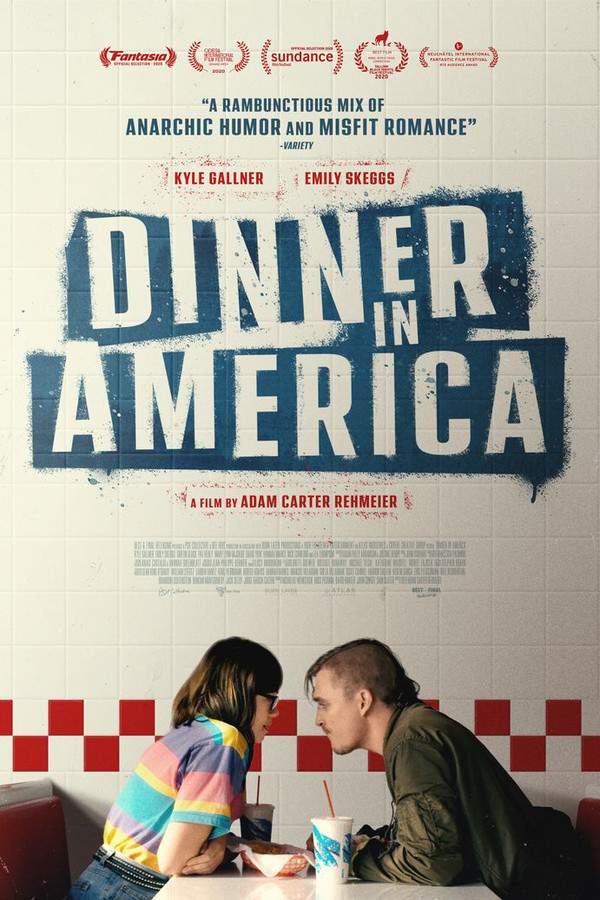
Dinner in America (2022) Film Overview & Timeline
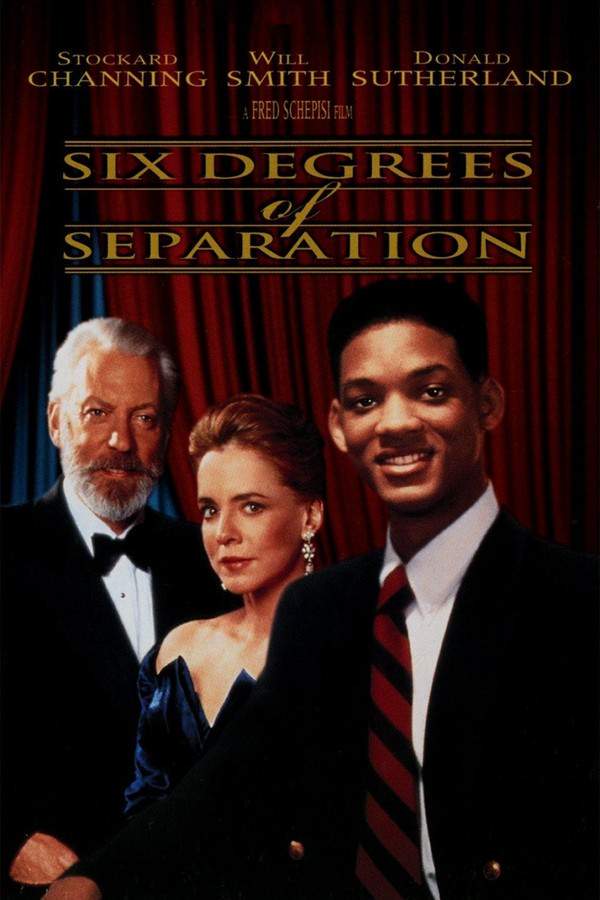
Six Degrees of Separation (1993) Spoiler-Packed Plot Recap
Stranger Than Fiction (2006) Detailed Story Recap
American Me (1992) Complete Plot Breakdown
Celebrity (1998) Full Summary & Key Details
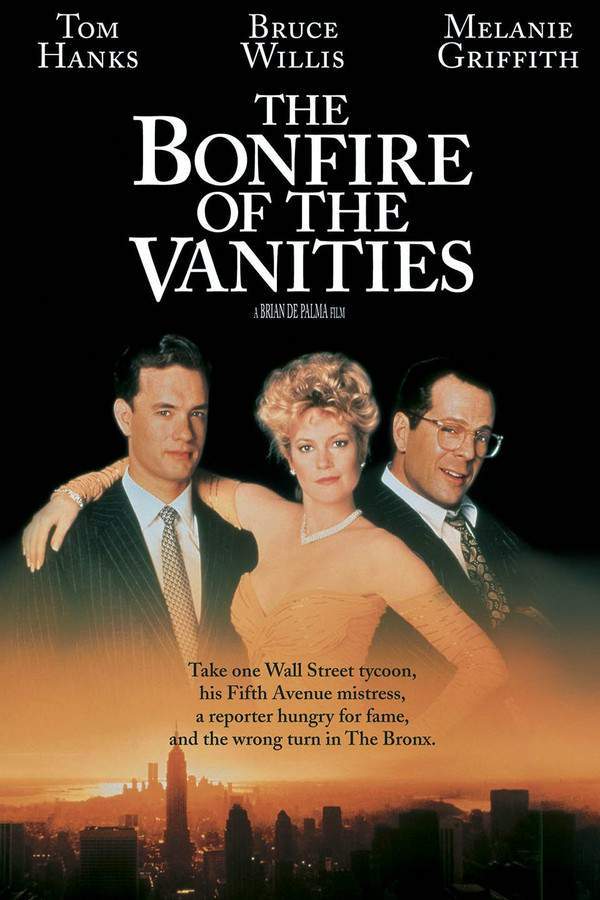
The Bonfire of the Vanities (1990) Full Movie Breakdown
Made in America (1993) Movie Recap & Themes
Friends and Family (2003) Film Overview & Timeline
American Animal (2012) Full Movie Breakdown
200 American (2003) Full Summary & Key Details
Lonely in America (1990) Ending Explained & Film Insights
The American Success Company (1980) Full Summary & Key Details
America (1986) Ending Explained & Film Insights
Angelo, Fredo, and Romeo (1996) Detailed Story Recap