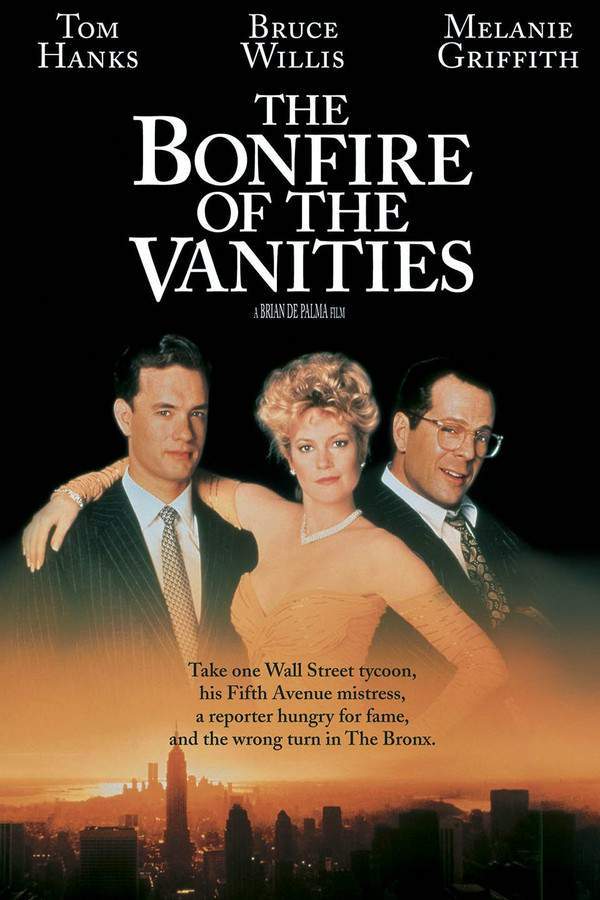
The Bonfire of the Vanities
Year: 1990
Runtime: 125 min
Language: English
Director: Brian De Palma
Budget: $47M
A Wall Street executive’s life spirals out of control after a reckless incident in the Bronx with his mistress. A hit-and-run investigation triggers a media frenzy, exposing the uncomfortable truths about wealth, power, and social class. As the case becomes a sensationalized spectacle, Sherman McCoy’s reputation and the lives of those around him are put at risk, forcing a reckoning with the complexities of justice and morality.
Warning: spoilers below!
Haven’t seen The Bonfire of the Vanities yet? This summary contains major spoilers. Bookmark the page, watch the movie, and come back for the full breakdown. If you're ready, scroll on and relive the story!
The Bonfire of the Vanities (1990) – Full Plot Summary & Ending Explained
Read the complete plot breakdown of The Bonfire of the Vanities (1990), including all key story events, major twists, and the ending explained in detail. Discover what really happened—and what it all means.
In a society where wealth and privilege dominate, Sherman McCoy, a successful Wall Street bond trader, epitomizes opulence and indulgence. He lives a life filled with luxuries and the enticing company of Maria Ruskin, a captivating yet cunning Southern belle. Their relationship thrives on transient pleasures and mutual exploitation, but it takes a dark turn when a wrong turn on the expressway lands them in the dangerous South Bronx, a stark contrast to their affluent world.
What begins as an ordinary day spirals into chaos when Sherman steps out of the car to assist with a tire, and Maria, in a fit of panic, inadvertently sends one of the teenagers they encounter under their wheels. Sherman’s initial instinct is a haunting struggle between exposing the incident and safeguarding their secret affair. Ultimately, it is Maria who urges him to stay quiet, fearing the fallout that would expose their scandalous relationship to the public eye.
Meanwhile, Peter Fallow, a journalist grappling with his own demons, finds himself entangled in the hit-and-run storyline. Desperation drives him to chase a story that could restore his tarnished reputation and satisfy his ruthless editor. His search draws him to district attorney Abe Weiss, a man eager to polish his public image as he eyes the upcoming elections.
Weiss realizes that taking on Sherman as a target for prosecution offers a golden opportunity to enhance his standing as an advocate for minorities, potentially paving his path to the mayor’s office in New York City. As Sherman’s life begins to unravel, the city becomes a caricature of corruption, greed, and cynicism.
With his allies dwindling and his public image in ruins, Sherman finds solace only with Judge Leonard White and Peter Fallow, who both lend him their ears amidst the turmoil. Fallow’s fortunes flip when he crosses paths with a woman renting out Maria’s apartment, granting him access to critical information. This encounter unravels a treasure trove of secrets, including recordings that could implicate Maria in the crime.
As Fallow maneuvers through this intricate web of deceit, he becomes integral in the defense team’s strategy, leveraging his insider knowledge to assist in Sherman’s case. Tension peaks as Sherman skillfully utilizes a hidden tape during the courtroom proceedings, unveiling Maria’s inconsistent account of events, which leaves her unconscious and the jurors in shock. This powerful revelation fells the faux veneer of innocence that Maria maintained.
When the judge requires Sherman to present his evidence formally, he confidently claims ownership of the tape, ensuring its validity and achieving an acquittal. The courtroom atmosphere erupts in disorder as Judge White chastises the audience for their self-righteousness. He lambasts them for their hypocrisy, juxtaposing Reverend Bacon’s supposed commitment to New York City’s disadvantaged with his inflammatory rhetoric aimed at igniting racial unrest.
In this decisive moment, Judge White also takes aim at District Attorney Weiss, accusing him of pursuing the case as a mere scheme to covertly garner minority votes for his political gain rather than seeking justice. As his scathing indictment hangs in the air, he challenges the spectators to reflect upon their conduct and advocates for decency, ultimately allowing Sherman to reclaim his freedom.
A year passes, and Fallow takes the stage before an eager crowd, reflecting on how Sherman McCoy has faded from the spotlight, leaving only whispers behind.
Last Updated: November 21, 2024 at 10:32

Explore Movie Threads
Discover curated groups of movies connected by mood, themes, and story style. Browse collections built around emotion, atmosphere, and narrative focus to easily find films that match what you feel like watching right now.
Movies about media scandals and public downfall like The Bonfire of the Vanities
A single mistake ignites a relentless public spectacle that destroys a life.If you liked the cynical portrayal of a media firestorm in The Bonfire of the Vanities, explore more movies about high-stakes scandals, public shaming, and the sensationalism of the news cycle. These films capture the tense, chaotic energy of a life unraveling under the glare of the public eye.

High Heels
1991

Series 7: The Contenders
2001

Where the Truth Lies
2005
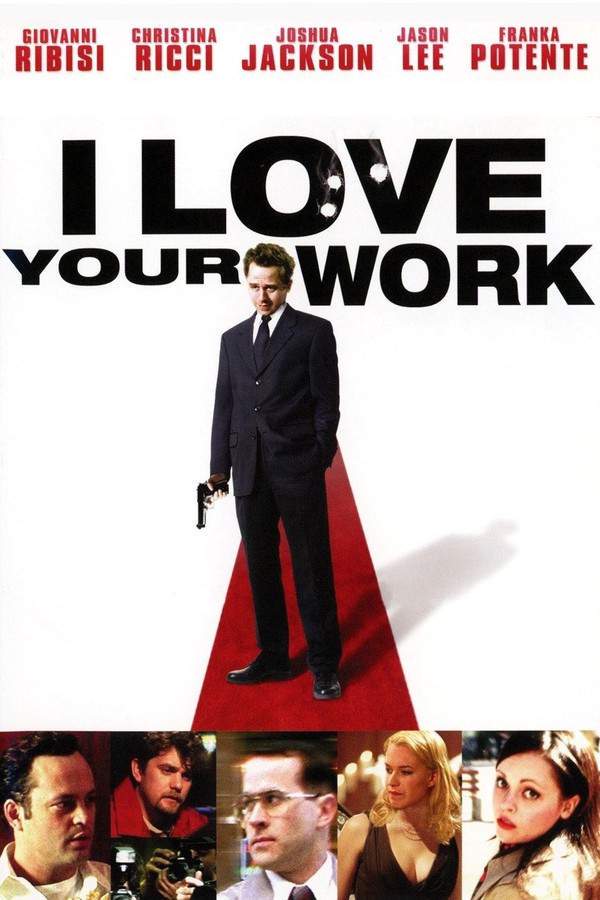
I Love Your Work
2005

Casino Jack
2010
The Bonfire of the Vanities
1990

Gossip
2000
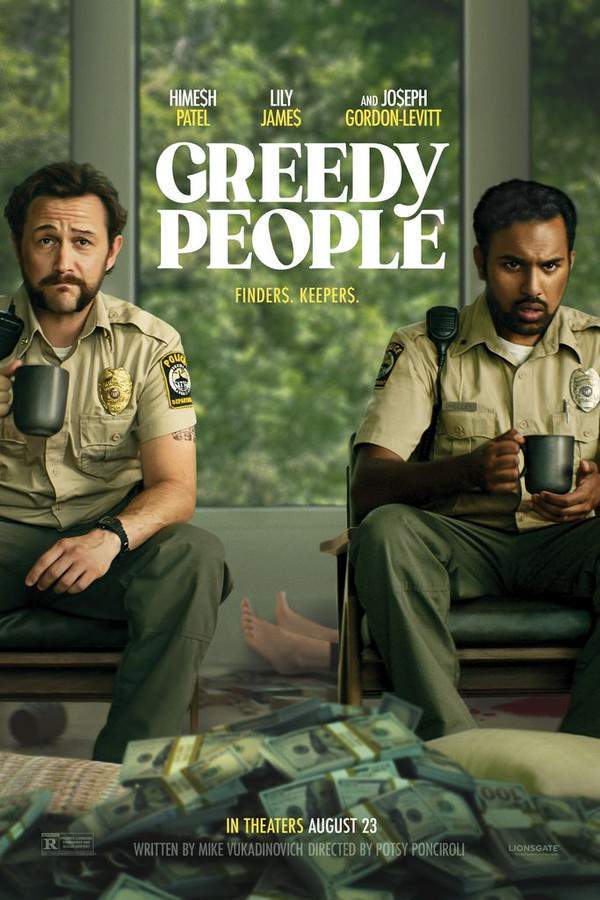
Greedy People
2024

Matinee
2012

Cruel Intentions
2016
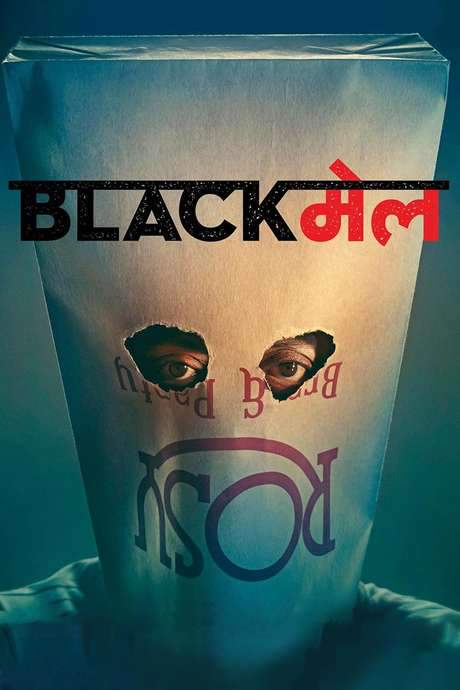
Blackmail
2018

As Luck Would Have It
2002

Hollywood Wives: The New Generation
2003

As Luck Would Have It
2021

Power 98
1996
Narrative Summary
These stories typically begin with a single, often reckless, act by a privileged or public figure. This incident is seized upon by ambitious journalists, politicians, or social forces, becoming a simplified narrative that fuels public outrage. The protagonist is vilified, their world closes in, and they are forced to confront a system more interested in spectacle than substance.
Why These Movies?
These films are grouped by their shared focus on the destructive power of media sensationalism and the theme of public downfall. They create a specific, tense vibe where personal morality is secondary to the court of public opinion, resulting in a heavy, often cynical viewing experience.
Cynical satires about wealth and social corruption like The Bonfire of the Vanities
Scathing critiques where money and power collide with harsh reality.Fans of The Bonfire of the Vanities will appreciate these similarly sharp and critical movies that dissect social class, privilege, and systemic corruption. These satirical stories blend drama and dark comedy to deliver a heavy, thought-provoking experience about the flaws in our institutions.
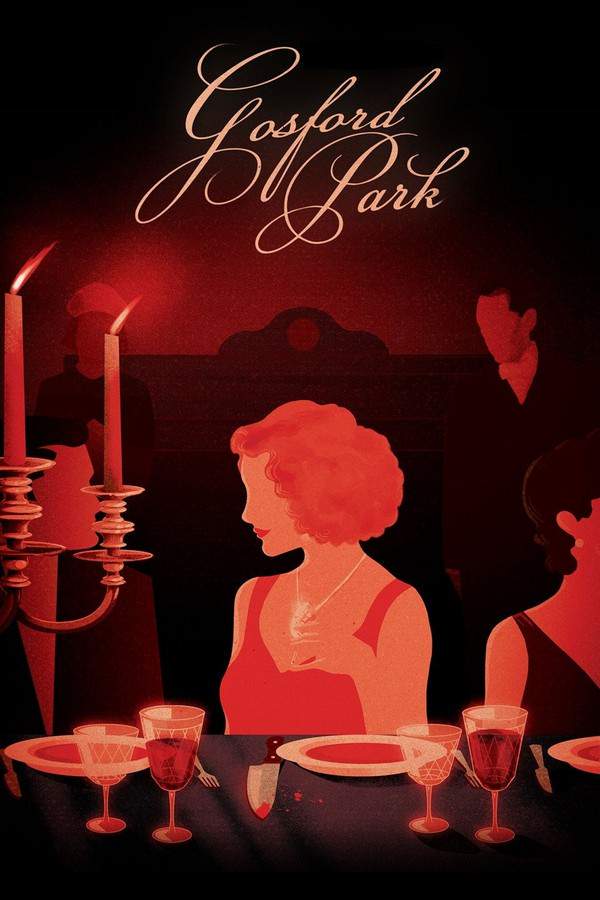




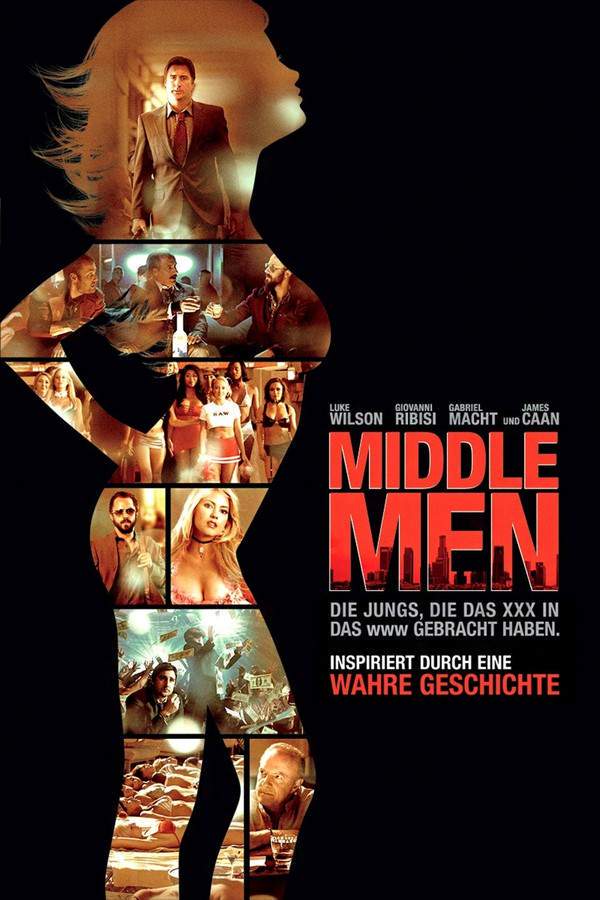





Narrative Summary
The narrative pattern often follows a character who exists comfortably within a corrupt or privileged system until an event forces a collision with a different social reality. This collision exposes the hypocrisies and injustices of the system, leading to a chaotic unraveling. The endings are rarely triumphant, instead offering a hollow victory or a bitter acknowledgement of the status quo.
Why These Movies?
These movies are united by their darkly satirical tone and their thematic focus on critiquing social structures. They share a specific mood blend of intellectual criticism, anxious tension, and a sense of moral exhaustion, creating a coherent vibe for viewers interested in provocative social commentary.
Unlock the Full Story of The Bonfire of the Vanities
Don't stop at just watching — explore The Bonfire of the Vanities in full detail. From the complete plot summary and scene-by-scene timeline to character breakdowns, thematic analysis, and a deep dive into the ending — every page helps you truly understand what The Bonfire of the Vanities is all about. Plus, discover what's next after the movie.
The Bonfire of the Vanities Timeline
Track the full timeline of The Bonfire of the Vanities with every major event arranged chronologically. Perfect for decoding non-linear storytelling, flashbacks, or parallel narratives with a clear scene-by-scene breakdown.

Characters, Settings & Themes in The Bonfire of the Vanities
Discover the characters, locations, and core themes that shape The Bonfire of the Vanities. Get insights into symbolic elements, setting significance, and deeper narrative meaning — ideal for thematic analysis and movie breakdowns.



Similar Movies to The Bonfire of the Vanities
Discover movies like The Bonfire of the Vanities that share similar genres, themes, and storytelling elements. Whether you’re drawn to the atmosphere, character arcs, or plot structure, these curated recommendations will help you explore more films you’ll love.

Manhattan Murder Mystery
1993

Infamous
2006

City Island
2010

Big Trouble
2002

Whipped
2000
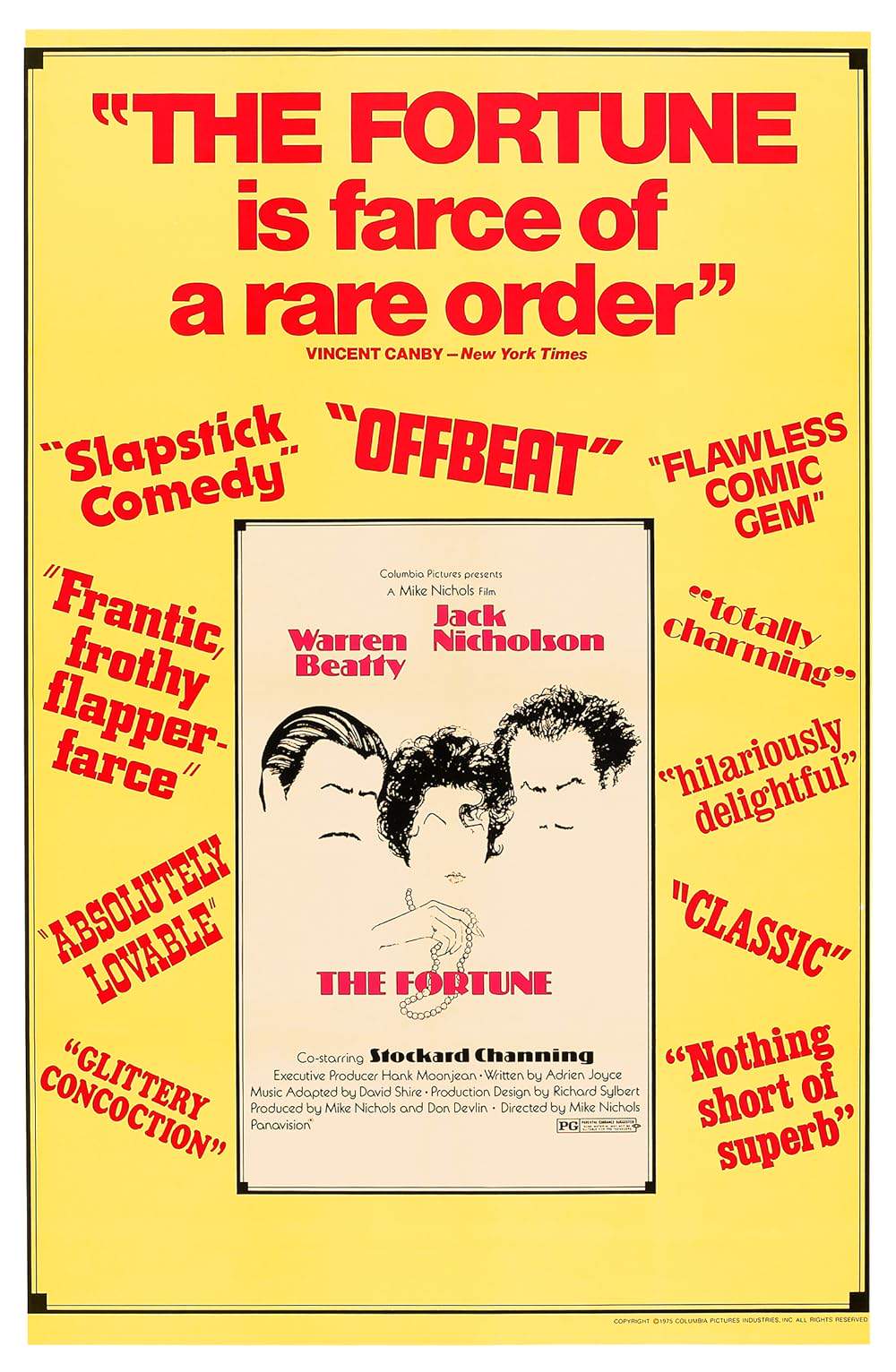
The Fortune
1975
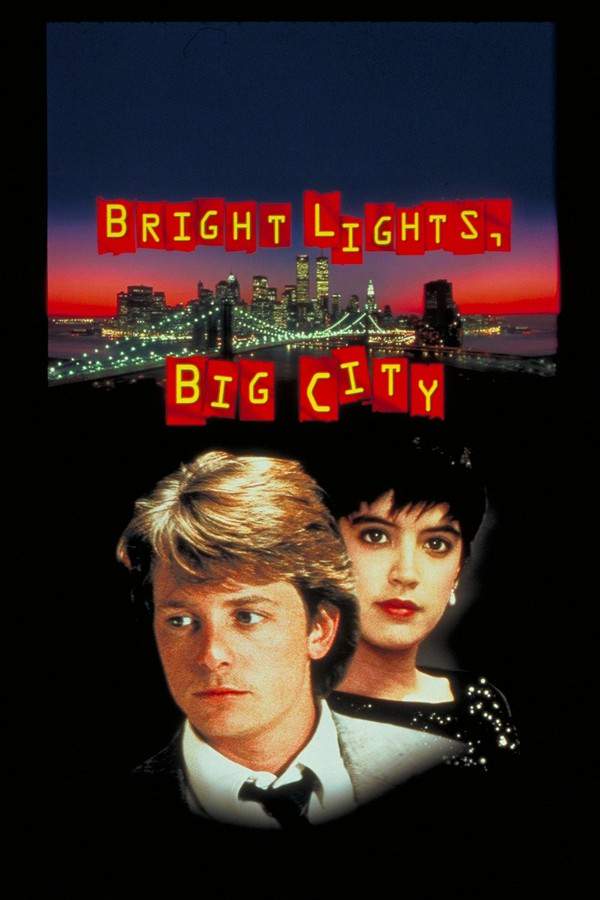
Bright Lights, Big City
1988
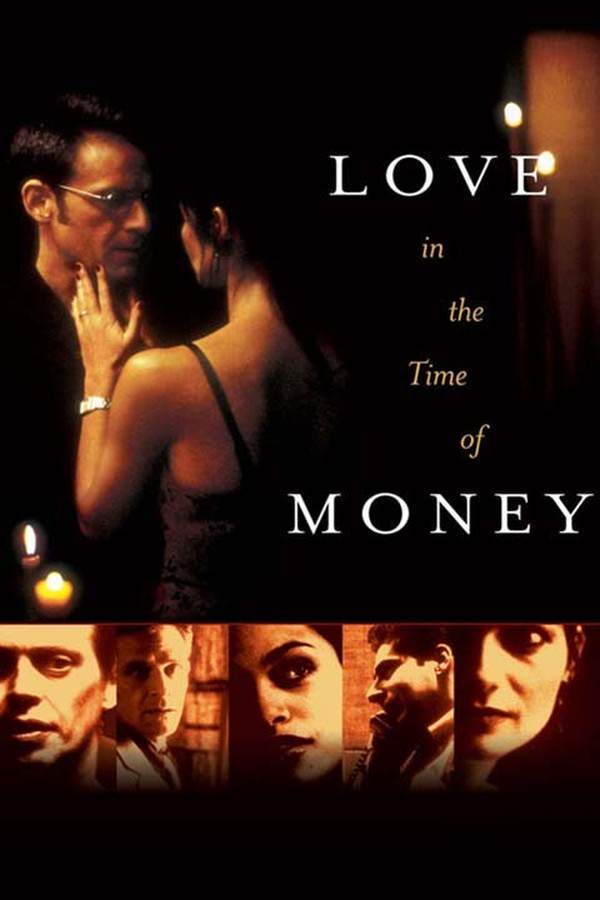
Love in the Time of Money
2002

Over the Brooklyn Bridge
1984

Manhattan Melodrama
1934

Big City Blues
1932

Sweet Smell of Success
1957

Vanity Street
1932

The Flame
1947

Burning Days
2022
Explore More About Movie The Bonfire of the Vanities
The Bonfire of the Vanities (1990) Scene-by-Scene Movie Timeline
The Bonfire of the Vanities (1990) Movie Characters, Themes & Settings
The Bonfire of the Vanities (1990) Spoiler-Free Summary & Key Flow
Movies Like The Bonfire of the Vanities – Similar Titles You’ll Enjoy
Manhattan Murder Mystery (1993) Full Summary & Key Details
Infamous (2006) Movie Recap & Themes
City Island (2010) Full Movie Breakdown
Big Trouble (2002) Film Overview & Timeline
Whipped (2000) Complete Plot Breakdown
The Fortune (1975) Film Overview & Timeline
Bright Lights, Big City (1988) Full Summary & Key Details
Love in the Time of Money (2002) Complete Plot Breakdown
Over the Brooklyn Bridge (1984) Full Summary & Key Details
Manhattan Melodrama (1934) Plot Summary & Ending Explained
Big City Blues (1932) Spoiler-Packed Plot Recap
Sweet Smell of Success (1957) Complete Plot Breakdown
Vanity Street (1932) Movie Recap & Themes
The Flame (1947) Spoiler-Packed Plot Recap
Burning Days (2022) Story Summary & Characters