Plot Explained Spoilers guaranteed!
Plot Explained

Browse by genre

A Billion Lives (2016) movie poster

Timeline

A Billion Lives (2016) Timeline Explained – Every Event in Order

Release, runtime and language
2016 · 94 mins · English
Loading streaming availability…
Starring
John Summers, Oliver Kershaw, Clive Bates, Delon Human, Jeff Stiers, Aaron Biebert

This documentary explores the vaping revolution and the troubling corruption surrounding it, highlighting a potential crisis with devastating global consequences. It investigates how a new vapor technology initially presented as a successful smoking cessation method was quickly demonized and restricted, despite many smokers seeking a way to quit. Through interviews with doctors, scientists, and others across four continents, the film uncovers government failures, corruption within the public health community, and the influence of powerful business interests, all while a staggering number of people continue to smoke and seek alternatives.

On this page (4)
  1. 1 Where to watch
  2. 2 Events in order (14)
  3. 3 Movie threads
  4. 4 Every angle
Loading streaming availability…

14 events in order · contains spoilers

A Billion Lives Timeline: Events in Chronological Order

Every key event of A Billion Lives (2016) in order, scene by scene, with when and where it takes place. Use it to untangle flashbacks, time jumps and parallel storylines, to refresh your memory before the sequel or to find the exact scene you are thinking of.

  1. A Billion Lives at Stake

    The film opens with a stark claim: this century, a billion people are projected to die from smoking. This alarming projection immediately establishes the enormity of the global tobacco crisis. It sets the high stakes for the documentary's entire investigation.

    When
    21st century
  2. Documenting the Damage

    The documentary continues by showing the depth of harm tobacco can cause to human health. Viewers learn about the increased risk of lung cancer, asthma, and chronic obstructive pulmonary disease linked to smoking. These sobering medical facts ground the film's argument in hard evidence.

  3. The Tobacco Industry's Dark History

    The film outlines the history of the tobacco industry, concentrating on tobacco corporations' attempts to hide the deleterious effects of tobacco and tobacco products. This segment reveals decades of deliberate concealment by major companies. It frames the industry as an active participant in prolonging the health crisis.

  4. Concealing the Truth

    A central thread of the documentary explores how tobacco corporations worked to hide the dangers of their products from the public. The film suggests these cover-ups allowed smoking to remain glamorized long after its harms were known. This deception becomes a key theme running through the narrative.

  5. Meet the Winston Man

    Many shots in the first segment are accompanied and framed with interviews of David Goerlitz, the former Winston Man. Goerlitz was once the main model in a campaign by Winston Cigarettes to glamorize smoking. His insider perspective offers a rare look at how the industry marketed its deadly products.

  6. Goerlitz Turns Against Big Tobacco

    In the late 1980s, David Goerlitz publicly denounced the tobacco industry he had once helped promote. The film presents this reversal as a powerful indictment from someone who personified cigarette advertising. His story demonstrates how the industry discarded even its most iconic faces.

    When
    Late 1980s
  7. A New Focus: Vaping

    The second segment of the film shifts focus from the tobacco industry to the e-cigarette and vaping industry. This transition marks a major turning point in the documentary's structure. The narrative now explores whether new technology could offer an alternative to deadly combustible cigarettes.

  8. Dr. Derek Yach Weighs In

    The film features interviews and talks by Dr. Derek Yach, a former World Health Organization tobacco control chief. His involvement lends significant public health authority to the discussion of vaping. He helps the documentary argue that harm reduction deserves serious consideration.

  9. Anti-Smoking Activist Clive Bates

    Clive Bates, a prominent anti-smoking activist, appears among the many experts interviewed in this segment. His commentary reinforces the idea that opposing vaping outright may contradict anti-smoking goals. Together with other specialists, he helps build a case for e-cigarettes as a public health tool.

  10. Vaping as a Potential Lifesaver

    Narrator Biebert lays out the possibility that e-cigarettes may be able to save a majority of the billion lives that could be lost to tobacco. This argument places vaping at the center of the film's proposed solution to the smoking epidemic. It reframes the device not as a menace but as a potential breakthrough in harm reduction.

  11. Big Tobacco Fights Back

    The final section of the film centers on the attempts the tobacco industry has made to stop e-cigarettes from encroaching on the money-making abilities of large multinational corporations. The documentary reveals how vaping threatens entrenched profits. This conflict forms the core of the film's third act.

  12. Money and Survival

    Set as an exploration of the reasons many people are critical toward vaping, the third act shows how money is integral to the tobacco industry's survival. The film argues that financial interests shape public perception of vaping as much as health science does. It suggests the backlash against e-cigarettes is anything but neutral.

  13. Unlikely Alliances Exposed

    The documentary tackles the involvement of pharmaceutical corporations and even governments in dealings with tobacco companies. It reaches out to discover why there is such a negative bias toward vaping. These tangled relationships reveal a web of interests working against harm-reduction alternatives.

  14. Counting the Fortune

    Culminating in an extensive breakdown of how much money lies in the hands of tobacco industries, the documentary lays bare the enormous financial stakes of the debate. This final analysis ties together the film's wide range of topics related to smoking. It leaves viewers with a clear understanding of why a billion lives hang in the balance.

Last updated: October 26, 2026 at 13:28

Was this helpful?

Movie threads

More Movies Like A Billion Lives, by Mood & Story

Curated lists built around what makes A Billion Lives tick: the same mood, the same kind of story or the same emotional payoff. Each list explains why these movies belong together.

Movies Like A Billion Lives: Public Health Corruption Exposé

Investigations that expose how money and power obstruct urgently needed solutions. Explore movies like A Billion Lives that uncover corporate and government corruption behind public health crises. These dark, complex investigations combine expert testimony with evidence of profit-driven deception, revealing powerful obstacles to safer solutions and saving lives on a global scale.

  • investigative
  • sobering
  • alarming
  • cynical
  • urgent
  • thought-provoking
  • Tone: dark, sobering, cynical
  • Pacing: steady, methodical
Why these movies?

The story pattern: The story typically begins by establishing the scale of an overlooked health crisis, then follows evidence from doctors, scientists, and other witnesses. Institutional claims are tested, financial incentives are exposed, and a possible remedy emerges, only to meet political and commercial resistance that leaves the outcome uncertain.

Why they belong together: They are grouped by their cool-headed but shocking method: sober evidence accumulates into a critique of institutions whose decisions affect millions. The tone stays grave and controlled, while corporate obstruction turns a public health problem into a struggle over truth, accountability, and profit.
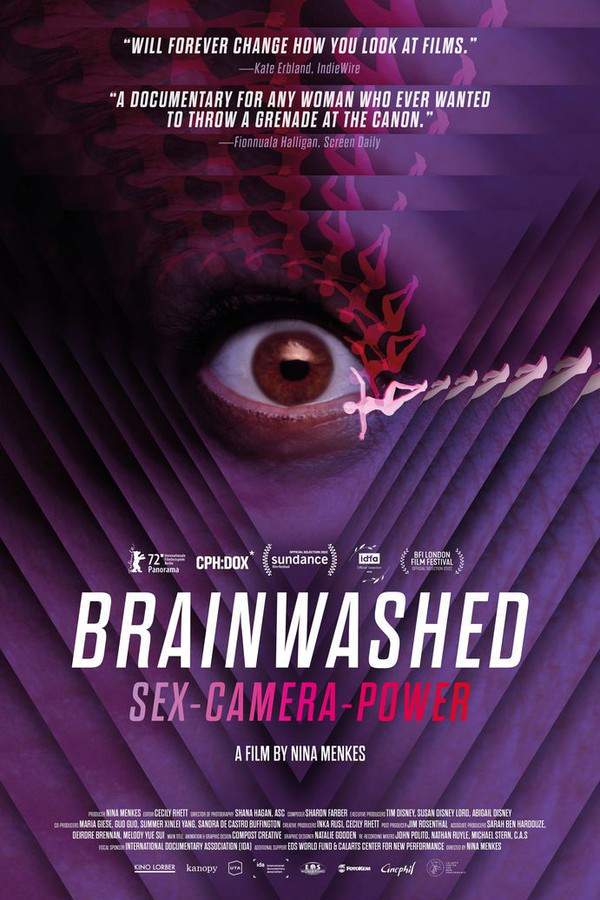
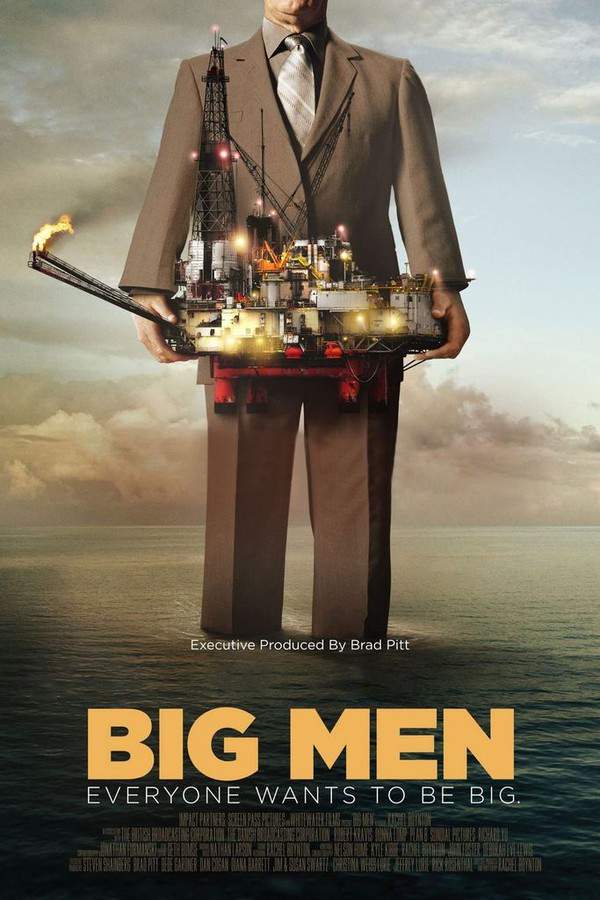
Movies Like A Billion Lives: Dark Investigations with Cautious Hope

Grim investigations uncover institutional failure while cautiously preserving the possibility of change. Find movies like A Billion Lives with the same measured, dark investigative rhythm. If you enjoyed A Billion Lives, these similarly complex stories balance grim public health stakes with expert insight, cautious hope, and an ambiguous resolution that leaves difficult questions still open.

  • sobering
  • somber
  • urgent
  • thought-provoking
  • expository
  • ambiguous
  • Tone: dark, somber, cautiously hopeful
  • Pacing: steady, interview-driven
Why these movies?

The story pattern: The narrative moves in three broad stages: the human cost is mapped, the promise of a better approach is examined, and the forces blocking it are exposed. Expert voices and statistics keep the argument grounded, while the emotional arc shifts from mourning and alarm toward tentative possibility, then back to unresolved skepticism.

Why they belong together: These films share a grave, controlled rhythm and the tension between urgent human stakes and imperfect institutions. Their interviews and evidence build a serious argument, but the closing uncertainty prevents neat reassurance, creating a sober blend of condemnation, cautious hope, and continued doubt.

Every angle

A Billion Lives (2016) Explained: Plot, Timeline & Characters

Everything about A Billion Lives in one place: what happens in the plot summary, the timeline in chronological order, the characters and meaning and a spoiler-free summary. What's After the Movie adds the cast, box office and post-credit scenes.

Coming soon on iOS and Android

The Plot Explained Movie Summary App

Plot summaries, endings explained and timelines on your phone. Catch up on any movie in minutes, save your favorites and never miss a twist again.

Be the first to know when we launch. Your email stays private, always.

Learn more about the app