Year: 2002
Runtime: 185 mins
Language: Hindi
Director: Guddu Dhanoa
Bhagat Singh, a passionate Indian freedom fighter, assassinates the British officer held responsible for the death of his mentor Lala Lajpat Rai. He is swiftly arrested, tried for murder, and sentenced to death, ultimately being hanged by the colonial authorities, cementing his status as a martyr for independence.
Find where to stream, rent, or buy 23rd March 1931: Shaheed (2002) in the US with current JustWatch availability, up-to-date pricing, and platform listings for subscription, rental, and digital purchase options.
Warning: spoilers below!
Haven’t seen 23rd March 1931: Shaheed yet? This summary contains major spoilers. Bookmark the page, watch the movie, and come back for the full breakdown. If you're ready, scroll on and relive the story!
Trace every key event in 23rd March 1931: Shaheed (2002) with our detailed, chronological timeline. Perfect for unpacking nonlinear stories, spotting hidden connections, and understanding how each scene builds toward the film’s climax. Whether you're revisiting or decoding for the first time, this timeline gives you the full picture.
Last updated: February 20, 2026 at 18:44
Find frequently asked questions about the 23rd March 1931: Shaheed (2002) timeline, including chronological order, nonlinear jumps, cause-and-effect links, and scene sequence clarifications. This timeline FAQ helps explain when key events happen, how moments connect, and why the story unfolds in that specific order.
Bhagat Singh decides to assassinate the British official as direct retaliation for the death of his mentor Lala Lajpat Rai, who was beaten to death by police during a protest. This tragedy becomes the catalyst that pushes Singh and his fellow freedom fighters from peaceful protests to direct violent action against colonial authorities.
Following the assassination of the British official, a manhunt was launched by the police. The freedom fighters were quickly identified as suspects due to their known revolutionary activities and connections. Their concealment proved short-lived as British authorities closed in, leading to their arrest and imprisonment.
Earlier scenes established the group as well-known activists, making their identification inevitable.
During the trial, Bhagat Singh and his comrades openly admit to the killing and frame it as an act carried out in the name of freedom. They use the courtroom as a platform to declare their political motivations, viewing their confession as a statement of resistance rather than a confession of guilt.
After initially receiving life sentences for the assassination, the revolutionaries faced new charges of treason and assassination. These additional charges escalated the legal proceedings, ultimately leading to death sentences for Bhagat Singh, Chandrashekhar Azad, Sukhdev, and Rajguru. The colonial authorities sought to make an example of them as symbols of rebellion.
During the prison visit, Bhagat Singh's mother Vidya sees him shackled from head to toe. He speaks with quiet dignity about India's suffering ending only with a new birth of freedom, hinting at his unwavering commitment to the cause and his acceptance of his fate. The moment emphasizes his prophetic view of sacrifice.
The revolutionaries were charged with treason because they framed their actions as political resistance rather than criminal acts. By admitting the killing was done in the name of freedom, they challenged the colonial court's authority to judge them. The British legal system treated their political motivations as a greater threat, leading to treason charges which carried the death penalty.
Their courtroom admission of political motive directly influenced the severity of subsequent charges.
Discover curated groups of movies connected by mood, themes, and story style. Browse collections built around emotion, atmosphere, and narrative focus to easily find films that match what you feel like watching right now.
Chronicles of sacrifice for a cause, where tragic endings forge legends.For viewers who appreciated the tragic heroism in 23rd March 1931: Shaheed, this list features movies about figures who become martyrs for their cause. Discover similar historical dramas and stories of political sacrifice that culminate in powerful, somber endings.
The narrative follows a determined protagonist who challenges an oppressive system, facing escalating consequences including arrest, imprisonment, and often execution. The story structure is typically linear, building from initial idealism through confrontation and sacrifice, culminating in a tragic but defiant end that solidifies their legacy.
These films are grouped by their shared focus on martyrdom as a narrative endpoint. They possess a dark, somber tone, high emotional intensity, and a steady, deliberate pacing that allows the weight of the sacrifice to resonate. The central theme of a life given for a greater cause creates a powerful, cohesive viewing experience.
Gripping stories of flawed justice systems and the individuals crushed by them.If you were captivated by the oppressive trial and unjust sentencing in 23rd March 1931: Shaheed, explore these movies about futile fights against corrupt systems. Find films with similar dark tones, heavy emotional weight, and a sense of inevitable tragedy within the courtroom or judicial process.
The plot revolves around a protagonist facing a powerful adversary within a legal or pseudo-legal framework. The journey is not about uncovering truth but about exposing systemic corruption and facing predetermined condemnation. The narrative builds tension through the power imbalance and the protagonist's dignified resistance in the face of inevitable defeat.
These films share a core experience of witnessing an unjust system at work, creating a pervasive mood of oppression and futility. They are united by a dark tone, high emotional intensity, and a steady pacing that methodically leads to a tragic conclusion. The focus is less on legal mystery and more on the human cost of institutionalized injustice.
Don't stop at just watching - explore 23rd March 1931: Shaheed in full detail. From the complete plot summary and scene-by-scene timeline to character breakdowns, thematic analysis, and a deep dive into the ending - every page helps you truly understand what 23rd March 1931: Shaheed is all about. Plus, discover what's next after the movie.
Read a complete plot summary of 23rd March 1931: Shaheed, including all key story points, character arcs, and turning points. This in-depth recap is ideal for understanding the narrative structure or reviewing what happened in the movie.
Discover the characters, locations, and core themes that shape 23rd March 1931: Shaheed. Get insights into symbolic elements, setting significance, and deeper narrative meaning - ideal for thematic analysis and movie breakdowns.
Discover movies like 23rd March 1931: Shaheed that share similar genres, themes, and storytelling elements. Whether you’re drawn to the atmosphere, character arcs, or plot structure, these curated recommendations will help you explore more films you’ll love.
23rd March 1931: Shaheed (2002) Plot Summary & Movie Recap
23rd March 1931: Shaheed (2002) Scene-by-Scene Movie Timeline
23rd March 1931: Shaheed (2002) Spoiler-Free Summary & Key Flow
Movies Like 23rd March 1931: Shaheed – Similar Titles You’ll Enjoy
Shahid (2013) Film Overview & Timeline
Gandhi (1983) Full Summary & Key Details
The Gandhi Murder (2019) Spoiler-Packed Plot Recap
Dada Sahib (2000) Full Movie Breakdown
The Legend of Bhagat Singh (2002) Full Movie Breakdown
Subedar Joginder Singh (2018) Detailed Story Recap
Rang De Basanti (2006) Plot Summary & Ending Explained
Hey Ram (2000) Full Summary & Key Details
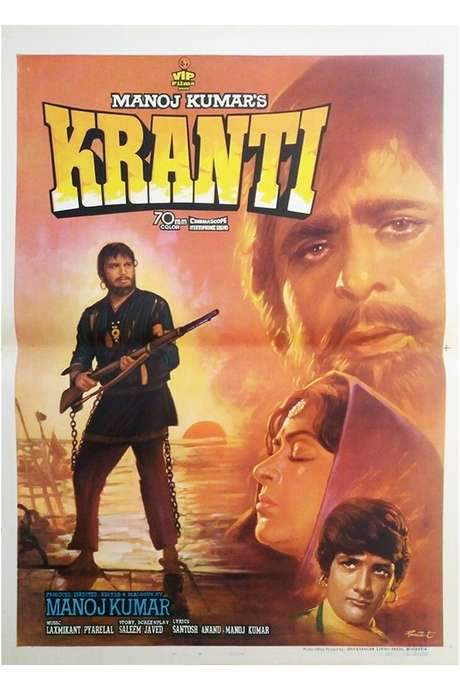
Kranti (1981) Film Overview & Timeline
Shahenshah (1988) Full Movie Breakdown
Sardar Udham (2021) Full Movie Breakdown
Shershaah (2021) Story Summary & Characters
Shaheed (1965) Full Movie Breakdown
Shaheed-E-Mohabbat Boota Singh (1999) Film Overview & Timeline
1942: A Love Story (1994) Ending Explained & Film Insights