You Can’t Get Away with Murder

You Can’t Get Away with Murder

Year: 1939

Runtime: 89 mins

Language: English

Director: Lewis Seiler

CrimeDrama

A hard‑boiled crime drama follows Johnnie, taught the underworld trade by petty thug Frank Wilson. When Wilson murders a pawnbroker with a gun stolen from Johnnie’s sister Madge’s fiancé, Fred Burke, Burke is sentenced to Sing Sing’s death house. Wilson then pressures Johnnie to stay silent, even after both end up locked in the same penitentiary.

Where to Watch You Can’t Get Away with Murder?

Find where to stream, rent, or buy You Can’t Get Away with Murder (1939) in the US with current JustWatch availability, up-to-date pricing, and platform listings for subscription, rental, and digital purchase options.

Warning: spoilers below!

Haven’t seen You Can’t Get Away with Murder yet? This summary contains major spoilers. Bookmark the page, watch the movie, and come back for the full breakdown. If you're ready, scroll on and relive the story!

Timeline & Setting – You Can’t Get Away with Murder (1939)

Explore the full timeline and setting of You Can’t Get Away with Murder (1939). Follow every major event in chronological order and see how the environment shapes the story, characters, and dramatic tension.

Time period

1930s

The film is set in Depression-era New York, a time when organized crime and law enforcement were in fierce contention. Urban crime, caprices of fortune, and a harsh justice system shape the characters’ choices. The prison environment underscores the era’s brutal realities and the pressure to maintain appearances amidst danger and corruption.

Location

Hell's Kitchen, New York, Sing Sing Prison, Ossining, New York

The story unfolds in gritty urban New York, centered on Hell's Kitchen where Johnny and Frank's criminal plans begin. The action shifts to Sing Sing Prison, a stark environment that forces characters into high-stakes moral and legal battles. The contrast between the crowded, dangerous city and the disciplined, harsh prison highlights the film's themes of crime, punishment, and justice.

🗽 Urban crime 🚓 Police procedure 🏙️ City setting

Last updated: October 04, 2025 at 17:25

Was this helpful?

Main Characters – You Can’t Get Away with Murder (1939)

Meet the key characters of You Can’t Get Away with Murder (1939), with detailed profiles, motivations, and roles in the plot. Understand their emotional journeys and what they reveal about the film’s deeper themes.

Frank Wilson (Humphrey Bogart)

A ruthless mobster who pulls the strings behind the crime spree. He urges Johnny to keep “playing dumb” to protect them both and demonstrates a willingness to kill to preserve his own survival. Frank is the mastermind behind the gun’s involvement and the orchestrator of the jailbreak, showing little mercy as events spiral. His calculated cruelty drives the plot toward a violent confrontation that tests every character’s loyalties.

🧭 Criminal mastermind 💥 Violent 🕶️ Manipulative

John 'Johnny' Stone (Billy Halop)

A young man who is not a hardened criminal, pulled into Frank’s scheme through loyalty and pressure. He struggles with guilt after stealing the gun and allowing a deadly sequence of events to unfold, including the murder for which Fred Burke is blamed. He avoids confessing for as long as possible, clinging to a plan to ‘play dumb’ to protect others. Ultimately, he begins to tell the truth in writing, though Frank’s actions threaten to suppress it during the jailbreak.

🤔 Reluctant hero 🧭 Moral conflict 🚶‍♂️ Youth

Fred Burke (Harvey Stephens)

Madge’s fiancé who becomes an early target of suspicion due to an incomplete alibi. He is arrested and convicted of murder largely because the gun’s presence cannot be convincingly explained away. His fate underscores the peril of assumptions and the human cost of a flawed justice system. The final confession’s truth clears him, but only after severe strain and injustice have occurred.

🕵️ Innocent suspect ⚖️ Legal peril

Madge Stone (Gale Page)

Johnny’s sister who believes in his capacity to know the truth and pleads with him to speak. She remains caring and loyal, anxious about Fred’s fate and the danger of uncovering uncomfortable truths. Her faith in Johnny’s integrity adds emotional weight to the moral crisis at hand. Her presence bridges family duty with the pursuit of justice.

💞 Family ties 🗣️ Plea for truth

Pop (Henry Travers)

An elderly convict who runs the prison library and embodies a calm, principled voice among chaos. He appeals to Johnny’s conscience and serves as a moral counterbalance to the deception around him. Pop’s quiet wisdom helps steer Johnny toward honesty, even as he navigates the dangers of prison politics. He embodies the theme that knowledge and empathy can guide toward justice.

🧭 Mentor 🗺️ Wisdom

Carey (Attorney Carey) (John Litel)

Fred Burke’s lawyer, a perceptive and pragmatic attorney who notices the inconsistencies in Johnny’s story. He deduces that Johnny took Fred’s gun and grasps the danger of proceeding without solid evidence. He fights to keep Fred alive using legal reasoning, while recognizing that the truth must prevail to save the innocent. His cautious, evidence-driven approach contrasts with the more chaotic impulses around him.

⚖️ Legal mind 🕵️‍♂️ Investigative

Warden of Sing Sing (Joseph Crehan)

The authoritative figure in the Sing Sing prison who oversees the inmates and enforces discipline. He embodies the prison system’s rigid structure and the pressure it places on prisoners and guards alike. His presence intensifies the environment where Johnny and Frank’s fates collide, highlighting the social machinery that perpetuates punishment. He represents the unyielding force of the penal institution.

🏛️ Authority figure 🗝️ Prison administration

Last updated: October 04, 2025 at 17:25

Was this helpful?

Major Themes – You Can’t Get Away with Murder (1939)

Explore the central themes of You Can’t Get Away with Murder (1939), from psychological, social, and emotional dimensions to philosophical messages. Understand what the film is really saying beneath the surface.

🤐 Silence & Confession

A central tension is the choice to stay silent or reveal the truth. Johnny and Frank rely on secrecy and manipulation to protect themselves, while Pop and Madge push for honesty. The choice to confess ultimately becomes the path to justice, though it comes at a great personal and moral cost. The jailbreak scene forces a confrontation with truth that alters everyone’s fate.

⚖️ Justice & Deception

The legal system is shown as dependent on imperfect evidence, alibis, and the sly operations of those who know how to game the system. Alibis crumble, fingerprints and circumstantial proof mislead, and the pursuit of justice becomes a battle of wits as much as a battle of law. The story reveals how deception can misdirect punishment, and how truth, when it surfaces, can overturn wrongful conclusions.

🕯️ Guilt & Redemption

Characters are weighed down by guilt and the desire to protect loved ones, even at the expense of honesty. Johnny’s internal struggle highlights the moral toll of silence, while Fred Burke's wrongful suspicion dramatizes the human cost of misattributed guilt. Redemption comes when the real killer is exposed and the innocent are cleared, restoring a fragile sense of justice.

Last updated: October 04, 2025 at 17:25

Was this helpful?

You Can’t Get Away with Murder (1939) Character & Theme Questions Answered – Info FAQ

Browse frequently asked questions about You Can’t Get Away with Murder (1939) focused on characters, relationships, themes, symbols, setting, and story context. This movie info FAQ gives spoiler-aware explanations for character arcs, world details, and thematic interpretation so readers can better understand what the film is really about.

Q1

Where does the movie take place?

A.

The film is set in gritty urban New York, primarily in Hell's Kitchen where the criminal activity begins. The story then shifts to Sing Sing Prison in Ossining, New York, where the main characters face the consequences of their actions. This contrast between the dangerous city streets and the harsh prison environment underscores the film's themes of crime, punishment, and justice.

hell's kitchennew yorksing sing prisonlocationsettings
Q2

What time period is the movie set in?

A.

The film is set in Depression-era New York during the 1930s, a period when organized crime and law enforcement were locked in fierce contention. This historical context shapes the characters' choices and the harsh justice system they navigate, reflecting the era's brutal realities and the pressures of danger and corruption.

1930sdepression eratime periodhistorical setting
Q3

What is the theme of silence versus confession about?

A.

A central tension in the film is the choice between staying silent or revealing the truth. Johnny and Frank rely on secrecy and manipulation to protect themselves, while Pop and Madge push for honesty. The choice to confess ultimately becomes the path to justice, though it comes at a great personal and moral cost. The jailbreak scene forces a confrontation with truth that alters everyone's fate.

silenceconfessiontruthmoral choicetheme
Q4

How does the film portray justice and deception?

A.

The legal system is shown as dependent on imperfect evidence, alibis, and the sly operations of those who know how to game the system. Alibis crumble, fingerprints and circumstantial proof mislead, and the pursuit of justice becomes a battle of wits as much as a battle of law. The story reveals how deception can misdirect punishment, and how truth, when it surfaces, can overturn wrongful conclusions.

justicedeceptionlegal systemalibitheme
Q5

What does the film say about guilt and redemption?

A.

Characters are weighed down by guilt and the desire to protect loved ones, even at the expense of honesty. Johnny's internal struggle highlights the moral toll of silence, while Fred Burke's wrongful suspicion dramatizes the human cost of misattributed guilt. Redemption comes when the real killer is exposed and the innocent are cleared, restoring a fragile sense of justice.

guiltredemptioninnocencetheme
Q6

Who is Frank Wilson in the movie?

A.

Frank Wilson is a ruthless mobster portrayed by Humphrey Bogart who pulls the strings behind the crime spree. He urges Johnny to keep playing dumb to protect them both and demonstrates a willingness to kill to preserve his own survival. Frank is the mastermind behind the gun's involvement and the orchestrator of the jailbreak, showing little mercy as events spiral. His calculated cruelty drives the plot toward a violent confrontation.

frank wilsonhumphrey bogartmobstervillain
Q7

Who is Johnny Stone in the movie?

A.

Johnny Stone is a young man who is not a hardened criminal but is pulled into Frank's scheme through loyalty and pressure. He struggles with guilt after stealing the gun and allowing a deadly sequence of events to unfold. He avoids confessing for as long as possible, clinging to a plan to play dumb to protect others. Ultimately, he begins to tell the truth in writing, though Frank's actions threaten to suppress it.

johnny stonebilly halopprotagonistyoung criminal
Q8

Who is Fred Burke in the movie?

A.

Fred Burke is Madge's fiancé who becomes an early target of suspicion due to an incomplete alibi. He is arrested and convicted of murder largely because the gun's presence cannot be convincingly explained away. His fate underscores the peril of assumptions and the human cost of a flawed justice system. The final confession's truth clears him, but only after severe strain and injustice have occurred.

fred burkeinnocent manconvictedwrongful imprisonment
Q9

Who is Madge Stone in the movie?

A.

Madge Stone is Johnny's sister who believes in his capacity to know the truth and pleads with him to speak. She remains caring and loyal, anxious about Fred's fate and the danger of uncovering uncomfortable truths. Her faith in Johnny's integrity adds emotional weight to the moral crisis at hand. Her presence bridges family duty with the pursuit of justice.

madge stonesisterfamilyloyalty
Q10

Who is Pop in the movie?

A.

Pop is an elderly convict who runs the prison library and embodies a calm, principled voice among chaos. He appeals to Johnny's conscience and serves as a moral counterbalance to the deception around him. Pop's quiet wisdom helps steer Johnny toward honesty, even as he navigates the dangers of prison politics. He embodies the theme that knowledge and empathy can guide toward justice.

popprisonmentormoral guidelibrary
Q11

What is the tone and mood of the movie?

A.

The film's tone is unambiguously dark, rooted in the grim realities of the criminal underworld and the unforgiving prison system. The intensity is consistently high due to the central moral conflict and the impending execution of an innocent man, creating a pervasive sense of urgency and guilt. There are no moments of levity or romance to offset the serious, fatalistic mood. The ending is bittersweet, with truth revealed and an innocent man saved, but at the cost of the main character's life.

tonemooddarkseriousfatalistic
Q12

What motivates Frank Wilson?

A.

Frank Wilson is motivated by self-preservation and ruthless ambition. He manipulates Johnny into silence to protect himself from consequences for the murder he committed. His calculated cruelty knows no bounds, as he orchestrates a jailbreak and will do anything to maintain control over the situation, even if it means eliminating those who threaten to expose his crimes.

motivationself-preservationmobstermanipulation
Q13

Why is Johnny Stone conflicted?

A.

Johnny Stone is conflicted because he is not a hardened criminal but a young man pulled into the criminal world through loyalty to Frank Wilson. He struggles with guilt after his actions led to a murder for which an innocent man is convicted. His desire to protect both himself and his sister Madge conflicts with his growing recognition that speaking the truth is the only moral path, creating an intense internal struggle throughout the film.

conflictguiltmoral struggleloyaltyyoung criminal
Mobile App Preview

Coming soon on iOS and Android

The Plot Explained Mobile App

From blockbusters to hidden gems - dive into movie stories anytime, anywhere. Save your favorites, discover plots faster, and never miss a twist again.

Sign up to be the first to know when we launch. Your email stays private, always.

Explore Movie Threads

Discover curated groups of movies connected by mood, themes, and story style. Browse collections built around emotion, atmosphere, and narrative focus to easily find films that match what you feel like watching right now.

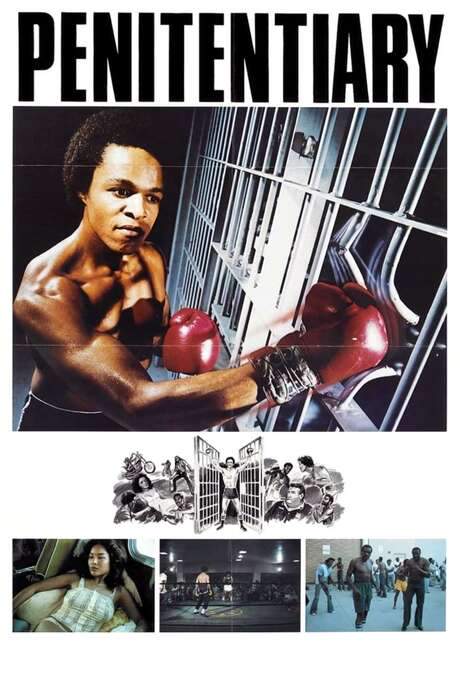
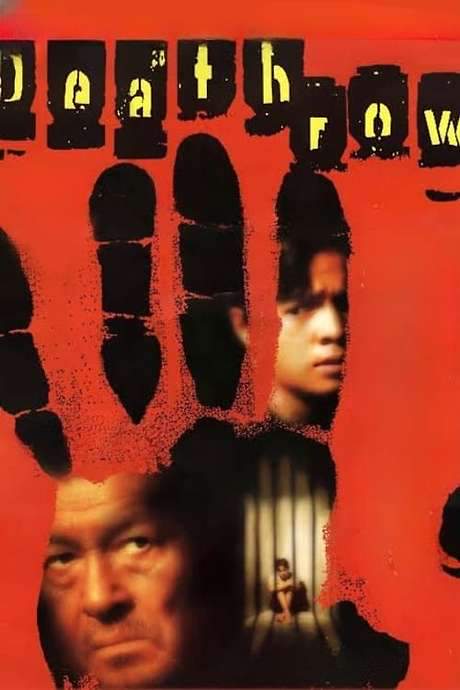
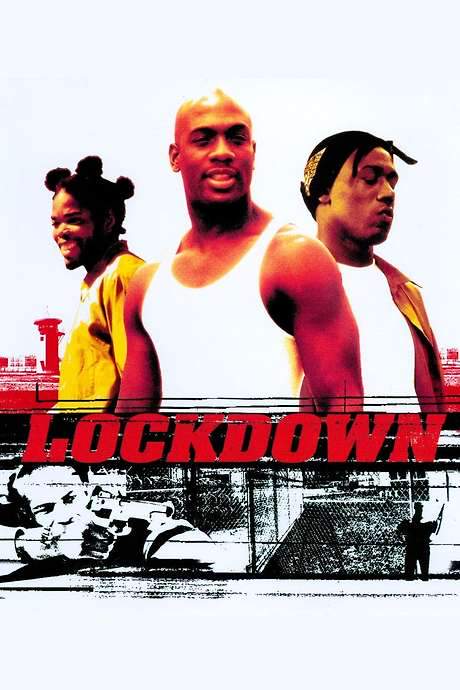
Grim prison moral dilemmas like in You Can’t Get Away with Murder

Stories where prison confines both body and conscience, forcing life-or-death choices.Explore a collection of movies like You Can’t Get Away with Murder, focusing on heavy crime dramas set in prison. These similar stories feature tense moral conflicts, bleak environments, and characters grappling with guilt and survival within the unforgiving justice system.

claustrophobicguilt-riddentensegrimfatalisticmoral conflictanxious

Narrative Summary

These narratives typically trap characters in a pressure cooker environment, forcing confrontations with past sins and immediate ethical choices. The journey often involves a character's psychological torment, the threat of violence, and a race against time—be it an execution or a parole hearing—leading to a climax that resolves the moral debt, often at a high personal cost.

Why These Movies?

Movies are grouped here for their shared setting of incarceration and the central theme of moral testing. They deliver a consistent experience of claustrophobic tension, heavy emotional weight, and a dark, often bittersweet, exploration of justice and personal responsibility under extreme duress.


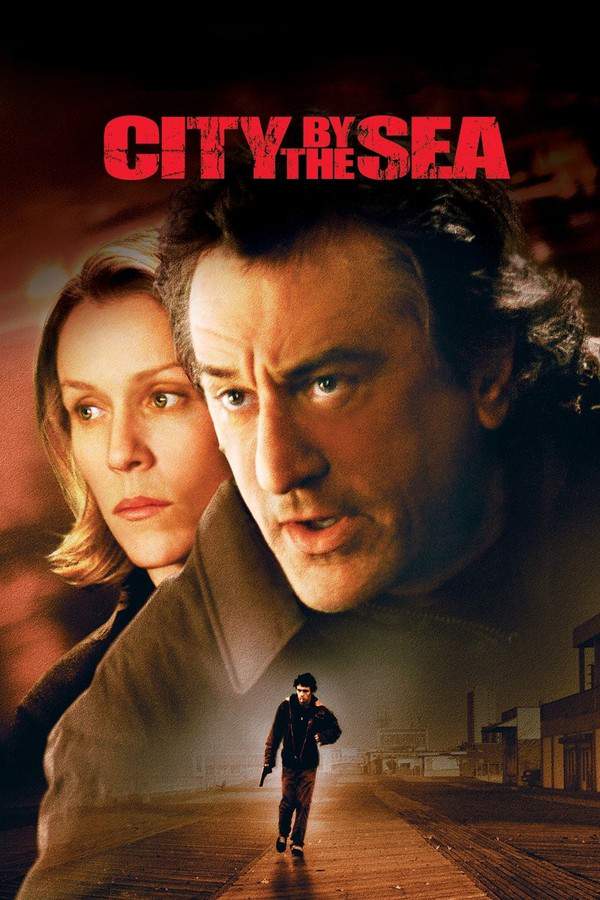
Fatalistic crime spirals like in You Can’t Get Away with Murder

Crime stories where a single bad decision triggers an irreversible descent.If you liked the grim, inevitable downfall in You Can’t Get Away with Murder, discover similar movies in this thread. These crime dramas share a dark tone, high intensity, and a storytelling pattern where characters are ensnared by their actions, leading to a bitter conclusion.

fatalisticgrimtenseanxiousguilt-riddenbleakmoral conflict

Narrative Summary

The narrative pattern is straightforward and relentless: a character is drawn into a criminal world, makes a critical error in judgment, and then becomes trapped in a web of escalating violence and guilt. The pacing is steady and tense, building towards a climax where escape is impossible, and the ending, while sometimes offering a form of justice or truth, is overwhelmingly bleak or bittersweet.

Why These Movies?

These films are united by their fatalistic mood and dark tone. They share a high-intensity, heavy viewing experience defined by anxiety, moral conflict, and the grim certainty that crime does not pay, creating a coherent vibe of inescapable consequence.

Unlock the Full Story of You Can’t Get Away with Murder

Don't stop at just watching - explore You Can’t Get Away with Murder in full detail. From the complete plot summary and scene-by-scene timeline to character breakdowns, thematic analysis, and a deep dive into the ending - every page helps you truly understand what You Can’t Get Away with Murder is all about. Plus, discover what's next after the movie.

You Can’t Get Away with Murder Summary

Read a complete plot summary of You Can’t Get Away with Murder, including all key story points, character arcs, and turning points. This in-depth recap is ideal for understanding the narrative structure or reviewing what happened in the movie.

You Can’t Get Away with Murder Summary

You Can’t Get Away with Murder Timeline

Track the full timeline of You Can’t Get Away with Murder with every major event arranged chronologically. Perfect for decoding non-linear storytelling, flashbacks, or parallel narratives with a clear scene-by-scene breakdown.

You Can’t Get Away with Murder Timeline

You Can’t Get Away with Murder Spoiler-Free Summary

Get a quick, spoiler-free overview of You Can’t Get Away with Murder that covers the main plot points and key details without revealing any major twists or spoilers. Perfect for those who want to know what to expect before diving in.

You Can’t Get Away with Murder Spoiler-Free Summary

More About You Can’t Get Away with Murder

Visit What's After the Movie to explore more about You Can’t Get Away with Murder: box office results, cast and crew info, production details, post-credit scenes, and external links - all in one place for movie fans and researchers.

More About You Can’t Get Away with Murder

Similar Movies to You Can’t Get Away with Murder

Discover movies like You Can’t Get Away with Murder that share similar genres, themes, and storytelling elements. Whether you’re drawn to the atmosphere, character arcs, or plot structure, these curated recommendations will help you explore more films you’ll love.