Year: 1939
Runtime: 89 mins
Language: English
Director: Lewis Seiler
A hard‑boiled crime drama follows Johnnie, taught the underworld trade by petty thug Frank Wilson. When Wilson murders a pawnbroker with a gun stolen from Johnnie’s sister Madge’s fiancé, Fred Burke, Burke is sentenced to Sing Sing’s death house. Wilson then pressures Johnnie to stay silent, even after both end up locked in the same penitentiary.
Warning: spoilers below!
Haven’t seen You Can’t Get Away with Murder yet? This summary contains major spoilers. Bookmark the page, watch the movie, and come back for the full breakdown. If you're ready, scroll on and relive the story!
Read the complete plot breakdown of You Can’t Get Away with Murder (1939), including all key story events, major twists, and the ending explained in detail. Discover what really happened—and what it all means.
In New York’s Hell’s Kitchen, Johnny Stone, Billy Halop, defies his sister Madge Stone, Gale Page, and teams with Frank Wilson, Humphrey Bogart, a ruthless mobster. The duo steal a car and then stage a gas station robbery. Later, Johnny borrows Fred Burke’s gun, Harvey Stephens, to give to Frank for a pawnshop robbery. The owner resists and triggers an alarm; Frank kills him and leaves the gun at the scene, so Johnny cannot return it to Fred’s room. When investigators find the gun, they doubt Fred’s alibi and he is arrested and convicted of murder. Meanwhile, based on fingerprint evidence, Frank and Johnny are arrested and convicted of the gas station robbery. All three men are sent to Sing Sing.
Johnny is not as hardened as Frank and is tormented by the thought that Fred might face execution. Frank repeatedly insists that Johnny keep playing dumb, warning that confessing could seal their fates. The prison authorities grow suspicious of their uneasy alliance and transfer Johnny from the shoe factory to the prison library, run by a mild-mannered older convict named Pop, Henry Travers.
Madge begs Johnny to tell the truth, still unaware of his own involvement, while Pop privately appeals to his conscience. Fred’s lawyer Carey, John Litel, eventually deduces that Johnny took Fred’s gun and that Frank did the shooting, but lacking solid evidence he cannot secure a stay of execution. Through it all, Johnny clings to the ruse of playing dumb.
On the day Fred’s execution is set, Frank and Johnny stage a jailbreak. Johnny reaches a breaking point and prepares to confess, producing a written statement that he stole the gun and that Frank did the shooting, leaving it for Pop to find after the breakout. But Frank sees the document and seizes it, intending to kill Johnny once the guards are distracted.
The escape ends in a failed breakout, with Frank and Johnny trapped in a railroad boxcar and surrounded by guards. Frank fires, mortally wounding Johnny, then shoots him to prevent the confession from surfacing. Yet Johnny, though dying, manages to tell the truth, implicating Frank for both murders and finally clearing Fred.
Last Updated: October 09, 2025 at 10:44
Discover curated groups of movies connected by mood, themes, and story style. Browse collections built around emotion, atmosphere, and narrative focus to easily find films that match what you feel like watching right now.
Stories where prison confines both body and conscience, forcing life-or-death choices.Explore a collection of movies like You Can’t Get Away with Murder, focusing on heavy crime dramas set in prison. These similar stories feature tense moral conflicts, bleak environments, and characters grappling with guilt and survival within the unforgiving justice system.
These narratives typically trap characters in a pressure cooker environment, forcing confrontations with past sins and immediate ethical choices. The journey often involves a character's psychological torment, the threat of violence, and a race against time—be it an execution or a parole hearing—leading to a climax that resolves the moral debt, often at a high personal cost.
Movies are grouped here for their shared setting of incarceration and the central theme of moral testing. They deliver a consistent experience of claustrophobic tension, heavy emotional weight, and a dark, often bittersweet, exploration of justice and personal responsibility under extreme duress.

Crime stories where a single bad decision triggers an irreversible descent.If you liked the grim, inevitable downfall in You Can’t Get Away with Murder, discover similar movies in this thread. These crime dramas share a dark tone, high intensity, and a storytelling pattern where characters are ensnared by their actions, leading to a bitter conclusion.
The narrative pattern is straightforward and relentless: a character is drawn into a criminal world, makes a critical error in judgment, and then becomes trapped in a web of escalating violence and guilt. The pacing is steady and tense, building towards a climax where escape is impossible, and the ending, while sometimes offering a form of justice or truth, is overwhelmingly bleak or bittersweet.
These films are united by their fatalistic mood and dark tone. They share a high-intensity, heavy viewing experience defined by anxiety, moral conflict, and the grim certainty that crime does not pay, creating a coherent vibe of inescapable consequence.
Don't stop at just watching — explore You Can’t Get Away with Murder in full detail. From the complete plot summary and scene-by-scene timeline to character breakdowns, thematic analysis, and a deep dive into the ending — every page helps you truly understand what You Can’t Get Away with Murder is all about. Plus, discover what's next after the movie.
Track the full timeline of You Can’t Get Away with Murder with every major event arranged chronologically. Perfect for decoding non-linear storytelling, flashbacks, or parallel narratives with a clear scene-by-scene breakdown.
Discover the characters, locations, and core themes that shape You Can’t Get Away with Murder. Get insights into symbolic elements, setting significance, and deeper narrative meaning — ideal for thematic analysis and movie breakdowns.
Get a quick, spoiler-free overview of You Can’t Get Away with Murder that covers the main plot points and key details without revealing any major twists or spoilers. Perfect for those who want to know what to expect before diving in.
Visit What's After the Movie to explore more about You Can’t Get Away with Murder: box office results, cast and crew info, production details, post-credit scenes, and external links — all in one place for movie fans and researchers.
Discover movies like You Can’t Get Away with Murder that share similar genres, themes, and storytelling elements. Whether you’re drawn to the atmosphere, character arcs, or plot structure, these curated recommendations will help you explore more films you’ll love.
You Can’t Get Away with Murder (1939) Scene-by-Scene Movie Timeline
You Can’t Get Away with Murder (1939) Movie Characters, Themes & Settings
You Can’t Get Away with Murder (1939) Spoiler-Free Summary & Key Flow
Movies Like You Can’t Get Away with Murder – Similar Titles You’ll Enjoy
Sentence of Death (1953) Full Summary & Key Details
Murder in Reverse? (1945) Spoiler-Packed Plot Recap
Strange Justice (1932) Film Overview & Timeline
Manhattan Melodrama (1934) Story Summary & Characters
Convicted (1950) Complete Plot Breakdown
The Get-Away (1941) Plot Summary & Ending Explained
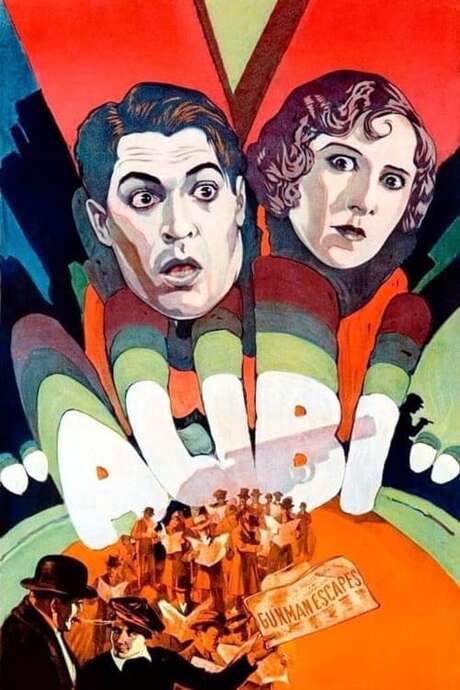
Alibi (1929) Full Movie Breakdown
They Made Me a Fugitive (1947) Spoiler-Packed Plot Recap
The Murder Man (1935) Full Summary & Key Details
Murder Over New York (1940) Complete Plot Breakdown
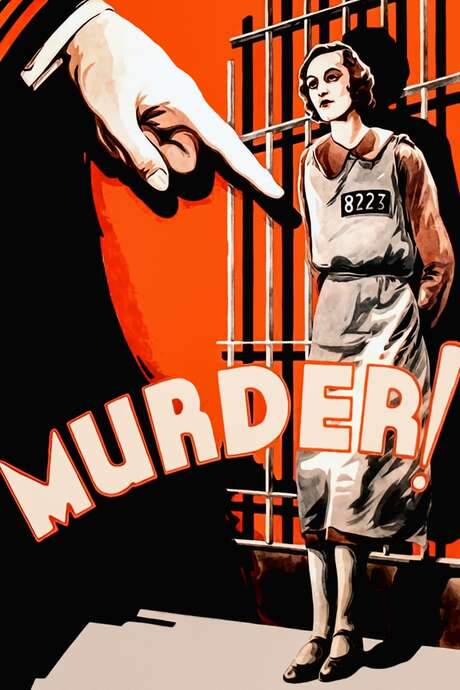
Murder! (1930) Movie Recap & Themes
Accused of Murder (1956) Ending Explained & Film Insights
You Only Live Once (1937) Plot Summary & Ending Explained
They Made Me a Killer (1946) Full Movie Breakdown
Murder in Greenwich Village (1937) Movie Recap & Themes