Plot Explained Spoilers guaranteed!
Plot Explained

Browse by genre

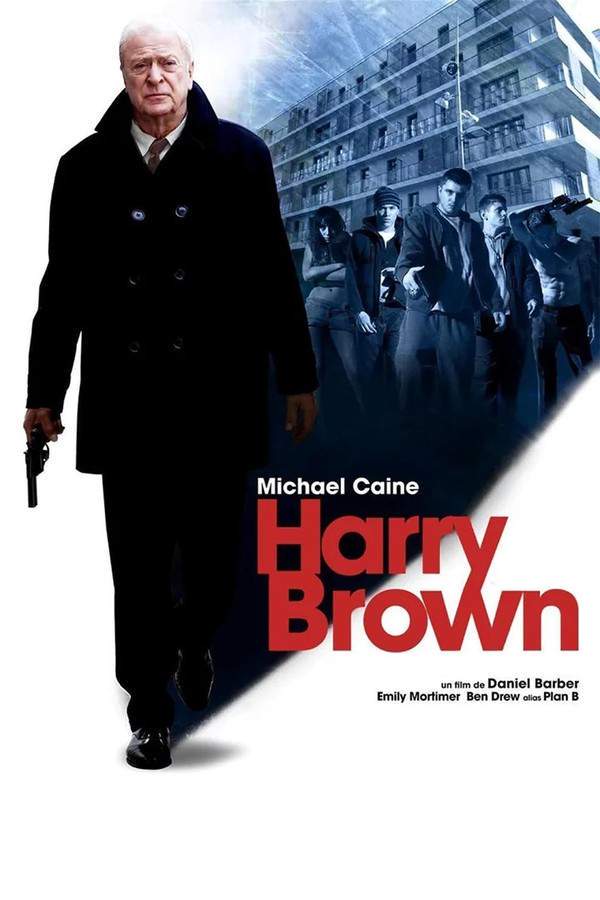
Harry Brown (2010) movie poster

Plot Summary

Harry Brown (2010) Plot Summary Explained

Release, runtime and language
2010 · 103 min · English
Loading streaming availability…
Directed by
Daniel Barber
Starring
Michael Caine, David Bradley, Emily Mortimer
Budget
$7.3M

After the death of his closest friend, a former soldier named Harry Brown decides to take justice into his own hands. Michael Caine portrays the retired man who embarks on a dangerous quest for revenge against a group of violent thugs terrorizing his neighborhood. As Harry confronts the criminals, he challenges the boundaries of the law and his own sense of morality in this gritty and hard-hitting thriller.

On this page (6)
  1. 1 Where to watch
  2. 2 What happens: full plot
  3. 3 Plot questions answered
  4. 4 Movie threads
  5. 5 Movies like Harry Brown
  6. 6 Every angle
Loading streaming availability…

Full plot summary · contains spoilers

What Happens in Harry Brown: Full Plot Summary

The whole story of Harry Brown (2010) explained, from the opening scene to the final frame: every key event, every twist and what it all adds up to. Read it as a quick recap before the sequel, to check a scene you missed, or to finally understand what really happened.

Shot in a gritty, documentary style with a cellphone camera, the film begins with a stark initiation into gang life, showcasing a boy from a South London council estate who is forced to take drugs and wield a gun. The narrative quickly escalates as he joyrides with two others on a motorbike, leading to a harrowing incident where they take the life of a mother walking with her child. Their reckless adventure ends tragically when the boy himself is struck by a lorry while fleeing the scene.

The plot centers on Harry Brown, portrayed by Michael Caine, an elderly ex-Royal Marine and veteran of the Northern Ireland conflict. Despite the escalating violence in his neighborhood, Harry attempts to maintain an air of indifference. Residing in a modest flat at the Heygate Estate in Walworth, London, he frequently visits his comatose wife in the hospital, deliberately avoiding a notorious underpass that serves as a hangout for a local gang. Much of his spare time is spent in a local pub, where he enjoys playing chess and drinking with his close friend, Leonard Attwell, played by David Bradley, while mutually navigating the untrustworthy ambiance provided by the pub's owner, Sid.

In a twist of fate, Harry receives a midnight phone call informing him that his wife is near death. Faced with the prospect of using the dangerous underpass to reach her, he succumbs to fear and arrives too late to say goodbye. Following her funeral, Leonard opens up to Harry about being bullied by local youths, showcasing an old bayonet he now carries for self-defense, lamenting that law enforcement refuses to listen to their pleas for help. Not long after, Leonard is horrified to find someone has pushed burning dog waste through his mail slot—a clear act of intimidation.

The situation escalates further when Harry is confronted by detectives Alice Frampton, played by Emily Mortimer, and Terry Hicock, who inform him of Leonard's murder at the hands of local gang members. Although some are apprehended, they are released due to lack of evidence. In the wake of Leonard's passing, Harry finds himself spiraling into despair and, after a chance encounter with one of Noel's gang members who attempts to rob him, he suddenly taps into his military training, confronting and destroying his assailant.

As Detective Frampton later informs Harry, the circumstances surrounding Leonard's death could lead to manslaughter charges for self-defense instead of murder. This revelation sparks a turning point for Harry, prompting him to embark on a dangerous path of vigilantism. He follows one of the gang members, Kenny, back to a decrepit house, where he extracts himself from a tense negotiation involving firearms. Inside, he discovers a disturbing scene of drug abuse and exploitation, which leads him to confront the perpetrators, resulting in their demise. Taking a significant amount of cash as he rescues an unconscious woman from their clutches, he also discreetly donates a portion to a local church.

Through persistent surveillance from Leonard's old apartment, Harry grapples with the street gang's dynamics. He captures a young recruit, Marky, and extracts vital footage proving the gang's role in Leonard's murder. Utilizing Marky as bait, Harry orchestrates a tension-filled showdown, facilitating further violence that leaves him gasping for breath in a climactic scene where he suffers an emphysema attack.

With the neighborhood descending into chaos due to a police crackdown ordered by Superintendent Childs, an intense riot erupts amidst the crackdown. Injured, Harry escapes the hospital, but Detective Frampton's attempts to halt him lead to a critical turning point when a vehicular crash occurs. In a desperate attempt to survive, Harry saves them from their attackers, only to unearth deeper connections between Sid and the gang leader, Noel.

The stakes rise sharply as Harry and the detectives confront treachery in the pub basement. After brutal confrontations and tragic deaths of his allies, Harry finally draws upon hidden resources to fight back, resulting in a deadly altercation that leaves him critically injured. As the dust settles, emergency services arrive, putting an end to a spree of violence that has shaken the community.

In the aftermath, a news conference celebrates the police's efforts in reducing crime, with rumors of a vigilante aiding their cause dismissed by the authorities. The film concludes on a contemplative note, showing a seemingly recovered Harry heading towards the now peaceful underpass, accompanied by a voiceover from Superintendent Childs praising the recent decline in crime as a community returns to a semblance of normalcy.
Last updated: May 13, 2025 at 20:30

Was this helpful?

Plot questions answered

Harry Brown Plot Explained: Your Questions Answered

The questions people ask most about Harry Brown (2010): what happens in the confusing scenes, why the characters do what they do, the twists, hidden details and what the ending means. Each answer contains spoilers.

Q1

Why does Harry decide to become a vigilante after Leonard's death?

Harry decides to become a vigilante because Leonard's murder is the final straw after a series of events that left him feeling helpless. Leonard was bullied by local youths, the police fail to arrest the gang members responsible, and Harry himself is later attacked by a gang member. When Detective Frampton tells Harry that Leonard's killers might only face manslaughter charges rather than murder, Harry loses faith in the justice system entirely and takes matters into his own hands.

Foreshadowing: Earlier, Leonard shows Harry an old bayonet he now carries for self-defense, lamenting that police refuse to listen to their pleas for help.

  • vigilante
  • leonard death
  • police failure
  • revenge
  • michael caine
Q2

Why is Harry too late to say goodbye to his dying wife?

Harry receives a midnight phone call informing him his wife is near death. To reach the hospital quickly, he would need to take the underpass, but he knows it's a dangerous area controlled by the local gang. Faced with fear for his own life, he chooses an alternative route and arrives too late, missing the chance to say goodbye.

Foreshadowing: Harry deliberately avoids the notorious underpass throughout the film, showing his fear of the gang-controlled area.

  • wife death
  • hospital
  • underpass
  • regret
Q3

How is Harry able to defeat gang members despite being an elderly man?

Harry is a former Royal Marine veteran who served in the Northern Ireland conflict, giving him extensive military training in combat and self-defense. When a gang member attempts to rob him, Harry taps into this dormant training, disarms the attacker, and kills him. His skills allow him to infiltrate the drug den later and systematically eliminate multiple gang members.

Foreshadowing: The film establishes Harry's background as a veteran who served in Northern Ireland, hinting at his combat capabilities.

  • royal marine
  • military training
  • fight
  • veteran
Q4

What is the significance of the bayonet Leonard carries?

The bayonet represents Leonard's attempt to protect himself in a neighborhood where he feels unsafe and unprotected by authorities. After being bullied by local youths and experiencing intimidation like having burning dog waste pushed through his mail slot, Leonard obtains the bayonet as a last resort for self-defense. This mirrors Harry's later turn to vigilantism.

  • bayonet
  • self defense
  • leonard
  • bullding
Q5

Why does the police operation lead to a riot in the neighborhood?

Superintendent Childs orders a major police crackdown and arrest operation targeting the gang, believing it will restore order. However, the aggressive tactics escalate tensions in the already volatile community, sparking a massive riot as citizens clash with police and chaos erupts throughout the neighborhood.

Foreshadowing: The film shows rising tensions between the community and law enforcement throughout, with both Harry and Leonard expressing frustration with the police's inability to protect them.

  • police operation
  • riot
  • childs
  • crackdown
Q6

What connection does Sid, the pub owner, have with the gang leader Noel?

Sid, the owner of the pub where Harry and Leonard spend their time, is revealed to have a deeper connection to the gang than initially apparent. During the final confrontation in the pub basement, Harry uncovers evidence connecting Sid to Noel, the gang leader. This betrayal is particularly devastating for Harry since he trusted Sid as a regular at the pub.

  • sid
  • noel
  • pub
  • gang leader
  • betrayal
Q7

What happens to Marky after he helps Harry?

Marky is a young gang member whom Harry captures to extract information about Leonard's murder. Harry tortures him and obtains cellphone footage proving the gang's involvement in Leonard's death. Harry then uses Marky as bait to orchestrate a showdown, leading to further violence. The film does not explicitly show Marky's ultimate fate, but he is caught up in the escalating violence Harry creates.

Foreshadowing: Harry plans to use Marky as bait specifically to draw out the gang members responsible for Leonard's murder.

  • marky
  • gang member
  • capture
  • evidence
Q8

Why does Harry escape from the hospital?

Harry suffers a severe emphysema attack during a fight and wakes up in the hospital. Despite being injured and needing treatment, he escapes because he believes his mission is not yet complete. He feels compelled to continue hunting down the gang members responsible for Leonard's death and the violence plaguing his neighborhood.

Foreshadowing: Harry's health issues are introduced earlier when he experiences breathing difficulties, showing his condition is deteriorating.

  • hospital
  • emphysema
  • escape
  • injury
Q9

What is the final outcome for Harry Brown?

In the final confrontation at Sid's pub, Harry kills both Sid and Noel but is severely injured in the process. He makes a desperate plea for help before the police arrive. The film ends with Harry appearing to recover and walking toward the now-peaceful underpass, suggesting he survives. A news conference later praises the police's efforts while denying any vigilante involvement.

  • final confrontation
  • death
  • hospital
  • underpass
  • survival
Q10

Why does the underpass become peaceful at the end of the film?

The underpass, once a gang-controlled dangerous area, appears peaceful at the end because Harry's violent campaign has eliminated the gang members who terrorized the neighborhood. Superintendent Childs notes the decline in crime, and the community returns to a semblance of normalcy. However, the ending is bittersweet, this peace comes at a great personal cost to Harry and was achieved through morally questionable violence rather than systemic change.

Foreshadowing: The underpass has been established as the symbol of the gang's control and Harry's fear throughout the film.

  • underpass
  • peace
  • ending
  • crime decline
  • community
Q11

What triggers Harry to kill for the first time?

The trigger for Harry's first killing is being attacked by a gang member while walking home. After Leonard's murder and the gang's continued harassment, Harry's military training surfaces instinctively. He turns the knife against his attacker, killing him. This incident marks the psychological turning point where Harry transforms from a passive pensioner into an active vigilante.

Foreshadowing: Harry is confronted by detectives who inform him Leonard's killers have been released due to lack of evidence, adding to his sense of injustice.

  • first killing
  • knife attack
  • self defense
  • military
Q12

How does Harry manage to infiltrate the drug den?

Harry follows one of the gang members, Kenny, back to a decrepit house. He observes the drug operation and waits for the right moment to confront the dealers inside. The scene reveals a disturbing environment of drug abuse and exploitation. Harry kills the dealers, rescues an unconscious woman suffering from drug overdose, and takes a significant amount of cash which he later donates to a local church.

Foreshadowing: Harry has been conducting surveillance from Leonard's old apartment, learning the gang's movements and routines.

  • drug den
  • infiltration
  • rescue
  • church donation

Movie threads

More Movies Like Harry Brown, by Mood & Story

Curated lists built around what makes Harry Brown tick: the same mood, the same kind of story or the same emotional payoff. Each list explains why these movies belong together.

Grim vigilante justice movies like Harry Brown

Ordinary people pushed to extremes by a failed justice system. For viewers seeking movies like Harry Brown, this thread features gritty thrillers and dramas where the justice system fails and ordinary people become vigilantes. These films share a dark tone, heavy emotional weight, and a focus on urban decay, moral collapse, and the high personal cost of taking justice into one's own hands.

  • gritty
  • vengeful
  • desperate
  • oppressive
  • harsh
  • bleak
  • Tone: dark, grim, tragic
  • Pacing: steady, methodical build
Why these movies?

The story pattern: The narrative typically begins with a profound personal loss or injustice that the system cannot or will not address. This catalyst propels a reluctant protagonist—often an everyman or woman—into a dangerous underworld. The journey is a steady descent into violence, forcing the character to confront their own morality while methodically dismantling the threat, leading to a resolution that is effective but morally ambiguous and emotionally costly.

Why they belong together: These movies are grouped together because they share a core premise: the failure of official institutions leading to extralegal justice. They create a cohesive experience through their uniformly dark tone, high intensity, heavy emotional weight stemming from themes of grief and vengeance, and a bleak, gritty visual and emotional atmosphere.

Movies with elderly protagonists like Harry Brown

Senior citizens pushed to their limits by a harsh, violent world. If you liked the premise of an older hero in Harry Brown, this thread collects films featuring senior citizens who are forced to confront violent threats. These movies often blend drama with thriller or action elements, focusing on the unique tension and emotional weight that comes from an aging character taking a final, dangerous stand.

  • tragic
  • determined
  • desperate
  • poignant
  • gritty
  • tense
  • Tone: dark, bittersweet, tragic
  • Pacing: steady, character-driven
Why these movies?

The story pattern: The narrative follows an elderly character, often retired or living a quiet life, who is confronted with a violent intrusion—be it crime, loss, or a direct threat. Their journey is one of reawakening dormant skills (military, criminal) or discovering new depths of courage. The pacing is often steady, building tension from the protagonist's physical limitations contrasting with their strategic intelligence and unwavering determination, leading to a climactic confrontation.

Why they belong together: These films are grouped by their unique protagonist archetype: the aging avenger. This creates a distinct viewing experience defined by the emotional poignancy of seeing a vulnerable character pushed to the brink. The shared elements include a steady, character-driven pace, a tone that balances tragic sadness with gritty determination, and themes of grief, legacy, and reclaiming agency late in life.

If you liked this

Movies Like Harry Brown

Similar movies to Harry Brown: the same genre, themes or kind of story. Each one comes with its own plot summary, timeline and ending explained.

Browse all movie summaries

Every angle

Harry Brown (2010) Explained: Plot, Timeline & Characters

Everything about Harry Brown in one place: what happens in the plot summary, the timeline in chronological order, the characters and meaning and a spoiler-free summary. What's After the Movie adds the cast, box office and post-credit scenes.

Coming soon on iOS and Android

The Plot Explained Movie Summary App

Plot summaries, endings explained and timelines on your phone. Catch up on any movie in minutes, save your favorites and never miss a twist again.

Be the first to know when we launch. Your email stays private, always.

Learn more about the app