













Plot Explained Spoilers guaranteed!
Plot Explained

Browse by genre

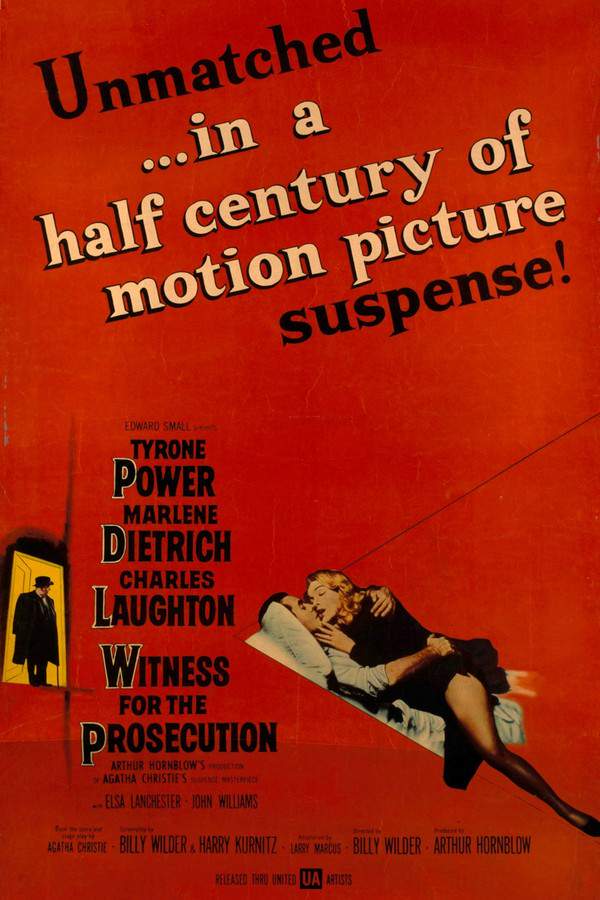
Witness for the Prosecution (1958) movie poster

Characters & Themes

Witness for the Prosecution (1958) Characters, Setting & Themes Explained

Release, runtime and language
1958 · 116 min · English
JustWatch #1,609 39
Directed by
Billy Wilder
Starring
Elsa Lanchester, Ian Wolfe, Henry Daniell, Una O'Connor, Charles Laughton, John Williams

Charismatic lawyer Sir Wilfrid Robarts takes on the defense of Leonard Vole, who is accused of murder. As the trial progresses, Vole’s seemingly solid alibi begins to unravel. The situation becomes even more complicated when his estranged wife, Christine, testifies, exposing a tangled history of secrets and lies. Robarts must navigate a complex web of conflicting accounts to uncover the truth and determine whether his client is truly innocent.

On this page (8)
  1. 1 Where to watch
  2. 2 Characters explained (4)
  3. 3 Where & when it takes place
  4. 4 Themes & meaning (3)
  5. 5 Character & meaning questions
  6. 6 Movie threads
  7. 7 Movies like Witness for the Prosecution
  8. 8 Every angle

Where to watch

Where to Watch Witness for the Prosecution (1958)

Where can you watch Witness for the Prosecution? Stream, rent or buy it in the US, including on Amazon Prime Video, Fawesome and Hoopla: current JustWatch availability with up-to-date prices.

Streaming availability powered by JustWatch

4 main characters · contains spoilers

Witness for the Prosecution Characters Explained: Who Is Who

The main characters of Witness for the Prosecution (1958), heroes and villains: what drives them, how they change over the course of the story and what each of them reveals about the film's bigger ideas.

  • Leonard Vole

    played by Tyrone Power

    Leonard Vole is a key figure caught in a web of murder accusations. His charm and apparent innocence come into question when substantial evidence suggests he stands to gain from a wealthy widow's demise. As the narrative unfolds, his character reveals a more complex morality that complicates viewers' sympathies.

    • 🕵️‍♂️ Accused
    • 🎩 Charismatic
  • Sir Wilfred Robarts

    played by Charles Laughton

    Sir Wilfred Robarts is a seasoned lawyer who, despite his health issues, dives headfirst into a challenging defense. His intelligence and determination shine through as he navigates the courtroom complexities, but his instincts about truth and reliability are tested when faced with unexpected evidence.

    • ⚖️ Lawyer
    • 🚑 Determined
  • Mrs. Christine Vole

    played by Marlene Dietrich

    Christine Vole is a fascinating yet enigmatic character whose actions drive much of the plot's tension. Her initially supportive demeanor shifts dramatically when she chooses to betray her husband on the stand. Her desperate choices reveal a struggle for autonomy and complicate her motivations deeply.

    • 💔 Betrayed
    • 🎭 Complex
  • Miss Plimsoll

    played by Elsa Lanchester

    Miss Plimsoll is Sir Wilfred's dedicated nurse who cares deeply for her employer. Her loyalty shines through as she takes on the challenge of aiding Christine in the aftermath of the trial. Her character embodies the moral challenges faced by those close to the morally ambiguous characters.

    • 👩‍⚕️ Nurse
    • 💪 Loyal

Last updated: October 22, 2024 at 19:24

Was this helpful?

Setting

Where and When Does Witness for the Prosecution Take Place?

The setting of Witness for the Prosecution (1958): the year and time period, the places and locations, and how they shape the characters, the mood and the tension of the story.

Time period

Post-World War II

The movie is set in the aftermath of World War II, a period marked by social and economic upheaval as nations began to rebuild. This time was characterized by a sense of uncertainty, reflecting the turmoil in people's lives and relationships as they navigated the complexities of trust and betrayal.

Location

London

London serves as the backdrop for this tense murder trial. Known for its rich history and complex legal system, the city embodies the juxtaposition of post-war recovery and societal intrigue. The courtroom, a key setting in the movie, represents the struggle for justice amid personal betrayal and deception.

  • 🏙️ City
  • ⚖️ Courtroom

Last updated: October 22, 2024 at 19:24

Was this helpful?

3 major themes

Witness for the Prosecution Meaning: Themes & Message Explained

What is Witness for the Prosecution (1958) really about? The emotional, social and philosophical themes the film keeps returning to, its symbolism and the message beneath the surface.

  • Justice

    Justice is a central theme explored through the courtroom drama. The film delves into the intricacies of the legal system and the moral dilemmas faced by those seeking the truth. It questions the reliability of evidence and the lengths individuals will go to protect or condemn their loved ones.

  • Betrayal

    Betrayal looms large as the characters' relationships unravel throughout the narrative. Christine's actions exemplify the destructive power of deceit, as her conflicting loyalties lead to catastrophic consequences. The theme highlights how personal motives can obscure the pursuit of justice.

  • Deception

    Deception plays a crucial role in the story, as characters manipulate truth for their own ends. The evolving narratives and surprising revelations challenge both the characters and the audience's perceptions of guilt and innocence. The film showcases how easily truth can be distorted in the quest for self-preservation.

Last updated: October 22, 2024 at 19:24

Was this helpful?

Character & theme questions

Witness for the Prosecution Characters & Meaning: Your Questions Answered

The questions people ask about Witness for the Prosecution (1958): who the characters really are, their relationships, what the symbols mean, where it takes place and what the movie is really about. Each answer contains spoilers.

Q1

Where does the movie take place?

The film is set in London, England. The city serves as the backdrop for the murder trial, with the courtroom being a central setting. London's historical significance and post-war atmosphere provide the perfect environment for exploring themes of justice, betrayal, and deception.

  • london
  • england
  • setting
  • courtroom
  • location
Q2

What time period does the movie depict?

The story is set in the post-World War II era, a time marked by social and economic upheaval as society began rebuilding. This period of uncertainty and transition reflects the turmoil in the characters' lives as they navigate themes of trust and betrayal.

  • post-war
  • 1940s
  • time period
  • world war ii
  • era
Q3

What does the movie say about justice?

Justice serves as the central theme, exploring the intricacies of the legal system and the moral dilemmas faced by those seeking truth. The film questions the reliability of evidence and examines how personal motives can obscure the pursuit of justice, ultimately showing how the legal system can be manipulated.

  • justice
  • legal system
  • trial
  • moral dilemma
  • truth
Q4

How is betrayal explored in the film?

Betrayal looms large as the characters' relationships unravel throughout the narrative. Christine's actions exemplify the destructive power of deceit, as her conflicting loyalties lead to catastrophic consequences. The theme highlights how personal motives can completely obscure the pursuit of justice.

  • betrayal
  • christine
  • deceit
  • relationships
  • loyalty
Q5

How does deception factor into the story?

Deception plays a crucial role as characters manipulate truth for their own ends. The evolving narratives and surprising revelations challenge both the characters and the audience's perceptions of guilt and innocence. The film demonstrates how easily truth can be distorted in the quest for self-preservation.

  • deception
  • truth
  • manipulation
  • revelations
  • lies
Q6

Who is Leonard Vole in the movie?

Leonard Vole is the accused murderer at the center of the trial. He is a charming man whose apparent innocence comes under question when substantial evidence suggests he stood to gain from a wealthy widow's death. His character reveals a complex morality that complicates viewer sympathy as the trial unfolds.

  • leonard vole
  • accused
  • defendant
  • murder suspect
Q7

Who is Sir Wilfred Robarts and what is his role?

Sir Wilfred Robarts is the seasoned lawyer who defends Leonard Vole against murder charges. Despite suffering from health issues, he takes on the challenging case with determination. His intelligence and legal acumen are tested when unexpected evidence challenges his instincts about truth and reliability.

  • sir wilfred robarts
  • lawyer
  • defense attorney
  • counsel
Q8

Who is Christine Vole and what is her significance?

Christine Vole is Leonard's estranged wife whose testimony dramatically impacts the trial. Initially appearing supportive of her husband, she ultimately betrays him on the witness stand. Her desperate choices reveal a deep struggle for autonomy and complicate her motivations, making her one of the most enigmatic characters in the film.

  • christine vole
  • wife
  • testimony
  • witness
  • betrayal
Q9

What kind of world does the movie portray?

The film portrays a post-war London world characterized by uncertainty and moral complexity. It depicts a society rebuilding itself while grappling with questions of trust, loyalty, and justice. The courtroom becomes a stage where personal betrayals and deceptions play out against the backdrop of a nation trying to restore order.

  • post-war london
  • society
  • uncertainty
  • moral complexity
Q10

Why is the courtroom so important to the story?

The courtroom represents the struggle for justice amid personal betrayal and deception. It serves as the primary arena where truth is contested, where characters reveal their hidden motives, and where the delicate balance between guilt and innocence is determined. The setting embodies the film's exploration of legal and moral truth.

  • courtroom
  • trial
  • justice
  • legal battle
  • evidence

Movie threads

More Movies Like Witness for the Prosecution, by Mood & Story

Curated lists built around what makes Witness for the Prosecution tick: the same mood, the same kind of story or the same emotional payoff. Each list explains why these movies belong together.

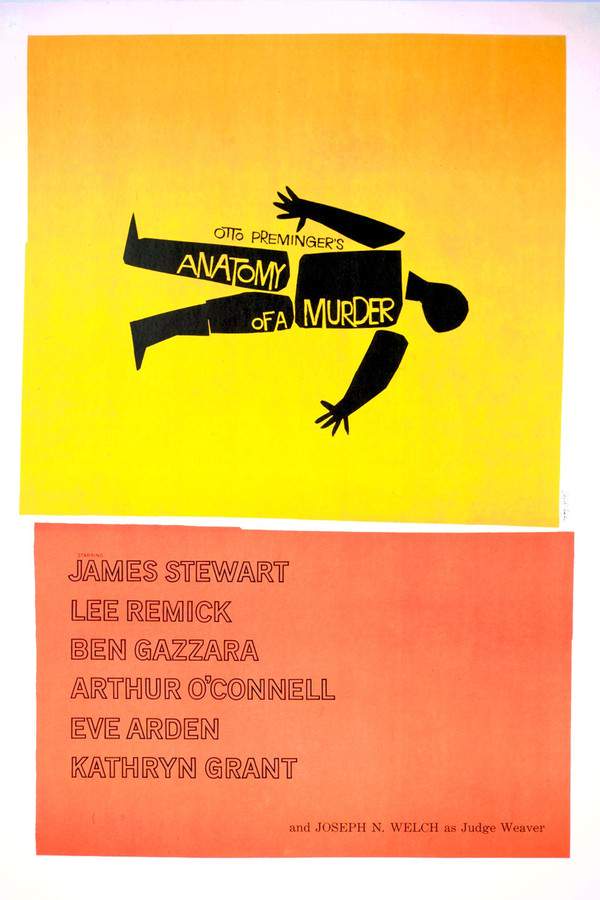
Deceptive Courtroom Dramas with Shocking Twists like in Witness for the Prosecution

Legal battles where the truth is a labyrinth of lies and surprise revelations. For viewers who enjoyed the intricate lies and dramatic surprises of Witness for the Prosecution. This section features movies like it, focusing on tense legal thrillers and crime stories where the truth is elusive and the final revelation is both shocking and emotionally potent.

  • suspenseful
  • deceptive
  • methodical
  • surprising
  • dramatic
  • anxious
  • Tone: tense, deceptive
  • Pacing: methodical, variable
Why these movies?

The story pattern: Stories in this thread are built around a central legal conflict, often a murder trial, where testimonies and evidence are deliberately misleading. The plot methodically unravels a web of deception, placing the audience in a position of uncertainty, and typically concludes with a major twist that recontextualizes the entire narrative, often with tragic or bittersweet consequences.

Why they belong together: These movies are grouped by their shared focus on the courtroom as a stage for manipulation, their complex narrative structures that withhold key information, and their ability to deliver a powerful, surprising climax that challenges perceptions of guilt and innocence.
Heavy Tragedies of Betrayal and Moral Collapse like in Witness for the Prosecution

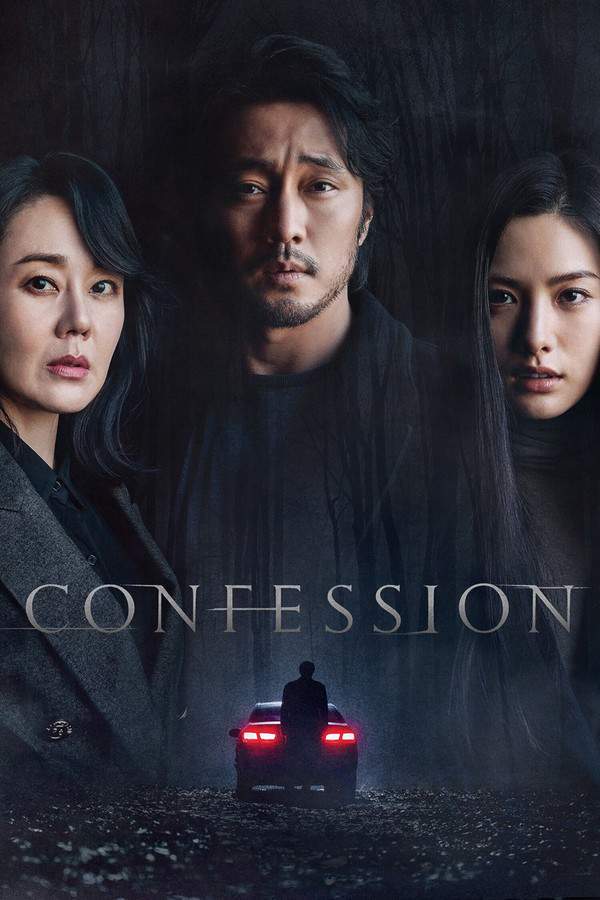
Stories where profound deception leads to inescapable, sorrowful endings. If you were moved by the heavy emotional weight and tragic conclusion of Witness for the Prosecution, explore these similar movies. They share themes of deep betrayal, complex character motives, and endings that are profoundly sad, focusing on the dark consequences of human deception.

  • dramatic
  • sad
  • betrayal
  • deceptive
  • heavy
  • tragic
  • Tone: tense, dramatic, sad
  • Pacing: variable, deliberate
Why these movies?

The story pattern: The narrative pattern follows characters navigating a world poisoned by lies, often within intimate relationships. The central conflict arises from a betrayal that unravels a carefully constructed reality, leading to a climax where moral boundaries collapse. The ending is typically sad or bleak, emphasizing the irreversible damage caused by the deception.

Why they belong together: These films are united by their heavy emotional weight, exploration of dark themes like betrayal and manipulation, and their commitment to endings that are tragic rather than triumphant. They share a tense, dramatic tone and a focus on the psychological devastation of their characters.

If you liked this

Movies Like Witness for the Prosecution

Similar movies to Witness for the Prosecution: the same genre, themes or kind of story. Each one comes with its own plot summary, timeline and ending explained.

Browse all movie summaries

Every angle

Witness for the Prosecution (1958) Explained: Plot, Timeline & Characters

Everything about Witness for the Prosecution in one place: what happens in the plot summary, the timeline in chronological order, the characters and meaning and a spoiler-free summary. What's After the Movie adds the cast, box office and post-credit scenes.

Coming soon on iOS and Android

The Plot Explained Movie Summary App

Plot summaries, endings explained and timelines on your phone. Catch up on any movie in minutes, save your favorites and never miss a twist again.

Be the first to know when we launch. Your email stays private, always.

Learn more about the app