Plot Explained Spoilers guaranteed!
Plot Explained

Browse by genre

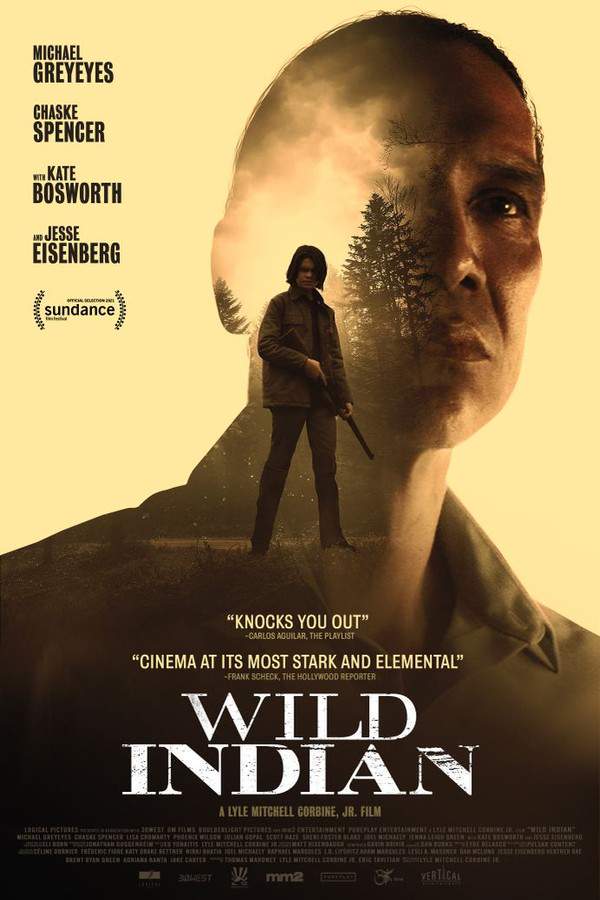
Wild Indian (2021) movie poster

Characters & Themes

Wild Indian (2021) Characters, Setting & Themes Explained

Release, runtime and language
2021 · 90 min · English
Echo score 58
Loading streaming availability…
Directed by
Lyle Mitchell Corbine Jr.
Starring
Bruce Davis, Kate Bosworth, Adam Budron, Bryce Camp, Evan Assante, Kirstyn Anderson
Budget
$20M

Years after a traumatic event, Michael, a Native American man, struggles to outrun his past. When an old acquaintance reappears seeking retribution, he's forced to confront a deeply buried secret that threatens his hard-earned peace. He must protect his marriage and his position at work while dealing with the resurfacing consequences of a decades-old tragedy and the fracturing of his own identity.

On this page (9)
  1. 1 Where to watch
  2. 2 Characters explained (4)
  3. 3 Character relationship map
  4. 4 Where & when it takes place
  5. 5 Themes & meaning (3)
  6. 6 Character & meaning questions
  7. 7 Movie threads
  8. 8 Movies like Wild Indian
  9. 9 Every angle
Loading streaming availability…

4 main characters · contains spoilers

Wild Indian Characters Explained: Who Is Who

The main characters of Wild Indian (2021), heroes and villains: what drives them, how they change over the course of the story and what each of them reveals about the film's bigger ideas.

  • Makwa Gi-Zheg / Michael Peterson

    Makwa, initially portrayed as a troubled Native American boy, evolves into Michael Peterson, a businessman in California. His character is marked by a deep internal conflict, grappling with his past while trying to embrace a new identity. His inability to escape the haunting memories of childhood violence reveals a vulnerable side, struggling with guilt and self-acceptance.

    • 🌍 Identity
    • ⚔️ Conflict
    • 😔 Guilt
  • Greta

    played by Kate Bosworth

    Greta is Makwa's supportive wife, embodying a sense of normalcy in Michael's otherwise tumultuous life. Her pregnancy announcement serves as a catalyst for Michael's internal chaos, contrasting their domestic life with his dark past. She represents a bridge to stability, yet also highlights the fragility of their relationship amidst hidden turmoil.

    • 👩‍❤️‍👨 Family
    • 🌱 Growth
  • Teddo

    played by Bryce Camp

    Teddo is Makwa's loyal cousin, providing emotional support during their difficult childhood. His release from prison marks a pivotal moment, as he confronts the realities of lost time and familial bonds. Teddo's journey is complex, reflecting both the burdens of the past and the desperate search for redemption.

    • 🕵️‍♂️ Trust
    • 🔄 Redemption
  • Cammy

    played by Lisa Cromarty

    Cammy, Teddo's sister, is a nurturing figure who grapples with her own family challenges. Her character represents the strong ties of family and the emotional strain of supporting loved ones dealing with trauma. She plays a crucial role in reconnecting with Teddo as he seeks to reclaim lost connections.

    • 👩‍👧‍👦 Family
    • 💪 Resilience

Last updated: October 23, 2026 at 18:19

Was this helpful?

6 characters · 9 connections · contains spoilers

Wild Indian Character Relationship Map

Who is connected to whom in Wild Indian: family, love, friendships, rivalries and hidden ties, colour-coded. Pick a character to see their side of the story, or a connection to see what brings two characters together.

How much of the story to show
MGMakwa Gi-Zheg /Michael PetersonGGretaKate BosworthTTeddoBryce CampCCammyLisa CromartyJJamesLLisa

Last updated: October 23, 2026 at 18:19

Was this helpful?

Setting

Where and When Does Wild Indian Take Place?

The setting of Wild Indian (2021): the year and time period, the places and locations, and how they shape the characters, the mood and the tension of the story.

Time period

1988, 2019

The story unfolds across two significant time periods: the tumultuous 1988 that highlights childhood traumas and the subsequent struggles of 2019, where characters grapple with the repercussions of their past. The narrative not only showcases the challenges of growing up but also illustrates how unresolved issues can resurface years later, impacting relationships and individual identities.

Location

Wisconsin, California

The movie traverses the contrasting landscapes of Wisconsin and California. Wisconsin, known for its natural beauty and rich Native American heritage, serves as the backdrop for Makwa's troubled childhood. In contrast, California represents a bustling urban environment where Makwa, now Michael Peterson, attempts to forge a new life away from his past.

  • 🌲 Nature
  • 🏙️ Urban

Last updated: October 23, 2026 at 18:19

Was this helpful?

3 major themes

Wild Indian Meaning: Themes & Message Explained

What is Wild Indian (2021) really about? The emotional, social and philosophical themes the film keeps returning to, its symbolism and the message beneath the surface.

  • Identity Crisis

    The theme of identity crisis is central to the film, as Makwa transforms into Michael Peterson, attempting to live a life disconnected from his traumatic past. This duality raises questions about heritage, personal redemption, and the intricacies of self-worth, often challenging the characters to confront who they truly are versus who they pretend to be.

  • Violence and Guilt

    Violence permeates the narrative, revealing its devastating impact on both the individual and community. Makwa's childhood act of violence towards James and the subsequent confrontation with Teddo illustrate the destructive power of unresolved anger and guilt, leading to tragic outcomes that haunt the protagonists throughout their lives.

  • Cycle of Trauma

    The film poignantly addresses the cycle of trauma that affects marginalized communities, particularly Native Americans. Makwa's story, encompassing the losses and struggles of his ancestors, highlights how past traumas can ripple through generations, perpetuating cycles of violence, guilt, and the quest for healing.

Last updated: October 23, 2026 at 18:19

Was this helpful?

Character & theme questions

Wild Indian Characters & Meaning: Your Questions Answered

The questions people ask about Wild Indian (2021): who the characters really are, their relationships, what the symbols mean, where it takes place and what the movie is really about. Each answer contains spoilers.

Q1

Where does the movie take place?

Wild Indian is set across two primary locations: Wisconsin, which serves as the backdrop for Makwa's troubled childhood and represents both natural beauty and Native American heritage, and California, where Michael Peterson attempts to build a new life in a bustling urban environment away from his past.

  • setting
  • locations
  • wisconsin
  • california
Q2

What time period does the story cover?

The movie spans two significant time periods: 1988, which depicts Makwa's childhood traumas, and 2019, where the characters face the adult consequences of those past events. The dual-timeline structure contrasts the origin of the trauma with its long-lasting impact.

  • timeline
  • 1988
  • 2019
  • time period
Q3

What is the main theme of the movie?

The central theme is identity crisis, as Makwa transforms into Michael Peterson, trying to live a life disconnected from his traumatic past. This duality raises questions about heritage, personal redemption, and self-worth, challenging the protagonist to confront who he truly is versus who he pretends to be.

  • identity
  • theme
  • self-worth
  • redemption
Q4

How does violence play into the film's narrative?

Violence permeates the narrative, illustrating its devastating impact on both individuals and communities. Makwa's childhood act of violence and its repercussions demonstrate the destructive power of unresolved anger and guilt, creating consequences that haunt the protagonists throughout their lives.

  • violence
  • guilt
  • trauma
Q5

What does the cycle of trauma theme represent?

The film addresses how trauma affects marginalized communities, particularly Native Americans. Makwa's story highlights how past traumas can ripple through generations, perpetuating cycles of violence, guilt, and the difficult quest for healing within Native American families.

  • trauma
  • native american
  • cycle
  • generations
Q6

Who is the main character and what defines him?

The main character is Makwa, a Native American boy who later becomes Michael Peterson, a businessman in California. He is defined by a deep internal conflict, grappling with his traumatic past while trying to embrace a new identity, constantly struggling with guilt and self-acceptance.

  • makwa
  • michael peterson
  • protagonist
  • main character
Q7

Who is Greta and what role does she play?

Greta is Michael Peterson's supportive wife, portrayed by Kate Bosworth. She represents a sense of normalcy in Michael's turbulent life, and her pregnancy becomes a catalyst that intensifies his internal chaos, highlighting the fragility of their relationship amidst his hidden turmoil.

  • greta
  • wife
  • pregnancy
  • support
Q8

Who is Teddo and what is his significance?

Teddo is Makwa's loyal cousin, portrayed by Bryce Camp. He provides emotional support during their difficult childhood, and his release from prison marks a pivotal moment in the story as he confronts the realities of lost time and seeks to reconnect with family while grappling with his own burdens of the past.

  • teddo
  • cousin
  • prison
  • support
Q9

Why does the movie use two different time periods?

The dual-timeline structure contrasts the origin of Makwa's childhood trauma in 1988 with its adult consequences in 2019. This narrative approach illustrates how unresolved issues from the past can resurface years later, impacting relationships and individual identities, showing the long-reaching effects of childhood events.

  • narrative structure
  • timeline
  • flashback
Q10

What does the movie say about the Native American experience?

Wild Indian explores the Native American experience through themes of identity crisis and generational trauma. The story highlights how heritage, loss, and struggle affect Native American communities, with Makwa's personal journey reflecting broader patterns of trauma and healing within marginalized populations.

  • native american
  • heritage
  • culture
  • community

Movie threads

More Movies Like Wild Indian, by Mood & Story

Curated lists built around what makes Wild Indian tick: the same mood, the same kind of story or the same emotional payoff. Each list explains why these movies belong together.

Movies where the past returns like Wild Indian

Characters are forced to confront a long-hidden secret that threatens their present. If you liked the tense unraveling of a hidden past in Wild Indian, this thread collects similar thrillers and dramas. Discover movies about characters whose long-buried secrets, often involving trauma or crime, violently re-emerge to threaten their relationships, careers, and sanity.

  • tense
  • guilt-ridden
  • anxious
  • unraveling
  • psychological
  • traumatic
  • Tone: tense, dark, guilt-ridden
  • Pacing: variable, deliberate build
Why these movies?

The story pattern: The narrative often uses a dual-timeline structure, revealing the origin of the trauma and then cutting to the present-day consequences. The plot revolves around the secret's emergence and the protagonist's desperate attempts to contain it, leading to a climax where the truth can no longer be suppressed.

Why they belong together: These films are grouped by a shared narrative engine: a traumatic past that violently intrudes on the present. They create a specific kind of psychological tension centered on guilt, fear of exposure, and the fracturing of a fragile identity built on lies.

Bleak stories of moral collapse like Wild Indian

Stories of personal downfall driven by guilt, trauma, and irreversible actions. For viewers who appreciated the uncompromising bleakness and heavy emotional weight of Wild Indian. This selection features movies with similar themes of guilt, trauma, and cycles of violence, often ending without hope or redemption, focusing on the crushing consequences of past actions.

  • bleak
  • oppressive
  • melancholic
  • traumatic
  • guilt
  • downfall
  • Tone: dark, bleak, melancholic
  • Pacing: variable, atmospheric
Why these movies?

The story pattern: The journey is one of inevitable decline. A protagonist, haunted by a foundational sin (often from youth), attempts to outrun their guilt but is consumed by it. The narrative structure leads to an ending that reinforces the inescapable nature of their trauma and the cycle of violence it perpetuates.

Why they belong together: These films share a profoundly dark and pessimistic worldview. They are united by a heavy, oppressive mood, a focus on the psychological toll of guilt, and a narrative commitment to a bleak, often hopeless, conclusion that offers no easy answers or catharsis.

If you liked this

Movies Like Wild Indian

Similar movies to Wild Indian: the same genre, themes or kind of story. Each one comes with its own plot summary, timeline and ending explained.

Browse all movie summaries

Every angle

Wild Indian (2021) Explained: Plot, Timeline & Characters

Everything about Wild Indian in one place: what happens in the plot summary, the timeline in chronological order, the characters and meaning and a spoiler-free summary. What's After the Movie adds the cast, box office and post-credit scenes.

Coming soon on iOS and Android

The Plot Explained Movie Summary App

Plot summaries, endings explained and timelines on your phone. Catch up on any movie in minutes, save your favorites and never miss a twist again.

Be the first to know when we launch. Your email stays private, always.

Learn more about the app